What is Hydrolyzed Protein Cat Food? A Guide for Cats with Skin Allergies and Chronic Diarrhea
Hydrolyzed protein food breaks down proteins into small peptide molecules, making them difficult for a cat's immune system to recognize and thus reducing allergic reactions. This article explains the principles, how to identify food allergy symptoms, an 8-week elimination trial, and a food transition ratio chart.
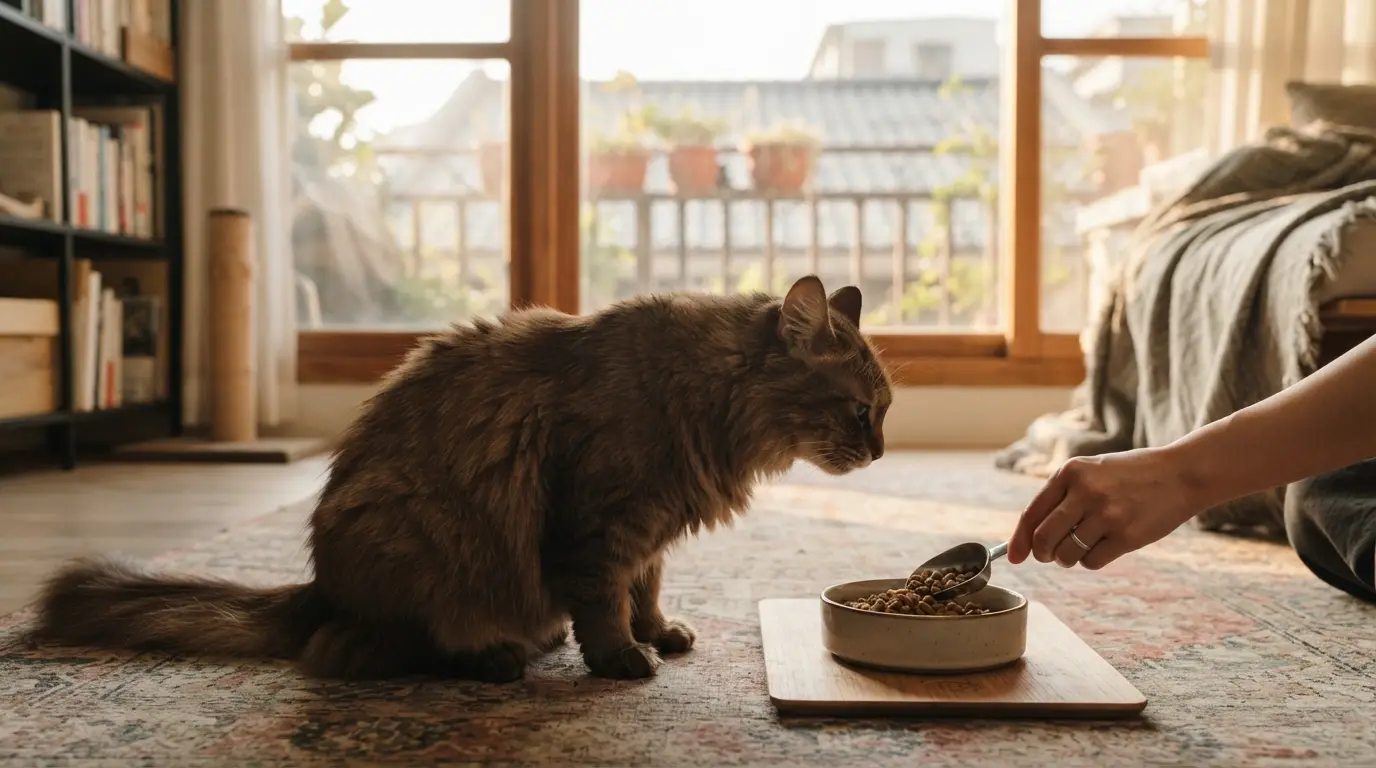
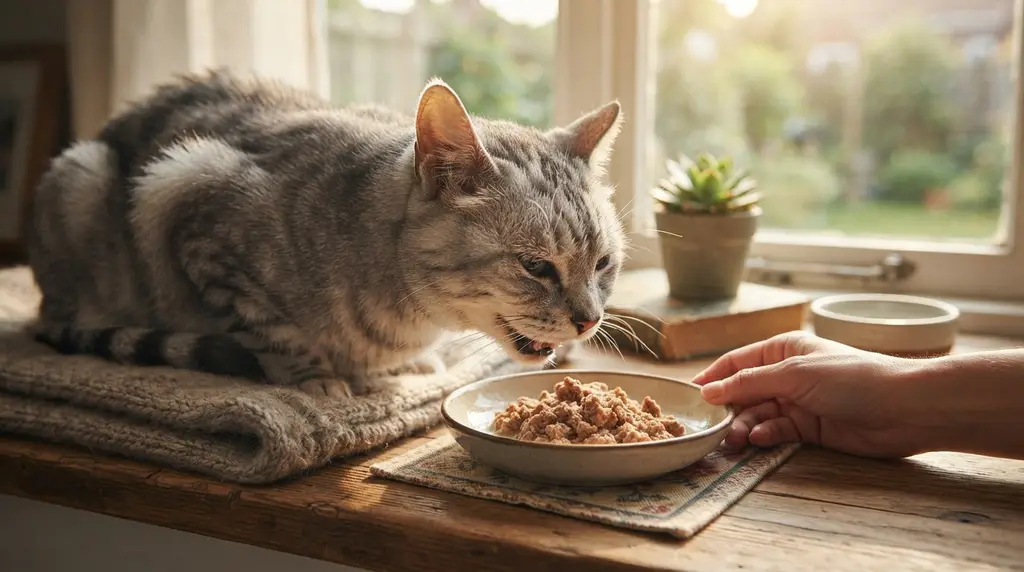
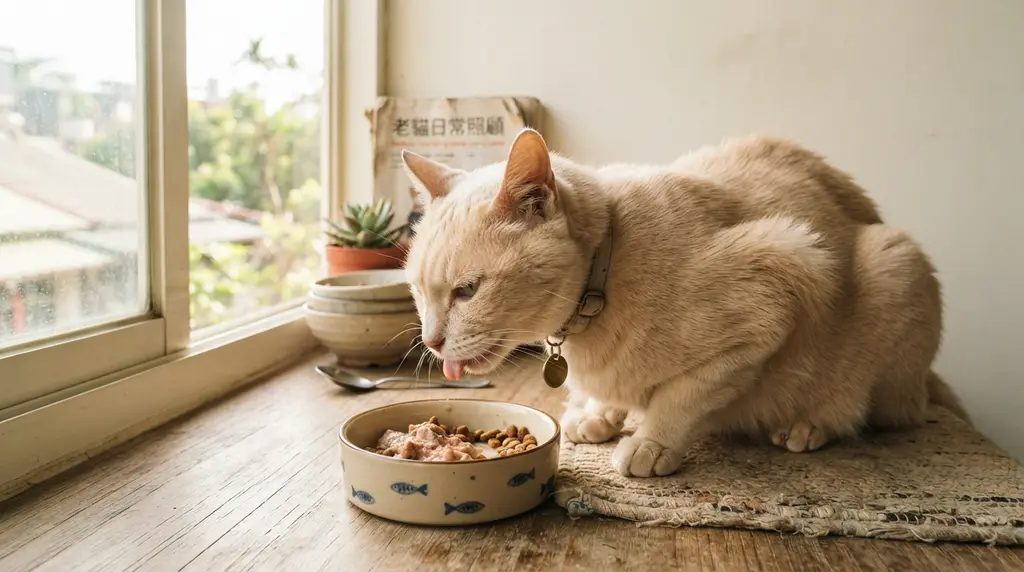
Hydrolyzed protein cat food is produced by using enzymes to pre-digest proteins in the food into very small peptide molecules (mostly below 3,000–12,000 Daltons). These peptides are so small that a cat's immune system can't recognize their original source (like chicken, beef, or fish), thereby reducing the likelihood of triggering an allergic reaction. It's primarily used for two types of cats: those with skin allergies causing long-term itching, face scratching, and neck scratching, and those with sensitive gastrointestinal systems experiencing chronic diarrhea or vomiting despite trying various foods.
However, a crucial point is: Hydrolyzed protein food is not a "magic cure" supplement; it's a diagnostic tool that must be strictly followed. If even a single treat or freeze-dried morsel is given during the trial, the entire process must be restarted from zero. Here's the comprehensive guide we provide to owners at our cattery when managing cats with various special diets.
Key Takeaways
- The principle behind hydrolyzed protein food is enzymatic breakdown of proteins into small peptide molecules. Most products aim for a molecular weight below 10,000 Daltons to reduce recognition by immunoglobulin E (IgE) and trigger fewer allergic reactions.
- The most common allergens for cats are beef, fish, chicken, and dairy products, not grains; "grain-free" does not automatically mean "low-allergen."
- The elimination trial for skin-related food allergies should last at least 8 weeks (due to slow skin metabolism), while gastrointestinal symptoms often improve within 2–4 weeks.
- During the elimination trial, 100% adherence to the specified diet is mandatory. This includes treats, lickable treats, flavored coatings on oral medications, and preventing other cats in a multi-cat household from stealing food – any deviation invalidates the trial.
- A gradual food transition over 7–14 days is recommended (old food 75%→50%→25%→0%). Cats switched abruptly in a single day have a significant chance of experiencing 1–3 days of soft stools.
What Exactly is Hydrolyzed Protein Cat Food? Understanding Molecular Size
Cats develop food allergies when their immune system mistakenly identifies certain intact proteins (usually larger glycoproteins) as invaders. This triggers the production of antibodies and the release of histamine, manifesting as itchy skin or, in the gut, as soft stools, bloating, and chronic vomiting.
Hydrolysis is a process during manufacturing where enzymes are used to break down these long protein chains into smaller peptide fragments. The antibodies can no longer find the specific "binding sites" on the intact protein, making it less likely for an immune response to be initiated.
Hydrolyzed Protein vs. Single Protein vs. Novel Protein: What's the Difference?
| Type | Process | Suitable For |
|---|---|---|
| Hydrolyzed Protein | Proteins broken down into small peptide molecules (from sources like chicken, soy, feather protein, etc.) | Cats who have tried many types of protein and whose allergens are unclear. |
| Single Protein (Limited Ingredient) | Uses only one type of protein and one type of carbohydrate; short ingredient list. | Cats with known allergens who need to avoid specific protein sources. |
| Novel Protein | Uses proteins the cat has "never eaten before," such as rabbit, venison, or duck. | Cats with a simple dietary history who have definitely not been exposed to that specific protein source. |
Strictly speaking, hydrolyzed protein is the "least uncertain" option among the three because it doesn't require guessing the allergen. The trade-offs are a higher price, generally lower palatability compared to regular kibble (due to bitter peptides produced during hydrolysis), and many are veterinary prescription diets, recommended for use after veterinary assessment.
A Common Misconception: Grain-Free ≠ Low-Allergen
The most common food allergens for cats are animal proteins (beef, fish, chicken, dairy). Grains cause allergies in a much smaller proportion of cats than commonly believed. Therefore, "grain-free" cat food often provides less benefit for allergic cats than "switching away from the chicken they've eaten for three years." Some hydrolyzed prescription diets even intentionally use corn starch – because starch contains almost no protein and is a clean source of energy.
What we use for this
CatGarden’s own products, shipped from Taiwan Pro ProbioticsFrom CA$26.60 per boxFree shipping on multi-packs
Cat Food Allergy Symptoms: How to Determine if Itching and Diarrhea Are Food-Related
Typical Presentation of Skin Allergies
- Scratching until skin breaks and scabs form on the head, neck, behind the ears, and chin: This is the classic distribution pattern for feline food allergies.
- Symmetrical over-grooming and hair loss: Sparse fur on the belly and inner thighs, but without obvious skin lesions.
- Year-round, non-seasonal: Flea allergies and environmental pollen allergies often have seasonal patterns; food allergies typically cause year-round itching.
- Often accompanied by recurrent ear infections and blackheads on the chin (feline chin acne).
Typical Presentation of Gastrointestinal Issues
- Stools are consistently soft, deforming when picked up and sticking heavily to the litter (scoring 5–6 on a 1–7 stool scale).
- Vomiting more than once a week, not just hairballs but undigested food or bile.
- Increased flatulence, gurgling sounds in the abdomen, and more frequent defecation.
- Gradual weight loss despite a seemingly normal appetite.
Rule Out These "More Common Causes" Before Suspecting Food
This step is crucial. We've seen many owners spend thousands of dollars switching between three low-allergen foods, only to discover the problem was internal parasites. Before starting an elimination trial, please confirm with your veterinarian:
- Fleas / External Parasites: Feline flea allergy dermatitis causes itching patterns similar to food allergies. Ensure regular flea prevention.
- Intestinal Parasites, Coccidia, Giardia: These are prime suspects for soft stools and can be diagnosed with a fecal test. For kittens, refer to Kitten Diarrhea but Active: When to See a Vet? 3 Observation Indicators to assess urgency.
- Hyperthyroidism: For middle-aged to senior cats experiencing "eating a lot but losing weight, with occasional soft stools," this should be ruled out first. See Feline Hyperthyroidism: A Comprehensive Guide to Symptoms, Diagnosis, and Treatment.
- Accidental Ingestion of Inappropriate Items: Human food, dairy products, ornamental plants. Review What Can't Cats Eat? Common Household Dangers and Poisoning Signs for self-checks.
- Inflammatory Bowel Disease (IBD) or Lymphoma: If the food elimination trial is ineffective, these are the next diagnostic steps.
The Strict Elimination Trial: How to Conduct an 8-Week Trial Effectively
This is the most valuable part of the article. A loosely conducted elimination trial is as good as no trial at all.
Step 1: Decide on the Diet (Single, Unchanging)
Choose one hydrolyzed protein prescription diet (dry or wet food is acceptable, but stick to the same product throughout the trial) and note down the product name and batch number. Do not switch to another low-allergen food mid-trial, as you won't know which one is effective.
Step 2: Unify the Household, Eliminate All "Extra Mouths"
- Stop all treats, freeze-dried foods, lickable treats, cat grass biscuits, and hairball remedies.
- If supplements contain meat flavoring, pause them or switch to unflavored versions.
- Stop flavored coatings on oral medications, milk, and yogurt.
- For multi-cat households, feed separately: one cat per room or stagger feeding times, and immediately clear bowls after meals. This is where most trials fail.
- Be extra vigilant about human food on tables and food scraps on the floor during this period.
Step 3: Complete the Duration and Keep Records
- Gastrointestinal symptoms: Most cats show formed stools within 2–4 weeks.
- Skin symptoms: Require 8 weeks or more for new skin to grow, scratches to heal, and inflammation to subside. Giving up at week 3 because there's no improvement is a common mistake.
Use your phone to create a simple table and record three things daily: stool score (1–7), frequency of scratching (how many times today / any new wounds), and weight (once a week). Human memory can be unreliable; numbers are not.
Step 4: The Re-Challenge – The True Diagnostic Step
If symptoms significantly improve after 8 weeks and you want to confirm it's truly a food issue, reintroduce the original old food or a single protein source (e.g., plain boiled chicken breast) for 1–2 weeks under veterinary guidance. If symptoms recur, it confirms a food adverse reaction. You can then reintroduce other single ingredients one by one to identify the true problematic protein source.
Many owners are hesitant to re-challenge after improvement, which is acceptable – but you'll never know if your cat could have tolerated other foods, leading them to eat expensive prescription diets unnecessarily.
Choosing Food for Allergic Cats: 5 Practical Indicators
1. Hydrolysis Level and Molecular Weight Indication: Brands willing to disclose average molecular weight or peptide size demonstrate higher transparency. "Below 10,000 Da" is a common threshold.
2. Simple Protein Source: The first five ingredients should not list multiple meats or vague descriptions like "meat by-products."
3. Cross-Contamination Management: If the same production line produces formulas containing beef and fish, trace amounts could trigger a reaction in highly sensitive cats.
4. Availability of Wet Food Version: Cats with chronic diarrhea often have insufficient water intake. Having a matching wet food option makes care much easier. For senior cats, refer to How Much Should a Senior Cat Eat Daily? Portion Calculation, Wet Food Ratio, and Small Frequent Meals.
5. Palatability and Return/Exchange Flexibility: Hydrolyzed foods generally have a milder, sometimes bitter taste. Purchase small trial sizes first. Buying an 8kg bag only to find your cat won't eat it is an expensive lesson.
Additionally, if your cat has other health needs like kidney disease, urinary issues, or diabetes, prescription diets can conflict. In such cases, let your veterinarian prioritize your cat's needs; don't self-prescribe.
Food Transition Ratio Chart: 7–14 Days, Use a Slower Pace for Cats with Diarrhea
| Days | Old Food | New (Hydrolyzed) Food |
|---|---|---|
| Days 1–3 | 75% | 25% |
| Days 4–6 | 50% | 50% |
| Days 7–10 | 25% | 75% |
| Day 11 Onward | 0% | 100% |
Practical Tips:
- For cats with already sensitive gastrointestinal systems, extend each stage to 4–5 days, making the total transition period 14–18 days.
- Mix the two types of kibble thoroughly, don't serve them in separate piles – cats will pick out the new food.
- You can slightly moisten dry kibble with warm water (around 40°C) or add 1–2 teaspoons of the same wet food to enhance aroma, but do not use meat broth or gravy, as this will invalidate the trial.
- During the transition, you can supplement with probiotics to help form stools. We often use unflavored powders like Probiotic Formula mixed into the food for boarding cats experiencing soft stools due to environmental changes, as this minimally impacts the purity of the elimination trial.
- Avoid making other major changes simultaneously during the food transition: don't switch litter, don't move house, and don't get vaccinated right before. Fewer variables allow you to interpret the results accurately.
Real-Life Situations at Our Cattery
Our cattery manages several cats undergoing elimination trials each month. The most common issues aren't with the food itself but with "caregivers not understanding the rules."
Our procedure involves owners pre-portioning the trial food, clearly labeling bags "No Treats Allowed," and feeding the cat in a separate room during their stay, providing daily stool photos as updates. This prevents owners from returning home to find eight weeks of effort ruined by a single lickable treat. If you're conducting an elimination trial and need to travel, choosing a facility that can accommodate separate feeding and daily record-keeping makes a significant difference. Refer to Cat Boarding vs. Pet Sitting: Stress, Cost, and Emergency Comparison for options, or mention special dietary needs when you book a boarding stay at our Banqiao cattery.
Additionally, cats with extensive scabbing, oily ears, or severe chin acne often require cleaning support alongside dietary adjustments. If your vet prescribes medicated shampoos, professional grooming appointments can help administer them safely, which is often better than struggling with baths at home and potentially creating a negative association with bathing for your cat.
Seek Veterinary Care Immediately in These Situations; Do Not Continue Self-Treating with Food Changes
- Soft stools with blood, mucus, or more than 4–5 bowel movements per day.
- Not eating or drinking for over 24 hours, with significant lethargy.
- More than a 10% weight loss in a short period.
- Extensive skin ulceration, pus formation, or fever.
- Facial swelling, acute vomiting, or rapid breathing after a food change (suspected anaphylactic reaction).
Food allergies are rarely fatal, but the symptoms above could indicate infections, IBD, lymphoma, or other systemic diseases. If symptoms persist or worsen, seek veterinary evaluation promptly. Dietary adjustments can be made later.
Frequently Asked Questions
Can Hydrolyzed Protein Cat Food Be Fed Long-Term?
Yes. Most hydrolyzed prescription diets meet the nutritional standards for adult cats and can be fed long-term without issue. However, if a single allergen is identified through a challenge trial, switching to a regular food that avoids that protein is usually more cost-effective and easier to feed. Consult your veterinarian.
Why is My Cat Still Itchy After Switching to Hydrolyzed Food?
Three possibilities: 1) Insufficient time (skin requires over 8 weeks); 2) Trial contamination (secret treats, snacks, or other cats eating from the same bowl); or 3) It's not a food allergy after all, but possibly a flea allergy or environmental allergy (feline atopic dermatitis), requiring a different treatment approach.
What If My Cat Refuses to Eat Hydrolyzed Protein Food?
First, check if the transition speed was too fast and ensure the kibble is mixed well, not served separately. You can add warm water or the same brand's wet food to enhance aroma. Do not use meat broth, bonito flakes, or other brands' canned food as enticements, as this will invalidate the elimination trial. If your cat refuses to eat for over 24 hours, seek veterinary attention.
What's the Difference Between Over-the-Counter "Low-Allergen" Foods and Veterinary Prescription Hydrolyzed Diets?
Over-the-counter low-allergen foods are typically based on the "single protein/grain-free" concept, primarily reducing ingredient complexity without protein hydrolysis. They also often lack strict cross-contamination controls. While suitable for general maintenance, their reliability as a diagnostic tool for elimination trials is lower than veterinary prescription hydrolyzed diets.
How Long Does It Take to Know if Hydrolyzed Protein Cat Food is Effective?
Gastrointestinal symptoms usually show improvement in stool formation within 2–4 weeks. Skin itching requires at least 8 weeks for assessment. Any deviation, such as feeding other foods, necessitates restarting the timeline.
Finally, a practical piece of advice: the success of an elimination trial hinges eighty percent on "no one in the household giving in to temptation." Before starting, put all treats away and clearly explain the rules to everyone living with you – this is more important than which brand you choose.
This article was written by the CatGarden editorial team and provides general care information. It cannot replace veterinary diagnosis. If your cat's symptoms persist or worsen, please seek veterinary attention promptly.
CatGarden offers curated supplies, cat boarding, and grooming
Book services or shop online.