Can Cats Drink Milk? A Complete Guide to Lactose Intolerance Symptoms and Safe Alternatives

Most adult cats shouldn't drink milk: after weaning, lactase activity significantly decreases, leading to undigested lactose fermenting in the gut, causing soft stools, diarrhea, and bloating. This article explains the mechanism of lactose intolerance, a symptom timeline, and key considerations for choosing cat-specific goat milk and lactose-free alternatives.
CatGarden Editorial TeamPublished 2026/08/18Updated 2026/10/06
Cat DietCat HealthLactose IntoleranceCat DiarrheaCat Goat Milk
Can Cats Drink Milk? A Complete Guide to Lactose Intolerance Symptoms and Safe Alternatives

Can Cats Drink Milk? A Complete Guide to Lactose Intolerance Symptoms and Safe Alternatives

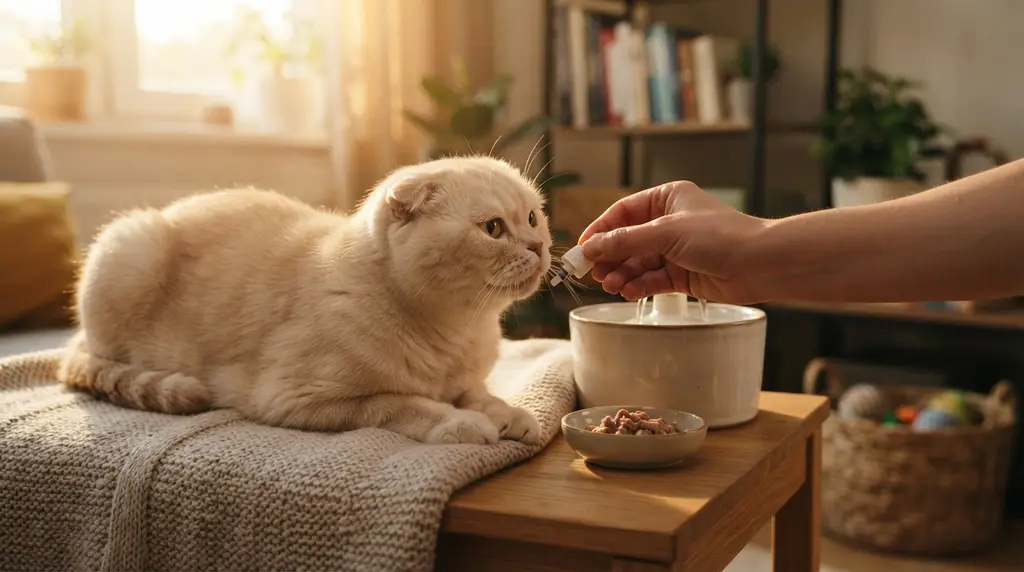
Can cats drink milk? The answer is, "Most adult cats should not." After weaning, cats' intestinal lactase activity significantly decreases. The lactose in commercial milk (about 4.5–5%) cannot be fully digested. It ferments in the gut, drawing water into the intestines, leading to soft stools, diarrhea, and bloating, usually occurring 2 to 12 hours after consumption.

A small lick or two of milk occasionally isn't fatal (milk isn't toxic like onions or chocolate), but it has "no nutritional necessity and carries clear gastrointestinal risks." In our shop, we always advise owners to switch directly to cat-specific lactose-free drinks or plain clean water.

Key Takeaways

  • Regular whole milk contains about 4.5–5% lactose. After weaning, cats' lactase activity drops significantly, and most adult cats cannot fully digest it, making them prone to diarrhea from milk.
  • Gastrointestinal reactions to lactose intolerance typically appear 2–12 hours after ingestion, primarily manifesting as soft stools, watery diarrhea, bloating, and borborygmi (gurgling sounds), rather than vomiting and fever.
  • Goat milk contains about 4.1–4.5% lactose, not significantly less than cow's milk. The key for cats drinking goat milk isn't whether it's from a goat, but whether it's a "cat-specific, lactose-free formula."
  • A cat's daily total water requirement is about 40–60 ml per kilogram of body weight. Any milk-based drink should only be an occasional treat, limited to less than 10% of daily calories.
  • Kittens absolutely cannot be fed only cow's milk: the protein and taurine ratios in cow's milk do not meet a kitten's needs; they require kitten milk replacer (KMR-type products).

Why Do Most Cats Get Diarrhea from Milk? Let's Look at Lactase

Lactose Needs a "Key" to Be Absorbed

Lactose is a disaccharide, too large to be absorbed directly by the small intestine. It must be broken down into glucose and galactose by lactase enzymes located on the villi of the small intestine. Kittens have the highest lactase activity during their nursing period because their sole food source is mother's milk. However, after weaning (around 6–8 weeks of age) and starting solid food, the body determines that "further lactose breakdown is unnecessary," and lactase secretion gradually decreases.

This is a common physiological design for mammals, not a sign of illness in cats.

Where Does Undigested Lactose Go?

When undigested lactose enters the large intestine, two things happen:

1. Increased Osmotic Pressure: Lactose is an osmotically active molecule that draws water from the intestinal blood vessels into the intestinal lumen, increasing the water content of the feces, leading to soft or watery stools.

2. Bacterial Fermentation: Gut bacteria ferment lactose into short-chain fatty acids and gases (carbon dioxide, hydrogen), causing bloating, borborygmi, flatulence, and abdominal discomfort.

Therefore, the typical manifestation of lactose intolerance is "intestinal": diarrhea, gurgling sounds in the abdomen, and restlessness. This is quite different from the vomiting, drooling, and lethargy seen with ingesting toxic substances. This distinction is crucial for assessing the severity and can be compared with the poisoning symptoms in What Foods Are Toxic to Cats? Common Household Dangers and Signs of Poisoning.

Why Do Some Cats Seem Fine After Drinking Milk?

Individual differences truly exist. We once had a 12-year-old ginger cat at our boarding facility whose owner said it had been drinking milk mixed with water since kittenhood without issue. We've also seen a 3-year-old short-haired cat that only licked half a teaspoon of fresh milk and had watery stools the next morning. The differences stem from:

  • Varying Levels of Residual Lactase: Some cats retain higher activity into adulthood.
  • Different Intake Amounts: The total amount of lactose in a small lick might still be within the gut's processing capacity.
  • Different Gut Microbiomes: Some cats' gut flora are more tolerant to fermentation byproducts.
  • Different Types of Milk: Skim milk can sometimes have a slightly higher lactose concentration than whole milk. Yogurt and aged hard cheeses have had some lactose broken down, leading to better tolerance.

However, "no immediate diarrhea" does not mean "suitable." Continuously exposing the gut to sugars it struggles to process is not beneficial for cats with sensitive stomachs.

What we use for this

CatGarden’s own products, shipped from Taiwan
See all products
Pro ProbioticsPro ProbioticsFrom CA$26.60 per boxFree shipping on multi-packs

What Are the Symptoms of Lactose Intolerance in Cats? Understanding the Timeline

TimeframeCommon Manifestations
30 minutes – 2 hoursAbdominal gurgling, frequent position changes, some licking of lips, mild restlessness
2–12 hoursSoft to watery stools, flatulence, possibly 3–5+ litter box visits per day
12–48 hoursIf no further dairy is consumed, stools gradually return to normal consistency; appetite usually normal
Over 48 hours with persistent watery stoolsRequires veterinary evaluation beyond simple lactose intolerance

Red Flags Requiring Veterinary Attention

  • Diarrhea lasting over 48 hours without improvement, or if stools contain blood or appear black and tarry.
  • Vomiting more than 2–3 times concurrently, complete refusal to eat or drink.
  • Significant lethargy, hiding, or low body temperature.
  • Diarrhea in kittens, elderly cats, or cats with chronic illnesses: Dehydration can occur rapidly; veterinary attention within 24 hours is recommended.

The main concern with diarrhea is dehydration. You can perform a self-check using How to Check for Cat Dehydration: Skin Elasticity, Oral Mucosa, and Water Intake - 3 Home Checks. If the condition persists into the second or third day, the feeding recovery timeline in How Long Does Cat Gastroenteritis Last? From Day 1 to Day 7: Timeline, Feeding Recovery, and Warning Signs can be followed.

What to Do If Your Cat Has Already Drunk Milk? 4 Steps to Take at Home

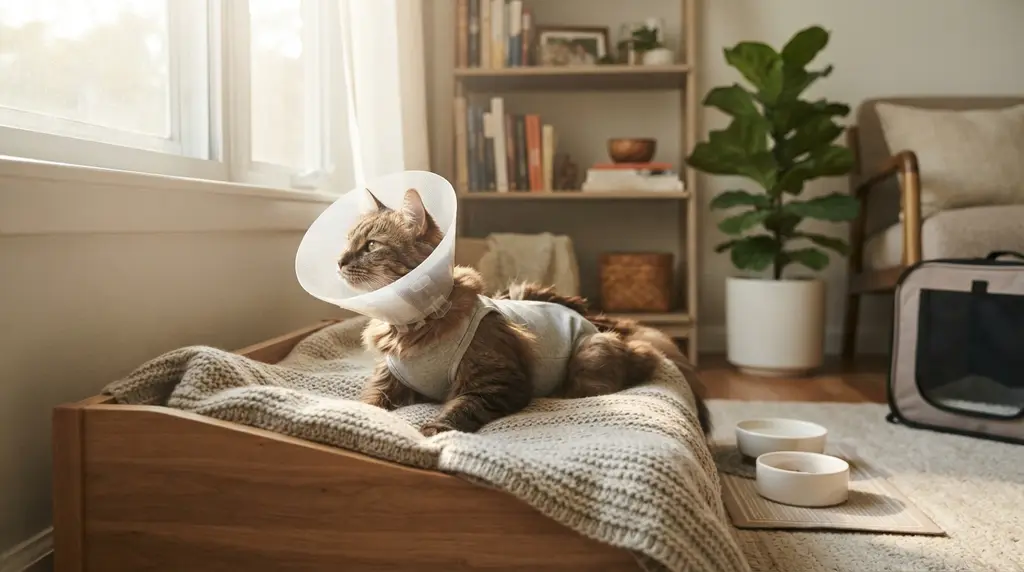
1. Stop All Dairy Products: This includes cheese, cream, milk tea, pudding, and ice cream. Many owners stop milk but continue giving cheese, preventing the gut from recovering.

2. Ensure Constant Access to Water: Diarrhea leads to fluid and electrolyte loss. Place 2–3 extra water bowls in different rooms or use a pet drinking fountain to encourage intake.

3. Reduce Food Portions and Increase Meal Frequency: Feed 1/2 to 2/3 of the usual amount, divided into 3–4 smaller meals, to reduce the burden on the digestive system. Fasting for more than 12 hours is generally not recommended (especially for kittens).

4. Monitor the Litter Box: Record the frequency and consistency of stools. Honestly, the litter box is our most important tool for assessing the gastrointestinal health of boarding cats. Using a clumping litter with good absorbency makes it easier to gauge stool water content. For example, with a highly clumping litter like Odor Control Mineral Litter 3.0, soft stools will clump together noticeably rather than scattering, making them easier to assess.

If your cat has a sensitive stomach or tends to get soft stools during changes in diet or environment, discuss using cat-specific probiotics like Pro-Probiotics for daily maintenance with your veterinarian. However, it's important to clarify: probiotics help stabilize the gut flora, they are not a "cure" that allows cats to drink milk.

Can Cats Drink Goat Milk? Check the Ingredients First

This is one of the most frequently asked questions. The answer might be counterintuitive: Goat milk contains about 4.1–4.5% lactose, not significantly less than cow's milk (4.5–5%). So, it's not a guarantee that goat milk won't cause diarrhea.

Goat milk is often recommended for these reasons:

  • Smaller fat globules, theoretically easier to digest.
  • Protein structure (less αs1-casein) is less likely to cause allergic reactions.

These are "relative" advantages, but the lactose issue remains unresolved. Therefore, giving fresh goat milk intended for human consumption directly to cats can still cause diarrhea.

What You Should Really Look For Is a "Cat-Specific, Lactose-Free Formula"

The reason most cats tolerate commercial pet goat milk well is that the manufacturing process involves adding lactase to hydrolyze lactose or directly reducing its content. When choosing, look for these points:

  • Labeling: "Lactose-Free / Low Lactose / Lactose-Free" is the top priority, more important than the words "goat milk."
  • Suitability for Cats: Dog formulas have different protein and taurine ratios and are not suitable for long-term use in cats (occasional small amounts won't cause harm, but don't make it a habit).
  • No Added Sugar, Flavorings, or Colorings: Some pet milks add sugar to increase palatability, which is unnecessary for cats.
  • Clear Protein Source: Avoid products primarily relying on plant-based proteins.
  • Absence of Xylitol, Onion Powder, or Allium Flavorings: These are sometimes found in human products and are red lines for cats.
  • Storage After Opening: For powdered formulas, it's recommended to use within 4–6 weeks after opening. In Taiwan's humid summers, proper sealing to prevent moisture is crucial, similar to the advice in How Long Can Cat Food Last After Opening? Taiwan Summer Humidity, Food Container Selection, and Spoilage Detection.

Practical Tips for Mixing and Feeding

  • Temperature: 37–38°C: Test on the inside of your wrist to ensure it's not too hot. Too hot can scald the mouth; too cold can irritate the stomach.
  • First Feeding: Give only 5–10 ml and observe the litter box for 24 hours before deciding to continue.
  • Treat, Not Staple: Milk-based drinks should be limited to within 10% of daily caloric intake. A 4kg adult cat needs about 200–250 kcal per day; 10% is roughly 20–25 kcal, translating to about 30–50 ml of pet milk, not a whole bowl.
  • Do Not Use to Replace Water: Cats need about 40–60 ml of water per kg daily. Relying on milk for hydration is expensive and can lead to excessive calorie intake.

Besides Goat Milk, What Other Safer Alternatives Are There?

1. Lactose-Free Cat Milk (Highest Recommendation)

Suitable for short-term use to encourage appetite, post-surgery, or for cats with poor appetite. Choose based on the criteria above and use in moderation.

2. Unsalted, Fat-Free Broth (Homemade)

Boil chicken breast or thighs in plain water for 20–30 minutes. Do not add salt, ginger, garlic, or remove any surface fat. After cooling, use only the clear broth. This is our go-to when a cat at the boarding facility is "stressed and not drinking" – adding 1–2 teaspoons to their water or wet food often significantly increases water intake. Commercial human broth cubes are strictly forbidden due to high sodium content and often containing onion powder.

3. Cat-Specific Broth Pouches / Canned Food Gravy

The easiest option. Choose products with low sodium content and simple ingredients. Drizzling the gravy over dry food is a very effective way to increase water intake. If your cat's regular diet is already high in moisture (like the highly moist Luxury Functional Cans), it's a more effective way to address hydration than trying to get them to drink milk.

4. Clean Water (Always Number One)

While it may sound mundane, it is truly the most important. Practical ways to increase water intake:

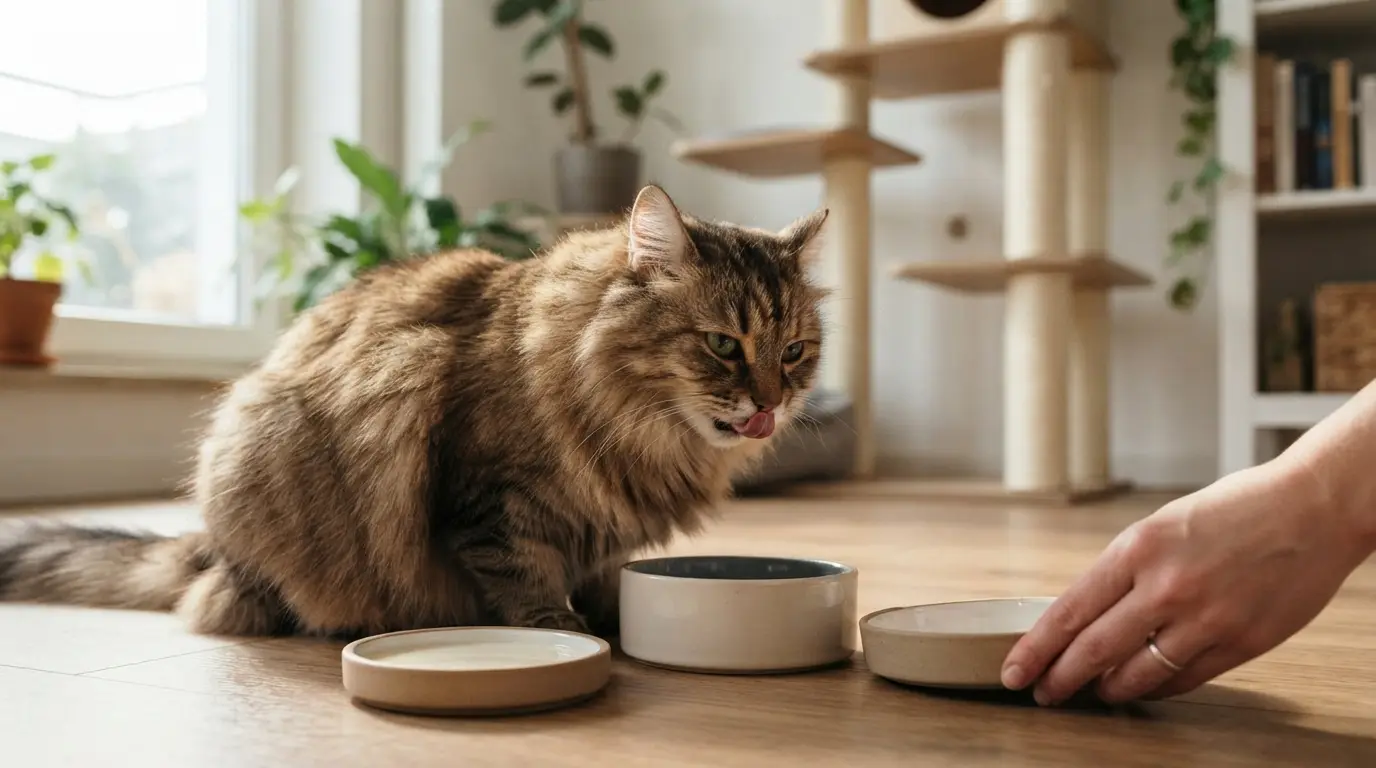
  • Use wide, shallow bowls to prevent a cat's whiskers from touching the sides.
  • Place water bowls at least 1–2 meters away from the litter box.
  • Change water 1–2 times daily, more frequently in summer.
  • Provide multiple drinking stations: at least 3 spots for 2 cats.

Drinks Not Recommended

  • Human fresh milk, flavored milk, milk tea, yogurt drinks (contain sugar).
  • Soy milk (causes bloating, and some products contain sugar).
  • Almond milk, oat milk (nutritional content is not suitable, some contain additives).
  • Any beverages containing caffeine, alcohol, or xylitol.
  • Sports drinks (electrolyte and sugar ratios are unsuitable for cats).

During festive periods, there are often many drinks on the table. This serves as a reminder: Mid-Autumn Festival and Lunar New Year are times when accidents are more likely. What to Watch Out for During Mid-Autumn Festival? Can Cats Eat Mooncakes, Pomelos, and BBQ Ingredients Safely? outlines common pitfalls.

Can Kittens Drink Milk? The Answer Is Even Stricter

No, and it's more dangerous than for adult cats. A common misconception is that "kittens are still drinking milk, so cow's milk is fine," but the issue goes beyond lactose:

  • Cat's mother's milk contains about 7–8% protein, while cow's milk has only about 3.3%. Long-term feeding can lead to stunted growth.
  • Cow's milk is deficient in taurine and arginine. Taurine deficiency can lead to retinal degeneration and heart problems.
  • Kittens are small, and dehydration from diarrhea can occur extremely rapidly, potentially becoming dangerous within 24 hours.

For rescued kittens or situations where the mother cat's milk supply is insufficient, use kitten milk replacer (KMR), mix according to package directions, and feed at 37–38°C in small, frequent amounts. For the transition from milk to solid food, refer to How Many Meals a Day for Kittens? Feeding Frequency, Portions, and Transition Timing by Age. Guidelines for choosing kitten dry food can be found in How to Choose Kitten Dry Food? Protein, Calcium-Phosphorus Ratio, and Soaking Methods.

Our Practice at the Boarding Facility

The most common situation at our cat boarding facility is "stress from a new environment → refusal to eat or drink → soft stools." Some owners might say, "My cat likes drinking milk; you can use it to encourage eating." We usually decline and opt for two methods instead:

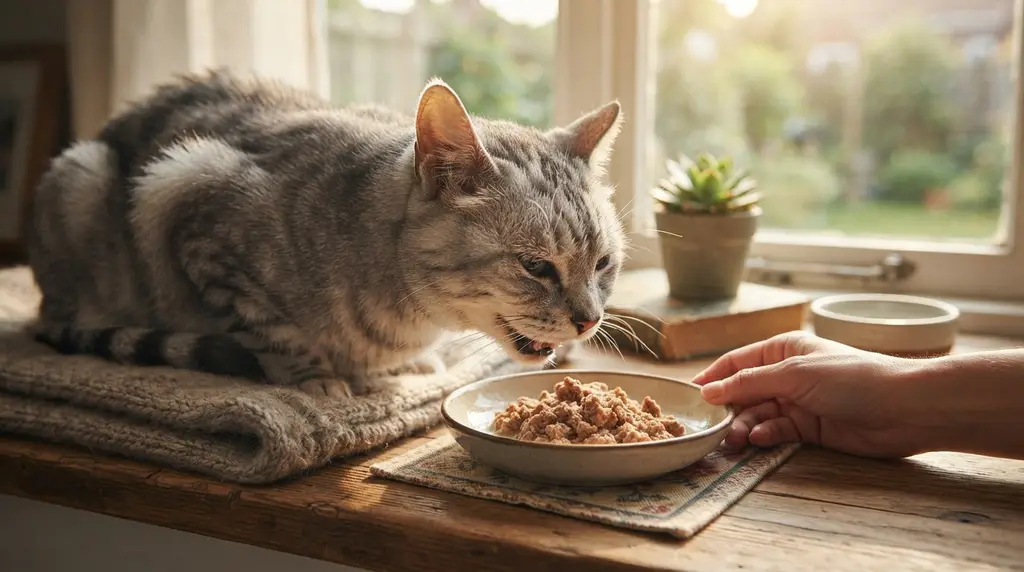
1. Warm Wet Food: Mix a little warm water into the wet food and warm it to near body temperature (around 38°C). The aroma often entices them.

2. Unsalted Chicken Broth Mixed with Food: One or two teaspoons are enough to break the ice.

These two methods are far more successful than milk and do not create new gastrointestinal problems. After all, cats are already prone to soft stools in unfamiliar environments, and adding the burden of lactose can lead to a very messy litter box the next day. To learn more about how we handle diet and observations during boarding, please see the Boarding Reservation details.

Frequently Asked Questions

What Happens If My Cat Sneaks a Sip of Milk?

In most cases, it will only result in mild soft stools or bloating, appearing within 2–12 hours and resolving on its own within 24–48 hours. Stop all dairy products, ensure access to water, and monitor the litter box. If diarrhea lasts over 48 hours, contains blood, or is accompanied by vomiting and lethargy, seek veterinary attention.

Can I Give My Cat Lactose-Free Milk (for Humans)?

The lactose issue is indeed resolved, and small, occasional amounts usually won't cause diarrhea. However, it's still not recommended as a regular habit. Human products are often high in fat and calories, some contain added sugars and flavorings, and they lack the taurine cats need. Long-term consumption is simply unnecessary calories.

Can Cats Eat Cheese, Yogurt, or Cream?

Aged hard cheeses and plain, unsweetened yogurt have lower lactose content and are better tolerated than fresh milk, but they are high in fat and sodium. They should only be given as very small treats (e.g., the size of a fingernail of cheese). Cream is too high in fat and can increase the risk of pancreatitis, so it is not recommended.

Can Cats Drink Goat Milk? How Is It Different from Cow's Milk?

Goat milk contains about 4.1–4.5% lactose, only slightly less than cow's milk. Fresh goat milk for human consumption can still cause diarrhea. What's truly safe is "cat-specific goat milk powder that has been hydrolyzed or had lactose removed." The key is to look at the ingredient label, not just the words "goat milk."

My Cat Doesn't Like Drinking Water. Can I Use Milk or Milk Powder to Hydrate Them?

It's not recommended. Milk carries a risk of diarrhea, and pet milk powders are high in calories. Long-term use as a water substitute can lead to obesity. More effective methods include increasing the proportion of wet food, mixing food with unsalted chicken broth or canned food gravy, and providing multiple water stations around the house.


The Honest Truth: Milk is not poison to cats, but it is an "unnecessary risk." What truly helps improve a cat's hydration and gut stability are a higher proportion of wet food, clean water sources, and regular feeding, not a bowl of milk. If your cat has chronic soft stools, not just from a single instance of drinking milk, please consult a veterinarian for a thorough evaluation rather than constantly trying different milk powders yourself. If you need to stock up on daily essentials and supplies, feel free to browse our Shop.

This article provides general care information and cannot replace veterinary diagnosis. If your cat experiences persistent diarrhea, vomiting, dehydration, or lethargy, seek veterinary attention immediately.

— CatGarden Editorial Team

CatGarden offers curated supplies, cat boarding, and grooming

Book services or shop online.
Back

Blog

Can Cats Drink Milk? A Complete Guide to Lactose Intolerance Symptoms and Safe Alternatives

CatGarden Editorial TeamPublished 2026/08/18Updated 2026/10/06
Cat DietCat HealthLactose IntoleranceCat DiarrheaCat Goat Milk
Can Cats Drink Milk? A Complete Guide to Lactose Intolerance Symptoms and Safe Alternatives

Can Cats Drink Milk? A Complete Guide to Lactose Intolerance Symptoms and Safe Alternatives

Can cats drink milk? The answer is, "Most adult cats should not." After weaning, cats' intestinal lactase activity significantly decreases. The lactose in commercial milk (about 4.5–5%) cannot be fully digested. It ferments in the gut, drawing water into the intestines, leading to soft stools, diarrhea, and bloating, usually occurring 2 to 12 hours after consumption.

A small lick or two of milk occasionally isn't fatal (milk isn't toxic like onions or chocolate), but it has "no nutritional necessity and carries clear gastrointestinal risks." In our shop, we always advise owners to switch directly to cat-specific lactose-free drinks or plain clean water.

Key Takeaways

  • Regular whole milk contains about 4.5–5% lactose. After weaning, cats' lactase activity drops significantly, and most adult cats cannot fully digest it, making them prone to diarrhea from milk.
  • Gastrointestinal reactions to lactose intolerance typically appear 2–12 hours after ingestion, primarily manifesting as soft stools, watery diarrhea, bloating, and borborygmi (gurgling sounds), rather than vomiting and fever.
  • Goat milk contains about 4.1–4.5% lactose, not significantly less than cow's milk. The key for cats drinking goat milk isn't whether it's from a goat, but whether it's a "cat-specific, lactose-free formula."
  • A cat's daily total water requirement is about 40–60 ml per kilogram of body weight. Any milk-based drink should only be an occasional treat, limited to less than 10% of daily calories.
  • Kittens absolutely cannot be fed only cow's milk: the protein and taurine ratios in cow's milk do not meet a kitten's needs; they require kitten milk replacer (KMR-type products).

Why Do Most Cats Get Diarrhea from Milk? Let's Look at Lactase

Lactose Needs a "Key" to Be Absorbed

Lactose is a disaccharide, too large to be absorbed directly by the small intestine. It must be broken down into glucose and galactose by lactase enzymes located on the villi of the small intestine. Kittens have the highest lactase activity during their nursing period because their sole food source is mother's milk. However, after weaning (around 6–8 weeks of age) and starting solid food, the body determines that "further lactose breakdown is unnecessary," and lactase secretion gradually decreases.

This is a common physiological design for mammals, not a sign of illness in cats.

Where Does Undigested Lactose Go?

When undigested lactose enters the large intestine, two things happen:

1. Increased Osmotic Pressure: Lactose is an osmotically active molecule that draws water from the intestinal blood vessels into the intestinal lumen, increasing the water content of the feces, leading to soft or watery stools.

2. Bacterial Fermentation: Gut bacteria ferment lactose into short-chain fatty acids and gases (carbon dioxide, hydrogen), causing bloating, borborygmi, flatulence, and abdominal discomfort.

Therefore, the typical manifestation of lactose intolerance is "intestinal": diarrhea, gurgling sounds in the abdomen, and restlessness. This is quite different from the vomiting, drooling, and lethargy seen with ingesting toxic substances. This distinction is crucial for assessing the severity and can be compared with the poisoning symptoms in What Foods Are Toxic to Cats? Common Household Dangers and Signs of Poisoning.

Why Do Some Cats Seem Fine After Drinking Milk?

Individual differences truly exist. We once had a 12-year-old ginger cat at our boarding facility whose owner said it had been drinking milk mixed with water since kittenhood without issue. We've also seen a 3-year-old short-haired cat that only licked half a teaspoon of fresh milk and had watery stools the next morning. The differences stem from:

  • Varying Levels of Residual Lactase: Some cats retain higher activity into adulthood.
  • Different Intake Amounts: The total amount of lactose in a small lick might still be within the gut's processing capacity.
  • Different Gut Microbiomes: Some cats' gut flora are more tolerant to fermentation byproducts.
  • Different Types of Milk: Skim milk can sometimes have a slightly higher lactose concentration than whole milk. Yogurt and aged hard cheeses have had some lactose broken down, leading to better tolerance.

However, "no immediate diarrhea" does not mean "suitable." Continuously exposing the gut to sugars it struggles to process is not beneficial for cats with sensitive stomachs.

What we use for this

CatGarden’s own products, shipped from Taiwan
See all products
Pro ProbioticsPro ProbioticsFrom CA$26.60 per boxFree shipping on multi-packs

What Are the Symptoms of Lactose Intolerance in Cats? Understanding the Timeline

TimeframeCommon Manifestations
30 minutes – 2 hoursAbdominal gurgling, frequent position changes, some licking of lips, mild restlessness
2–12 hoursSoft to watery stools, flatulence, possibly 3–5+ litter box visits per day
12–48 hoursIf no further dairy is consumed, stools gradually return to normal consistency; appetite usually normal
Over 48 hours with persistent watery stoolsRequires veterinary evaluation beyond simple lactose intolerance

Red Flags Requiring Veterinary Attention

  • Diarrhea lasting over 48 hours without improvement, or if stools contain blood or appear black and tarry.
  • Vomiting more than 2–3 times concurrently, complete refusal to eat or drink.
  • Significant lethargy, hiding, or low body temperature.
  • Diarrhea in kittens, elderly cats, or cats with chronic illnesses: Dehydration can occur rapidly; veterinary attention within 24 hours is recommended.

The main concern with diarrhea is dehydration. You can perform a self-check using How to Check for Cat Dehydration: Skin Elasticity, Oral Mucosa, and Water Intake - 3 Home Checks. If the condition persists into the second or third day, the feeding recovery timeline in How Long Does Cat Gastroenteritis Last? From Day 1 to Day 7: Timeline, Feeding Recovery, and Warning Signs can be followed.

What to Do If Your Cat Has Already Drunk Milk? 4 Steps to Take at Home

1. Stop All Dairy Products: This includes cheese, cream, milk tea, pudding, and ice cream. Many owners stop milk but continue giving cheese, preventing the gut from recovering.

2. Ensure Constant Access to Water: Diarrhea leads to fluid and electrolyte loss. Place 2–3 extra water bowls in different rooms or use a pet drinking fountain to encourage intake.

3. Reduce Food Portions and Increase Meal Frequency: Feed 1/2 to 2/3 of the usual amount, divided into 3–4 smaller meals, to reduce the burden on the digestive system. Fasting for more than 12 hours is generally not recommended (especially for kittens).

4. Monitor the Litter Box: Record the frequency and consistency of stools. Honestly, the litter box is our most important tool for assessing the gastrointestinal health of boarding cats. Using a clumping litter with good absorbency makes it easier to gauge stool water content. For example, with a highly clumping litter like Odor Control Mineral Litter 3.0, soft stools will clump together noticeably rather than scattering, making them easier to assess.

If your cat has a sensitive stomach or tends to get soft stools during changes in diet or environment, discuss using cat-specific probiotics like Pro-Probiotics for daily maintenance with your veterinarian. However, it's important to clarify: probiotics help stabilize the gut flora, they are not a "cure" that allows cats to drink milk.

Can Cats Drink Goat Milk? Check the Ingredients First

This is one of the most frequently asked questions. The answer might be counterintuitive: Goat milk contains about 4.1–4.5% lactose, not significantly less than cow's milk (4.5–5%). So, it's not a guarantee that goat milk won't cause diarrhea.

Goat milk is often recommended for these reasons:

  • Smaller fat globules, theoretically easier to digest.
  • Protein structure (less αs1-casein) is less likely to cause allergic reactions.

These are "relative" advantages, but the lactose issue remains unresolved. Therefore, giving fresh goat milk intended for human consumption directly to cats can still cause diarrhea.

What You Should Really Look For Is a "Cat-Specific, Lactose-Free Formula"

The reason most cats tolerate commercial pet goat milk well is that the manufacturing process involves adding lactase to hydrolyze lactose or directly reducing its content. When choosing, look for these points:

  • Labeling: "Lactose-Free / Low Lactose / Lactose-Free" is the top priority, more important than the words "goat milk."
  • Suitability for Cats: Dog formulas have different protein and taurine ratios and are not suitable for long-term use in cats (occasional small amounts won't cause harm, but don't make it a habit).
  • No Added Sugar, Flavorings, or Colorings: Some pet milks add sugar to increase palatability, which is unnecessary for cats.
  • Clear Protein Source: Avoid products primarily relying on plant-based proteins.
  • Absence of Xylitol, Onion Powder, or Allium Flavorings: These are sometimes found in human products and are red lines for cats.
  • Storage After Opening: For powdered formulas, it's recommended to use within 4–6 weeks after opening. In Taiwan's humid summers, proper sealing to prevent moisture is crucial, similar to the advice in How Long Can Cat Food Last After Opening? Taiwan Summer Humidity, Food Container Selection, and Spoilage Detection.

Practical Tips for Mixing and Feeding

  • Temperature: 37–38°C: Test on the inside of your wrist to ensure it's not too hot. Too hot can scald the mouth; too cold can irritate the stomach.
  • First Feeding: Give only 5–10 ml and observe the litter box for 24 hours before deciding to continue.
  • Treat, Not Staple: Milk-based drinks should be limited to within 10% of daily caloric intake. A 4kg adult cat needs about 200–250 kcal per day; 10% is roughly 20–25 kcal, translating to about 30–50 ml of pet milk, not a whole bowl.
  • Do Not Use to Replace Water: Cats need about 40–60 ml of water per kg daily. Relying on milk for hydration is expensive and can lead to excessive calorie intake.

Besides Goat Milk, What Other Safer Alternatives Are There?

1. Lactose-Free Cat Milk (Highest Recommendation)

Suitable for short-term use to encourage appetite, post-surgery, or for cats with poor appetite. Choose based on the criteria above and use in moderation.

2. Unsalted, Fat-Free Broth (Homemade)

Boil chicken breast or thighs in plain water for 20–30 minutes. Do not add salt, ginger, garlic, or remove any surface fat. After cooling, use only the clear broth. This is our go-to when a cat at the boarding facility is "stressed and not drinking" – adding 1–2 teaspoons to their water or wet food often significantly increases water intake. Commercial human broth cubes are strictly forbidden due to high sodium content and often containing onion powder.

3. Cat-Specific Broth Pouches / Canned Food Gravy

The easiest option. Choose products with low sodium content and simple ingredients. Drizzling the gravy over dry food is a very effective way to increase water intake. If your cat's regular diet is already high in moisture (like the highly moist Luxury Functional Cans), it's a more effective way to address hydration than trying to get them to drink milk.

4. Clean Water (Always Number One)

While it may sound mundane, it is truly the most important. Practical ways to increase water intake:

  • Use wide, shallow bowls to prevent a cat's whiskers from touching the sides.
  • Place water bowls at least 1–2 meters away from the litter box.
  • Change water 1–2 times daily, more frequently in summer.
  • Provide multiple drinking stations: at least 3 spots for 2 cats.

Drinks Not Recommended

  • Human fresh milk, flavored milk, milk tea, yogurt drinks (contain sugar).
  • Soy milk (causes bloating, and some products contain sugar).
  • Almond milk, oat milk (nutritional content is not suitable, some contain additives).
  • Any beverages containing caffeine, alcohol, or xylitol.
  • Sports drinks (electrolyte and sugar ratios are unsuitable for cats).

During festive periods, there are often many drinks on the table. This serves as a reminder: Mid-Autumn Festival and Lunar New Year are times when accidents are more likely. What to Watch Out for During Mid-Autumn Festival? Can Cats Eat Mooncakes, Pomelos, and BBQ Ingredients Safely? outlines common pitfalls.

Can Kittens Drink Milk? The Answer Is Even Stricter

No, and it's more dangerous than for adult cats. A common misconception is that "kittens are still drinking milk, so cow's milk is fine," but the issue goes beyond lactose:

  • Cat's mother's milk contains about 7–8% protein, while cow's milk has only about 3.3%. Long-term feeding can lead to stunted growth.
  • Cow's milk is deficient in taurine and arginine. Taurine deficiency can lead to retinal degeneration and heart problems.
  • Kittens are small, and dehydration from diarrhea can occur extremely rapidly, potentially becoming dangerous within 24 hours.

For rescued kittens or situations where the mother cat's milk supply is insufficient, use kitten milk replacer (KMR), mix according to package directions, and feed at 37–38°C in small, frequent amounts. For the transition from milk to solid food, refer to How Many Meals a Day for Kittens? Feeding Frequency, Portions, and Transition Timing by Age. Guidelines for choosing kitten dry food can be found in How to Choose Kitten Dry Food? Protein, Calcium-Phosphorus Ratio, and Soaking Methods.

Our Practice at the Boarding Facility

The most common situation at our cat boarding facility is "stress from a new environment → refusal to eat or drink → soft stools." Some owners might say, "My cat likes drinking milk; you can use it to encourage eating." We usually decline and opt for two methods instead:

1. Warm Wet Food: Mix a little warm water into the wet food and warm it to near body temperature (around 38°C). The aroma often entices them.

2. Unsalted Chicken Broth Mixed with Food: One or two teaspoons are enough to break the ice.

These two methods are far more successful than milk and do not create new gastrointestinal problems. After all, cats are already prone to soft stools in unfamiliar environments, and adding the burden of lactose can lead to a very messy litter box the next day. To learn more about how we handle diet and observations during boarding, please see the Boarding Reservation details.

Frequently Asked Questions

What Happens If My Cat Sneaks a Sip of Milk?

In most cases, it will only result in mild soft stools or bloating, appearing within 2–12 hours and resolving on its own within 24–48 hours. Stop all dairy products, ensure access to water, and monitor the litter box. If diarrhea lasts over 48 hours, contains blood, or is accompanied by vomiting and lethargy, seek veterinary attention.

Can I Give My Cat Lactose-Free Milk (for Humans)?

The lactose issue is indeed resolved, and small, occasional amounts usually won't cause diarrhea. However, it's still not recommended as a regular habit. Human products are often high in fat and calories, some contain added sugars and flavorings, and they lack the taurine cats need. Long-term consumption is simply unnecessary calories.

Can Cats Eat Cheese, Yogurt, or Cream?

Aged hard cheeses and plain, unsweetened yogurt have lower lactose content and are better tolerated than fresh milk, but they are high in fat and sodium. They should only be given as very small treats (e.g., the size of a fingernail of cheese). Cream is too high in fat and can increase the risk of pancreatitis, so it is not recommended.

Can Cats Drink Goat Milk? How Is It Different from Cow's Milk?

Goat milk contains about 4.1–4.5% lactose, only slightly less than cow's milk. Fresh goat milk for human consumption can still cause diarrhea. What's truly safe is "cat-specific goat milk powder that has been hydrolyzed or had lactose removed." The key is to look at the ingredient label, not just the words "goat milk."

My Cat Doesn't Like Drinking Water. Can I Use Milk or Milk Powder to Hydrate Them?

It's not recommended. Milk carries a risk of diarrhea, and pet milk powders are high in calories. Long-term use as a water substitute can lead to obesity. More effective methods include increasing the proportion of wet food, mixing food with unsalted chicken broth or canned food gravy, and providing multiple water stations around the house.


The Honest Truth: Milk is not poison to cats, but it is an "unnecessary risk." What truly helps improve a cat's hydration and gut stability are a higher proportion of wet food, clean water sources, and regular feeding, not a bowl of milk. If your cat has chronic soft stools, not just from a single instance of drinking milk, please consult a veterinarian for a thorough evaluation rather than constantly trying different milk powders yourself. If you need to stock up on daily essentials and supplies, feel free to browse our Shop.

This article provides general care information and cannot replace veterinary diagnosis. If your cat experiences persistent diarrhea, vomiting, dehydration, or lethargy, seek veterinary attention immediately.

— CatGarden Editorial Team

One email a month of cat-care tips

Hand-picked care, behavior and grooming tips once a month. Subscribe and we will send you our three most-read articles right away.

Keep reading