Why Do Cats Love to Sit on Your Stuff? Understanding Scent, Security, and Attention-Seeking Behavior

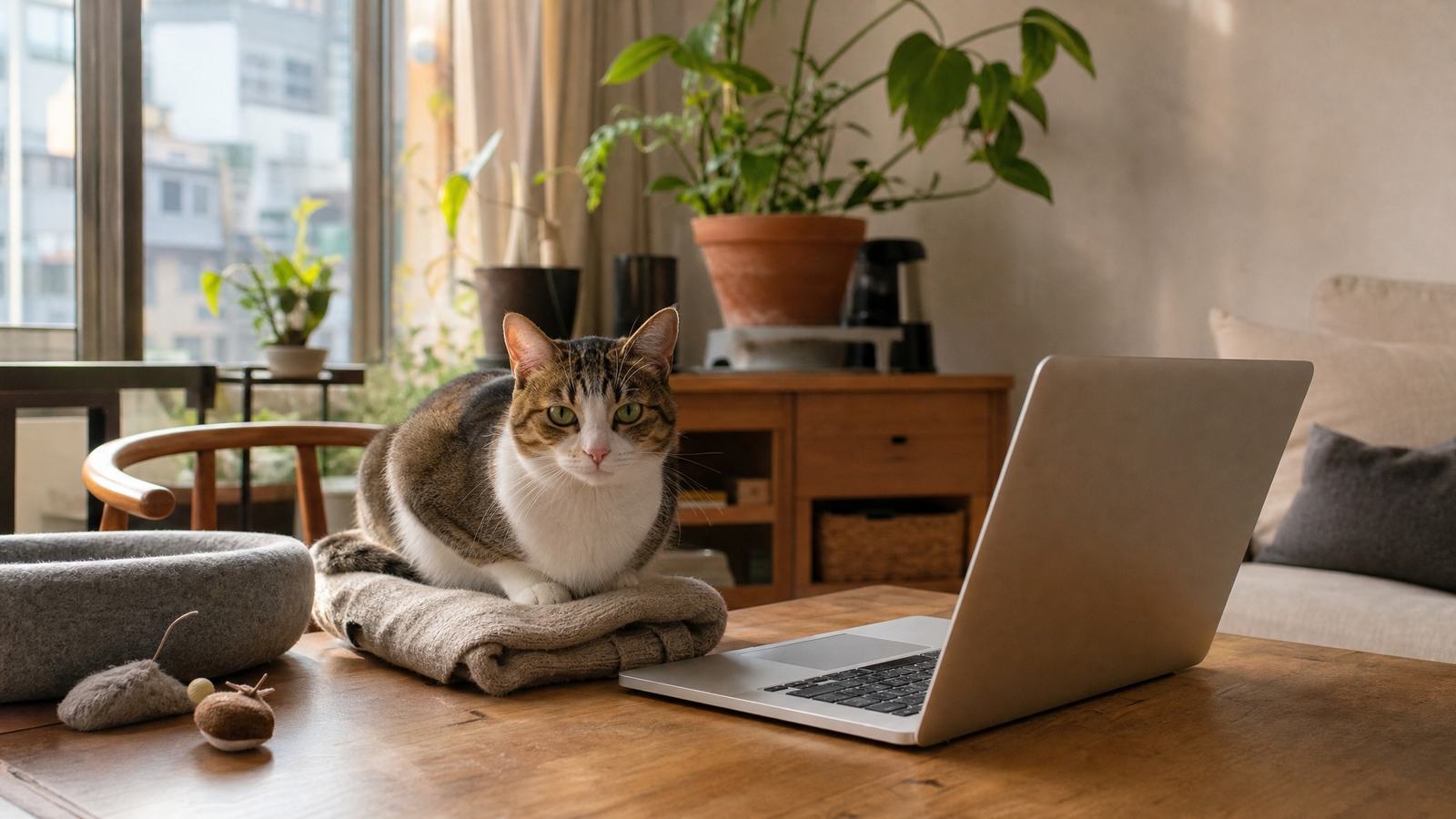
Do cats sit on your belongings to be mischievous? Many owners have experienced this: as soon as you open your laptop, your cat walks over and sits on the keyboard; you've just folded the laundry, and they immediately curl up on it; the bag by the door becomes their personal seat.
CatGarden Editorial TeamPublished 2026/06/13
Behavioral ScienceCat Psychology
Why Do Cats Love to Sit on Your Stuff? Understanding Scent, Security, and Attention-Seeking Behavior

Key takeaways

  • Cats often sit on keyboards, clothes, and bags not to be destructive, but due to factors like scent, security, temperature, texture, and a need for interaction.
  • Cats rely heavily on scent to understand their world. Familiar smells on clothes, blankets, bags, and chairs act as a signal of safety. This is why some cats prefer sleeping on worn clothes or bedding after their owners leave.
  • Keyboards offer warmth from laptops, clothes provide a soft texture, and bags have defined edges, all meeting a cat's preference for warm, soft places with boundaries or vantage points to observe human activity.
  • Cats leave their scent on items by rubbing their cheeks, chin, paws, and body. Sitting on bags, coats, or work items might be their way of incorporating these items with external scents into their familiar territory and ensuring they are safe.
  • Instead of punishment, offer alternatives: place cat beds or mats near your desk, sofa, or bed, and schedule regular interactive playtime, such as 10-15 minutes with a wand toy after dinner.

Do Cats Sit on Your Things to Be Mischievous?

Many owners have similar experiences: as soon as you open your laptop, your cat walks over and sits on the keyboard; you've just folded the laundry, and they immediately curl up on it; the bag by the door becomes their personal seat. These behaviors, which might seem like deliberate troublemaking, are usually not the cat provoking you. Instead, they are ways of getting closer to you, assessing their environment, or finding a comfortable spot.

The common reasons behind "cat-on-stuff" behavior are typically related to scent, security, temperature, texture, and the need for interaction. Unlike humans who might directly say, "I want to be with you" or "This makes me feel safe," cats express their state through their physical position. Understanding the reasons behind their actions can prevent you from mistaking them for intentional naughtiness.

Reason 1: Your Scent Makes Them Feel Secure

Cats rely heavily on scent to understand their world. Your clothes, blankets, bags, and chairs often carry familiar scents. To a cat, these scents act as a stable signal, indicating "This place is safe" and "This is a familiar person." Therefore, when they choose to sit on your belongings, it's likely because those items make them feel relaxed.

Especially in smaller urban homes in Taiwan, cats have limited activity space, and the scent of each item in the house is quite pronounced. During the humid and hot plum rain season or summer, changes in household scent and environment can make cats seek familiar smells to stabilize their emotions. This is also why some cats particularly love to sleep on your worn clothes or bed after you leave.

It's Not Just About Being Clingy; It Could Be Self-Soothing

Some cats appear independent but actually place a high value on security. When there are new pieces of furniture, new scents, visitors, or sudden changes in routine at home, they might exhibit the "cat-on-stuff" behavior more frequently. Sitting on items that carry your scent is a way for them to self-soothe.

If your cat also shows signs of hiding, decreased appetite, excessive grooming, or being easily startled, pay more attention to the source of stress. Simply sitting on clothes or bags usually isn't a cause for major concern, but if the behavior suddenly becomes more frequent, it's advisable to check if there have been any environmental changes. If necessary, consult a veterinarian familiar with cat behavior.

Reason 2: Keyboards, Clothes, and Bags Are Just the Right Spots for Cats

Cats have their own logic when choosing spots. They prefer places that are warm, soft, have a sense of boundary, or allow them to observe human activity. Keyboards benefit from the heat of a laptop, clothes offer a soft texture, and bags often have defined edges, making them suitable for cats to sit or lie on. What you consider your workspace, they might see as a perfectly cozy nest.

In many "cat-on-stuff" situations, it's not the importance of the item itself but the fact that the location perfectly meets their needs. The center of your desk allows them to be close to you, the side of a chair lets them observe the room, and freshly folded clothes are soft and clean. Cats repeatedly choose these places because they have had comfortable experiences there before.

The More You Use It, The More Important It Seems to Them

Cats also observe your attention. You stare at your keyboard, phone, or books every day, so they naturally notice these items are frequently touched by you. When they sit on them, and you immediately look at them, pet them, hold them, or talk to them, they might learn, "Sitting here gets me a reaction."

This doesn't mean they are scheming to cause trouble; rather, they are adept at learning from life experiences. For cats, human reactions themselves are a form of feedback. Over time, sitting on your things might become their fixed method for initiating interaction.

Reason 3: They Might Be Marking Territory or Seeking Attention

Cats have many scent glands on their cheeks, chin, paws, and body. When they rub against or sit on objects, they can leave their own scent. When they sit on your bag, coat, or work supplies, they might be incorporating these items into their familiar territory. This is how cats establish their boundaries; it's not necessarily about possessing you, but they are indeed declaring, "I recognize this."

If you have multiple cats, have recently moved, acquired new items, or you've just returned from outside, this marking behavior might be more pronounced. Bags and shoes often carry external scents, prompting cats to sniff, rub against, or sit on them. They aren't intentionally soiling your belongings but are assessing whether the foreign scent is safe.

When Seeking Attention, They Choose What You Care About Most

Some cats will sit on your keyboard, lie on your documents, or press on your phone when you're busy. This is often related to seeking attention. They might not intend to stop you from working but realize you haven't looked at them for a long time. When they interrupt what you're doing, you quickly react, which is very effective for them.

If you notice your cat always bothers you at specific times, such as during evening work, before meals, or before bed, it might be their way of reminding you that they need interaction or a routine. Instead of constantly moving them away, it's better to schedule regular playtime and companionship. The frequency of them sitting on your things often decreases naturally once their needs are met.

How to Improve? Redirect Them with Cat Beds, Mats, and Scheduled Interaction Time

To improve your cat's habit of sitting on your belongings, the key is not punishment but providing a more attractive alternative. You can place a cat bed, a sleeping mat, or a small blanket near your desk, sofa, or bed. This allows them to stay close to you without having to sit on your keyboard or clothes. Choose locations near areas they already frequent; success rates will be higher than placing them in a corner.

Material is also important. Taiwan's summers are muggy, so overly thick beds might deter cats; during winter or in air-conditioned rooms, soft and warm mats are more popular. During the plum rain season, pay attention to whether the fabric easily becomes damp or retains odors, as cats are sensitive to smells. Regular cleaning and keeping things dry will make them more willing to use their own resting areas.

Change "Don't Sit Here" to "You Can Sit There"

When your cat sits on your keyboard or clean clothes, gently guide them to a nearby mat and offer positive reinforcement with pets, treats, or toys. Avoid loud scolding, as nervousness can actually increase their need for security. Your goal is to make them feel that the alternative location is also comfortable and provides companionship.

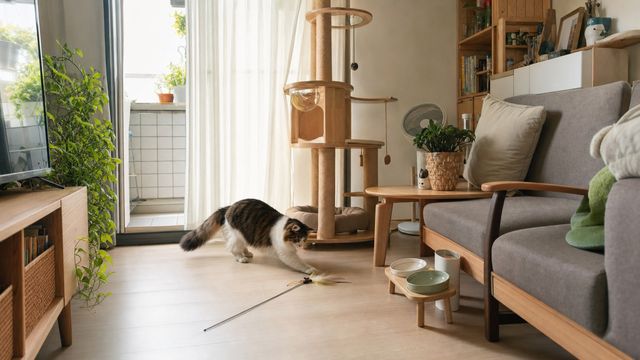
Scheduling regular interaction time each day is also helpful, such as playing with a feather wand for 10 to 15 minutes after dinner, followed by a treat or rest. Consistent interaction can reduce the likelihood of cats using disruptive methods to seek attention. When they know you will spend time with them at fixed intervals, sitting on your things is less likely to become their only effective communication method.

FAQ

Does my cat constantly sit on the keyboard because they want to stay warm?

Possibly. Laptop keyboards and the area around the desk often generate heat, and you sitting there for extended periods makes it a warm and secure spot for your cat. However, if they only appear when you're working, it might also be a bid for attention.

Does my cat sitting on freshly washed clothes mean they dislike the laundry detergent scent?

Not necessarily. They might enjoy the soft texture of the clothes, or they might want to leave their own scent on the clean laundry. It's recommended to use laundry products with mild scents and store folded clothes in a closet to reduce opportunities for them to sit on them repeatedly.

Can I just shoo my cat away?

You can move them, but it's not recommended to scare, scold, or hit them. A better approach is to guide them to a nearby cat bed or mat and reward them when they use the alternative spot. This is more effective for establishing stable habits.

Does my cat sitting on things require a vet visit?

Simply enjoying sitting on clothes, bags, or keyboards is usually normal behavior. If it's accompanied by changes in appetite, abnormal urination, sudden aggression, hiding, or decreased activity, it's advisable to consult a veterinarian promptly. Sudden behavioral changes can sometimes be related to stress or physical discomfort.

Give Your Cat Better Choices, and Make Your Life Easier

Cats sitting on your belongings are usually not being deliberately mischievous but are seeking scent, security, a comfortable spot, or your attention. Instead of constantly stopping them, prepare suitable cat beds, sleeping mats, scratching posts, toys, and daily necessities to give them better options. CatGarden offers a selection of cat products suitable for Taiwanese homes and daily care needs, covering resting, grooming, and interactive companionship, ensuring your cat's comfort and reducing owner stress.

Further Reading

CatGarden offers curated supplies, cat boarding, and grooming

Book services or shop online.
Back

Blog

Why Do Cats Love to Sit on Your Stuff? Understanding Scent, Security, and Attention-Seeking Behavior

CatGarden Editorial TeamPublished 2026/06/13
Behavioral ScienceCat Psychology
Why Do Cats Love to Sit on Your Stuff? Understanding Scent, Security, and Attention-Seeking Behavior

Key takeaways

  • Cats often sit on keyboards, clothes, and bags not to be destructive, but due to factors like scent, security, temperature, texture, and a need for interaction.
  • Cats rely heavily on scent to understand their world. Familiar smells on clothes, blankets, bags, and chairs act as a signal of safety. This is why some cats prefer sleeping on worn clothes or bedding after their owners leave.
  • Keyboards offer warmth from laptops, clothes provide a soft texture, and bags have defined edges, all meeting a cat's preference for warm, soft places with boundaries or vantage points to observe human activity.
  • Cats leave their scent on items by rubbing their cheeks, chin, paws, and body. Sitting on bags, coats, or work items might be their way of incorporating these items with external scents into their familiar territory and ensuring they are safe.
  • Instead of punishment, offer alternatives: place cat beds or mats near your desk, sofa, or bed, and schedule regular interactive playtime, such as 10-15 minutes with a wand toy after dinner.

Do Cats Sit on Your Things to Be Mischievous?

Many owners have similar experiences: as soon as you open your laptop, your cat walks over and sits on the keyboard; you've just folded the laundry, and they immediately curl up on it; the bag by the door becomes their personal seat. These behaviors, which might seem like deliberate troublemaking, are usually not the cat provoking you. Instead, they are ways of getting closer to you, assessing their environment, or finding a comfortable spot.

The common reasons behind "cat-on-stuff" behavior are typically related to scent, security, temperature, texture, and the need for interaction. Unlike humans who might directly say, "I want to be with you" or "This makes me feel safe," cats express their state through their physical position. Understanding the reasons behind their actions can prevent you from mistaking them for intentional naughtiness.

Reason 1: Your Scent Makes Them Feel Secure

Cats rely heavily on scent to understand their world. Your clothes, blankets, bags, and chairs often carry familiar scents. To a cat, these scents act as a stable signal, indicating "This place is safe" and "This is a familiar person." Therefore, when they choose to sit on your belongings, it's likely because those items make them feel relaxed.

Especially in smaller urban homes in Taiwan, cats have limited activity space, and the scent of each item in the house is quite pronounced. During the humid and hot plum rain season or summer, changes in household scent and environment can make cats seek familiar smells to stabilize their emotions. This is also why some cats particularly love to sleep on your worn clothes or bed after you leave.

It's Not Just About Being Clingy; It Could Be Self-Soothing

Some cats appear independent but actually place a high value on security. When there are new pieces of furniture, new scents, visitors, or sudden changes in routine at home, they might exhibit the "cat-on-stuff" behavior more frequently. Sitting on items that carry your scent is a way for them to self-soothe.

If your cat also shows signs of hiding, decreased appetite, excessive grooming, or being easily startled, pay more attention to the source of stress. Simply sitting on clothes or bags usually isn't a cause for major concern, but if the behavior suddenly becomes more frequent, it's advisable to check if there have been any environmental changes. If necessary, consult a veterinarian familiar with cat behavior.

Reason 2: Keyboards, Clothes, and Bags Are Just the Right Spots for Cats

Cats have their own logic when choosing spots. They prefer places that are warm, soft, have a sense of boundary, or allow them to observe human activity. Keyboards benefit from the heat of a laptop, clothes offer a soft texture, and bags often have defined edges, making them suitable for cats to sit or lie on. What you consider your workspace, they might see as a perfectly cozy nest.

In many "cat-on-stuff" situations, it's not the importance of the item itself but the fact that the location perfectly meets their needs. The center of your desk allows them to be close to you, the side of a chair lets them observe the room, and freshly folded clothes are soft and clean. Cats repeatedly choose these places because they have had comfortable experiences there before.

The More You Use It, The More Important It Seems to Them

Cats also observe your attention. You stare at your keyboard, phone, or books every day, so they naturally notice these items are frequently touched by you. When they sit on them, and you immediately look at them, pet them, hold them, or talk to them, they might learn, "Sitting here gets me a reaction."

This doesn't mean they are scheming to cause trouble; rather, they are adept at learning from life experiences. For cats, human reactions themselves are a form of feedback. Over time, sitting on your things might become their fixed method for initiating interaction.

Reason 3: They Might Be Marking Territory or Seeking Attention

Cats have many scent glands on their cheeks, chin, paws, and body. When they rub against or sit on objects, they can leave their own scent. When they sit on your bag, coat, or work supplies, they might be incorporating these items into their familiar territory. This is how cats establish their boundaries; it's not necessarily about possessing you, but they are indeed declaring, "I recognize this."

If you have multiple cats, have recently moved, acquired new items, or you've just returned from outside, this marking behavior might be more pronounced. Bags and shoes often carry external scents, prompting cats to sniff, rub against, or sit on them. They aren't intentionally soiling your belongings but are assessing whether the foreign scent is safe.

When Seeking Attention, They Choose What You Care About Most

Some cats will sit on your keyboard, lie on your documents, or press on your phone when you're busy. This is often related to seeking attention. They might not intend to stop you from working but realize you haven't looked at them for a long time. When they interrupt what you're doing, you quickly react, which is very effective for them.

If you notice your cat always bothers you at specific times, such as during evening work, before meals, or before bed, it might be their way of reminding you that they need interaction or a routine. Instead of constantly moving them away, it's better to schedule regular playtime and companionship. The frequency of them sitting on your things often decreases naturally once their needs are met.

How to Improve? Redirect Them with Cat Beds, Mats, and Scheduled Interaction Time

To improve your cat's habit of sitting on your belongings, the key is not punishment but providing a more attractive alternative. You can place a cat bed, a sleeping mat, or a small blanket near your desk, sofa, or bed. This allows them to stay close to you without having to sit on your keyboard or clothes. Choose locations near areas they already frequent; success rates will be higher than placing them in a corner.

Material is also important. Taiwan's summers are muggy, so overly thick beds might deter cats; during winter or in air-conditioned rooms, soft and warm mats are more popular. During the plum rain season, pay attention to whether the fabric easily becomes damp or retains odors, as cats are sensitive to smells. Regular cleaning and keeping things dry will make them more willing to use their own resting areas.

Change "Don't Sit Here" to "You Can Sit There"

When your cat sits on your keyboard or clean clothes, gently guide them to a nearby mat and offer positive reinforcement with pets, treats, or toys. Avoid loud scolding, as nervousness can actually increase their need for security. Your goal is to make them feel that the alternative location is also comfortable and provides companionship.

Scheduling regular interaction time each day is also helpful, such as playing with a feather wand for 10 to 15 minutes after dinner, followed by a treat or rest. Consistent interaction can reduce the likelihood of cats using disruptive methods to seek attention. When they know you will spend time with them at fixed intervals, sitting on your things is less likely to become their only effective communication method.

FAQ

Does my cat constantly sit on the keyboard because they want to stay warm?

Possibly. Laptop keyboards and the area around the desk often generate heat, and you sitting there for extended periods makes it a warm and secure spot for your cat. However, if they only appear when you're working, it might also be a bid for attention.

Does my cat sitting on freshly washed clothes mean they dislike the laundry detergent scent?

Not necessarily. They might enjoy the soft texture of the clothes, or they might want to leave their own scent on the clean laundry. It's recommended to use laundry products with mild scents and store folded clothes in a closet to reduce opportunities for them to sit on them repeatedly.

Can I just shoo my cat away?

You can move them, but it's not recommended to scare, scold, or hit them. A better approach is to guide them to a nearby cat bed or mat and reward them when they use the alternative spot. This is more effective for establishing stable habits.

Does my cat sitting on things require a vet visit?

Simply enjoying sitting on clothes, bags, or keyboards is usually normal behavior. If it's accompanied by changes in appetite, abnormal urination, sudden aggression, hiding, or decreased activity, it's advisable to consult a veterinarian promptly. Sudden behavioral changes can sometimes be related to stress or physical discomfort.

Give Your Cat Better Choices, and Make Your Life Easier

Cats sitting on your belongings are usually not being deliberately mischievous but are seeking scent, security, a comfortable spot, or your attention. Instead of constantly stopping them, prepare suitable cat beds, sleeping mats, scratching posts, toys, and daily necessities to give them better options. CatGarden offers a selection of cat products suitable for Taiwanese homes and daily care needs, covering resting, grooming, and interactive companionship, ensuring your cat's comfort and reducing owner stress.

Further Reading

One email a month of cat-care tips

Hand-picked care, behavior and grooming tips once a month. Subscribe and we will send you our three most-read articles right away.

Keep reading