What to Do When Multiple Cats Fight and Urinate Inappropriately? Check Litter Boxes, Food Bowls, and Resting Routes First
What to do when multiple cats fight and urinate inappropriately? Check litter boxes, food bowls, and resting routes first. Fights in multi-cat households aren't always due to dislike; first, assess resource pressure. Hissing, chasing, blocking paths, or sudden inappropriate urination in multi-cat homes don't necessarily mean the cats dislike each other.
Key takeaways
- For multi-cat households, the common recommendation for litter box quantity is 'number of cats plus one'. For example, two cats need at least three litter boxes, and three cats need at least four. This gives each cat choices, preventing them from feeling stressed about queuing or facing the risk of being blocked when using the toilet.
- Litter boxes should not all be concentrated in one corner. If they are all placed on the balcony or in the bathroom, it's like having only one toilet area for the cats. A dominant cat can guard the entrance, causing stress for other cats. Also, avoid placing them near washing machines, behind doors, or at the end of narrow corridors where they might be easily startled.
- Taiwan's high humidity in summer and during the plum rain season can cause litter boxes to develop a stuffy odor and clumps to become loose. It's recommended to scoop the litter at least once or twice daily, and regularly replenish, change, and clean the litter box itself.
- If a cat exhibits frequent urination, bloody urine, prolonged squatting without urinating, crying while urinating, or if a male cat appears unable to urinate, seek veterinary attention immediately. Urinary tract infections, crystals, pain, kidney problems, or stress cystitis can all cause a cat to suddenly change its urination behavior, and simply changing the litter box is not enough observation.
- When making environmental adjustments, change only one or two things at a time and observe the cat's reaction. If the litter box, food bowls, and cat beds are all moved simultaneously, it can cause new stress. For multi-cat households that have been tense for a while, behavioral improvements typically take weeks to months to gradually stabilize.
What to Do When Multiple Cats Fight and Urinate Inappropriately? Check Litter Boxes, Food Bowls, and Resting Routes
Fights in Multi-Cat Households Aren't Always Due to Dislike; First, Assess Resource Pressure
Hissing, chasing, blocking paths, or sudden inappropriate urination in multi-cat households don't necessarily mean the cats dislike each other. Often, the problem stems from "insufficient resources to share" or "routes that make cats feel pressured." Cats are sensitive to space, scent, and safe distances. When paths they must use daily are easily blocked, tension can slowly build.
Especially in common urban small homes in Taiwan, the living room, hallway, and doorway might simultaneously be routes for eating, using the litter box, and resting. If one cat is more dominant, the other might choose to endure or hide, eventually expressing stress through inappropriate urination, excessive grooming, or a poor appetite. Checking the environmental setup first is usually more helpful than rushing to conclude "they just don't get along."
What we use for this
CatGarden’s own products, shipped from Taiwan Premium CatnipFrom CA$36.65 per jarFree shipping on multi-packs
How to Place Litter Boxes? Check Quantity, Location, and Cleaning Frequency First
The most commonly overlooked issue in multi-cat households is an insufficient number of litter boxes. The common recommendation is "number of cats plus one." For example, two cats need at least three litter boxes, and three cats need at least four. This isn't about taking up space but giving each cat a choice, so they don't have to queue under pressure or risk being blocked from entering the litter box area.
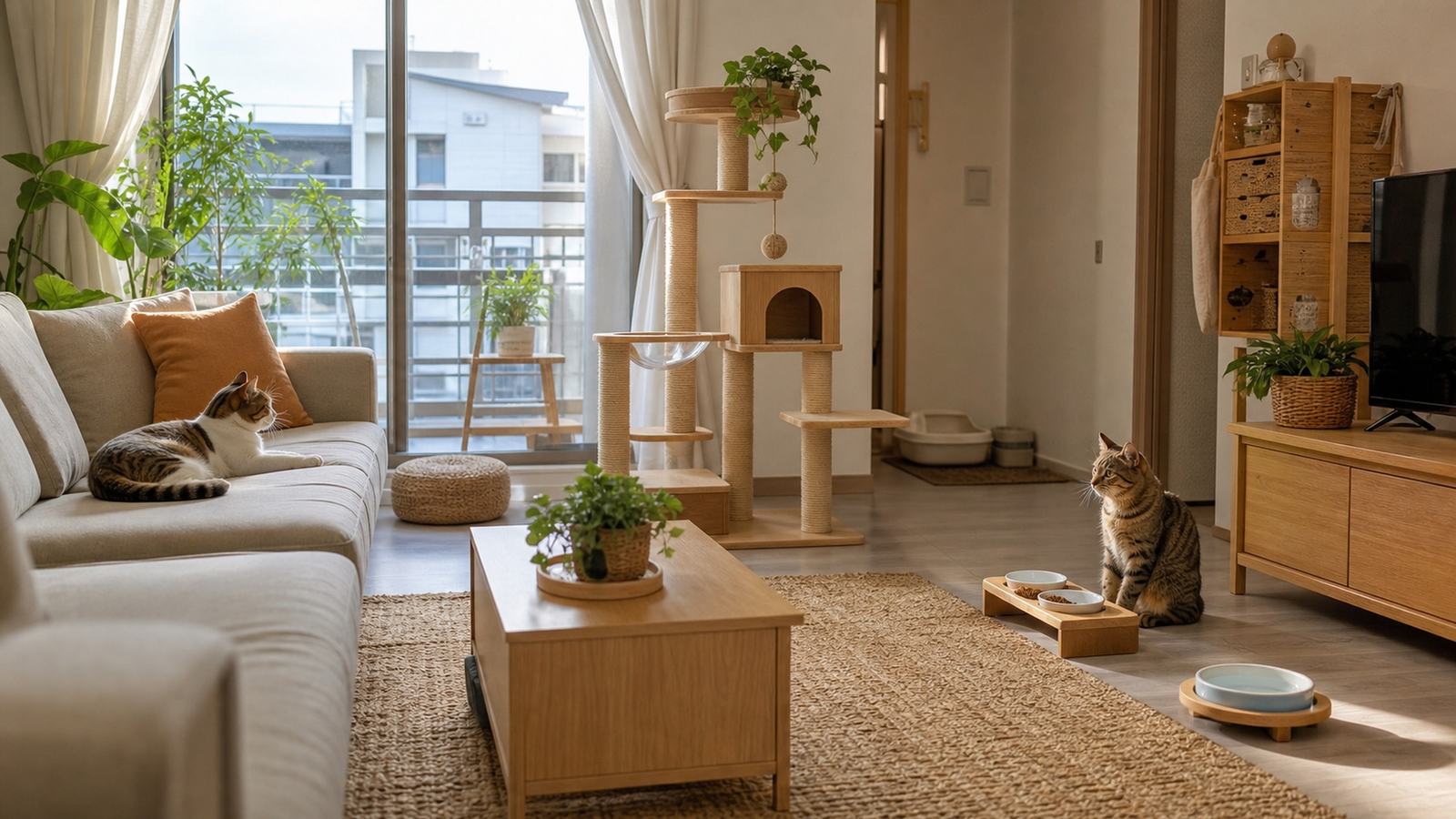
Litter box placement is also crucial. Try not to cluster them all in one corner. If all litter boxes are on the balcony or in the bathroom, it's essentially only one toilet area for the cats. A dominant cat only needs to guard the entrance, and other cats will feel stressed. You can distribute them in different rooms or along different routes, and avoid placing them near washing machines, behind doors, or at the end of narrow corridors where they might be startled.
Cleaning Frequency Directly Affects the Likelihood of Inappropriate Urination
Taiwan's high humidity during summer and the rainy season can make litter boxes smell stuffy, and clumps might become loose. It's recommended to scoop the litter at least once or twice daily, replenish and change the litter regularly, and wash the litter box itself. If your cats suddenly start urinating on the bed, sofa, or floor mats, first check if the litter box is too dirty, too small, too enclosed, or if you recently switched to a litter they dislike.
Food Bowls, Water Bowls, and Resting Areas: Prevent Cats from Being Blocked or Stared At While Eating
Don't place food bowls in a single row in a multi-cat household, as this forces cats to eat very close to each other. Some cats might seem to eat well together, but they are actually just nervously finishing their meal quickly and leaving. A better approach is to space out the food bowls, or even place them in different rooms or at different heights, allowing slower eaters, timid cats, or older cats to eat peacefully.
It's also recommended to have multiple water bowls placed in different locations, not just next to the food bowls. Cats sometimes prefer water bowls of different materials, depths, or locations. Having several options can increase their water intake and reduce stress when they encounter each other. If you have a pet water fountain, still provide a few water bowls in quiet corners to prevent one cat from monopolizing the main water source.
Resting Spots Should Offer Height and an Escape Route
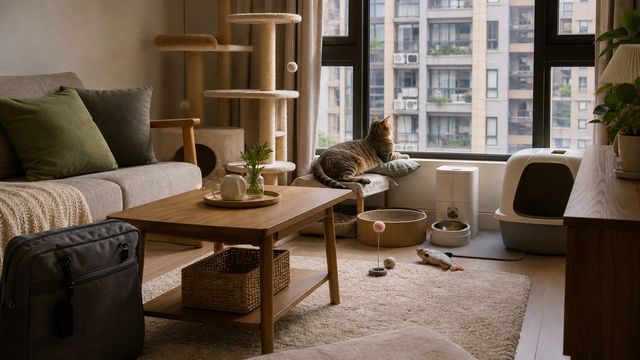
Cats like high places not just out of curiosity but because height provides a sense of security. You can set up cat trees, window perches, shelf resting spots, or cardboard box dens to give cats of different personalities their own space. The key is that resting spots shouldn't have only a single entrance or exit, otherwise, when one cat approaches, the other might feel trapped.
When Chasing, Hissing, or Urinating Inappropriately at Night, When Should You See a Vet?
Nighttime chasing isn't always fighting; sometimes, it's just young cats with excess energy or insufficient activity during the day. However, if after chasing, you notice fur pulled out, scratches, hiding, or continuous hissing and growling, treat it as a stress signal. Conflicts in multi-cat households often don't erupt suddenly but escalate gradually through staring, blocking paths, and ambushing.
Inappropriate urination should never be dismissed as revenge or deliberate misbehavior. Urinary tract infections, crystals, pain, kidney problems, or stress cystitis can all cause cats to suddenly change their urination habits. If you observe frequent urination, blood in the urine, prolonged squatting without urinating, crying while urinating, or if a male cat appears unable to urinate, seek veterinary attention immediately. These situations cannot be resolved by simply changing litter boxes.
Rule Out Medical Issues First, Then Adjust Behavior and Environment
If a veterinary examination reveals no obvious illness, then revisit the litter boxes, food bowls, water bowls, resting areas, and cat interactions. This approach helps ensure you don't miss the actual cause of illness and prevents mistaking pain for a bad temper. Behavioral improvement takes time, especially when a multi-cat household has been tense for a while; it usually takes weeks to months to stabilize.
Multi-Cat Household Daily Improvement Checklist: Start with Small Adjustments, Don't Change Everything at Once
Environmental adjustments don't need to be redone all in one day. Instead, it's recommended to change one or two things at a time and observe the cats' reactions. Cats value familiarity. If litter boxes, food bowls, and cat beds are all moved simultaneously, it can cause new stress. You can start with the most easily blocked resources, such as adding an open-top litter box or dividing food bowls into different corners.
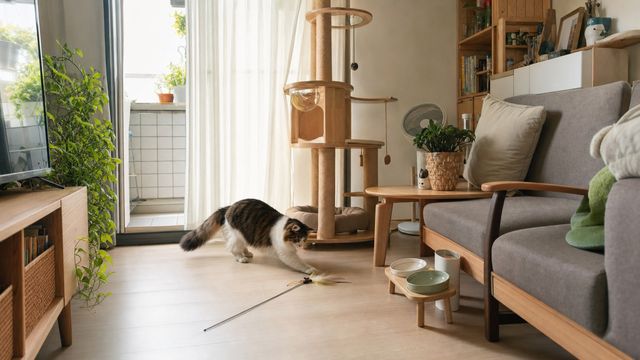
You can also schedule short interactive play sessions daily to give energetic cats an outlet. Wand toys, snuffle mats, and puzzle feeders can reduce boredom-induced chasing and harassment. If your home has limited space, vertical space can be very helpful. Wall shelves, window platforms, and sturdy cat trees can prevent cats from constantly having to confront each other at ground level.
- Litter Boxes: Sufficient quantity, scattered placement, daily cleaning, avoid single entry points.
- Food Bowls: Spaced apart to allow each cat to eat peacefully without being too close.
- Water: Placed in multiple locations, considering different materials and quiet spots.
- Resting Areas: Provide high places, hiding spots, and escape routes.
- Observation: Record conflict times, locations, and triggers to help identify stress sources.
FAQ
Does every cat in a multi-cat household need their own room?
Not necessarily. The key isn't the number of rooms but whether resources are distributed and routes are safe. Even in a small home, conflicts can be reduced if litter boxes, food bowls, water bowls, and resting areas are arranged well.
Cats chasing each other, how to distinguish playing from fighting?
Playing usually involves reciprocal chasing, relaxed body language, and normal eating and resting afterward. Fighting or stressful conflicts often involve one-sided chasing, hissing, growling, puffed-up fur, hiding, and even injuries or inappropriate urination.
Will simply adding more litter boxes solve inappropriate urination?
Not necessarily. Increasing the number of litter boxes is an important check, but you also need to rule out urinary tract diseases, pain, stress sources, and litter preferences. If there is blood in the urine, frequent urination, or inability to urinate, see a vet first.
After a new cat joins, the resident cat becomes aggressive. What to do?
First, reduce the intensity of their interactions. Let them re-adapt through scent, under doors, and short supervised meetings. Don't rush to have the two cats share litter boxes and food bowls immediately. The sooner resources are separated, the less territorial stress there will be.
Conclusion: Arrange Resources Properly, and Cat Relationships Have a Chance to Relax
The daily stability of a multi-cat household often comes from many small details: clean and easily accessible litter boxes, food bowls that aren't stared at, sufficient water sources, and quiet corners for peaceful rest. If you want to reorganize your home environment for your cats, you can start by choosing litter boxes, food bowls, water bowls, cat beds, cat trees, and cleaning supplies. CatGarden offers a variety of practical cat products suitable for Taiwanese home care situations, helping you gradually transform your home into a more comfortable living space for your cats.
Further Reading
- Is Your Cat Playing or Fighting? 5 Relationship Signals and Intervention Times for Multi-Cat Homes
- New Cat, Old Cat: What to Do? Vet-Approved "Gradual Introduction Method" in 5 Steps for a Harmonious Multi-Cat Household!
- Why Does My Cat Keep Knocking Over Water Bowls? First, Distinguish Between Playing, Wrong Placement, or Stress
CatGarden offers curated supplies, cat boarding, and grooming
Book services or shop online.