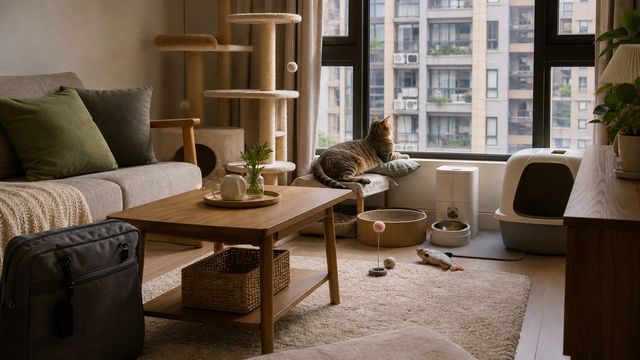
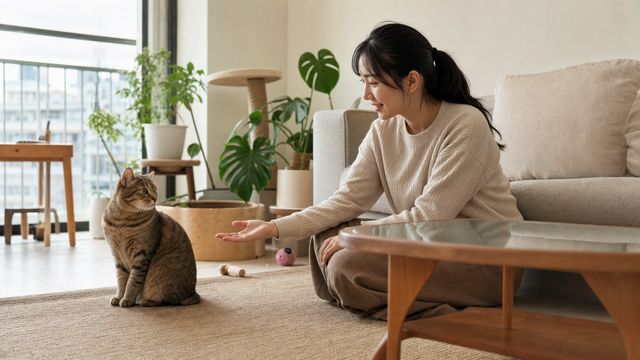
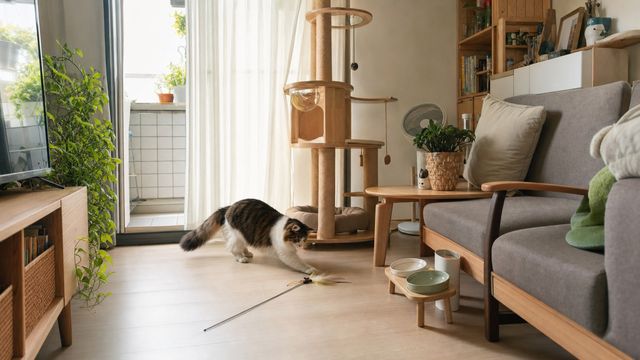
What to Do When Your Cat Keeps Knocking Over Their Water Bowl? First, Determine if It's Play, Wrong Placement, or Stress
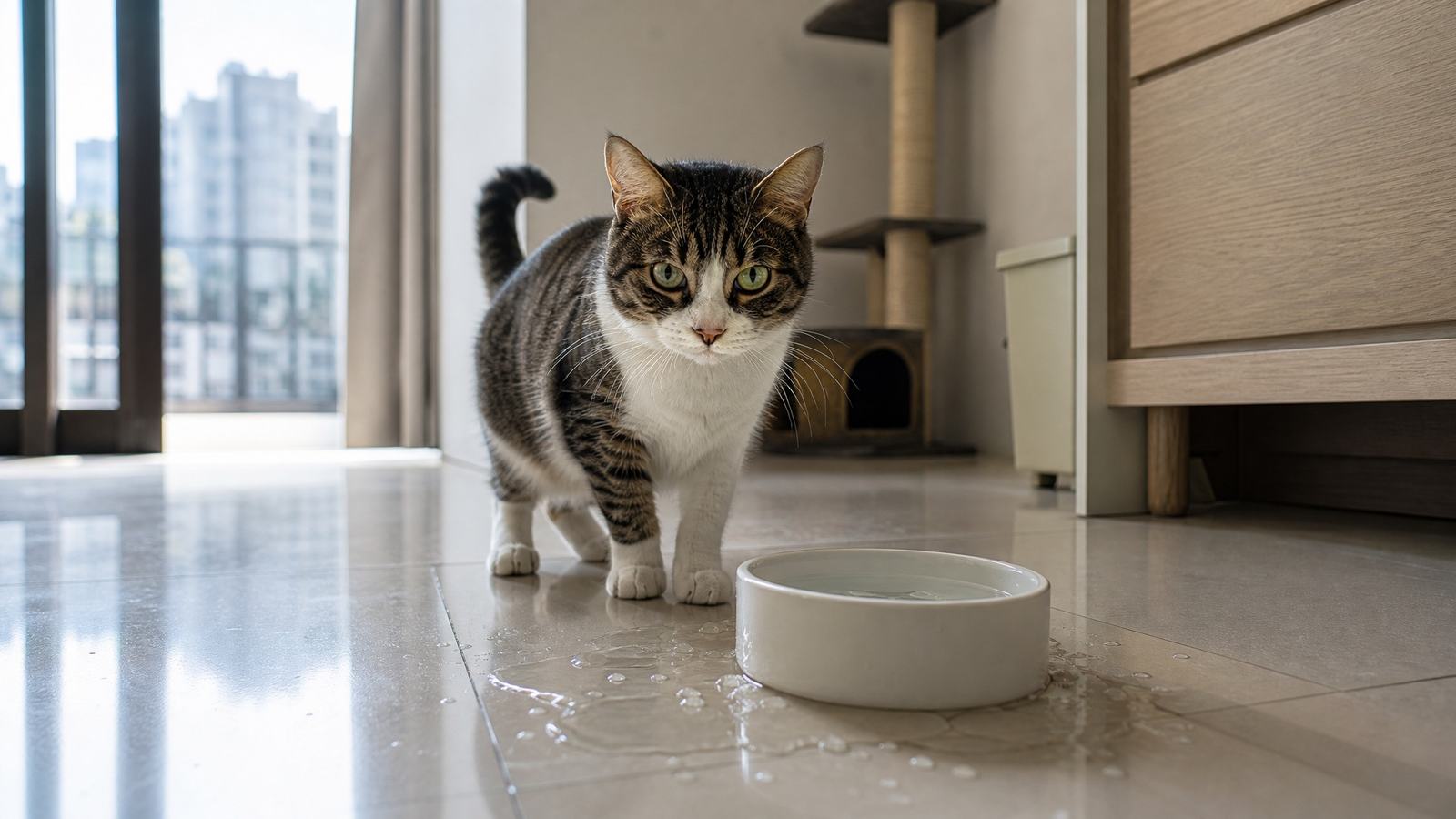
Does your cat knock over their water bowl out of mischief or is there a reason behind it? Seeing the floor wet again, many owners' first reaction is to think the cat is being naughty. In reality, a cat tipping over water isn't necessarily them intentionally causing trouble; it could be related to a poorly designed water bowl, an insecure placement, or them expressing stress through their behavior.
Key takeaways
- The three main common behavioral reasons cats knock over water bowls are: finding water fun (especially young cats interested in flowing, reflective, or rippling water), boredom or lack of energy outlet, and stress (moving, renovations, new family members, cat conflicts, or a startling event near the water bowl).
- Water bowl material and stability directly affect the likelihood of tipping: lightweight plastic bowls are easily shifted with a paw, and narrow bases are more prone to tipping; ceramic, stainless steel, or bowls with non-slip bases are generally more stable than lightweight plastic ones.
- Water bowl placement should avoid areas near litter boxes, corners, doorways, and high-traffic walkways; it's recommended to place water in two to three dispersed locations around the house, such as a quiet corner in the living room, near a cat tree, or in a well-ventilated bedroom, to prevent the cat from going without water all day if one bowl is tipped.
- After adjusting supplies or locations, observe for one to two weeks; avoid changing too many things in one day, as it will be difficult to determine which change was effective. For cats wary of new supplies, you can initially place the new water bowl next to the old one and remove the old bowl once the cat is willing to use the new one.
- If knocking over water is accompanied by a sudden increase in water intake, increased urination, weight loss, changes in appetite, lethargy, vomiting, frequent urination, blood in urine, obvious dehydration, or unsteady gait, it should not be treated solely as a behavioral issue; consult a veterinarian promptly.
Cat Knocks Over Water Bowl: Mischief or a Deeper Reason?
Seeing the floor wet again, many owners' first reaction is to think the cat is being naughty. In reality, cats knocking over water isn't necessarily them intentionally causing trouble; it could be related to a poorly designed water bowl, an insecure placement, or them expressing stress through their behavior. Don't rush to scold them, as punishment usually only makes cats more anxious and can even make drinking more difficult.
Taiwanese homes are often small with tight layouts. Coupled with the high humidity during the rainy season or summer, a tipped water bowl can easily make floors slippery, cause mats to mold, and be a headache for owners. If your cat occasionally splashes water versus consistently tipping the bowl over every day, the approach will differ. It's recommended to first observe the time and location of the incident, whether people or other pets were nearby, and then systematically rule out potential causes.
What we use for this
CatGarden’s own products, shipped from Taiwan Premium CatnipFrom CA$36.65 per jarFree shipping on multi-packs
First, Check the Water Bowl Material, Height, and Placement
Many instances of cats knocking over water can actually find clues within the water bowl itself. Lightweight plastic bowls can easily shift with a paw swipe, and bowls with narrow bases are more prone to tipping. Some cats dislike their whiskers touching the sides of the bowl and may use their paws to test the water depth, which over time can turn into pushing or tipping the bowl.
In terms of materials, ceramic, stainless steel, or bowls with non-slip bases are generally more stable than lightweight plastic ones. The height should also consider the cat's size and habits; too low might make older cats uncomfortable bending down, while too high could make it difficult for kittens or short-legged cats to drink. If your home has tile or wood flooring, you can place an absorbent mat underneath, but the key is still to ensure the bowl itself doesn't slide easily.
Placement is equally important. Water bowls should not be placed next to the litter box, nor should they be tucked into corners, near doorways, or in high-traffic walkways. Cats need a sense of security when drinking. If they are constantly disturbed by people, children, dogs, or other cats passing by, they might splash water or push the bowl to test the environment, or simply avoid drinking altogether.
Playfulness, Boredom, Stress: Three Common Behavioral Reasons
The first reason is simply finding water fun. Some cats are naturally interested in flowing water, reflections, or ripples on the water's surface, especially younger cats who might treat the water bowl as a toy. They might start by dipping their front paws in the water and then pushing the bowl outwards, eventually leading to it being completely tipped over.
The second reason is boredom or a lack of outlets for their energy. Cats living in small urban apartments, if they lack sufficient interaction and environmental stimulation during the day, may find their own activities. In this case, cats knocking over water isn't just about drinking; it's also a reminder to the owner: they need more play, climbing opportunities, simulated hunting experiences, and activities that help expend energy.
The third reason is related to stress. Moving house, renovations, the addition of a new family member, conflicts with other cats, or a frightening experience near the water bowl can all cause a cat to feel uneasy about that location. If your cat quickly splashes water, looks around nervously, has their tail tucked low, or drinks a few sips and runs away upon approaching the water bowl, stress factors must be considered.
How to Reduce the Chance of Tipping? Start by Adjusting Movement and Supplies
To reduce the likelihood of cats knocking over water, the first step is to switch to stable, wide-mouthed bowls with weighted bases. Consider wide ceramic bowls, non-slip stainless steel bowls, or water dispensers with larger bases. If your cat loves to splash water, avoid bowls that are too shallow, too light, or have edges where claws can easily get stuck.
The second step is to adjust the placement. Water stations can be spread across two to three locations in the home, such as a quiet corner in the living room, near a cat tree, or in a well-ventilated spot in the bedroom, but not next to the litter box or food bowl. Multiple water points allow the cat to choose a secure location and prevent them from going without water all day if one bowl is tipped over.
- Use a non-slip mat: Reduces sliding of the water bowl on tile floors and helps absorb minor spills.
- Switch to a water fountain: Suitable for cats who enjoy flowing water and splashing to test it, but requires regular cleaning of the filter and reservoir.
- Increase playtime: Schedule daily sessions with wand toys, puzzle feeders, or create climbing routes to provide an outlet for energy.
- Avoid stressful areas: Do not place water bowls near doors, washing machines, the path of robot vacuums, or in locations where other cats might block access.
After making adjustments, it's recommended to observe for one to two weeks. Avoid changing too many things in a single day, as it will be difficult to determine which change was effective. If your cat is initially wary of new supplies, you can place the new water bowl next to the old one and let them approach it on their own. Once they are willing to use it, gradually remove the old, easily tipped bowl.
When Should You Suspect Health Issues or Need to See a Vet?
If it's just playful splashing or an unstable bowl, adjustments to supplies and placement will usually resolve the issue. However, if cats knocking over water is accompanied by a sudden increase in drinking, increased urination, weight loss, or changes in appetite, it should not be treated solely as a behavioral problem. The cat might be approaching the water bowl more frequently due to increased thirst, and their actions might be hurried, anxious, or uncomfortable, making them more likely to tip it over.
Additionally, if an older cat suddenly starts knocking over their water bowl, pay attention to potential joint pain, declining vision, or neurological coordination issues. They might not be intentionally tipping it, but rather experiencing instability while bending down to drink or having difficulty seeing the water surface. In such cases, recording a video for your veterinarian can help determine if the cause is behavioral, environmental, or physical.
If you notice lethargy, vomiting, frequent urination, blood in urine, obvious dehydration, unsteady gait, or abnormal drinking and urination habits for several consecutive days, it is recommended to schedule a veterinary check-up as soon as possible. Do not attempt home remedies found online, and do not restrict water intake due to inconvenience. For cats, a stable and clean water source is a crucial part of their daily care.
FAQ
My cat keeps pawing at the water, do they dislike the bowl?
Possibly. Your cat might dislike bowls that are too deep, too narrow, have a strong odor from the material, or are uncomfortable because their whiskers touch the edges. They might also simply be trying to confirm the water level, which is more common with clear bowls or when the water surface reflection is unclear.
Can I just switch to a water fountain if my cat knocks over their water?
You can try, but don't suddenly remove the old water bowl entirely. Some cats prefer running water, while others might be scared of the motor noise. It's recommended to place the new fountain alongside the existing water bowl first, ensure they actually drink from it, and then gradually phase out the old bowl.
Is it okay to place the water bowl next to the food bowl?
Not all cats mind, but many prefer their water and food to be separate. If your cat frequently pushes their water bowl or drinks little, it's advisable to move the water station to a quiet and clean location. Spreading out water points is usually more ideal than having just one.
Should I scold my cat for knocking over their water?
It's not recommended. Scolding them usually won't make them understand that the water bowl shouldn't be tipped, and it might cause them to associate drinking with stress. More effective approaches include switching to a stable water bowl, improving placement, and increasing play and environmental enrichment.
Conclusion CTA
If you're dealing with cats knocking over water, drinking less, or constantly pushing their water bowls around, you can start by adjusting to stable water bowls, non-slip mats, water fountains, and other daily cat supplies. CatGarden offers a variety of cat products suitable for Taiwanese homes, including options for hydration, cleaning, travel, and general care, allowing you to gradually find the best configuration based on your cat's personality and your living space.
Further Reading
CatGarden offers curated supplies, cat boarding, and grooming
Book services or shop online.