What to Do When Your Cat Goes Wild in the Middle of the Night? 3 Major Reasons and Pre-Sleep Adjustments Every Owner Should Know
Cats are crepuscular animals, with peak activity naturally occurring at dawn and dusk. However, if they lack sufficient environmental stimulation and play during the day, their energy can erupt in the middle of the night. During their experience boarding cats, CatGarden observed that daytime interaction richness
Cats are crepuscular animals, with peak activity naturally occurring at dawn and dusk. However, if they lack sufficient environmental stimulation and play during the day, their energy can erupt in the middle of the night. During their experience boarding cats, CatGarden observed that daytime interaction richness has a greater impact on nighttime behavior than simply adjusting the sleeping environment. Here are three major reasons for nighttime zoomies, along with pre-sleep interaction adjustments and health red flags to watch out for, to help you find the right approach to managing your cat's nighttime activity.
Key takeaways
- Cats are crepuscular (most active at dawn and dusk). A lack of environmental stimulation and play during the day can lead to energy bursts late at night.
- Engaging in 10-15 minutes of interactive play simulating prey before bedtime, followed by a small wet food meal, helps complete the 'hunt-eat-rest' cycle and expend energy before sleep.
- If your cat is noisy in the middle of the night, getting up to feed or interact can inadvertently reward the behavior. Try to minimize your reaction, ensuring the cat is safe.
- Establishing a 30-minute pre-sleep routine typically requires consistent implementation for 7 to 14 days (at least 2 weeks) for your cat to re-establish expectations for their schedule.
- If nighttime 'zoomies' are accompanied by persistent howling, frequent urination, vomiting, decreased appetite, hiding, or increased aggression, it could be a health warning sign related to pain, urinary issues, thyroid problems, or stress. Consult your veterinarian first.
Is It Normal for Cats to Go Wild at Night?
Cats are naturally crepuscular, meaning their most active periods are often at dawn and dusk. For indoor cats, if they lack opportunities for exploration, hunting games, or interaction during the day, their energy might be saved up and released late at night, leading to what's commonly known as "nighttime parkour."
Occasional bursts of energy, chasing toys, or running up and down the stairs are generally not abnormal. However, if these behaviors are accompanied by persistent howling, aggression, frequent urination, vomiting, decreased appetite, hiding, or increased aggression, it's more than just a sleep schedule issue. It's recommended to rule out pain, urinary tract problems, thyroid issues, or stressors first.
Reason 1: Unfulfilled Hunting Instincts
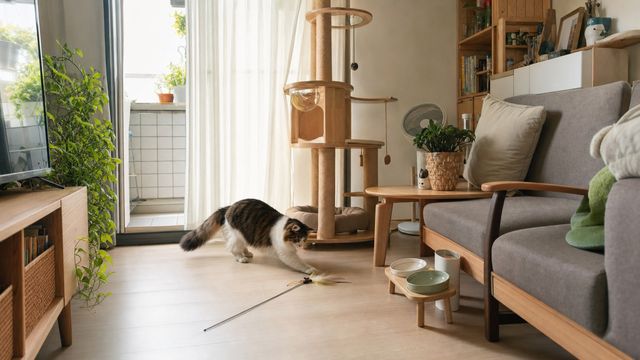
Cats need to complete the entire hunting sequence: "search, stalk, pounce, and bite." If you only provide static toys, or if you simply flick the feather wand around quickly, your cat might get excited but won't truly complete the hunting cycle.
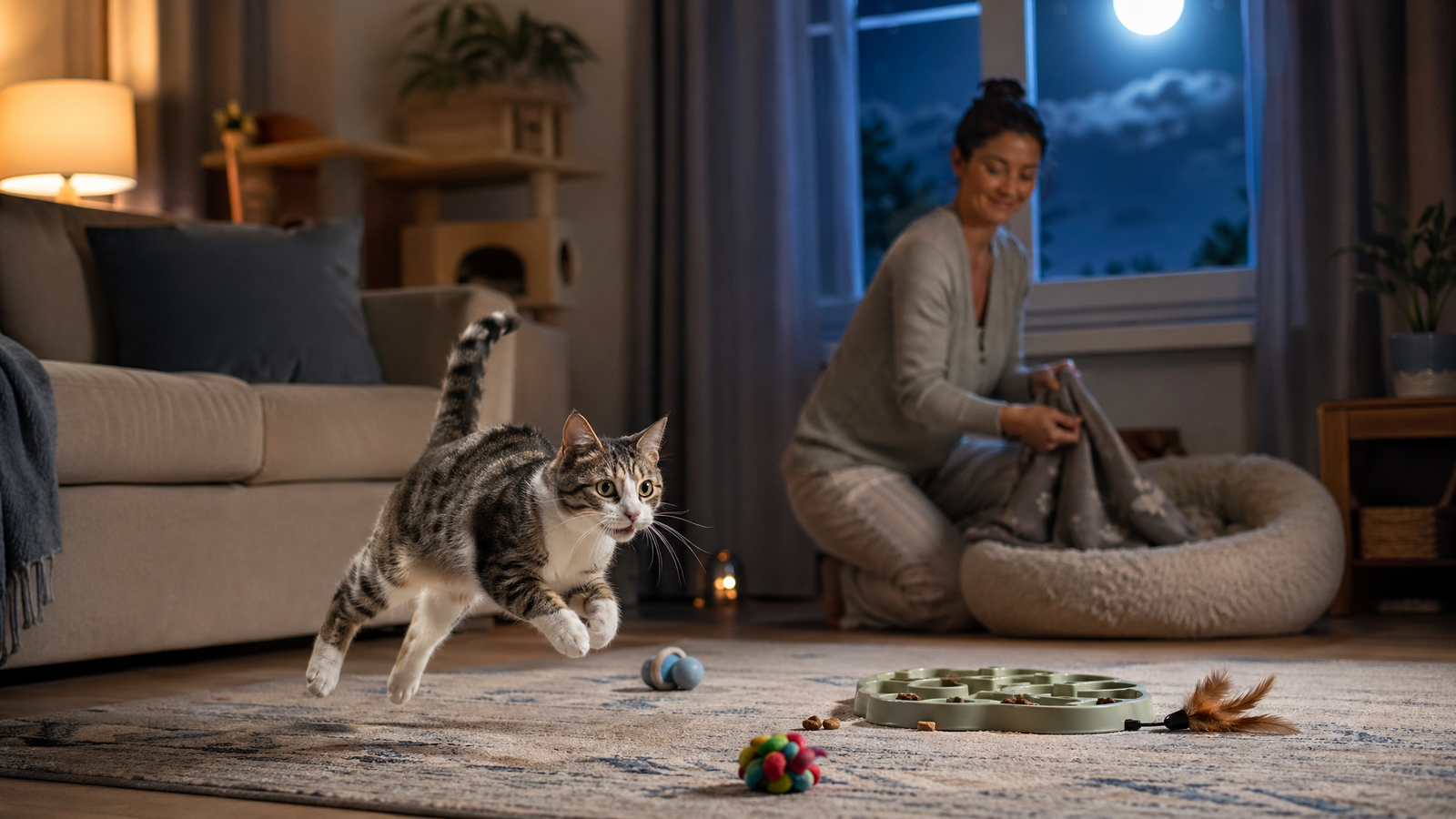
- Schedule 10 to 15 minutes of interactive play before bedtime.
- Make toys simulate prey: hide them, pause, and move them slowly.
- Finally, let your cat successfully "catch" the toy to prevent frustration.
- After playtime, offer a small late-night snack, such as a small portion of wet food or Luxury Functional Cans, to mimic the "eat after hunting" sequence.
This routine helps your cat expend energy before sleep, rather than having them hunt furniture, blankets, or your feet in the middle of the night.
Reason 2: Too Bored During the Day, Energy Concentrated at Night
In many households where owners work during the day, it's quiet, curtains are drawn, and there's no interesting view from the windows. Cats naturally sleep more during these times. When owners return home, cats start anticipating interaction, and their peak activity is pushed to the evening.
Adjusting the Daytime Environment
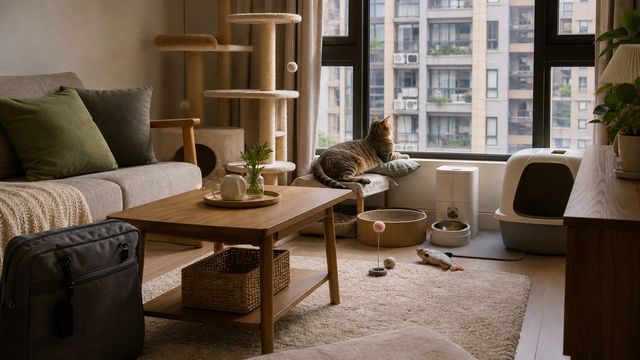
- Provide a safe window perch for your cat to observe outdoor activity.
- Use puzzle feeders to turn mealtime into a mentally stimulating task.
- Rotate toys; don't leave them all out at once. During the day, you can use Premium Catnip to increase exploration interest, but avoid overstimulation before bedtime.
- Install cat trees, cardboard boxes, and tunnels to increase vertical space and exploration opportunities.
The goal isn't to turn your home into an amusement park, but to give your cat things to do during the day. When energy is distributed more evenly, the frequency of nighttime zoomies usually decreases.
Reason 3: Unintentionally Rewarding Nighttime Noise
If your cat cries out in the middle of the night and you get up to feed them, pet them, or chase them, your cat will learn that "making noise at night gets a reaction." Even if you get up feeling annoyed, it can still be perceived as interaction by your cat.
It's recommended to complete real interaction before bedtime. If there are no safety or health concerns at night, try to minimize your reaction to avoid reinforcing the connection between nighttime activity and rewards.
Pre-Sleep 30-Minute Adjustment Routine
- Step 1: Turn off overly stimulating lights and sounds to create a quiet environment.
- Step 2: Engage in 10 to 15 minutes of interactive play with a wand toy.
- Step 3: Allow your cat to successfully "catch" the toy, completing the hunt.
- Step 4: Offer a small portion of wet food or part of their regular meal.
- Step 5: Maintain a consistent bedtime and rest period, repeating this routine for at least 2 weeks.
Sleep schedule adjustments won't happen overnight. It typically takes 7 to 14 days for cats to re-establish expectations, so replace inconsistent interventions with a stable routine.
When Is It Not Just "Zoomies"?
If your cat suddenly becomes restless all night after being quiet, or if nighttime activity is accompanied by abnormal vocalizations, frequent urination, vomiting, decreased appetite, hiding, or increased aggression, you should consult a veterinarian first. Especially for senior cats, nighttime howling can also be related to pain, sensory decline, or endocrine issues.
In multi-cat households, observe for signs of chasing and bullying, blocked litter boxes, or resource scarcity. Nighttime zoomies are sometimes not due to excess energy, but a reaction to accumulated daytime stress.
Frequently Asked Questions (FAQ)
Can I Crate My Cat if They Go Wild at Night?
Confining your cat in a crate is not recommended as a primary solution. If the underlying issues of energy levels, sleep schedules, and stress aren't addressed, crating can make your cat more anxious. Unless there are medical or safety reasons, prioritize adjusting the environment and pre-sleep routine.
Will Feeding Before Bed Make My Cat More Energetic?
A small meal can help facilitate the "eat after hunting, then rest" rhythm. The key is to play before eating, not to feed immediately when the cat cries out.
Is It Normal for Kittens to Go Wild at Night?
Kittens have high energy levels and shorter sleep cycles, so nighttime activity is more common. You can increase the number of play sessions during the day and establish a consistent pre-sleep routine. This usually improves with age and habit.
Do I Need to See a Vet if My Cat Cries Constantly at Night?
If it's just occasional crying, it might be boredom or a desire for interaction. However, if the howling suddenly becomes frequent and is accompanied by changes in appetite, urination, energy levels, or behavior, it's recommended to seek veterinary attention promptly.
CatGarden - A Villa-Style Cat-Only Hotel in Banqiao, Offering Boarding and Grooming Services.
Further Reading
- What to Do About Cat Separation Anxiety? 5 Common Signs and Improvement Methods for Working Owners
- Is Your Cat Playing or Fighting? 5 Relationship Signals and Intervention Times Every Multi-Cat Household Needs to Know in 2026
- Where Should the Litter Box Be Placed? 5 Overlooked Litter Box Location Strategies and Your Cat's Toilet Psychology
- New Cat Owner Shopping List Guide: Litter, Feeders, Carriers, and Supplements All in One Place
Your cat's nighttime zoomies are usually not intentional mischief but their way of signaling that their daytime stimulation, pre-sleep hunting routine, and overall life rhythm need adjustment. If you're planning a trip, moving, or worried about your cat's routine becoming more chaotic in a new environment, you can also book Cat Boarding and consultation services in advance. Our dedicated staff can help assess your cat's stress levels and daily needs.
→ Learn about CatGarden - The Brand Closest to Cats.
FAQ
Can confining my cat to a crate solve nighttime hyperactivity?
Crate confinement is not recommended as a primary solution. If energy levels, sleep schedules, and stress aren't addressed, crating can make the cat more anxious. Prioritize adjusting the environment and pre-sleep routine.
Will feeding my cat before bed make them more energetic?
No, a small meal before bed can help align with the natural 'hunt, eat, then rest' rhythm. However, the key is to expend energy through play before feeding.
Is it normal for kittens to be hyperactive at night?
Yes, it's normal. Kittens have high energy levels and shorter sleep cycles. Increasing daytime play sessions and establishing a consistent pre-sleep routine usually helps improve the situation as they mature and adapt.
When should I be concerned about my cat meowing excessively at night and seek veterinary attention?
If your cat suddenly starts meowing frequently, especially if accompanied by decreased appetite, abnormal urination, or changes in energy or behavior, it's recommended to seek veterinary care promptly to rule out pain or underlying medical conditions.
CatGarden offers curated supplies, cat boarding, and grooming
Book services or shop online.