How to Choose a Cat Litter Box: Size, Style, and Placement

A litter box that is too small or poorly placed can cause avoidance. Learn how to choose the right size, number, type, and location.

CatGarden Editorial TeamPublished 2026/06/04
Litter boxCat litterCat careBuying guide
How to Choose a Cat Litter Box: Size, Style, and Placement

The litter box is one of the most important items in a cat home. If it is too small, too dirty, covered in a way your cat dislikes, or placed in a stressful spot, your cat may avoid it.

Key takeaways

  • Litter box length should be at least 1.5 times your cat's body length (excluding the tail) to allow them to turn around, dig, and squat comfortably without hitting the sides. Many inappropriate urination issues are simply due to a box that's too small.
  • The golden rule for the number of litter boxes is 'number of cats plus one': one cat needs two boxes, two cats need three boxes. For multi-story homes, place at least one box on each level.
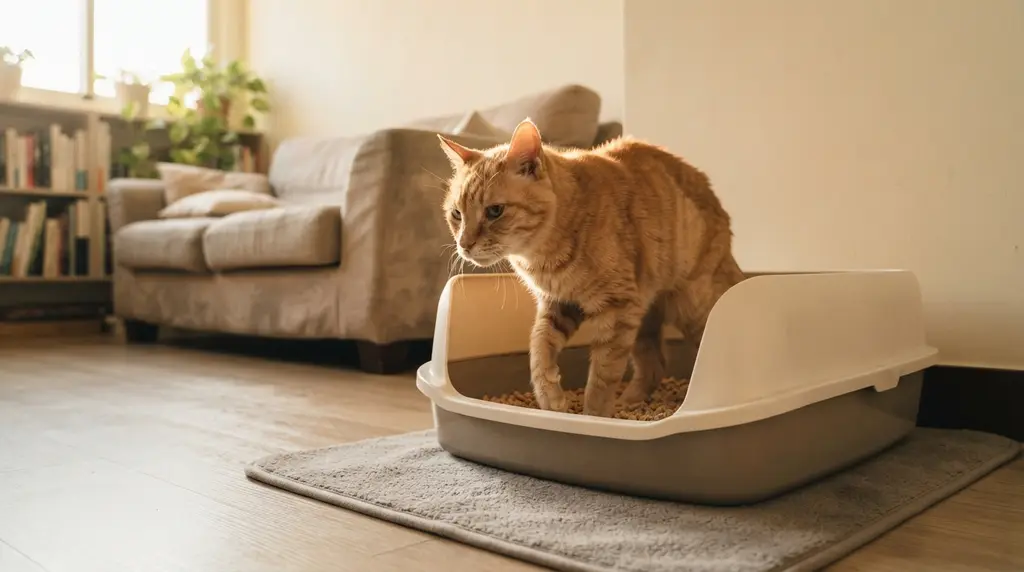
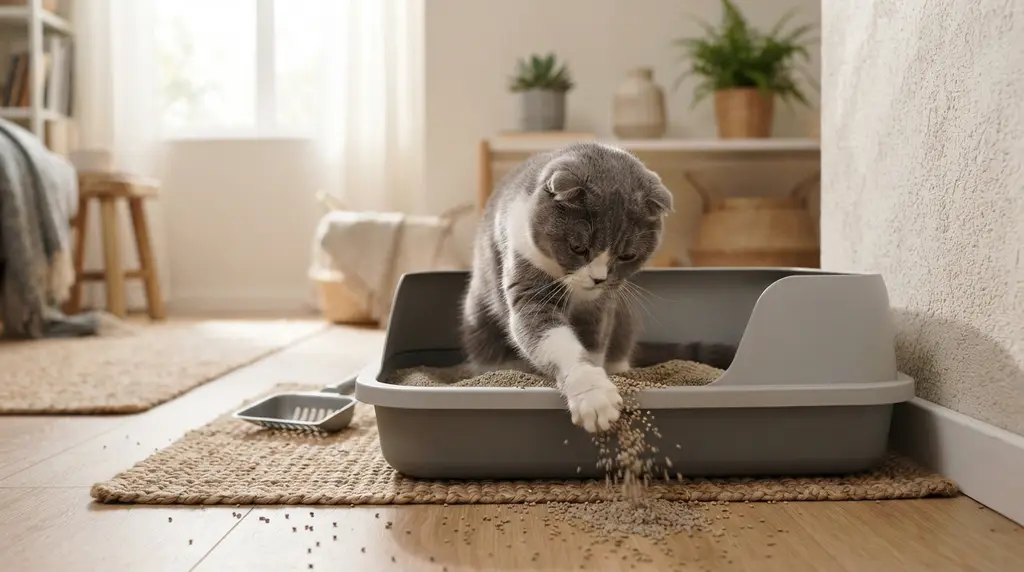
  • Open-top litter boxes offer good ventilation, prevent odors from lingering, are generally preferred by cats, and make it easy to observe their waste. The downside is that litter and dust can scatter easily. If unsure, it's recommended to start with an open-top box.
  • Litter boxes should be placed in quiet, well-ventilated areas that are easily accessible and not confining. Keep them away from noisy appliances like washing machines and TVs, and avoid placing them right next to food and water bowls. For kittens or senior cats, choose models with low entry thresholds.
  • Cleaning frequency: Scoop waste daily (ideally twice a day, morning and evening). Completely change the litter and scrub the entire box with a mild detergent every one to two weeks. Replace plastic boxes approximately once a year.

Size and Number

Choose a box at least 1.5 times your cat's body length, not including the tail. A large open box is often safer than a stylish small one. The usual rule is one box per cat plus one extra, especially in multi-cat homes.

Open or Covered

Open boxes ventilate better and are accepted by most cats. Covered boxes look tidier and reduce scatter, but can trap odor and make some cats feel cornered. If you are unsure, start with an open box.

Placement

Put boxes in quiet, well-ventilated places away from food and water. Make sure the cat can enter and leave easily, and use low-entry boxes for kittens or senior cats.

CatGarden offers curated supplies, cat boarding, and grooming

Book services or shop online.

Back

Blog

How to Choose a Cat Litter Box: Size, Style, and Placement

CatGarden Editorial TeamPublished 2026/06/04
Litter boxCat litterCat careBuying guide
How to Choose a Cat Litter Box: Size, Style, and Placement

The litter box is one of the most important items in a cat home. If it is too small, too dirty, covered in a way your cat dislikes, or placed in a stressful spot, your cat may avoid it.

Key takeaways

  • Litter box length should be at least 1.5 times your cat's body length (excluding the tail) to allow them to turn around, dig, and squat comfortably without hitting the sides. Many inappropriate urination issues are simply due to a box that's too small.
  • The golden rule for the number of litter boxes is 'number of cats plus one': one cat needs two boxes, two cats need three boxes. For multi-story homes, place at least one box on each level.
  • Open-top litter boxes offer good ventilation, prevent odors from lingering, are generally preferred by cats, and make it easy to observe their waste. The downside is that litter and dust can scatter easily. If unsure, it's recommended to start with an open-top box.
  • Litter boxes should be placed in quiet, well-ventilated areas that are easily accessible and not confining. Keep them away from noisy appliances like washing machines and TVs, and avoid placing them right next to food and water bowls. For kittens or senior cats, choose models with low entry thresholds.
  • Cleaning frequency: Scoop waste daily (ideally twice a day, morning and evening). Completely change the litter and scrub the entire box with a mild detergent every one to two weeks. Replace plastic boxes approximately once a year.

Size and Number

Choose a box at least 1.5 times your cat's body length, not including the tail. A large open box is often safer than a stylish small one. The usual rule is one box per cat plus one extra, especially in multi-cat homes.

Open or Covered

Open boxes ventilate better and are accepted by most cats. Covered boxes look tidier and reduce scatter, but can trap odor and make some cats feel cornered. If you are unsure, start with an open box.

Placement

Put boxes in quiet, well-ventilated places away from food and water. Make sure the cat can enter and leave easily, and use low-entry boxes for kittens or senior cats.

One email a month of cat-care tips

Hand-picked care, behavior and grooming tips once a month. Subscribe and we will send you our three most-read articles right away.

Keep reading