Mineral Litter vs Tofu Litter: How to Choose Cat Litter
Compare clumping, odor control, dust, flushing, weight, and cost so first-time cat owners can choose the right litter and switch safely.

Cat litter affects odor, cleaning time, and whether your cat is willing to use the box. The two most common choices are bentonite mineral litter and plant-based tofu litter.
Key takeaways
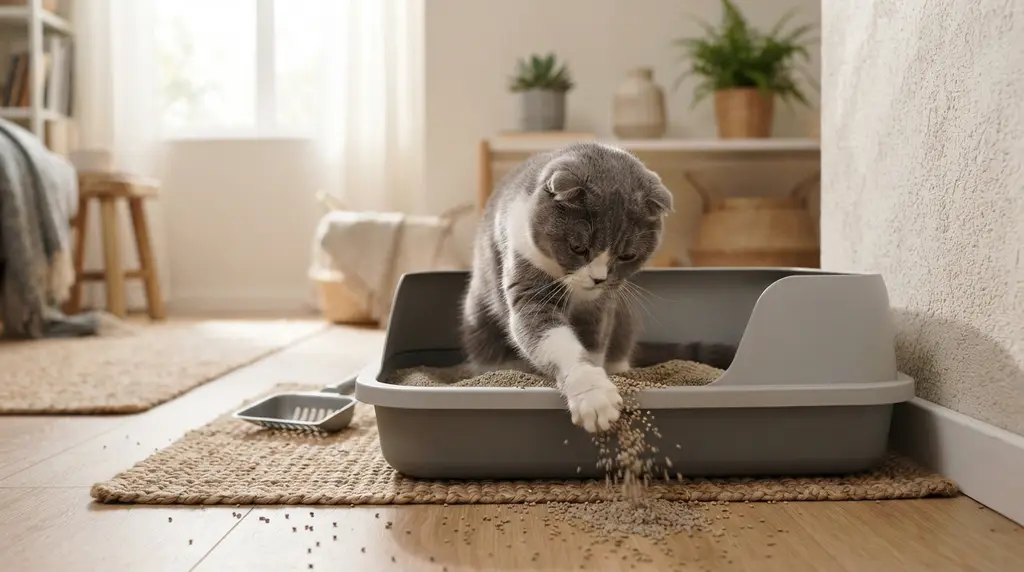
- Made from natural bentonite, this litter clumps quickly and firmly upon contact with moisture, offering excellent odor control. It's the most popular traditional cat litter, and most cats readily accept it.
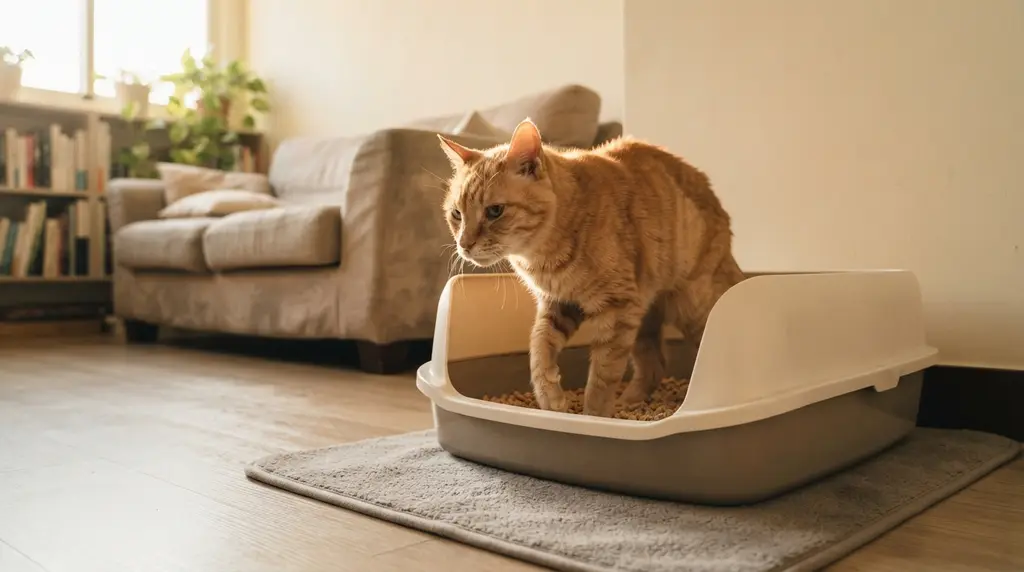
- Tofu litter is made from plant fibers like soybean dregs, corn, or peas. It produces significantly less dust than mineral litter and is lightweight, making it easy to carry and pour. It's ideal for households with kittens, senior cats, or cats with allergies.
- Mineral litter should NEVER be flushed down the toilet as it can clog pipes. Tofu litter can be flushed in small amounts over time, but it's still recommended to bag it and dispose of it in the trash to avoid clogging older plumbing.
- Mineral litter is inexpensive per unit but heavy and difficult to transport. Tofu litter is usually more expensive per unit but is lightweight and can sometimes be used more sparingly.
- Transitioning to a new cat litter should be gradual: Days 1-2, use about a quarter of the new litter mixed with the old. Days 3-4, use a 50/50 mix. Days 5-7, use about three-quarters of the new litter. After a week, switch completely to the new litter to avoid resistance or inappropriate urination due to sudden changes.
Key Differences
Mineral litter usually clumps harder and controls odor well, but it is heavier, dustier, and must never be flushed. Tofu litter is lighter, lower dust, and can sometimes be flushed in very small amounts, but the clumps are usually softer and the price can be higher.
How to Choose
Choose mineral litter if odor control, firm clumps, and cat acceptance are your priorities. Choose tofu litter if you care most about low dust, lighter handling, and easier daily cleanup. If your cat is sensitive to change, mix the new litter into the old one gradually over 7 to 10 days.
Reminder
Any sudden litter-box avoidance, painful urination, or blood in urine should be checked by a veterinarian. A litter change should never replace medical care.
CatGarden offers curated supplies, cat boarding, and grooming
Book services or shop online.