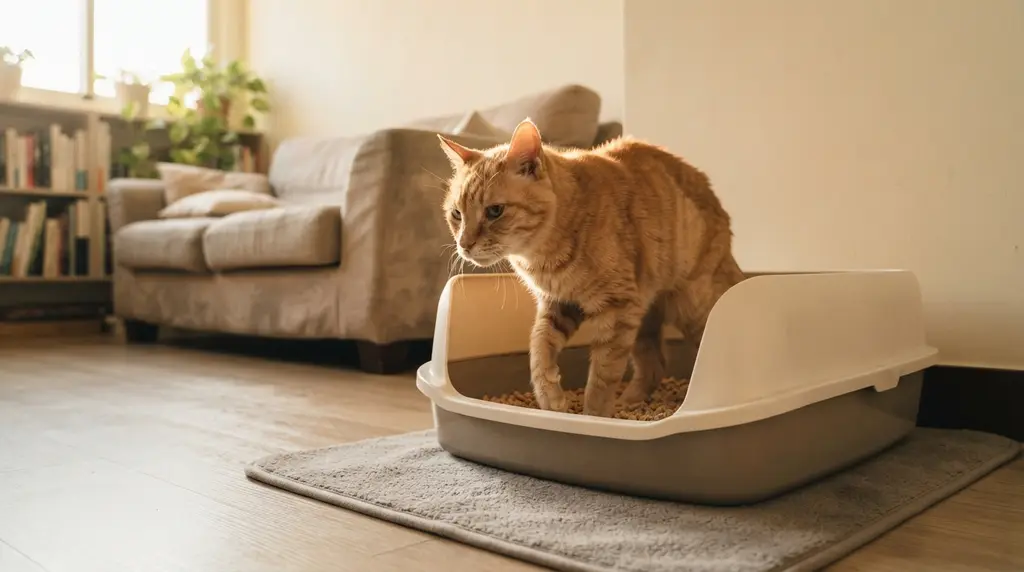
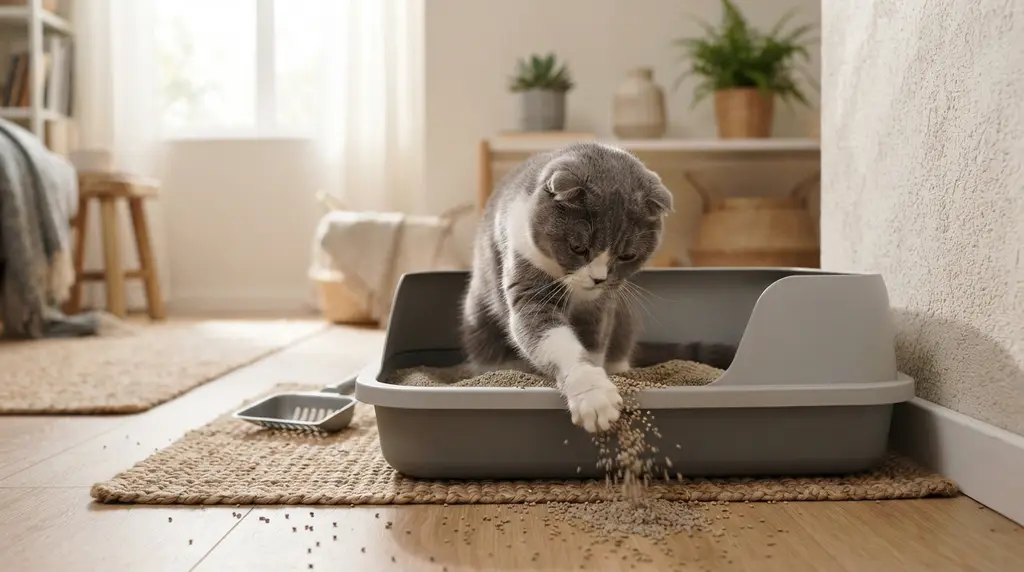
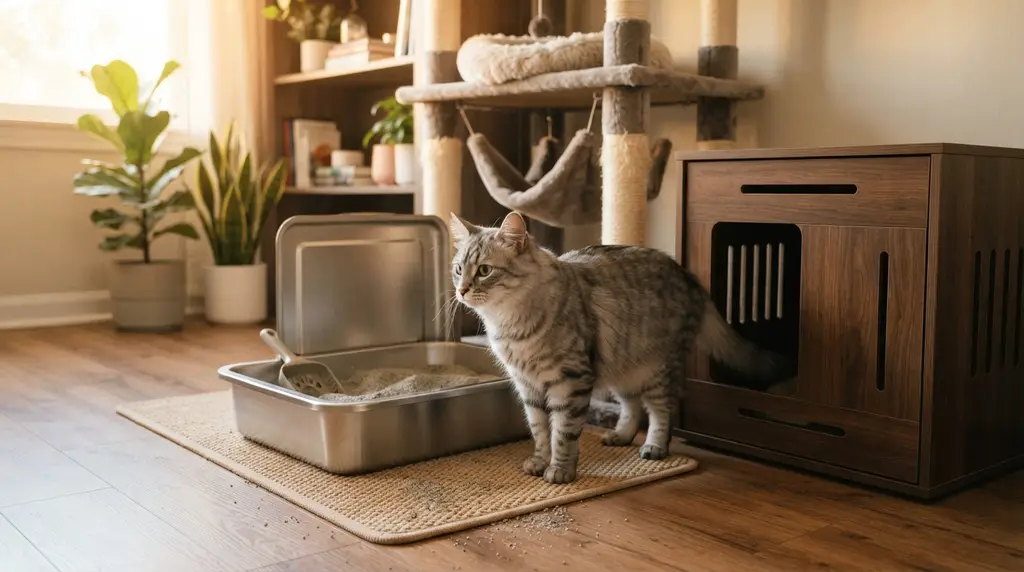
Cat Litter Recommendations: Brands, Types, Pros & Cons of Mineral, Tofu, and Wood Litter
Mineral litter offers the strongest clumping, tofu litter is easiest to handle, and wood litter is highly absorbent but requires a double-layered litter box. This article compares various cat litters based on clumping ability, dust levels, and odor control, providing specific recommendations for multi-cat households and owners of allergic cats.
If we had to give one piece of advice: For the strongest clumping and lowest cost, choose mineral litter (bentonite). For less dust, flushable options, and easier handling, opt for tofu litter. For long-haired cats, multi-cat households, or owners with respiratory allergies, a mixed litter (tofu + mineral) is usually the best compromise. When choosing a cat litter brand, what truly matters isn't the advertised absorbency, but three things: how well it clumps, the dust level when pouring, and how long it takes for the ammonia smell to be contained.
We care for over a dozen cats from various backgrounds in our facility, cleaning litter boxes more than 40 times a day. The performance differences between various litters in the same environment are very noticeable – this article details our firsthand observations.
Key Takeaways
- Mineral Litter (Bentonite) has the Strongest Clumping: Good quality mineral litter forms a solid, non-stick clump within 3 minutes, making it easiest to scoop out only the waste without disturbing the rest of the litter. It's the most cost-effective in the long run.
- Tofu Litter is about 1/3 the Weight of Mineral Litter: For the same volume, a bag of mineral litter is typically 10-20 kg, while a 6L bag of tofu litter is about 2.5 kg. This makes a significant difference in carrying weight for female owners or the elderly.
- Dust is Best Assessed Against Light: When pouring litter, shine your phone's flashlight from the side. If you see a noticeable white haze, it's a high-dust litter and not recommended for cats or humans with asthma or allergies.
- Odor Control Relies on "Frequency of Cleaning," Not Fragrance: Ammonia smell develops significantly 6-12 hours after urination. If you scoop waste 1-2 times a day, even basic unscented mineral litter won't smell.
- The Formula for Multi-Cat Households is "Number of Cats + 1" Litter Boxes. We recommend a litter depth of 5-7 cm; too little depth is the main reason even strong clumping litters stick to the pan.
What Kinds of Cat Litter Are There? Understanding Material Differences
Mineral Litter (Bentonite Litter)
This is the most common type in Taiwan and the favorite of most cats. Made from natural bentonite clay, it clumps when wet.
Pros
- Strongest clumping: Good mineral litter clumps feel like small rocks, are hard to break, and don't stick to the pan.
- Fine granules and a texture similar to natural sand mean it has the highest acceptance rate. Cats rescued from the streets who have never used a litter box almost always take to mineral litter immediately.
- Lowest unit price, making it the most cost-effective for long-term use.
Cons
- Heavy. A 10 kg bag requires physical effort to carry upstairs when ordered online.
- Dust is the biggest variable: Even within the same category, the quality of dust control varies greatly.
- Cannot be flushed down the toilet; must be disposed of separately.
- Fine granules mean cats can track litter out of the box easily.
In practice, we use dust-controlled, fine-granule mineral litter as a "safe bet when unsure of a cat's preferences." Litter like Odor Control Mineral Litter 3.0 with fine granules that form solid clumps is almost always accepted by new cats without an adjustment period.
Tofu Litter
Made from bean dregs, corn starch, and other plant fibers, it usually comes in strip or fine granule form.
Pros
- Lightweight: A 6L bag is about 2.5 kg, reducing storage and carrying strain.
- Can be flushed in small amounts (3-4 clumps at a time, flush as you add), making disposal easiest.
- Generally less dusty than mineral litter, making it friendly for owners with allergies.
- Longer granules usually mean less litter tracking than fine mineral litter.
Cons
- Weaker clumping than mineral litter: Cheaper tofu litters often form a clump on the surface but stick to the bottom, leading to higher litter consumption.
- In humid environments (Taiwan's rainy season, top floors, bathrooms), it can absorb moisture, clump, and even mold.
- Some scented tofu litters have a noticeable food scent (milk, green tea), which a few cats may try to eat. This is especially a concern for kittens.
The key to choosing tofu litter is granule size: Very coarse strips have large gaps, allowing urine to seep through to the pan bottom. We prefer finer specifications, such as the fineness of Ultra-Fine Tofu Litter 3.0, which clumps more completely.
Wood Litter (Pine Litter)
There are two completely different mechanisms at play here, and many people buy the wrong type because they don't understand this.
1. Disintegrating Wood Litter: Absorbs urine and breaks down into powder. Requires a double-layered litter box where the powder falls into the lower drawer, leaving the wood pellets on top.
2. Clumping Wood Litter: Contains binders and can be used in a regular litter box, but its clumping ability is usually inferior to mineral litter.
Pros
- Extremely absorbent, with natural pine scent that helps mask ammonia odors.
- Large granules, virtually dust-free, and lightweight.
- Economical to use; disintegrating type requires replacing the top layer about once a week per cat.
Cons
- Requires a double-layered box, which is a higher equipment threshold. Using the wrong box results in a pan of wet wood.
- Hard, large granules can be uncomfortable for many cats to step on, especially older cats with trimmed paw fur or arthritis. It has the lowest acceptance rate among all litter types.
- Once disintegrated into powder, the lower drawer can develop a musty, fermented smell if not cleaned regularly.
Mixed Litter
A combination of tofu litter and mineral litter (sometimes with activated carbon), this has been the fastest-growing category in recent years.
- Clumping ability is close to mineral litter, and weight is close to tofu litter, making it a compromise for those who want the best of both worlds.
- The downside is a higher unit price, and the varying ratios and formulas between brands lead to significant differences in clumping performance. Switching brands requires re-testing.
Crystal and Paper Litter (Special Needs)
- Crystal Litter (Silica Gel Litter): Does not clump; absorbs urine and relies on evaporation for odor control. Suitable for long absences or automatic litter boxes. The downside is a hard texture, moderate cat acceptance, and the inability to assess a cat's urination habits from urine clumps.
- Paper Litter: Often used after surgery (spaying, stitches) to prevent litter from sticking to wounds, or for kittens during their transition period. Its daily odor control performance is weak.
Five Key Indicator Comparison Table
| Indicator | Mineral Litter | Tofu Litter | Wood Litter | Mixed Litter |
|---|---|---|---|---|
| Clumping Ability | ★★★★★ | ★★★☆ | ★★ (Disintegrating type doesn't clump) | ★★★★ |
| Dust Level | ★★ (Varies greatly) | ★★★★ | ★★★★★ | ★★★☆ |
| Odor Control | ★★★★ | ★★★☆ | ★★★★ | ★★★★ |
| Cat Acceptance | ★★★★★ | ★★★★ | ★★ | ★★★★ |
| Weight & Handling | ★★ (Heavy, not flushable) | ★★★★★ | ★★★★ | ★★★★ |
(★ ratings are our subjective comprehensive evaluation based on long-term use in our facility. Performance still varies significantly between brands of the same litter type.)
3 Tests to Do at Home Before Buying – More Reliable Than Reviews
Don't rush to replace all the litter when a new one arrives. Spend five minutes testing it yourself:
1. Clumping Test: Scoop about 5 cm of litter into a small container. Slowly pour 30ml of warm water into the center. After 3 minutes, try to lift the clump from the bottom with a litter scoop. The standard is "lift the entire clump, it doesn't crumble when flipped, and there's no thin layer stuck to the bottom." If it sticks to the pan, the clumping speed is too slow, or the litter depth is insufficient.
2. Dust Test: Turn off the lights and shine a flashlight from the side at an angle while pouring litter for 3 seconds. If you see a noticeable white haze, it's high dust. Also, rub your finger around in the litter; if your fingertip comes out covered in a thick layer of gray, it's considered dusty.
3. Odor Test: Place the test clump (you can add a little cat urine to the clump from the clumping test) in a sealed container for 8 hours, then open and smell. The true standard for odor-controlling cat litter recommendation is "smelling the original scent of the litter or no scent," not fragrance masking ammonia. A mixture of fragrance and ammonia is the most unpleasant combination and most likely to make sensitive cats refuse the box.
How to Choose for Multi-Cat Households? Focus on "Quantity," Not "Brand"
The most common problems in multi-cat households aren't the litter itself, but insufficient litter boxes and shallow litter depth. In our facility, each room has a separate litter box for each cat, precisely because the risks of conflict and urine retention are too high with shared boxes.
- Number of Litter Boxes: Number of Cats + 1. A household with three cats needs at least four boxes, placed in different areas, not all lined up against the same wall.
- Litter Depth: 5-7 cm. Too shallow will halve the clumping ability, and cats may urinate on the edge because they can't dig deep enough.
- Litter Type Priority: Clumping Ability > Odor Control > Dust. Multi-cat households produce a large volume of urine daily, and poor clumping litter will render the entire box unusable within a week. This is why we tend to use mineral or mixed litter in our multi-cat areas.
- Full Replacement Frequency: If scooped 1-2 times daily, mineral litter needs full replacement every 2-4 weeks, and tofu litter every 1-2 weeks. When fully replacing, scrub the pan with a neutral detergent and dry it thoroughly. Avoid pungent bleach or citrus-based cleaners.
- The shape, opening height, and placement of the litter box have an even greater impact on multi-cat households than the litter type. We've compiled this information in How to Choose a Cat Litter Box? Size, Style, and Placement Explained, and we recommend reading it together.
Selection Criteria for Allergic Owners and Sensitive Cats
If you suffer from allergic rhinitis or asthma, or if your cat sneezes frequently or has excessive eye discharge, you need a different set of criteria for choosing litter:
1. Prioritize Unscented: Fragrances are the most common respiratory irritants and can interfere with your ability to tell if the litter box needs cleaning.
2. Choose Dust-Controlled Fine Mineral Litter, Fine Tofu Litter, or Mixed Litter. Avoid untreated, cheap mineral litters.
3. Switch to Open-Top or Large-Opening Litter Boxes. Avoid fully enclosed ones – dust and ammonia gas get trapped inside, and the cat inhales the most during the 30 seconds it's inside.
4. When Pouring Litter, Wear a Mask and Please Ask Your Cat to Leave the Room. Ventilate the area for 10 minutes after pouring.
5. If your cat also experiences itchy skin or chronic soft stools, don't just blame the litter; dietary factors are often more critical. You can refer to What is Hydrolyzed Protein Cat Food? A Guide to Choosing and Troubleshooting for Skin Allergies & Chronic Soft Stool for a systematic investigation.
Important Note: If your cat experiences persistent sneezing, runny nose for more than 3 days, rapid breathing, or open-mouth breathing, this is not something that can be solved by changing the litter. Seek veterinary attention immediately.
How to Switch Litters Without Your Cat Protesting and Urinating Elsewhere
Cats have strong memories regarding their toileting substrate. Abrupt changes can easily lead to a puddle on your floor mat. Here's how we transition cats in our facility:
1. Days 1-3: New litter makes up 20%, spread thinly over the old litter.
2. Days 4-7: New litter makes up 50%, mixed thoroughly.
3. Days 8-10: New litter makes up 80%, observe urination position and posture.
4. Day 11 onwards: 100% new litter.
During this process, if you observe "urinating on the edge of the box," "entering and immediately jumping out," or "urinating outside the box," revert to the previous stage for 3-5 days. For multi-cat households, a more conservative approach is: Prepare two separate boxes side-by-side, one with old litter and one with new, and let the cats vote. After a week, see which box is used more.
Additionally, during the litter change period, observe the size and number of urine clumps. If the clumps suddenly become larger and more numerous, or if the cat repeatedly enters and exits the litter box but only produces a small clump, these are signals that require attention – they are closely related to urinary tract and kidney health. You can read more about Why Do Cats Get Kidney Disease? Aging, Diet, Dehydration, and Genetics – 4 Major Causes Explained. This is also why we don't recommend using "non-clumping litter" as a long-term primary choice: you lose the opportunity to observe urine output daily.
Three Common Cat Litter Mistakes
- "The More Fragrant, the Better Odor Control": Incorrect. Fragrance merely masks odors and can reduce a cat's willingness to use the box. Truly effective ingredients are adsorbents like activated carbon or zeolite, combined with frequent scooping.
- "Advertised Absorbency Multiples Mean Good Litter": High absorbency doesn't equate to good clumping. What matters is the structural integrity of the clump. Test this yourself using the clumping test described above.
- "Using One Litter Forever is Safest": If you travel frequently, it's actually recommended to use the same litter at home and at a boarding facility. We mentioned in New Taipei Cat Boarding Recommendations: Banqiao, Sanchong, Xinzhuang – How to Choose? Fees and 6 Key Factors Explained that bringing your cat's usual litter to a boarding facility is one of the most effective small actions to reduce urine retention and accidents during their stay. If you are planning a trip, you can book a cat boarding facility in Banqiao and note your cat's current litter type in the remarks. We will do our best to match it.
Frequently Asked Questions
Is there an absolute best cat litter brand?
No. The performance of the same litter in a single-cat, dry indoor environment is completely different from that in a three-cat, humid top-floor environment. Before choosing a brand, confirm what you absolutely cannot compromise on: "weight, dust, or clumping ability," then test 2-3 litters from that category that perform best.
Can tofu litter be flushed directly down the toilet?
Most tofu litters labeled as flushable can be, but do so in small amounts (3-4 clumps at a time) and flush as you add. For old apartment plumbing, septic tanks, or homes with water-saving toilet designs, it's best to use a trash bag. The cost of unclogging a blockage far exceeds the savings on trash bags.
Do I need to buy a double-layered litter box for wood litter?
Disintegrating wood litter must be used with a double-layered sifting box; otherwise, the urine-soaked powder will accumulate at the bottom and ferment. Clumping wood litter can be used in a regular litter box, but accept that its clumping ability is inferior to mineral litter. Before buying, check the packaging to see if it says "disintegrating" or "clumping."
Why does my litter box still smell even after switching to odor-controlling cat litter?
Check three things first: Is the litter depth at least 5 cm? Is it scooped daily? Has the pan absorbed odors (plastic pans used for over a year can retain smells; replacement every 1-1.5 years is recommended)? If all these are met and there's still a strong odor, especially accompanied by changes in urine volume or abnormal urine color, take your cat to the vet to check its urinary tract and kidney function.
What kind of cat litter is suitable for kittens?
For kittens under three months old, we recommend fine-granule, unscented mineral litter or paper litter. Avoid tofu litters with food scents (risk of ingestion). Once they are over four months old, their bowel movements are stable, and they no longer chew on foreign objects, you can switch to tofu or mixed litter based on your household's needs.
Ultimately, choosing cat litter is about finding a balance between "your convenience (handling)" and "your cat's comfort (stepping texture)." First, eliminate obviously unsuitable options using the three tests above, and then let your cat vote – if it willingly uses the box every day, and you are willing to scoop it every day, it's the best litter for you. For more on toileting and home products, feel free to browse our shop.
Article by CatGarden Editorial Team
CatGarden offers curated supplies, cat boarding, and grooming
Book services or shop online.