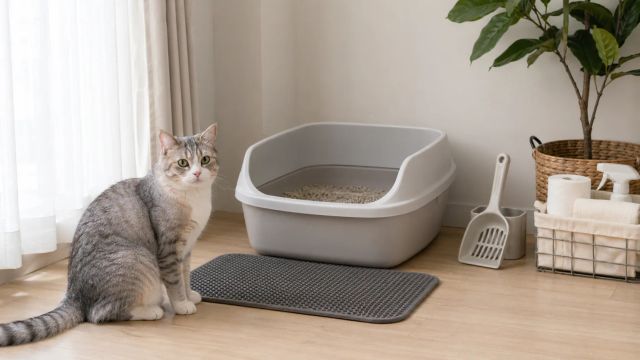
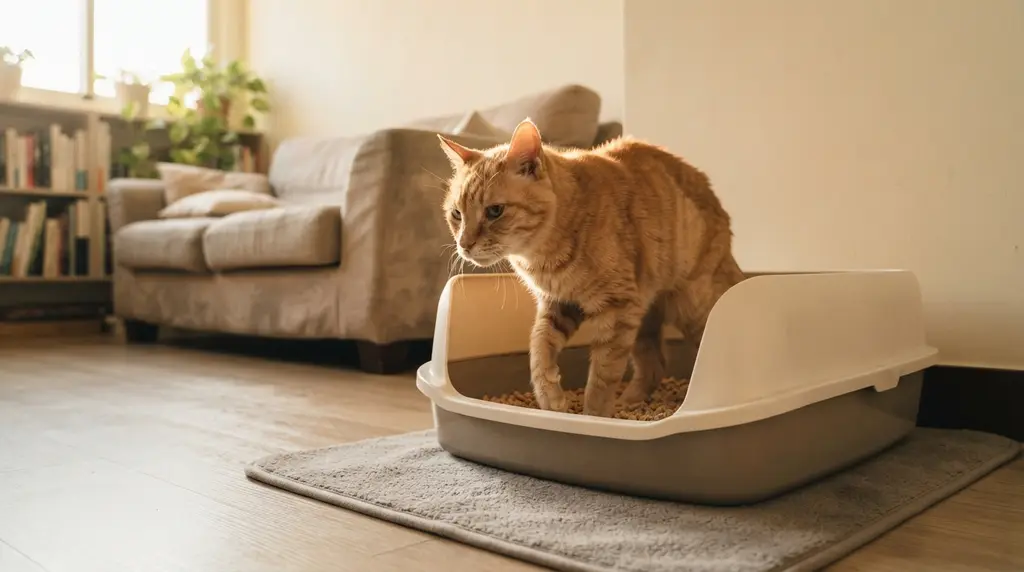
Smelly Litter Box? 6 Practical Odor-Control Tips

Most cat odor starts at the litter box. These six steps help control smell at the source without relying on heavy fragrance.
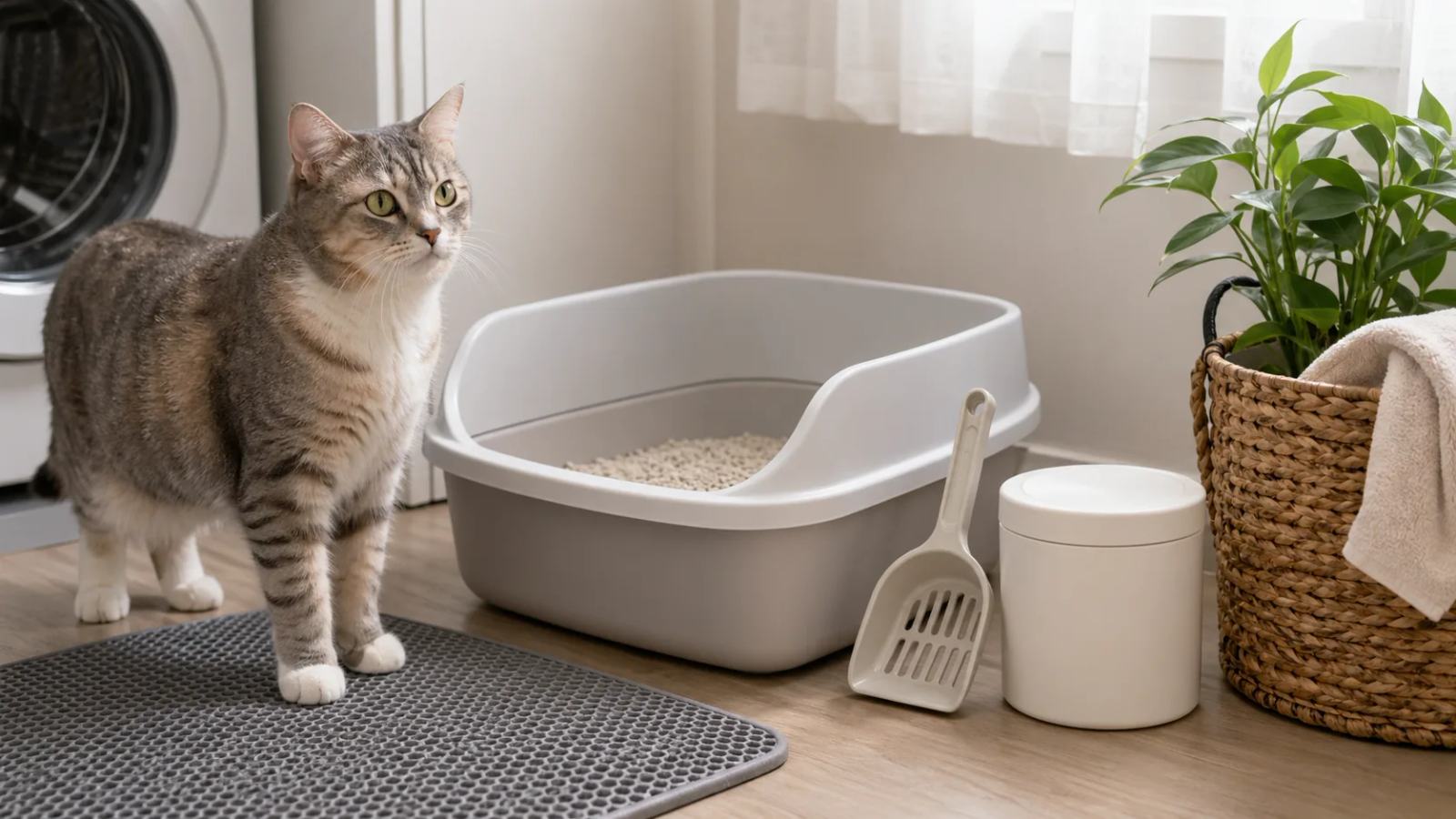
CatGarden Editorial TeamPublished 2026/06/04Updated 2026/10/06
Cat litterOdor controlLitter boxCat care
Smelly Litter Box? 6 Practical Odor-Control Tips

If your home smells like cats, the litter box is usually the first place to check. Odor control is not about covering smells with perfume; it is about removing waste and moisture quickly.

Key takeaways

  • The most effective and cheapest way to deodorize a litter box is to scoop frequently, ideally twice a day (morning and evening). The longer waste stays in the box, the more odor is released. Daily scooping alone can reduce most of the smell.
  • The recommended number of litter boxes is 'number of cats plus one'. This distributes usage, preventing odor from concentrating in a single box, which is especially important for multi-cat households.
  • In addition to daily scooping, the entire litter should be replaced every one to two weeks. Scrub the litter box with a mild, non-irritating detergent, rinse thoroughly, and dry before adding new litter. This is crucial to eliminate stubborn odors caused by urine scale and bacteria.
  • Clay litter (bentonite) generally has stronger odor control and clumping abilities, performing well in deodorization. Tofu litter is natural and low-dust, relying on its fibers and fragrance for milder deodorization; it can also be mixed with other litters or used with litter deodorizing powder for enhanced performance.
  • Strongly scented air fresheners are not recommended, as their intense fragrance may deter cats from using the litter box, leading to accidents. Deodorizing powders, activated carbon packs, and air purifiers are only supplementary; cleaning is the fundamental solution.

6 Tips That Work

Scoop at least once a day, and ideally morning and night. Use a litter with enough clumping and odor control for your home. Prepare enough litter boxes, especially for multiple cats. Replace all litter and wash the box regularly. Keep the box in a ventilated but calm place. Use charcoal or deodorizing powder only as support, not as a substitute for cleaning.

Avoid Strong Fragrance

Cats have sensitive noses. Strong air fresheners or scented sprays can make some cats avoid the litter box, which creates a bigger problem.

Health Warning

Very strong urine odor, frequent trips to the box, straining, or blood in urine may point to urinary disease. Contact a veterinarian promptly.

CatGarden offers curated supplies, cat boarding, and grooming

Book services or shop online.
Back

Blog

Smelly Litter Box? 6 Practical Odor-Control Tips

CatGarden Editorial TeamPublished 2026/06/04Updated 2026/10/06
Cat litterOdor controlLitter boxCat care
Smelly Litter Box? 6 Practical Odor-Control Tips

If your home smells like cats, the litter box is usually the first place to check. Odor control is not about covering smells with perfume; it is about removing waste and moisture quickly.

Key takeaways

  • The most effective and cheapest way to deodorize a litter box is to scoop frequently, ideally twice a day (morning and evening). The longer waste stays in the box, the more odor is released. Daily scooping alone can reduce most of the smell.
  • The recommended number of litter boxes is 'number of cats plus one'. This distributes usage, preventing odor from concentrating in a single box, which is especially important for multi-cat households.
  • In addition to daily scooping, the entire litter should be replaced every one to two weeks. Scrub the litter box with a mild, non-irritating detergent, rinse thoroughly, and dry before adding new litter. This is crucial to eliminate stubborn odors caused by urine scale and bacteria.
  • Clay litter (bentonite) generally has stronger odor control and clumping abilities, performing well in deodorization. Tofu litter is natural and low-dust, relying on its fibers and fragrance for milder deodorization; it can also be mixed with other litters or used with litter deodorizing powder for enhanced performance.
  • Strongly scented air fresheners are not recommended, as their intense fragrance may deter cats from using the litter box, leading to accidents. Deodorizing powders, activated carbon packs, and air purifiers are only supplementary; cleaning is the fundamental solution.

6 Tips That Work

Scoop at least once a day, and ideally morning and night. Use a litter with enough clumping and odor control for your home. Prepare enough litter boxes, especially for multiple cats. Replace all litter and wash the box regularly. Keep the box in a ventilated but calm place. Use charcoal or deodorizing powder only as support, not as a substitute for cleaning.

Avoid Strong Fragrance

Cats have sensitive noses. Strong air fresheners or scented sprays can make some cats avoid the litter box, which creates a bigger problem.

Health Warning

Very strong urine odor, frequent trips to the box, straining, or blood in urine may point to urinary disease. Contact a veterinarian promptly.

One email a month of cat-care tips

Hand-picked care, behavior and grooming tips once a month. Subscribe and we will send you our three most-read articles right away.

Keep reading