How Much Does Cat Neutering Cost? A Complete Guide to Male & Female Cat Surgery Fees, Pre-Operative Blood Tests, and Local Government Subsidies
Male cat neutering typically costs NT$1,500–3,000, while female cats range from NT$3,000–6,000. Pre-operative blood tests add NT$800–1,500. Many local governments offer subsidies of NT$500–2,000. This article breaks down the costs, essential tests, and application process.
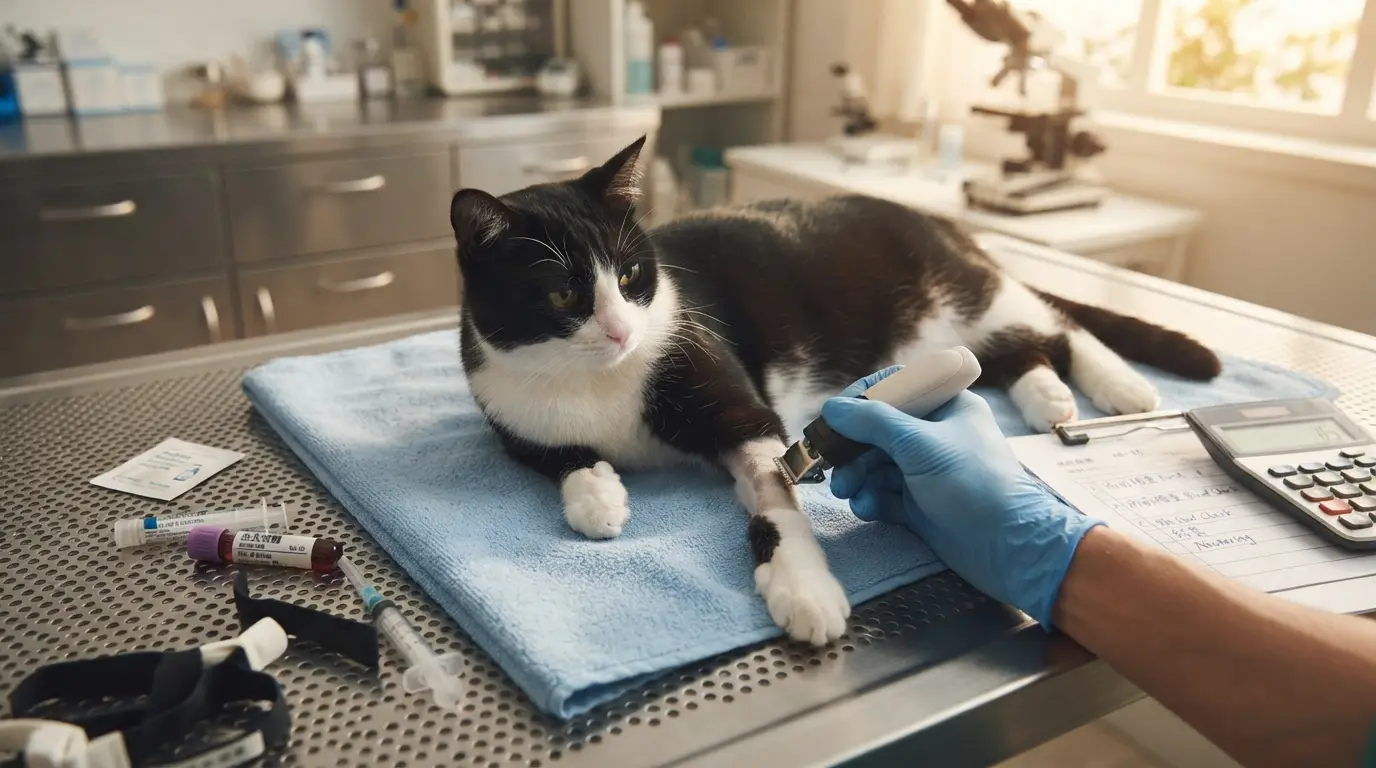
The going rate for cat neutering in Taiwan is around NT$1,500–3,000 for males and NT$3,000–6,000 for females (including anesthesia and basic surgery, excluding pre-operative tests). When you factor in pre-operative blood tests and anesthesia assessment (approx. NT$800–1,500), pain medication, an Elizabethan collar, and follow-up stitch removal, the actual total cost can range from NT$2,500–4,500 for males and NT$4,000–8,000 for females. Fortunately, most local governments offer cat neutering subsidies ranging from NT$500 to NT$2,000, which can cut the out-of-pocket expense by about half.
Key Takeaways
- Male Cat Neutering (Orchiectomy): Takes about 5–15 minutes, doesn't require abdominal surgery, and costs approximately NT$1,500–3,000.
- Female Cat Spaying (Ovariohysterectomy): Requires abdominal surgery to remove ovaries and uterus, costing approximately NT$3,000–6,000. The price difference is mainly due to surgical complexity, anesthesia time, and materials.
- Pre-Operative Blood Tests: Cost around NT$800–1,500, typically including a Complete Blood Count (CBC) and blood chemistry panel (liver and kidney function). For cats over 7 years old or with heart murmurs, an echocardiogram or chest X-ray (additional NT$800–2,500) is recommended.
- Local Government Subsidies: Usually range from NT$500–1,000 for males and NT$1,000–2,000 for females. Pet registration is required, and subsidies are often on a first-come, first-served basis. Check your local animal protection office for specific dates and quotas.
- Recommended Age: 5–6 months old, weighing over 2 kg. Neutering males after they reach sexual maturity may reduce the effectiveness of addressing behavioral issues like spraying.
- Post-Spay Metabolism: Female cats' basal metabolic rate can decrease by 20–30% after spaying. Without dietary adjustments within 1–2 months post-surgery, weight gain is common, a long-term cost often overlooked.
Why is Female Cat Spaying Twice as Expensive as Male Neutering?
Many owners are surprised by the price difference: "It's both neutering, why is the female cat so much more expensive?" The reality is they are fundamentally different types of surgery.
Male Cat Neutering (Orchiectomy): This is a superficial procedure. A small incision is made in the scrotum to remove both testicles. Often, no stitches are needed, or absorbable sutures are used. Anesthesia time is short, material costs are low, and an experienced vet can complete it in under 10 minutes, allowing the cat to go home the same day.
Female Cat Spaying (Ovariohysterectomy): This is a full abdominal surgery. It involves shaving and sterilizing the area, making an abdominal incision, entering the abdominal cavity, ligating blood vessels, removing the ovaries and uterus, and then closing the abdominal layers (peritoneum, muscle, and skin). Anesthesia lasts 30–60 minutes, requiring more comprehensive respiratory support and physiological monitoring, more materials, and longer observation and pain management post-operatively. The doubled cost is therefore justified.
Other factors influencing the quote:
- Surgical Method: Traditional laparotomy vs. laparoscopy (minimally invasive). Laparoscopy offers smaller incisions and faster recovery but can add NT$3,000–8,000 to the cost.
- Suturing Method: Intradermal sutures (no stitches to remove) are usually a few hundred dollars more expensive than external sutures but save a trip back to the clinic and the risk of the cat removing them.
- Pregnancy or Uterine Disease: If the female cat is pregnant or has pyometra (uterine infection), the surgical risks and time increase significantly, potentially raising the cost to NT$8,000–15,000.
- Region and Clinic Size: Hospitals in major metropolitan areas or those offering 24-hour care and specialized anesthesia services tend to be more expensive. Clinics in central or southern Taiwan or public-private partnerships may be less costly.
A Detailed Breakdown of Cat Neutering Costs: Don't Just Ask "How Much is the Surgery?"
A common complaint we hear is, "The clinic quoted NT$2,000, but the final bill was NT$4,500." This is almost always because the quote only included the surgery itself. When calling for quotes, ask for the "all-inclusive total price" and confirm the following items:
| Item | Male Cat Estimate (NT$) | Female Cat Estimate (NT$) | Description |
|---|---|---|---|
| Surgery + Anesthesia | 1,500–3,000 | 3,000–6,000 | Core cost |
| Pre-Operative Blood Test | 800–1,500 | 800–1,500 | Recommended for all |
| Pre-Anesthesia Physical Exam | 0–500 | 0–500 | Often included in initial consultation fee |
| Cardiac/Thoracic Assessment | 0–2,500 | 0–2,500 | Recommended for older cats, those with heart murmurs, or specific breeds |
| Post-Op Pain Injection/Meds | 200–600 | 300–800 | Almost always necessary for females |
| Antibiotics | 200–500 | 200–600 | Based on veterinarian's judgment |
| E-Collar or Post-Op Suit | 150–500 | 250–800 | Post-op suit recommended for females |
| Overnight Stay (Half-day to 1 day) | 0–800 | 500–1,500 | Some clinics hospital females for observation |
| Stitch Removal Follow-up | — | 0–500 | Can be skipped with intradermal sutures |
| Microchip + Pet Registration | 800–1,000 | 800–1,000 | Required for subsidy applications |
Reasonable Total Budget: NT$2,500–4,500 for males, NT$4,000–8,000 for females. If you're a new cat owner, it's wise to budget this alongside vaccinations, deworming, and carrier costs for the first year. Consider our guide on What to Prepare for Your New Cat's First Week: Environment, Diet, and Comfort to help plan expenses.
Pre-Operative Blood Tests and Anesthesia Assessment: What You Shouldn't Skip
The primary risk of neutering isn't the surgery itself, but the anesthesia. We've heard stories of anesthesia accidents where underlying issues, detectable through pre-operative screening, were the cause. Here's why these tests are worth the investment.
Essential: Complete Blood Count (CBC) + Blood Chemistry
- CBC: Checks red blood cells (for anemia), white blood cells (for infection or inflammation), and platelets (for clotting ability). Cats with anemia or low platelet counts have higher anesthesia and bleeding risks.
- Blood Chemistry: At a minimum, include BUN/CREA (kidney function), ALT/ALP (liver function), glucose, and total protein. Anesthetic drugs are primarily metabolized by the liver and kidneys; cats with impaired function require adjusted drug choices and dosages.
- Cost: Combined, around NT$800–1,500. Results are usually available in 15–30 minutes. While they can be done on the same day as surgery, it's best to have them done 3–7 days prior to allow time to address any abnormalities.
Feline Leukemia Virus (FeLV) / Feline Immunodeficiency Virus (FIV) Rapid Test
If your cat comes from a shelter, rescue, or hasn't been tested, consider this test (approx. NT$500–1,200). A positive result doesn't mean the cat can't be neutered, but it will affect pre-operative preparation and post-operative care.
Recommended Additional Tests for High-Risk Cats
- Over 7 years old: Add Thyroid Stimulating Hormone (T4) and blood pressure measurement.
- Heart murmurs, rapid breathing, or breeds predisposed to cardiomyopathy (e.g., British Shorthair, American Shorthair, Ragdoll, Maine Coon): Echocardiogram recommended (NT$1,500–3,500). Cats with cardiomyopathy require careful adjustment of intravenous fluid rates during anesthesia; this test can be life-saving. For more on breed risks, see What Are Blue Cat Breeds? Comparing British Shorthair, Russian Blue, and Chartreux.
- Cats with genetic skeletal issues (e.g., Scottish Fold, Munchkin): Post-operative positioning and activity restriction need careful planning. Refer to How Long Do Scottish Folds Live? A Guide to Osteochondrodysplasia and Joint Care.
Fasting Rules on Surgery Day
Generally, no food for 8–12 hours before surgery and no water for 2–4 hours (shorter fasting times for kittens to prevent hypoglycemia; follow your vet's specific instructions). Strict adherence is crucial, as vomiting and aspiration during anesthesia is a severe complication.
How to Apply for Cat Neutering Subsidies in Taiwan
Animal protection offices (Animal Protection and Health Inspection Office / Agriculture Bureau) in almost all 22 counties and cities offer pet sterilization subsidies. However, amounts, quotas, and application periods vary annually. The following outlines the general framework and practical tips; always refer to your local animal protection office's official announcement for the current year.
Common Subsidy Tiers
- General Pet Cats: NT$500–1,000 for males, NT$1,000–2,000 for females.
- Low-Income Households, Persons with Disabilities, Trap-Neuter-Return (TNR) for Stray Cats: Subsidies are often higher, potentially reaching NT$2,000–3,000 or nearly full coverage in some areas.
- Most counties limit the "number of cats per person per year" (commonly 1–3 cats).
Two Common Application Methods
1. On-Site Discount at Participating Clinics (Most Convenient):
Visit a designated partner clinic. The subsidy amount is deducted directly from your bill at checkout; you only pay the remaining balance. The clinic handles the paperwork submission.
2. Reimbursement After Surgery:
Have the surgery at any licensed veterinary clinic. Submit the required documents to the animal protection office or district office for reimbursement (usually takes 1–2 months).
Documents Almost Always Required
- Photocopy of both sides of the owner's ID card, plus a seal or signature.
- Photocopy of the front of the bankbook (for reimbursement deposit).
- Proof of Pet Registration: (Crucial! Subsidies are often denied without a microchip and completed registration).
- Sterilization Certificate issued by the veterinary clinic (must include veterinarian's signature, cat's microchip number, and surgery date).
- Original surgery receipt (must be issued to the owner).
- Application form (downloadable from the animal protection office website).
The Three Most Common Pitfalls in Practice
- Register First, Then Neuter: Many owners forget to register their pet before neutering and are rejected for the subsidy. The correct order is: Microchip implantation + Pet Registration → Surgery → Subsidy Application.
- Limited Quotas: Most counties open applications at the beginning of the year or in two batches. Popular areas may fill up within weeks. Keep an eye out for announcements between January and March.
- Original Receipts Required, Itemized Clearly: The receipt should ideally specify "Sterilization Surgery Fee." Simply writing "Medical Fee" may require additional documentation.
> How to Find Information: Search Google for "(Your County/City) Animal Protection Office Pet Sterilization Subsidy," or call the animal protection office directly to ask, "Are there still quotas this year, and where can I find the list of partner clinics?" This is more reliable than relying on reposted articles.
What's the Best Age for Neutering? Too Early or Too Late Has Consequences
International recommendations generally suggest 5–6 months of age, with a weight of over 2 kg (some shelters perform early-age sterilization at 4 months). Our observations indicate:
- Neutering male cats before their first spraying incident yields the highest success rate for behavioral improvement. Once spraying has occurred and the habit of marking with urine is established, about 20–30% of cats may retain this behavior even after neutering. If your home is already being marked, see our guide on Male Cat Heat Symptoms: Spraying, Nocturnal Howling, and Neutering Solutions.
- Spaying female cats before their first heat cycle significantly reduces the risk of mammary tumors and prevents the distress and vocalization associated with heat every 2–3 weeks.
- Can surgery be performed during heat? Yes, but the reproductive organs have increased blood flow during heat, raising the risk of bleeding. Some clinics may charge extra or recommend waiting 1–2 weeks.
Post-Operative Care: The Most Common Mistakes We See
Neutering isn't "over once the surgery is done." The most frequent issues we encounter stem from the 10 days following the procedure.
- Wound Licking: Post-operative suits are often more comfortable for females than Elizabethan collars and allow for easier eating. If an E-collar is too loose, it's ineffective; we've seen cats reach around it and remove all the stitches.
- Restrict Jumping for 7–10 Days: Block access to cat trees, shelves, and windowsills. The abdominal incision is vulnerable to impact from landing. During this period, cats may be restless; consider clearing surfaces as suggested in Why Do Cats Like Pushing Things Off Tables?.
- Cat Litter Choice: For the first 7–10 days post-op, use litter with minimal dust and particles that won't stick to the wound. We recommend switching to Ultra-Fine Tofu Litter 3.0 for its low dust and good clumping, providing peace of mind during recovery.
- Appetite: Loss of appetite for 12–24 hours post-anesthesia is normal. If your cat refuses to eat or drink entirely after 24 hours, contact your vet.
- Warning Signs: Redness, swelling, or discharge from the wound; persistent vomiting; extreme lethargy and hiding; low body temperature; no urination for over 24 hours. Seek veterinary attention immediately for these symptoms; do not wait until the next day.
- Weight Management: Basal metabolism decreases after neutering. It's recommended to reduce daily calorie intake by about 10–20% starting one month post-surgery and switch to a diet formulated for neutered cats. Refer to How Much Should My Cat Eat Daily? Calorie Calculation (RER/DER) for guidance.
Additionally, avoid boarding or grooming for 10–14 days post-neutering. An unhealed wound combined with environmental stress is a double burden. If you must travel, schedule it before the neutering or wait until after stitch removal and veterinary confirmation of wound healing. When boarding cats, we require proof of post-operative follow-up visits. You can also book a stay at our cat hotel once your cat has fully recovered.
Frequently Asked Questions
Is a blood test mandatory for cat neutering? Can I save the NT$1,000?
It is strongly recommended. Blood tests are the only way to detect anemia, impaired liver or kidney function, or underlying infections before anesthesia. The NT$800–1,500 cost buys peace of mind regarding anesthetic safety. While the risk is lower for young, healthy cats, it's not zero, and there's no room for error with anesthetic complications.
Can my male cat go home the same day? Does my female cat need to stay overnight?
Most male cats can go home the same day after waking from anesthesia. Female spaying is abdominal surgery, so some clinics recommend an overnight stay for observation, especially for smaller cats, older cats, or those with slower anesthesia recovery. If your clinic allows you to take your female cat home the same day, ensure she can stand and walk without significant unsteadiness.
Can I apply for the cat neutering subsidy after the surgery?
In most counties, yes, but only if the cat had a microchip implanted and was registered on the day of surgery. You must submit the required documents (sterilization certificate, original receipts) within the announced deadline (often 1–3 months post-surgery or by the end of November of the current year). Applications close once quotas are filled, so call the animal protection office beforehand to confirm availability.
Is neutering the same price for mixed-breed and purebred cats?
The surgery cost itself is based on sex and complexity, not breed. However, purebreds predisposed to conditions like cardiomyopathy (e.g., British Shorthairs, Ragdolls, Maine Coons) may require additional tests like an echocardiogram. Cats with genetic skeletal issues (e.g., Scottish Folds, Munchkins) may need more comprehensive post-operative care plans. These additional assessments can increase the total cost compared to mixed-breed cats.
Can a 5-year-old or 8-year-old cat still be neutered?
Yes, neutering adult and senior cats can still reduce the risk of pyometra, mammary tumors, and reproductive system diseases. However, older cats require more thorough pre-operative evaluations: in addition to basic blood tests, consider adding thyroid hormone levels, blood pressure, and cardiac assessments. Anesthesia protocols will also need adjustment, potentially increasing the cost by NT$1,000–3,000 compared to kittens.
Finally, please note: This article provides an overview of cost ranges and procedural information for the Taiwanese market and cannot replace individual veterinary diagnosis. Actual quotes, recommended tests, and surgical timing should be based on the assessment of a veterinarian you trust. If your cat experiences persistent vomiting, wound abnormalities, or significant lethargy post-surgery, seek immediate veterinary care.
Article by CatGarden Editorial Team
CatGarden offers curated supplies, cat boarding, and grooming
Book services or shop online.