How Long Do Scottish Folds Live? A Complete Guide to Osteochondrodysplasia Onset, Signs of Joint Pain, and Senior Care
Scottish Folds have an average lifespan of about 11-15 years, but the gene causing folded ears also leads to abnormal cartilage development throughout the body, making joint degeneration almost universal. This article helps you understand the onset age of the condition, signs of pain at home, and daily care to slow degeneration.
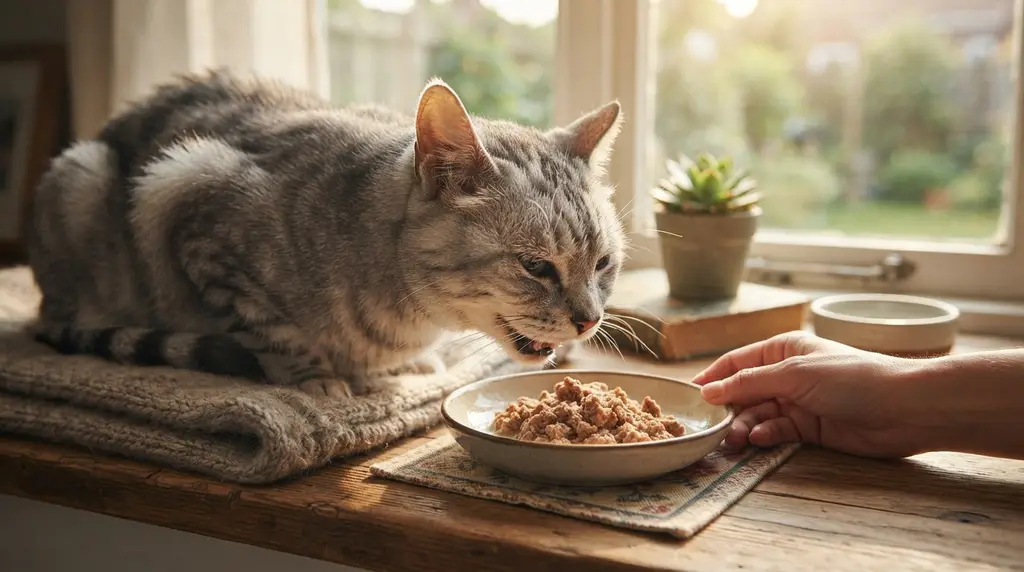
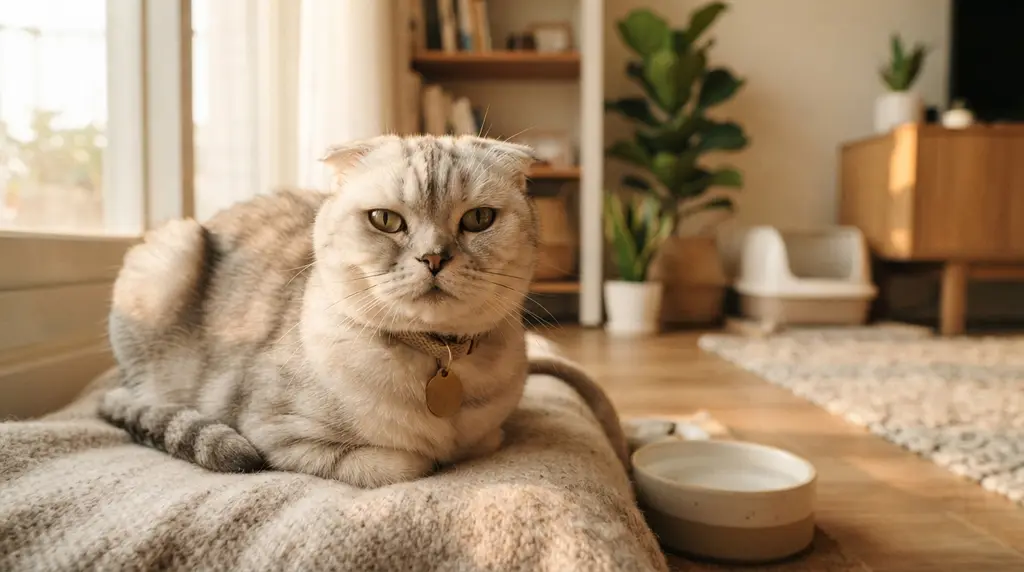
The average lifespan of a Scottish Fold cat is approximately 11-15 years. Well-cared-for individuals with good weight management can live to 16 or 17 years old, which is not uncommon. What truly shortens their quality of life isn't a short lifespan, but the hereditary osteochondrodysplasia (OCD) that almost all Scottish Folds carry. The gene responsible for the folded ears also causes abnormal cartilage development throughout the body, leading to joint pain and degeneration that is almost "universal, varying only in severity and timing."
Key Takeaways
- The average lifespan of a Scottish Fold is 11-15 years, not significantly different from regular domestic cats, but joint diseases significantly impact their quality of life in the later years.
- The folded ears are caused by a dominant mutation in the TRPV4 gene. This same mutation causes abnormal cartilage development throughout the body, and all folded-ear individuals carry this gene. There are no Scottish Folds that are "only folded-eared with completely normal joints."
- Kittens born to two folded-ear parents (homozygous) are the most severely affected, showing obvious lameness and skeletal deformities between 7 weeks and 6 months of age. Those with a single folded-ear gene (heterozygous) typically develop symptoms between 6 months and 6 years of age, though some are not diagnosed until after 7 years old.
- The earliest and most easily overlooked signs by owners are: a stiff, thickened tail that is difficult to bend, swollen and bony joints in the hind legs/ankles, and a reduced jumping height or segmented jumps.
- Currently, there is no cure, but weight management (BCS 5/9) + an obstacle-free environment + long-term pain management under veterinary guidance are the three most effective ways to slow degeneration and maintain mobility.
Scottish Fold Lifespan: Average Numbers and the Real Variables
The Scottish Folds we've cared for at the cattery generally fall into two groups: one group could still jump onto a 60cm platform at 12 or 13 years old, while another group was reluctant to jump much by 4 or 5 years old and walked with small, hesitant steps. The difference usually isn't in their pedigree papers but in three factors:
1. Gene Dosage: Whether they are offspring of a "single folded-ear gene" or "double folded-ear gene."
2. Weight: Every extra kilogram significantly increases the load on their limbs and joint wear.
3. Early Pain Management: Pain → Immobility → Muscle Atrophy → More Pain. Once this vicious cycle begins, the rate of degeneration accelerates.
Therefore, when discussing "Scottish Fold lifespan," we are more concerned with the "pain-free years" – how many years they can run, jump, and use the litter box comfortably. This is the aspect that can truly be changed through care.
Why Do Scottish Folds Have Joint Pain? The Genetic Cost of Folded Ears
The reason Scottish Folds' ears fold is due to insufficient cartilage support in the ears. This is caused by a dominant mutation in the TRPV4 gene. However, cartilage isn't just in the ears – it also affects the development of cartilage and bones in the limbs, paws, and tail. Consequently, Scottish Folds may exhibit:
- New bone formation around the wrist and tarsal (ankle) joints, with uneven joint surfaces.
- Fusion of tail vertebrae, making the tail shorter, thicker, and less flexible.
- Shorter limb bones and premature degenerative changes in the joints (similar to osteoarthritis).
Homozygous vs. Heterozygous: A Significant Difference
- Homozygous (Fd/Fd, both parents are folded-ear): Symptoms are most severe. Lameness, swollen joints, and difficulty moving often appear in kittenhood. Some individuals experience lifelong pain, with significantly reduced lifespan and quality of life. Responsible breeders do not breed "folded-ear to folded-ear."
- Heterozygous (Fd/fd, one parent is straight-eared): Symptoms typically develop gradually after adulthood, with varying degrees of severity. Some cats only have a stiff tail or slight stiffness throughout their lives, while others develop noticeable arthritis between 3-5 years old.
If you want to understand the common care principles for "cat breeds with short legs and fragile joints," you can also read our guide on Are Munchkin Cats Easy to Care For? Genetic Diseases, Joint Care, and Preventing Jump Injuries. Many environmental modification principles are transferable.
Scottish Fold Symptom Onset Timeline
| Age Stage | Common Conditions | What Owners Should Do |
|---|---|---|
| 7 weeks - 6 months | Homozygous individuals may show lameness, swollen ankles, reluctance to move | Seek immediate veterinary care for baseline X-rays; avoid high jumps. |
| 6 months - 2 years | Most heterozygous individuals appear normal, but monitor tail flexibility | Get baseline X-rays of limbs/tail vertebrae by 1 year old. |
| 2 - 6 years | Most common symptom onset: reduced jumping ability, small steps, reduced grooming | Begin weight management, environmental modification (lower heights); return to vet if symptoms appear. |
| 6 - 10 years | Osteoarthritis progresses, potentially with muscle loss | Evaluate for long-term pain management, consider joint supplements, and have check-ups every six months. |
| 10+ years | Senior age + arthritis: difficulty using litter box, getting on/off sofas | Implement accessibility modifications, screen for chronic diseases (kidney, thyroid, heart). |
This table is a guideline, not a guarantee. We've encountered Scottish Folds at the cattery whose owners only discovered "their tail has always been stiff" at 8 years old.
At-Home Pain Observation Indicators: Cats Don't Cry Out in Pain, They Just "Do Less"
Cats rarely express chronic pain through vocalization; instead, they quietly reduce certain activities. We recommend checking for these 8 indicators once a month for about five minutes:
1. Changes in Jumping Behavior
If they used to leap onto the dining table but now jump onto a chair first, then the table, or hesitate for 2-3 seconds before jumping; if they land "front paws first, back paws slowly following" – these are strong indicators of joint pain.
2. Gait and Posture
- Shorter strides when walking, like taking tiny steps.
- "Bunny hopping" where both hind legs move together.
- Standing with front paws splayed outwards, not flat on the ground.
- Sitting in a "human-like" position (hind legs stretched forward).
3. Tail Palpation
Gently slide your hand from the base of the tail towards the tip and try to bend it. A healthy cat's tail is soft and can curl; if a Scottish Fold's tail base is thick and stiff like a stick, and they resist bending or tuck their body, it indicates bony changes in the tail vertebrae. This is one of the earliest clues that can be easily detected at home.
4. Joint Palpation
Compare the wrists (front ankles) and ankles of both hind legs. Feel for swelling, lumps, or rough, uneven surfaces. If you press, do they flinch, flatten their ears, or dilate their pupils? Be gentle; stop if it causes pain.
5. Grooming and Cleanliness
Increased matting in the fur on their back, tail base, and inner hind legs often means "they can't bend down to lick" rather than laziness. If a Scottish Fold's coat condition deteriorates, consider their joints first, then their skin.
6. Litter Box Behavior
Pausing before entering the box, urinating at the edge, not covering their waste, or assuming a semi-squatting, unstable posture – a high-entry litter box can be a significant barrier for a cat in pain. We've written more extensively on this in How to Choose a Litter Box for Senior Cats? Low-Entry Accessible Modifications, Troubleshooting Inappropriate Urination, and Arthritis Litter Box Care Guide.
7. Sleeping Location Changes to Lower Areas
If they used to sleep on top of wardrobes but now only sleep on the sofa or floor mats, it's because they "don't dare to jump" rather than a change in preference.
8. Personality Changes
Hissing, suddenly biting, or hiding when their back or waist is touched or when being picked up. Pain is one of the most commonly overlooked causes of behavioral changes in cats.
> ⚠️ If lameness is accompanied by loss of appetite, lethargy, or fever, it should not be treated solely as joint pain. Rule out infections or inflammatory diseases. For guidance on how to assess fever, refer to What to Do If Your Cat Has a Fever? Normal Temperature, How to Measure Temperature, and Danger Signs Explained and seek veterinary attention promptly.
Scottish Fold Joint Care: Daily Practices to Slow Degeneration
Weight Management is Priority Number One
This is the only pain relief method that is "free and yields the most significant results." The goal is a body condition score (BCS) of 5/9: ribs are palpable but not visible, and there's a noticeable waistline when viewed from above. Scottish Folds, due to their lower activity levels, can easily gain 1kg between 2-4 years old. It's recommended to calculate their daily caloric intake accurately using formulas and not rely on visual estimation. Refer to How Much Should a Cat Eat Per Day? Cat Feeding Amount Calculation Formula (RER/DER Calorie Conversion).
In practice, we recommend: weighing your cat on the same scale at the same time every two weeks. Adjust food intake based on a 200-gram threshold; this is much easier than waiting until they "look fat" to start a diet.
Environmental Modification: Turning Vertical Space into Steps
- Limit height differences to 20-25 cm per step. Use low stools, storage bins, or cat stairs as intermediate platforms.
- Ensure alternative routes are available for frequently used paths (sofa, bed, windowsill).
- Lay anti-slip mats or puzzle mats on slippery floors; skidding can make cats hesitant to step and increase compensatory strain.
- Choose sleeping spots that are low-sided, easy to access, and provide support, avoiding deep, sunken beds.
Litter Box and Feeding Station Details
- Litter box entry height should ideally be below 8-10 cm. The box should be large enough (at least 1.5 times the cat's body length) so they don't have to twist their body.
- Place a litter box on each floor and in each activity area to minimize long-distance travel.
- Choose fine-grained, soft-textured cat litter that doesn't irritate paws. Cats with painful joints may refuse to enter the box if the litter is hard and coarse.
- Elevate food and water bowls by 5-10 cm to reduce the strain on their front limbs and neck when lowering their heads.
If your current litter box has a high threshold, switching to one with a low opening and easy entry (like our own Butter Toast Litter Box) will usually encourage them to use it and cover their waste within a day or two.
Nutrition and Supplements: Prioritize Evidence-Based Options
- Omega-3 (EPA/DHA, fish oil): Currently the most evidence-supported nutritional support for feline osteoarthritis. It can reduce inflammation, and in some cats, it may allow for a reduction in pain medication dosage. Consult your veterinarian for appropriate dosage based on weight; do not administer high doses intended for humans.
- Glucosamine/Chondroitin/Green-Lipped Mussel: Evidence level is moderate, and they are generally safe. They can be used as adjuncts and typically require 6-8 weeks of continuous administration to assess effectiveness.
- Adequate Protein: Maintaining muscle is crucial for protecting joints. Do not excessively restrict protein for weight loss. High-protein, palatable wet food can be beneficial. Refer to How to Choose the Best Wet Food for Picky Cats? Evaluating Meat Content, Gum-Free, Low-Carb Options, and Palatability for selection criteria.
Warmth and Activity
Cats with joint pain become stiffer in winter and air-conditioned rooms. Maintain a temperature of 24-27°C and provide a warm sleeping spot (heated, but with a cool area available to leave). Warming the room before they wake up in the morning will help them take their first steps much more smoothly.
Activity is not to be avoided, but rather low-impact activity: use a wand toy to move horizontally along the floor, encouraging them to walk rather than make sudden vertical leaps. 2-3 sessions of 3-5 minutes each per day are sufficient.
Things to Absolutely Avoid
- Never give human painkillers: Acetaminophen (Tylenol) and ibuprofen are toxic to cats and can be fatal.
- Do not self-medicate with joint or pain products intended for dogs long-term.
- Do not "wait until they are in severe pain to intervene"; the longer chronic pain is left untreated, the harder it is to reverse central sensitization.
What Can Veterinarians Do?
- Baseline X-rays: It's recommended to get a set of X-rays of the limbs and tail by 1 year old. This provides a baseline for comparison if changes occur later.
- Long-term Pain Management: Feline NSAIDs (such as robenacoxib or low-dose meloxicam long-term protocols) require monitoring of kidney function. More recently, anti-nerve growth factor monoclonal antibodies (like frunevetmab) are available as monthly injections for pain relief, suitable for cats with kidney concerns. Discuss suitability with your veterinarian.
- Screening for Comorbidities: For cats over 7 years old, biannual blood tests and blood pressure checks are recommended, as arthritis often coexists with chronic kidney disease and hyperthyroidism. If your cat starts losing significant weight, don't automatically attribute it to aging; first refer to Is It Normal for Senior Cats to Lose Weight? 5 Major Disease Warning Signs and Nutritional Care for Weight Gain in Elderly Cats.
- Rehabilitation: Some clinics offer laser therapy, hydrotherapy, and passive range of motion exercises, which can help maintain joint mobility.
Scottish Fold Care: Enhanced Focus for Senior Cats (7+ Years)
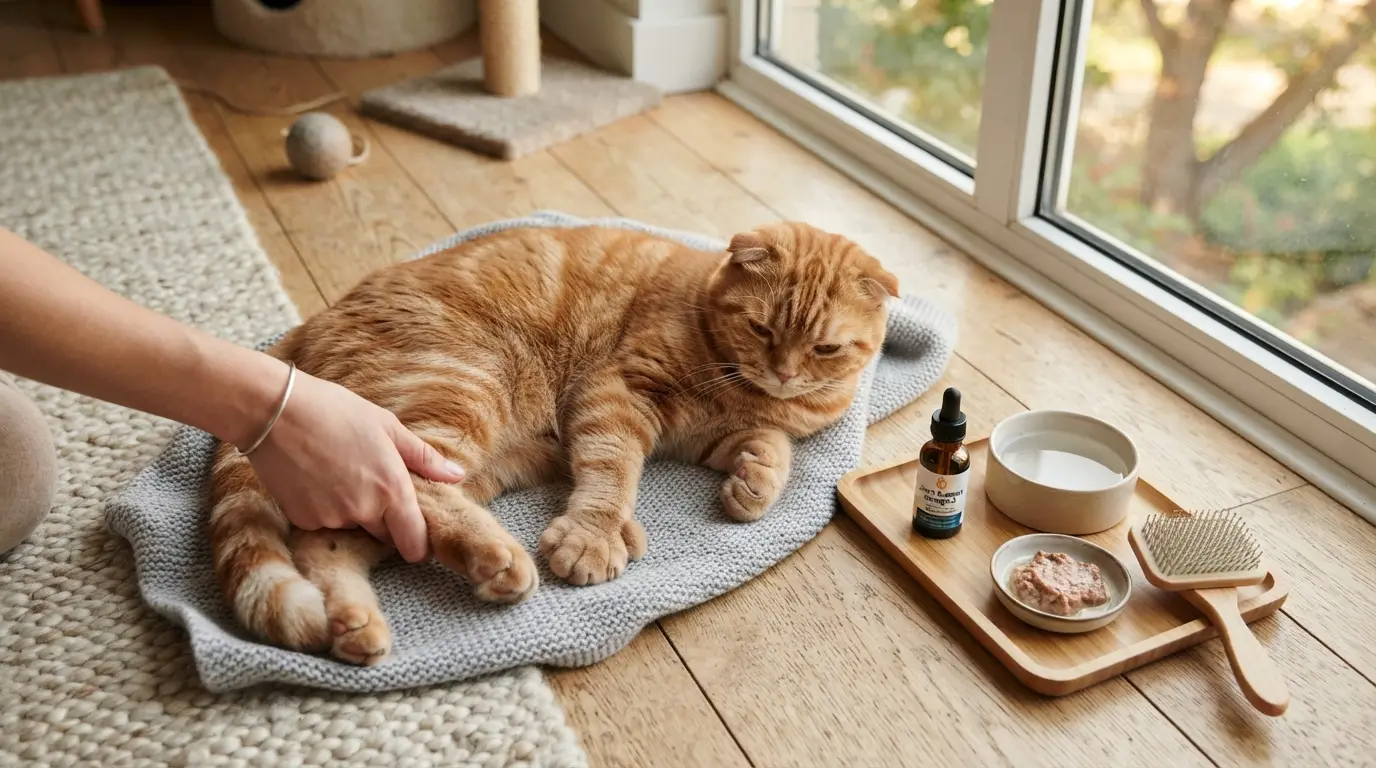
1. Record a 15-second walking video monthly: Film from the side and at eye level. Long-term comparison is much more reliable than memory, and your vet can directly assess it during check-ups.
2. Increase grooming frequency: What they can't reach themselves, you need to groom. Brush the tail base and inner hind legs every 2-3 days.
3. Bathe with extra caution: Do not forcibly lift their hind legs, avoid prolonged standing under the water stream, and always use a non-slip mat. Complete the bath within 10 minutes. If bathing at home is difficult, it's safer to entrust it to an experienced groomer. Our Grooming Appointments are adapted for cats with joint issues, using seated washing and shorter drying times.
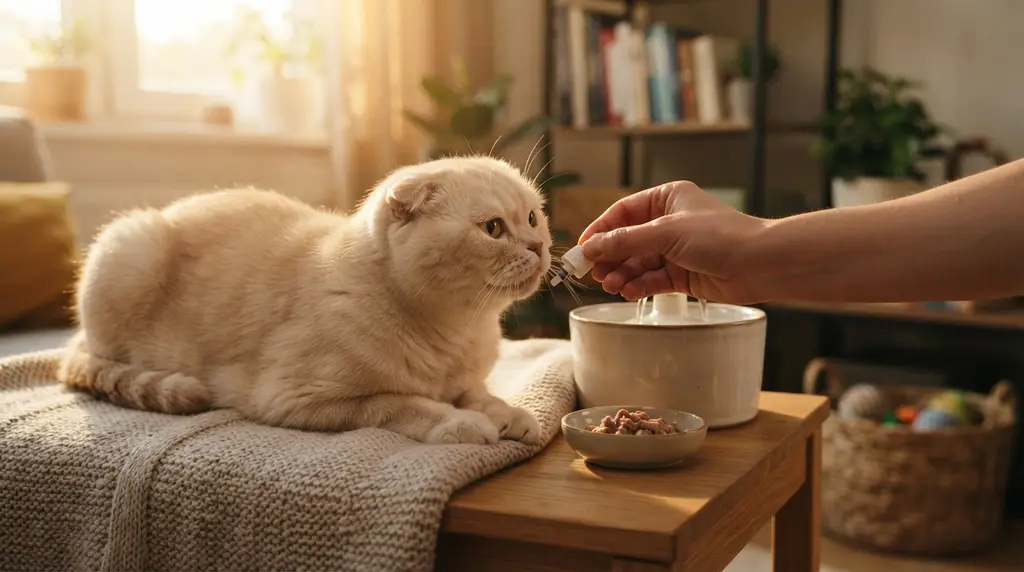
4. Establish medication routines: Arthritis often requires long-term medication. While your cat is still healthy, practice their acceptance of oral medications, syringe administration, or being mixed with wet food.
What About Boarding?
For Scottish Folds with joint issues, the type of boarding facility is more important than the price: it needs sufficient flat living space, low or removable climbing structures, low-threshold litter boxes, and non-slip flooring. When we board senior cats and those with joint diseases, we lower climbing platforms to under 20cm, use low-sided litter boxes, and record their eating, elimination, and mobility status daily. If you are looking for such an environment, refer to Can Senior Cats Stay in Cat Hotels? Guide to Assessing Senior Cat Boarding, Medication Administration, and Choosing the Right Cat Hotel, or when you Book a Cattery Stay, mention their joint condition and medication schedule in the notes.
An Honest Word About "Should I Get a Scottish Fold?"
As frontline caregivers, our stance is simple: Scottish Folds already in your home deserve the best pain relief and care. However, we do not recommend intentionally purchasing Scottish Fold kittens, and we absolutely oppose breeding folded-ear to folded-ear. Several regions, including Scotland, have restricted or opposed the breeding of this breed due to the inability to breed out the pain – it is linked to the same gene that causes the folded ears.
If you are drawn to the round face and gentle personality of Scottish Folds, their straight-eared littermates (Scottish Straights) do not carry this mutation and are a more responsible choice.
Frequently Asked Questions
Do Scottish Folds Live Shorter Lives Than Other Cats?
Their average lifespan is about 11-15 years, similar to the overall average for domestic cats. However, joint pain significantly reduces their mobility and quality of life in later years. Severely affected homozygous individuals may have their lifespan shortened due to chronic pain.
Are Scottish Folds Guaranteed to Develop Symptoms? When Do They Start?
All folded-ear individuals carry the gene responsible for the condition, though the severity varies. Those born to two folded-ear parents may develop symptoms between 7 weeks and 6 months of age. Those with a single folded-ear gene typically show symptoms between 6 months and 6 years of age, with a few not being diagnosed until after 7 years old.
Does a Stiff Tail Mean Joint Problems?
A thick, stiff, and inflexible tail base is a typical sign of osteochondrodysplasia in Scottish Folds. It's recommended to get X-rays to confirm the condition of their limb joints and begin weight and environmental management.
Is Glucosamine Useful for Scottish Fold Joint Care?
Glucosamine and chondroitin play a supportive role, with moderate evidence levels. Omega-3 (fish oil) and weight management have more definitive effects. Cats experiencing significant pain still require prescription pain medication from a veterinarian.
Can Scottish Folds Use Cat Trees?
Yes, but the height differences should be limited to 20-25 cm per step, and non-slip surfaces should be used to prevent direct high jumps. The impact of vertical jumping accelerates joint degeneration; using stairs is much safer than jumping.
Finally, a reminder: If lameness or stiffness rapidly worsens within a few days, or if it's accompanied by loss of appetite, fever, or inability to stand, seek veterinary attention immediately. Do not assume it's just an "old ailment."
Article by CatGarden Editorial Team
CatGarden offers curated supplies, cat boarding, and grooming
Book services or shop online.