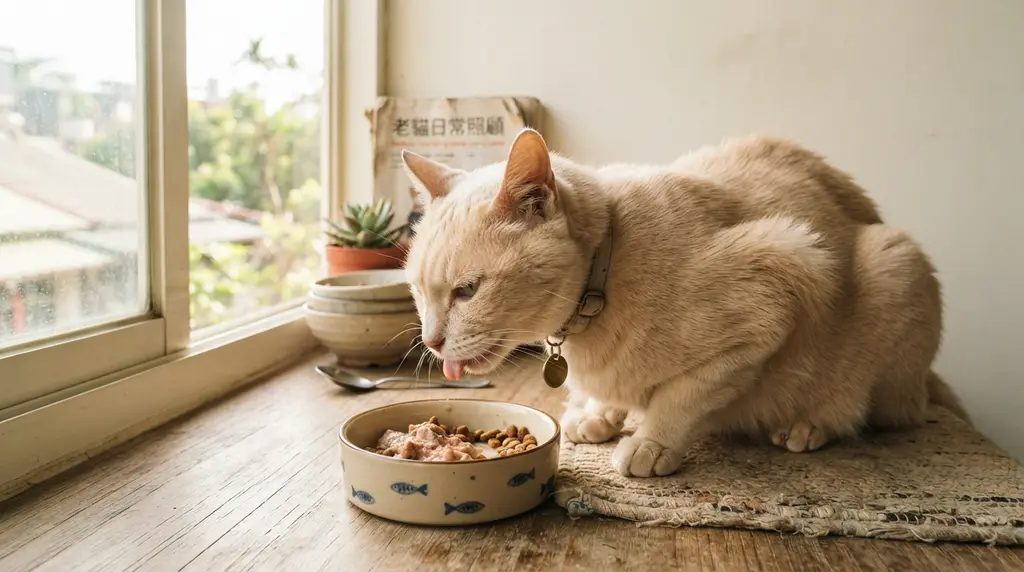
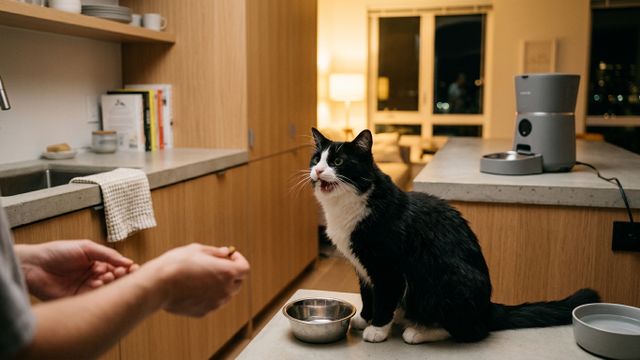
Is It Normal for Senior Cats to Lose Weight? 5 Disease Red Flags for Elderly Cats and Nutritional Care Guide for Weight Gain

Weight loss in senior cats almost always has a cause: if your cat loses more than 5% of its body weight, it's time for a veterinary check-up. This article outlines 5 major disease red flags for weight loss in elderly cats, methods for weighing your cat at home and assessing muscle mass, and nutritional and feeding techniques for safe weight gain.
CatGarden Editorial TeamPublished 2026/09/01Updated 2026/10/06
Senior cat careElderly cat healthCat disease symptomsCat nutritionWeight management
Is It Normal for Senior Cats to Lose Weight? 5 Disease Red Flags for Elderly Cats and Nutritional Care Guide for Weight Gain

Weight loss in senior cats is not a normal part of aging, but a health signal that requires investigation. Healthy senior cats typically maintain a relatively stable weight, even if muscle mass decreases. If your cat loses more than 5% of its body weight within 1-3 months (e.g., dropping from 5 kg to below 4.7 kg), there's usually a clear medical reason. The most common causes are chronic kidney disease, hyperthyroidism, diabetes, dental pain, and intestinal malabsorption.

At our boarding facility, we weigh all cats over 10 years old upon arrival. Many owners only realize their cat has lost weight when they see our records showing a 400-gram difference from their last stay. Because cats have fur, they can still feel plump, and weight loss is often "unnoticeable until the scale tells you."

Key Takeaways

  • A weight loss of over 5% in senior cats within 1-3 months (about 250g for a 5kg cat) is abnormal and warrants blood and urine tests. Don't wait until the weight loss is visually apparent.
  • The 5 most common causes of weight loss in senior cats are: chronic kidney disease, hyperthyroidism, diabetes, oral/dental pain, and intestinal malabsorption (including intestinal lymphoma and IBD).
  • "Good appetite but still losing weight" strongly suggests hyperthyroidism or diabetes; "decreased appetite with increased drinking and urination" points towards chronic kidney disease.
  • For cats over 7 years old, annual health checks including blood work, urinalysis, blood pressure, and thyroid hormone (T4) are recommended. For cats over 11, every 6 months.
  • To gain weight, senior cats need to address the underlying illness first. Focus on highly digestible animal protein, aiming for about 60-80 kcal/kg per day, fed in 4-6 small meals. Aim for a weight gain of no more than 1-2% of body weight per week.

I. Confirming Weight Loss: How to Weigh Your Cat Accurately at Home

"Feeling thin" is particularly unreliable in long-haired cats. Rely on numbers, not just your senses.

Use a Baby Scale or Kitchen Scale, Weighing Every Two Weeks

  • Use a digital scale with a minimum increment of 10 grams (a baby scale is ideal). Place your cat's carrier on the scale and zero it out, then place your cat inside the carrier and weigh them.
  • Weigh at a consistent time (e.g., before feeding on Sunday mornings) using the same scale. Record the weight in your phone's notes or calendar.
  • Interpretation standard: A weight change exceeding 5% is significant. A 200g loss for a 4kg cat or a 300g loss for a 6kg cat warrants a veterinary visit.

Feeling Muscle Mass Can Detect Problems Earlier Than Weight

Senior cats can develop sarcopenia, which is muscle loss. Some cats may not lose weight but replace muscle with fat and water, leading to a different feel:

  • Spine: Feel along the spine from the shoulders towards the tail. A healthy cat's bones will be palpable but smooth. If each vertebra protrudes sharply, like feeling an abacus, it indicates significant back muscle loss.
  • Shoulder Blades and Pelvis: Prominent protrusions with noticeable indentations on the sides indicate moderate to severe muscle loss.
  • Back of Thighs: Muscle loss in senior cats often starts in the hind legs. If your cat struggles to jump onto platforms or needs to "climb" up, this often appears before noticeable weight loss.

We most easily notice this when bathing cats. Once their fur is wet and slicked down, their skeletal structure becomes apparent. Many owners are shocked when they see photos of their cat's wet fur. This is why regular grooming, in addition to cleaning, offers the added benefit of a "health scan."

II. 5 Major Disease Red Flags for Weight Loss in Senior Cats

1. Chronic Kidney Disease (CKD) — The Most Common Culprit

The prevalence of chronic kidney disease is quite high in cats over 10 years old. As kidney function declines, protein is lost through urine, and toxins accumulate, causing nausea. Cats gradually lose their appetite and become thinner.

Typical combination of signs:

  • Increased water intake, noticeably larger and heavier urine clumps in the litter box (this is often the earliest home clue).
  • Fluctuating appetite, decreased interest in previously favorite canned foods, eating a few bites and walking away.
  • Occasional vomiting, bad breath, rough and dull coat.
  • "Stair-step" weight loss, dropping a little over time.

For information on the pathogenesis and preventative measures, you can read Why Do Cats Get Kidney Disease? Understanding the 4 Major Causes: Aging, Diet, Dehydration, and Genetics.

2. Hyperthyroidism — The "Eats a Lot but Loses Weight" Champion

If your cat has an increased appetite, constantly begs for food, yet is losing weight, hyperthyroidism should be the top suspect. Excess thyroid hormone speeds up metabolism to the extreme, making the cat burn through all ingested calories like an engine running on overdrive.

Common accompanying symptoms:

  • Rapid heart rate (over 200 beats per minute at rest).
  • Increased anxiety, vocalizing at night, restlessness.
  • Increased vomiting or soft stools.
  • Messy coat, reduced grooming, greasy feel to the fur.

For detailed diagnosis and treatment options (medication, radioactive iodine, prescription diets), see The Complete Guide to Feline Hyperthyroidism: 3 Major Symptoms of Weight Loss Despite Increased Appetite and Rapid Heart Rate, and Treatment Options. If your senior cat also cries excessively at night, consider reading Senior Cat Crying All Night? First Consider Dementia (CDS), Hyperthyroidism, and Pain: 3 Causes and Soothing Care.

3. Diabetes — Increased Thirst and Urination with Hind Leg Weakness

Diabetic cats also "eat a lot but lose weight" because glucose cannot enter cells, forcing the body to burn fat and muscle.

  • Significant increase in water intake, litter box clumps become so large that more litter is needed.
  • Urine may have a sweet or strong odor.
  • Plantigrade stance (walking on the hocks, as if squatting) is a typical late-stage sign in the hind legs.
  • Lethargy, poor coat condition.

If your cat stops eating altogether, vomits, breathes deeply and rapidly, and has a fruity breath odor, it could be diabetic ketoacidosis, which is a medical emergency requiring immediate veterinary attention.

4. Oral and Dental Problems — Wants to Eat but It Hurts Too Much

This category is easily overlooked because cats cannot express pain. Periodontal disease, tooth resorption lesions (FORL), and oral ulcers can cause cats to "walk to the bowl and walk away."

Common clues observed at our facility:

  • Only eats wet food, dry food is left in the bowl; or paws dry food out of the bowl, licks it, and then doesn't eat.
  • Chews on one side, suddenly shakes head, jumps away mid-meal.
  • Increased drooling, wet fur on the chin, very bad breath.
  • Pawing at the face, reduced grooming (because the tongue touches painful areas).

For comprehensive information on managing dental decline and dietary changes, refer to What to Do If Your Senior Cat Isn't Eating? 5 Tips to Safely Boost Appetite for Elderly Cats, from Dental Decline and Reduced Smell to Disease Screening.

5. Intestinal Malabsorption, Tumors, and Other Issues

The cat eats enough, but nutrients aren't absorbed:

  • Inflammatory Bowel Disease (IBD) / Intestinal Lymphoma: Chronic soft stools, intermittent vomiting, and steady weight loss are common causes of emaciation in middle-aged and older cats. The symptoms of these two conditions overlap significantly, requiring ultrasound and biopsy for differentiation.
  • Exocrine Pancreatic Insufficiency, Chronic Pancreatitis: Fatty stools, greasy and foul-smelling feces, fluctuating appetite.
  • Endocrine problems other than hyperthyroidism, heart disease, chronic infections, cancer: These can also lead to cachexia-type muscle loss.
  • Parasites: Can occur even in strictly indoor cats. Fecal testing is inexpensive and worthwhile.

If your cat also vomits yellow liquid, refer to Why Do Cats Vomit Yellow Liquid? A Guide to Differentiating Between Vomiting Bile on an Empty Stomach, Hairball Irritation, and Acute Pancreatitis, and When to Seek Veterinary Care. Additionally, if your senior cat loses its appetite completely and hides, be aware of potential fever or infection. Refer to What to Do If Your Cat Has a Fever? Normal Temperature, How to Take Temperature, and Warning Signs at a Glance.

What we use for this

CatGarden’s own products, shipped from Taiwan
See all products
Luxe Functional CansLuxe Functional CansFrom US$3.79 per canFree shipping on multi-packs

III. What Tests to Expect at the Vet: Prepare This Information

Consultation time is limited. Bringing the right information can save a lot of back-and-forth. It's recommended to prepare:

1. Weight Record: Numbers from the last 3-6 months, as detailed as possible.

2. Dietary Record: Brand, actual amount eaten per day (grams/cans), not just "how much was given."

3. Changes in Water Intake and Urination: Large litter box clumps are an important clue; take photos.

4. A 30-second Video: Showing walking/jumping, plantigrade stance, hind leg weakness, or inability to jump up.

5. Photos or Samples of Stool: Soft stools, greasy stools, or blood in the stool are critical.

A reasonable baseline diagnostic panel typically includes: complete blood count, biochemistry (including kidney values BUN/CREA, SDMA, liver enzymes, glucose), electrolytes, total T4, urinalysis (including specific gravity, proteinuria), blood pressure, and abdominal ultrasound if necessary.

Recommended Check-up Frequency: Every 6-12 months for cats over 7 years old; every 6 months for cats over 11 years old. Senior cats often have multiple concurrent conditions, so a comprehensive check-up can provide a clearer picture.

IV. Safe Weight Gain: Practical Nutritional Care for Senior Cats

Principle 1: Treat the Illness First, Then Focus on Weight Gain

Simply increasing food intake without addressing the underlying cause can lead to a hyperthyroid cat eating more but losing more weight, or a kidney patient being burdened by high protein and phosphorus. Always follow your veterinarian's recommendations for any dietary adjustments.

Principle 2: Calculate Calories Accurately, Don't Guess

The caloric needs for senior cats to maintain weight are approximately 60-80 kcal/kg per day (activity level and disease status will influence this). For a 4kg senior cat aiming to gain weight, this translates to about 240-320 kcal per day. Practical application:

  • Check the calorie information on the food packaging (kcal/100g or kcal/can). Use a scale to measure the actual amount fed, don't estimate by "one can."
  • Monitor weight weekly, aiming for a gain of 1-2% of body weight per week (about 40-80g per week for a 4kg cat). Rapid weight gain is not friendly to the liver or pancreas.

For more detailed portioning and wet food ratios, refer to How Much Should a Senior Cat Eat Daily? Calculating Portions, Wet Food Ratios, and Small, Frequent Meals for Elderly Cats.

Principle 3: Protein Should Be "Sufficient and Highly Digestible"

The key to muscle loss in senior cats is often not insufficient calories, but insufficient protein. Unless your veterinarian has advised protein restriction for advanced kidney disease, senior cats should maintain adequate amounts of highly digestible animal protein (chicken, fish, organ meats, etc.), rather than relying on carbohydrates for calories. When choosing canned food, look for:

  • The first three ingredients are clearly identifiable meats (e.g., "Tuna," "Chicken," not "Meat By-products").
  • The packaging lists kcal and crude protein percentage, allowing for actual calculation.
  • A variety of textures: pâté, mousse, finely ground meat, which are easier for cats with dental issues to swallow.

When adding "special treats" for senior cats with dental problems, we often use high-protein, smooth-textured Luxury Functional Cans as an "appetizer" to stimulate appetite, before mixing in their main meal. Acceptance is usually better than switching directly to a new main food.

Principle 4: Maximize "Aroma" and "Temperature"

Cats rely on their sense of smell to decide whether to eat, and this sense can decline in older cats. The three most effective techniques used at our facility:

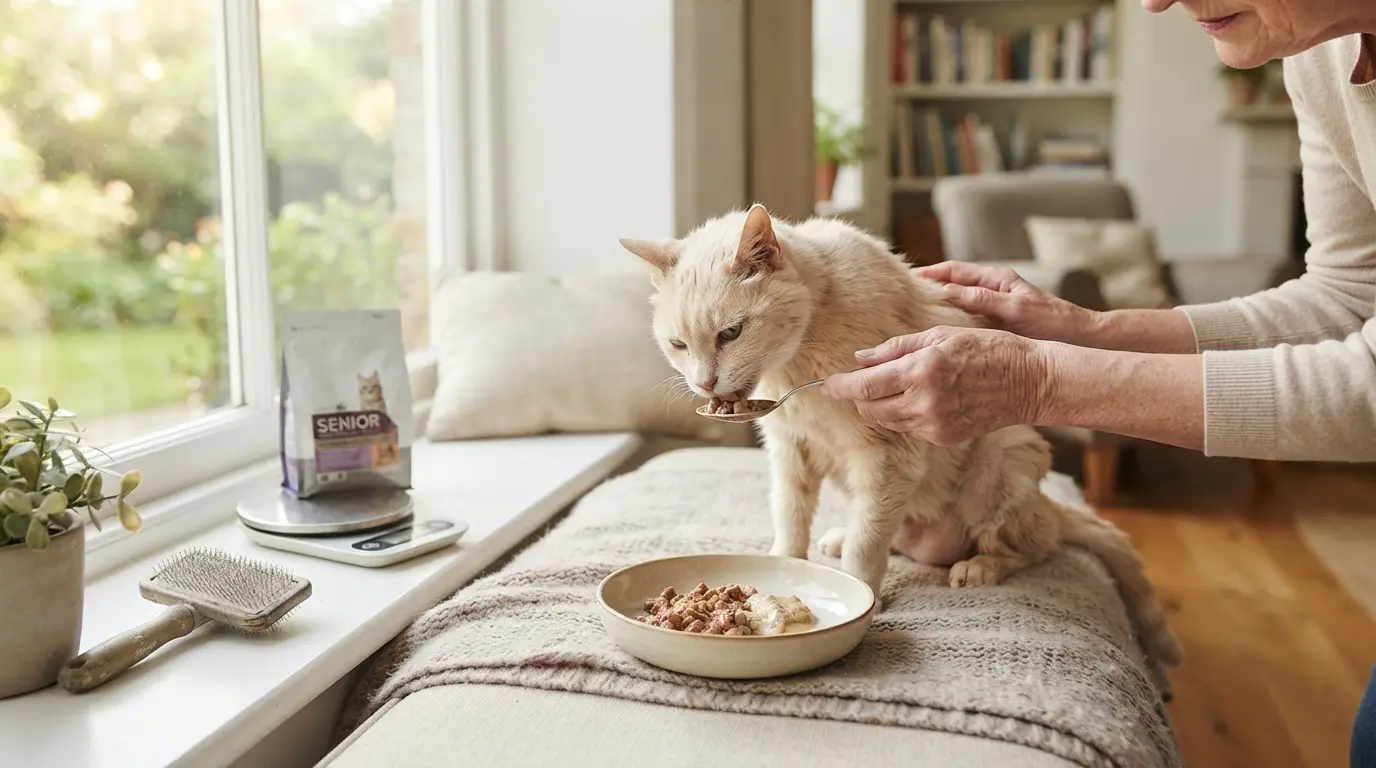
1. Warm to near body temperature (approx. 35-38°C): Use a warm water bath or microwave for 5-8 seconds, stirring thoroughly. Always test the temperature to avoid hot spots. The released aroma often entices cats to eat.

2. Mix with Warm Water: Add 1-2 tablespoons of warm water to create a gravy-like consistency. This also helps with hydration, which is particularly beneficial for cats with kidney disease.

3. Sprinkle Flavor Enhancers: A thin layer of unsweetened meat floss, freeze-dried meat powder, or cat nutritional powder on top.

Principle 5: Small, Frequent Meals + Reduce Mealtime Stress

  • Feed 4-6 small meals per day, keeping portions small and fresh. This is more effective than offering one large meal.
  • Use wide, shallow bowls to prevent whisker fatigue. For senior cats with neck or joint issues, raising the bowls 5-10 cm can significantly improve their willingness to eat.
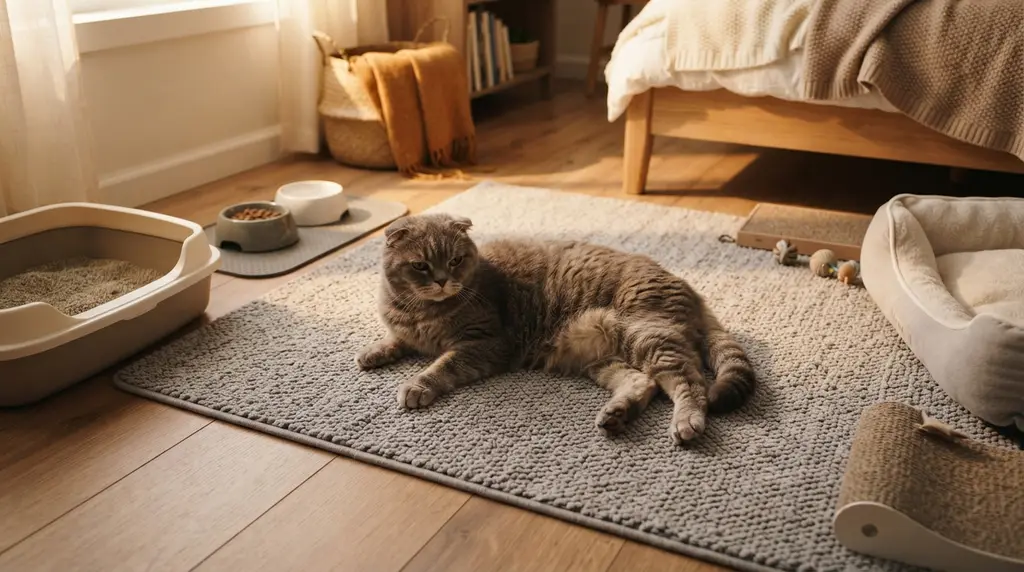
  • Place food and water bowls away from the litter box and high-traffic areas. In multi-cat households, feed in separate areas. Senior cats eat slower and can be easily outcompeted by younger cats.
  • For senior cats with unstable digestion or chronic soft stools, consult your veterinarian about supplementing with Specialty Probiotics to help stabilize digestion and absorption. However, probiotics are supplementary and cannot replace a diagnosis.

Principle 6: Don't Neglect "Absorption"

Eating doesn't equal absorption. If your cat consistently has soft stools, greasy stools, or large amounts of feces, the issue lies with the intestines themselves, not necessarily the quantity of food. Also, pay attention to hairball passage: accumulated hairballs can affect appetite and vomiting frequency, especially in long-haired senior cats who need regular grooming.

V. When to Seek Immediate Veterinary Care and Not Wait

If any of the following occur, schedule an appointment the same day or the next day. Do not wait:

  • Complete refusal to eat for over 24 hours (higher risk for senior and overweight cats, can lead to hepatic lipidosis).
  • Weight loss exceeding 10% within one month.
  • Vomiting more than 3 times in a day, or vomiting for two consecutive days.
  • Rapid breathing, open-mouth breathing, bluish tongue.
  • Hiding and unresponsive, uncoordinated walking.
  • Complete inability to urinate or straining to urinate (especially dangerous for male cats).

If you're unsure whether to "wait and observe," refer to the decision-making chart in Cat Not Eating, Drinking, or Sleeping All Day: Normal Lethargy or Warning Sign? The Golden 24-Hour Observation and Vet Visit Decision Chart.

VI. Caring for Frail Senior Cats When You're Away

Senior cats who are losing weight, on medication adjustments, or have fluctuating appetites are most prone to "not eating when the environment changes." Our practical approach is:

  • Inform the boarding facility 1-2 weeks in advance about the current medical condition, medication schedule, and dosage. Bring your cat's usual food and do not change their diet during their stay.
  • Request daily weight records and intake logs for each meal, not just a general "ate." This is the fastest way to detect abnormalities.
  • Long-term unsupervised care is not recommended for senior cats with chronic illnesses. Someone needs to be able to observe changes in appetite and demeanor and report them.

If your senior cat has chronic kidney disease or hyperthyroidism and is on medication, it's recommended to read Can Senior Cats Stay at a Cat Hotel? A Comprehensive Guide to Assessing Care Needs for Elderly Cats, Administering Medications, and Choosing a Suitable Cat Hotel. We also accept senior cats and those with chronic illnesses, meticulously recording their meal intake and daily weight. Feel free to discuss your needs with us before booking a boarding stay at our Banqiao facility.

Frequently Asked Questions

Is weight loss in senior cats always a sign of illness? Could it just be aging?

Aging can lead to decreased muscle mass and digestive efficiency, but a healthy senior cat's weight should remain relatively stable. Clinically, significant weight loss (over 5% in 3 months) is almost always attributable to a medical reason. It's recommended to perform blood and urine tests to rule out underlying conditions, rather than assuming it's just aging.

My senior cat is losing weight but has a good appetite. What could be the problem?

The most typical causes are hyperthyroidism and diabetes, both of which can lead to a cat "eating a lot but still losing weight." Intestinal malabsorption (like IBD, intestinal lymphoma) or exocrine pancreatic insufficiency are also possibilities. For this combination of symptoms, arrange for blood tests and total T4 and glucose checks as soon as possible.

Can I buy weight gain nutritional supplements or high-calorie food for my senior cat myself?

Short-term use to increase caloric intake can be helpful, but it cannot replace a diagnosis. If the cause is hyperthyroidism or kidney disease, excessive supplementation can lead to further weight loss or worsen the condition. It's best to get a diagnosis first, and then have your veterinarian determine the appropriate diet and whether prescription food is needed.

How many meals a day is best for a senior cat?

It's recommended to feed 4-6 small meals a day, keeping portions small and fresh, and warming the food to near body temperature to enhance aroma. This typically leads to better food intake for senior cats with dental issues or reduced sense of smell compared to just two meals a day.

How often should senior cats have health check-ups?

For cats over 7 years old, check-ups every 6-12 months are recommended. For cats over 11 years old, every 6 months. The check-up should include at least a complete blood count, biochemistry panel, urinalysis, blood pressure, and thyroid hormone (T4) test. If weight loss is already occurring, don't wait for the next routine check-up; schedule an appointment sooner.


A final reminder: This article provides care guidelines and observation indicators, and cannot replace veterinary diagnosis. If your senior cat's weight continues to decline, symptoms worsen, or they exhibit any of the emergency signs mentioned above, please take them to a veterinarian immediately.

Article by CatGarden Editorial Team

CatGarden offers curated supplies, cat boarding, and grooming

Book services or shop online.
Back

Blog

Is It Normal for Senior Cats to Lose Weight? 5 Disease Red Flags for Elderly Cats and Nutritional Care Guide for Weight Gain

CatGarden Editorial TeamPublished 2026/09/01Updated 2026/10/06
Senior cat careElderly cat healthCat disease symptomsCat nutritionWeight management
Is It Normal for Senior Cats to Lose Weight? 5 Disease Red Flags for Elderly Cats and Nutritional Care Guide for Weight Gain

Weight loss in senior cats is not a normal part of aging, but a health signal that requires investigation. Healthy senior cats typically maintain a relatively stable weight, even if muscle mass decreases. If your cat loses more than 5% of its body weight within 1-3 months (e.g., dropping from 5 kg to below 4.7 kg), there's usually a clear medical reason. The most common causes are chronic kidney disease, hyperthyroidism, diabetes, dental pain, and intestinal malabsorption.

At our boarding facility, we weigh all cats over 10 years old upon arrival. Many owners only realize their cat has lost weight when they see our records showing a 400-gram difference from their last stay. Because cats have fur, they can still feel plump, and weight loss is often "unnoticeable until the scale tells you."

Key Takeaways

  • A weight loss of over 5% in senior cats within 1-3 months (about 250g for a 5kg cat) is abnormal and warrants blood and urine tests. Don't wait until the weight loss is visually apparent.
  • The 5 most common causes of weight loss in senior cats are: chronic kidney disease, hyperthyroidism, diabetes, oral/dental pain, and intestinal malabsorption (including intestinal lymphoma and IBD).
  • "Good appetite but still losing weight" strongly suggests hyperthyroidism or diabetes; "decreased appetite with increased drinking and urination" points towards chronic kidney disease.
  • For cats over 7 years old, annual health checks including blood work, urinalysis, blood pressure, and thyroid hormone (T4) are recommended. For cats over 11, every 6 months.
  • To gain weight, senior cats need to address the underlying illness first. Focus on highly digestible animal protein, aiming for about 60-80 kcal/kg per day, fed in 4-6 small meals. Aim for a weight gain of no more than 1-2% of body weight per week.

I. Confirming Weight Loss: How to Weigh Your Cat Accurately at Home

"Feeling thin" is particularly unreliable in long-haired cats. Rely on numbers, not just your senses.

Use a Baby Scale or Kitchen Scale, Weighing Every Two Weeks

  • Use a digital scale with a minimum increment of 10 grams (a baby scale is ideal). Place your cat's carrier on the scale and zero it out, then place your cat inside the carrier and weigh them.
  • Weigh at a consistent time (e.g., before feeding on Sunday mornings) using the same scale. Record the weight in your phone's notes or calendar.
  • Interpretation standard: A weight change exceeding 5% is significant. A 200g loss for a 4kg cat or a 300g loss for a 6kg cat warrants a veterinary visit.

Feeling Muscle Mass Can Detect Problems Earlier Than Weight

Senior cats can develop sarcopenia, which is muscle loss. Some cats may not lose weight but replace muscle with fat and water, leading to a different feel:

  • Spine: Feel along the spine from the shoulders towards the tail. A healthy cat's bones will be palpable but smooth. If each vertebra protrudes sharply, like feeling an abacus, it indicates significant back muscle loss.
  • Shoulder Blades and Pelvis: Prominent protrusions with noticeable indentations on the sides indicate moderate to severe muscle loss.
  • Back of Thighs: Muscle loss in senior cats often starts in the hind legs. If your cat struggles to jump onto platforms or needs to "climb" up, this often appears before noticeable weight loss.

We most easily notice this when bathing cats. Once their fur is wet and slicked down, their skeletal structure becomes apparent. Many owners are shocked when they see photos of their cat's wet fur. This is why regular grooming, in addition to cleaning, offers the added benefit of a "health scan."

II. 5 Major Disease Red Flags for Weight Loss in Senior Cats

1. Chronic Kidney Disease (CKD) — The Most Common Culprit

The prevalence of chronic kidney disease is quite high in cats over 10 years old. As kidney function declines, protein is lost through urine, and toxins accumulate, causing nausea. Cats gradually lose their appetite and become thinner.

Typical combination of signs:

  • Increased water intake, noticeably larger and heavier urine clumps in the litter box (this is often the earliest home clue).
  • Fluctuating appetite, decreased interest in previously favorite canned foods, eating a few bites and walking away.
  • Occasional vomiting, bad breath, rough and dull coat.
  • "Stair-step" weight loss, dropping a little over time.

For information on the pathogenesis and preventative measures, you can read Why Do Cats Get Kidney Disease? Understanding the 4 Major Causes: Aging, Diet, Dehydration, and Genetics.

2. Hyperthyroidism — The "Eats a Lot but Loses Weight" Champion

If your cat has an increased appetite, constantly begs for food, yet is losing weight, hyperthyroidism should be the top suspect. Excess thyroid hormone speeds up metabolism to the extreme, making the cat burn through all ingested calories like an engine running on overdrive.

Common accompanying symptoms:

  • Rapid heart rate (over 200 beats per minute at rest).
  • Increased anxiety, vocalizing at night, restlessness.
  • Increased vomiting or soft stools.
  • Messy coat, reduced grooming, greasy feel to the fur.

For detailed diagnosis and treatment options (medication, radioactive iodine, prescription diets), see The Complete Guide to Feline Hyperthyroidism: 3 Major Symptoms of Weight Loss Despite Increased Appetite and Rapid Heart Rate, and Treatment Options. If your senior cat also cries excessively at night, consider reading Senior Cat Crying All Night? First Consider Dementia (CDS), Hyperthyroidism, and Pain: 3 Causes and Soothing Care.

3. Diabetes — Increased Thirst and Urination with Hind Leg Weakness

Diabetic cats also "eat a lot but lose weight" because glucose cannot enter cells, forcing the body to burn fat and muscle.

  • Significant increase in water intake, litter box clumps become so large that more litter is needed.
  • Urine may have a sweet or strong odor.
  • Plantigrade stance (walking on the hocks, as if squatting) is a typical late-stage sign in the hind legs.
  • Lethargy, poor coat condition.

If your cat stops eating altogether, vomits, breathes deeply and rapidly, and has a fruity breath odor, it could be diabetic ketoacidosis, which is a medical emergency requiring immediate veterinary attention.

4. Oral and Dental Problems — Wants to Eat but It Hurts Too Much

This category is easily overlooked because cats cannot express pain. Periodontal disease, tooth resorption lesions (FORL), and oral ulcers can cause cats to "walk to the bowl and walk away."

Common clues observed at our facility:

  • Only eats wet food, dry food is left in the bowl; or paws dry food out of the bowl, licks it, and then doesn't eat.
  • Chews on one side, suddenly shakes head, jumps away mid-meal.
  • Increased drooling, wet fur on the chin, very bad breath.
  • Pawing at the face, reduced grooming (because the tongue touches painful areas).

For comprehensive information on managing dental decline and dietary changes, refer to What to Do If Your Senior Cat Isn't Eating? 5 Tips to Safely Boost Appetite for Elderly Cats, from Dental Decline and Reduced Smell to Disease Screening.

5. Intestinal Malabsorption, Tumors, and Other Issues

The cat eats enough, but nutrients aren't absorbed:

  • Inflammatory Bowel Disease (IBD) / Intestinal Lymphoma: Chronic soft stools, intermittent vomiting, and steady weight loss are common causes of emaciation in middle-aged and older cats. The symptoms of these two conditions overlap significantly, requiring ultrasound and biopsy for differentiation.
  • Exocrine Pancreatic Insufficiency, Chronic Pancreatitis: Fatty stools, greasy and foul-smelling feces, fluctuating appetite.
  • Endocrine problems other than hyperthyroidism, heart disease, chronic infections, cancer: These can also lead to cachexia-type muscle loss.
  • Parasites: Can occur even in strictly indoor cats. Fecal testing is inexpensive and worthwhile.

If your cat also vomits yellow liquid, refer to Why Do Cats Vomit Yellow Liquid? A Guide to Differentiating Between Vomiting Bile on an Empty Stomach, Hairball Irritation, and Acute Pancreatitis, and When to Seek Veterinary Care. Additionally, if your senior cat loses its appetite completely and hides, be aware of potential fever or infection. Refer to What to Do If Your Cat Has a Fever? Normal Temperature, How to Take Temperature, and Warning Signs at a Glance.

What we use for this

CatGarden’s own products, shipped from Taiwan
See all products
Luxe Functional CansLuxe Functional CansFrom US$3.79 per canFree shipping on multi-packs

III. What Tests to Expect at the Vet: Prepare This Information

Consultation time is limited. Bringing the right information can save a lot of back-and-forth. It's recommended to prepare:

1. Weight Record: Numbers from the last 3-6 months, as detailed as possible.

2. Dietary Record: Brand, actual amount eaten per day (grams/cans), not just "how much was given."

3. Changes in Water Intake and Urination: Large litter box clumps are an important clue; take photos.

4. A 30-second Video: Showing walking/jumping, plantigrade stance, hind leg weakness, or inability to jump up.

5. Photos or Samples of Stool: Soft stools, greasy stools, or blood in the stool are critical.

A reasonable baseline diagnostic panel typically includes: complete blood count, biochemistry (including kidney values BUN/CREA, SDMA, liver enzymes, glucose), electrolytes, total T4, urinalysis (including specific gravity, proteinuria), blood pressure, and abdominal ultrasound if necessary.

Recommended Check-up Frequency: Every 6-12 months for cats over 7 years old; every 6 months for cats over 11 years old. Senior cats often have multiple concurrent conditions, so a comprehensive check-up can provide a clearer picture.

IV. Safe Weight Gain: Practical Nutritional Care for Senior Cats

Principle 1: Treat the Illness First, Then Focus on Weight Gain

Simply increasing food intake without addressing the underlying cause can lead to a hyperthyroid cat eating more but losing more weight, or a kidney patient being burdened by high protein and phosphorus. Always follow your veterinarian's recommendations for any dietary adjustments.

Principle 2: Calculate Calories Accurately, Don't Guess

The caloric needs for senior cats to maintain weight are approximately 60-80 kcal/kg per day (activity level and disease status will influence this). For a 4kg senior cat aiming to gain weight, this translates to about 240-320 kcal per day. Practical application:

  • Check the calorie information on the food packaging (kcal/100g or kcal/can). Use a scale to measure the actual amount fed, don't estimate by "one can."
  • Monitor weight weekly, aiming for a gain of 1-2% of body weight per week (about 40-80g per week for a 4kg cat). Rapid weight gain is not friendly to the liver or pancreas.

For more detailed portioning and wet food ratios, refer to How Much Should a Senior Cat Eat Daily? Calculating Portions, Wet Food Ratios, and Small, Frequent Meals for Elderly Cats.

Principle 3: Protein Should Be "Sufficient and Highly Digestible"

The key to muscle loss in senior cats is often not insufficient calories, but insufficient protein. Unless your veterinarian has advised protein restriction for advanced kidney disease, senior cats should maintain adequate amounts of highly digestible animal protein (chicken, fish, organ meats, etc.), rather than relying on carbohydrates for calories. When choosing canned food, look for:

  • The first three ingredients are clearly identifiable meats (e.g., "Tuna," "Chicken," not "Meat By-products").
  • The packaging lists kcal and crude protein percentage, allowing for actual calculation.
  • A variety of textures: pâté, mousse, finely ground meat, which are easier for cats with dental issues to swallow.

When adding "special treats" for senior cats with dental problems, we often use high-protein, smooth-textured Luxury Functional Cans as an "appetizer" to stimulate appetite, before mixing in their main meal. Acceptance is usually better than switching directly to a new main food.

Principle 4: Maximize "Aroma" and "Temperature"

Cats rely on their sense of smell to decide whether to eat, and this sense can decline in older cats. The three most effective techniques used at our facility:

1. Warm to near body temperature (approx. 35-38°C): Use a warm water bath or microwave for 5-8 seconds, stirring thoroughly. Always test the temperature to avoid hot spots. The released aroma often entices cats to eat.

2. Mix with Warm Water: Add 1-2 tablespoons of warm water to create a gravy-like consistency. This also helps with hydration, which is particularly beneficial for cats with kidney disease.

3. Sprinkle Flavor Enhancers: A thin layer of unsweetened meat floss, freeze-dried meat powder, or cat nutritional powder on top.

Principle 5: Small, Frequent Meals + Reduce Mealtime Stress

  • Feed 4-6 small meals per day, keeping portions small and fresh. This is more effective than offering one large meal.
  • Use wide, shallow bowls to prevent whisker fatigue. For senior cats with neck or joint issues, raising the bowls 5-10 cm can significantly improve their willingness to eat.
  • Place food and water bowls away from the litter box and high-traffic areas. In multi-cat households, feed in separate areas. Senior cats eat slower and can be easily outcompeted by younger cats.
  • For senior cats with unstable digestion or chronic soft stools, consult your veterinarian about supplementing with Specialty Probiotics to help stabilize digestion and absorption. However, probiotics are supplementary and cannot replace a diagnosis.

Principle 6: Don't Neglect "Absorption"

Eating doesn't equal absorption. If your cat consistently has soft stools, greasy stools, or large amounts of feces, the issue lies with the intestines themselves, not necessarily the quantity of food. Also, pay attention to hairball passage: accumulated hairballs can affect appetite and vomiting frequency, especially in long-haired senior cats who need regular grooming.

V. When to Seek Immediate Veterinary Care and Not Wait

If any of the following occur, schedule an appointment the same day or the next day. Do not wait:

  • Complete refusal to eat for over 24 hours (higher risk for senior and overweight cats, can lead to hepatic lipidosis).
  • Weight loss exceeding 10% within one month.
  • Vomiting more than 3 times in a day, or vomiting for two consecutive days.
  • Rapid breathing, open-mouth breathing, bluish tongue.
  • Hiding and unresponsive, uncoordinated walking.
  • Complete inability to urinate or straining to urinate (especially dangerous for male cats).

If you're unsure whether to "wait and observe," refer to the decision-making chart in Cat Not Eating, Drinking, or Sleeping All Day: Normal Lethargy or Warning Sign? The Golden 24-Hour Observation and Vet Visit Decision Chart.

VI. Caring for Frail Senior Cats When You're Away

Senior cats who are losing weight, on medication adjustments, or have fluctuating appetites are most prone to "not eating when the environment changes." Our practical approach is:

  • Inform the boarding facility 1-2 weeks in advance about the current medical condition, medication schedule, and dosage. Bring your cat's usual food and do not change their diet during their stay.
  • Request daily weight records and intake logs for each meal, not just a general "ate." This is the fastest way to detect abnormalities.
  • Long-term unsupervised care is not recommended for senior cats with chronic illnesses. Someone needs to be able to observe changes in appetite and demeanor and report them.

If your senior cat has chronic kidney disease or hyperthyroidism and is on medication, it's recommended to read Can Senior Cats Stay at a Cat Hotel? A Comprehensive Guide to Assessing Care Needs for Elderly Cats, Administering Medications, and Choosing a Suitable Cat Hotel. We also accept senior cats and those with chronic illnesses, meticulously recording their meal intake and daily weight. Feel free to discuss your needs with us before booking a boarding stay at our Banqiao facility.

Frequently Asked Questions

Is weight loss in senior cats always a sign of illness? Could it just be aging?

Aging can lead to decreased muscle mass and digestive efficiency, but a healthy senior cat's weight should remain relatively stable. Clinically, significant weight loss (over 5% in 3 months) is almost always attributable to a medical reason. It's recommended to perform blood and urine tests to rule out underlying conditions, rather than assuming it's just aging.

My senior cat is losing weight but has a good appetite. What could be the problem?

The most typical causes are hyperthyroidism and diabetes, both of which can lead to a cat "eating a lot but still losing weight." Intestinal malabsorption (like IBD, intestinal lymphoma) or exocrine pancreatic insufficiency are also possibilities. For this combination of symptoms, arrange for blood tests and total T4 and glucose checks as soon as possible.

Can I buy weight gain nutritional supplements or high-calorie food for my senior cat myself?

Short-term use to increase caloric intake can be helpful, but it cannot replace a diagnosis. If the cause is hyperthyroidism or kidney disease, excessive supplementation can lead to further weight loss or worsen the condition. It's best to get a diagnosis first, and then have your veterinarian determine the appropriate diet and whether prescription food is needed.

How many meals a day is best for a senior cat?

It's recommended to feed 4-6 small meals a day, keeping portions small and fresh, and warming the food to near body temperature to enhance aroma. This typically leads to better food intake for senior cats with dental issues or reduced sense of smell compared to just two meals a day.

How often should senior cats have health check-ups?

For cats over 7 years old, check-ups every 6-12 months are recommended. For cats over 11 years old, every 6 months. The check-up should include at least a complete blood count, biochemistry panel, urinalysis, blood pressure, and thyroid hormone (T4) test. If weight loss is already occurring, don't wait for the next routine check-up; schedule an appointment sooner.


A final reminder: This article provides care guidelines and observation indicators, and cannot replace veterinary diagnosis. If your senior cat's weight continues to decline, symptoms worsen, or they exhibit any of the emergency signs mentioned above, please take them to a veterinarian immediately.

Article by CatGarden Editorial Team

One email a month of cat-care tips

Hand-picked care, behavior and grooming tips once a month. Subscribe and we will send you our three most-read articles right away.

Keep reading