Blog
How to Choose Kitten Wet Food: Main Food vs. Complementary Food & Summer Storage Tips
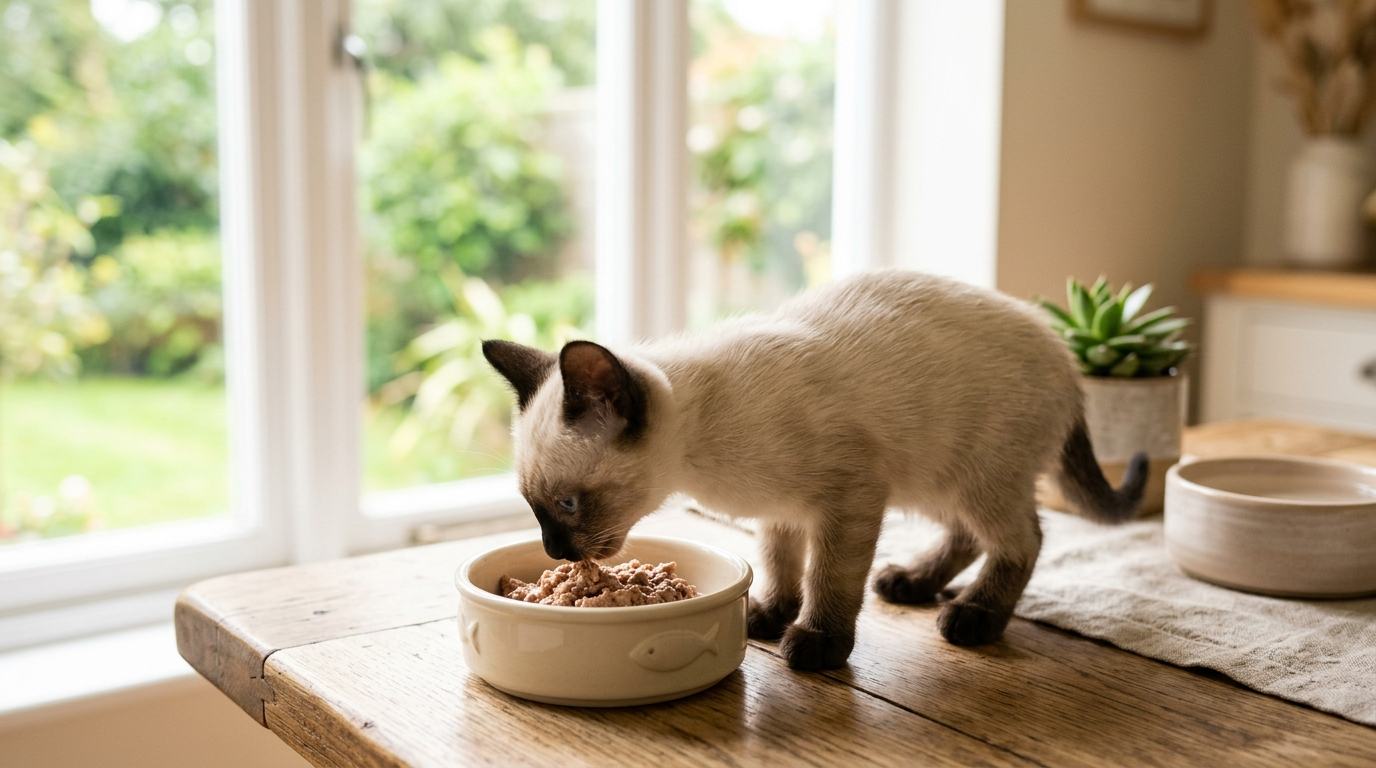
For kittens, choose wet food labeled "main food (complete / nutritionally complete)," high in protein, and with real meat as the first ingredient for their main meals. Complementary foods (treat cans, soup cans) are not nutritionally complete and should only be occasional additions, not daily staples. In summer, opened wet food left at room temperature for more than 2 hours should be discarded, and refrigerated food should not be kept for more than 24 hours.
At Mao Hou Yuan, we often see owners bring a whole box of "delicious, cat-loved" wet food during boarding season, only to find they are all complementary foods. While the cats enjoy them, they don't grow well. This article will guide you in choosing the right kitten wet food based on our practical experience caring for kittens.
Key Takeaways
- Kittens (under 12 months) are in a rapid growth phase, requiring higher protein and calorie intake than adult cats. Choose main food cans labeled "kitten" or "all life stages" for their main meals.
- Main food cans are nutritionally complete and can be the sole meal; complementary foods (soup cans, pâtés, treat cans) are nutritionally incomplete and can lead to imbalances if fed long-term.
- Check the packaging: Main food cans usually state "complete and balanced," "main food," or "meets AAFCO standards." Complementary foods are often labeled "supplementary food," "treat," or "side dish."
- Wet food contains about 70-80% moisture, which helps kittens stay hydrated and reduces the long-term risk of urinary and kidney issues. It's a great way to establish good drinking habits early on.
- In summer, after opening: Do not leave at room temperature for more than 2 hours. Refrigerated food should be consumed within 24 hours. Warm it up before serving.
Why Special Kitten Wet Food?
Kittens (generally under 12 months old) are in a critical stage of rapid development for bones, muscles, and organs. They require significantly more calories and protein per kilogram of body weight than adult cats. Feeding the wrong food at this stage impacts more than just weight; it affects their entire growth foundation.
Three Key Nutritional Needs During Kitten Growth
- High-quality animal protein: Cats are obligate carnivores, and kittens have even higher protein requirements, which must come from animal sources.
- Sufficient fat and calories: Kittens are active and have fast metabolisms, needing energy-dense food to support their development.
- Taurine and balanced minerals: Taurine is crucial for heart and vision development, while the calcium-phosphorus ratio affects bone health. These are precisely what main food cans are formulated to provide, and often lacking in complementary foods.
This is why we don't recommend feeding kittens only "delicious pâté sticks" – tasty doesn't equal nutritionally complete.
Main Food vs. Complementary Food: How to Choose Kitten Wet Food
This is the most confusing and critical point for many owners. Simply put: Main food cans are for meals, complementary food cans are for treats.
Main Food Cans (Meals)
Main food cans are designed to "meet all a cat's daily nutritional needs when fed alone." Therefore, their protein, fat, vitamins, minerals, and taurine are carefully balanced.
How to identify main food cans:
- Packaging states "Main Food," "Complete and Balanced," or "Nutritionally Complete."
- States "Meets AAFCO Nutrient Standards for Kittens (Growth)."
- The first ingredient is a specific meat (e.g., chicken, tuna), not "meat broth" or "gravy."
Complementary Food Cans (Treats / Side Dishes)
Complementary food cans include soup cans, pâtés, white meat cans, tuna and bonito cans, etc. Their main characteristics are high palatability, high moisture content, and cats love them, but they are not nutritionally complete.
How to identify complementary food cans:
- Labeled as "General Food," "Supplementary Food," "Treat," or "Side Dish."
- Simple ingredients (e.g., only tuna + water), appearing clean but lacking balance.
- Do not state compliance with kitten nutritional standards.
Practical Conclusion on Differentiating Kitten Wet Food
Complementary food cans are useful for encouraging eating, supplementing hydration, mixing medication, or as rewards, but the primary source of calories should come from main food cans. When caring for kittens with poor appetites at our facility, we often add a little soup from a complementary can to their main food to enhance palatability – this is the correct role for complementary food.
Understanding Kitten Wet Food Labels: 3 Key Points
1. Is the First Ingredient "Real Meat"?
Ingredient lists are ordered by quantity from most to least. The first ingredient should be a specific meat, such as "chicken," "tuna," or "salmon." If the first ingredient is "meat by-products" of unknown origin, or water/broth, be cautious.
2. Protein Content and the Concept of "Dry Matter Basis"
Because wet food has high moisture content (about 70-80%), the crude protein percentage on the packaging may appear much lower than dry kibble, which is normal and doesn't indicate insufficient protein. What truly matters is the proportion after removing moisture. When choosing kitten food, prioritize products with relatively higher protein content, primarily from animal sources.
3. Presence of Taurine and Essential Additives
Qualified kitten main food cans usually have added taurine, vitamins, etc. For example, our own Luxury Functional Can is designed as a main food, with added vitamins, suitable as a daily meal from kittenhood to adulthood.
> Reminder: Cat food safety isn't just about the can itself; some human foods are toxic to cats. Before feeding, it's recommended to review our guide on What Cats Can't Eat: Common Household Dangers and Poisoning Signs to avoid accidental poisoning.
How to Determine Kitten Wet Food Portions
Portions vary with age, weight, and activity level. The most accurate method is to follow the feeding guidelines on the can based on your cat's weight, and adjust slightly based on their body condition.
General Principles
- Small, frequent meals: Kittens have small stomachs, so feeding 3-4 meals a day is recommended to avoid overfeeding.
- Observe body condition, not just numbers: You should be able to feel the ribs but not see them protruding, and the cat should have a visible waistline from above.
- Main food as the primary source, complementary food as a supplement: The calories from complementary food should ideally be less than 10% of the total daily intake.
Kittens rarely need to "diet," but establishing correct portion control is important. When they become adults and need weight management, you can refer to How to Control Your Cat's Diet: Weight Loss Portions, Calorie Calculation & Summer Eating Strategies.
Hidden Benefit of Wet Food for Kittens: Hydration
Cats naturally drink little water, which is one reason they are prone to urinary and kidney problems later in life. Canned food contains 70-80% moisture, essentially "drinking while eating," making it an excellent way to establish good hydration habits from kittenhood.
We've observed during boarding that cats accustomed to wet food from a young age generally have better drinking habits and more stable urine output. To understand why hydration is so crucial, read Why Do Cats Get Kidney Disease? Early Signs, Dietary Prevention & The Importance of Drinking More Water.
Summer Kitten Wet Food Storage Tips (Essential for Taiwan)
Taiwan's summers are hot and humid, making wet food storage a common pitfall. Every summer, we remind our boarding clients of these points:
Storage Principles After Opening
- Do not leave at room temperature for more than 2 hours: High summer temperatures cause rapid bacterial growth in wet food, leading to digestive upset if consumed.
- Refrigerate for no more than 24 hours: Cover any unfinished canned food with a lid or in an airtight container and refrigerate. Discard if not finished within 24 hours.
- Warm before serving: Feeding cold food directly can cause diarrhea in sensitive kittens. Gently warm it to near room temperature (do not microwave to the point of being hot) before serving.
Hygiene Details During Feeding
- Use a clean spoon to portion food for each meal. Avoid letting the cat lick directly from the can, as saliva accelerates spoilage.
- During hot weather, feed smaller portions more frequently. Don't put too much in the bowl and leave it out all day.
If your kitten develops soft or watery stools after eating canned food, don't panic. Refer to What to Do About Cat Diarrhea: Causes of Soft/Watery Stools & When to See a Vet for guidance. If symptoms persist for more than a day, or if your kitten shows lethargy, loss of appetite, or blood in the stool, seek veterinary attention immediately.
The Correct Way to Transition Wet Food
Kitten digestive systems are delicate. Never switch food abruptly. We recommend a 7-day gradual transition:
1. Days 1-2: 25% new food + 75% old food
2. Days 3-4: 50% new food + 50% old food
3. Days 5-6: 75% new food + 25% old food
4. Day 7: 100% new food
If soft stools occur during the transition, revert to the previous stage and slow down the process. For kittens with sensitive stomachs, consider supplementing with Specialty Probiotics to aid adaptation.
Kitten Food Recommendations: Mao Hou Yuan's Quick Guide
In summary, our recommendations are:
- Main Meals: Choose main food cans labeled "Main Food / Kitten or All Life Stages / Meets AAFCO," with meat as the first ingredient, and added taurine.
- Treats: Use complementary food cans and soup cans for encouraging eating and hydration, not exceeding 10% of total daily calories.
- Portions: Feed 3-4 small meals a day, adjusting based on can recommendations and body condition.
- Summer Storage: Consume within 2 hours of opening, refrigerate within 24 hours, and warm before serving.
If you want to stock up on kitten food and essentials at once, you can directly shop our bundles.
Frequently Asked Questions
Can kittens eat only complementary food?
Not recommended. Complementary foods are nutritionally incomplete and can lead to malnutrition and developmental issues if fed exclusively long-term. Complementary foods are suitable as treats, to encourage eating, or for hydration, but main meals should primarily consist of main food cans.
What's the difference between kitten and adult cat food?
Kitten food typically has higher protein and calorie density, with added taurine, calcium-phosphorus ratios, etc., tailored for growth. If you choose a main food can labeled "all life stages," kittens can eat it. Cans labeled purely for "adults" may not have the appropriate calorie and nutrient levels for kittens.
How many times a day should I feed kitten wet food?
Due to their small stomachs and fast metabolism, kittens benefit from 3-4 small, frequent meals a day. The actual portion size should be adjusted based on the can's recommendations and your cat's body condition, aiming for a state where ribs are palpable but not visible, and a visible waistline.
How long can opened canned food be left out in summer?
Do not leave at room temperature for more than 2 hours. Refrigerated and sealed, it should not exceed 24 hours. Before serving, it should be warmed to near room temperature to prevent digestive upset or diarrhea in kittens.
At what age can kittens start eating wet food?
Around 4 weeks of age, you can begin weaning by mixing main food cans with warm water or goat's milk to form a paste for kittens to adapt to. After 6-8 weeks, they can gradually transition to normal wet food. If you are unsure during this process, consult your veterinarian.
---
*This article is compiled by the Mao Hou Yuan editorial team. The content is for general care and dietary experience sharing and cannot replace veterinary diagnosis. If your kitten experiences loss of appetite, persistent diarrhea, lethargy, or other concerning symptoms, please seek veterinary attention promptly.*
One email a month: hand-picked cat care tips and new arrivals. No spam.
Keep reading
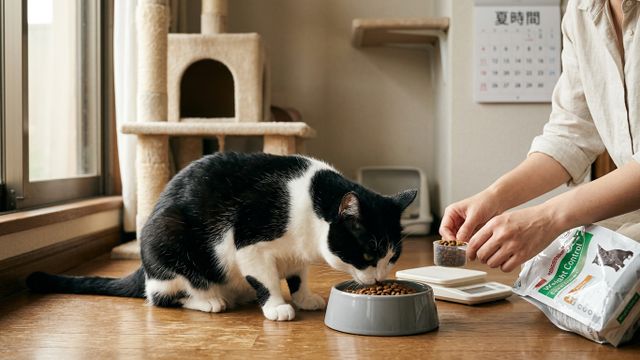
How to Control Your Cat's Diet? Portion Control, Calorie Calculation, and Strategies for Overeating in Summer
The key to controlling your cat's diet is to "first calculate the daily calorie intake for their ideal weight, then manage it by meal." This article teaches you how to calculate calories, portion food, and manage treats to create a safe weight loss plan for overweight cats.

What Does a Cat's Drooping or Tucked Tail Mean? Understanding Tail Language from Emotions to Illness
A cat's drooping tail often signifies nervousness, anxiety, or physical discomfort. If the tail is completely limp, dragging on the ground, or shows obvious pain, it could indicate trauma or neurological issues and requires prompt veterinary attention.
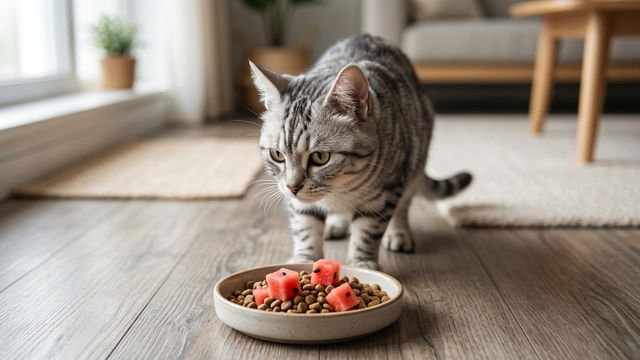
What Happens If Cats Eat Watermelon? Risks and Safe Portions Explained
Cats can eat small amounts of seedless watermelon flesh, but too much can lead to soft stools and diarrhea. Cats with diabetes or kidney disease should strictly avoid it. This article clarifies the actual risks, from kidney and blood sugar issues to diarrhea, and safe portion sizes.
