Blog
What Does a Cat's Drooping or Tucked Tail Mean? Understanding Tail Language from Emotions to Illness
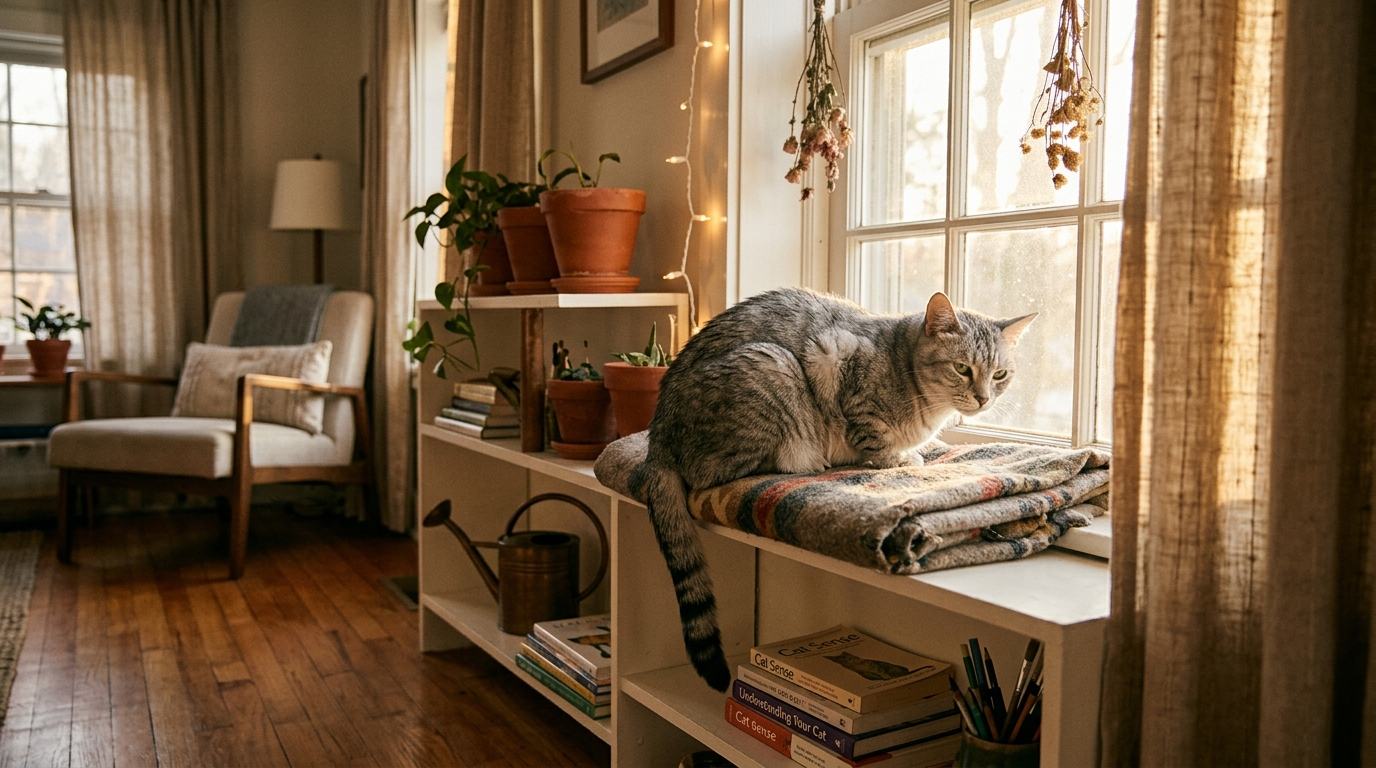
A cat's tail drooping most commonly means nervousness, alertness, or emotional distress. If they tuck their tail tightly between their hind legs, it usually signifies fear or a desire to appear "smaller" to avoid conflict. However, it's crucial to pay attention if the tail becomes completely limp, drags on the ground, or the cat won't let you touch it. This could be a sign of trauma, nerve damage, or physical pain, requiring immediate veterinary care.
At CatGarden, we interact with numerous cats daily as they settle into our environment. Their tails are almost like an honest "dashboard" for their emotions. In this article, we'll use our frontline experience to help you understand the meaning behind a cat's drooping tail, tucked tail, and various other tail positions.
Key Takeaways
- A cat's drooping tail is usually a signal of nervousness, alertness, or unease, not necessarily illness.
- Tucking the tail tightly between the hind legs is typically a self-protective posture indicating fear or avoidance of conflict.
- A high, upright tail with a slight curve at the tip is a cat's classic "friendly greeting" signal.
- A tail that is completely limp, drags on the ground, or cannot be voluntarily lifted may indicate trauma or nerve damage and is a red flag requiring veterinary attention.
- Interpreting tail language requires observing the tail in conjunction with the ears, pupils, body posture, and the current situation for accurate assessment.
Understanding Why a Cat's Tail is an Emotional Antenna
A cat's tail is composed of multiple vertebrae, muscles, and nerves, allowing them to control its height, curve, and movement with flexibility. Since cats don't primarily communicate through facial expressions, their tails become a direct tool for expressing emotions.
When interpreting cat tail language, we usually advise owners to observe three things simultaneously:
- Tail Height (upright, horizontal, drooping, tucked)
- Tail Movement (fast swishing, slow swaying, twitching, puffed up)
- Current Context (who is nearby, are there unfamiliar sounds or animals)
Looking only at the tail can easily lead to misinterpretation. Combining it with body language provides a more accurate reading. This is similar to how we interpret cat sitting positions or sleeping positions; multiple signals need to be pieced together to make sense.
What Does a Cat's Drooping Tail Mean?
1. Nervousness and Alertness (Most Common)
A tail that naturally droops, stays close to the hind legs but isn't fully tucked, usually indicates the cat is in a state of observation and alertness. Most cats newly arriving at a hotel exhibit this posture: they are assessing the safety of the environment and haven't decided whether to relax or flee.
At this time, avoid rushing to pick them up or pet them forcefully. Give them space, lower the volume of sounds, and most cats will gradually return their tails to a neutral or upright position within a few hours to a day or two.
2. Tucked Tail: Fear and Self-Protection
A cat tucking its tail—holding it tightly between its hind legs while lowering its body—is a clear sign of fear. They are trying to make themselves "smaller" and reduce their presence to avoid conflict. This is commonly seen when:
- Strangers or unfamiliar animals approach
- Loud noises occur (vacuum cleaners, fireworks, thunder)
- Visiting the vet, getting nails trimmed, or bathing
If a cat is consistently in a tucked-tail state, it suggests their living environment is high-stress, and it's worth examining if there are factors causing them ongoing fear. This anxiety can sometimes manifest as excessive paw licking or sudden aggression towards owners.
3. Physical Discomfort or Pain
This is the most concerning type. When a cat experiences abdominal pain, urinary discomfort, or pain in other areas, they may also exhibit a drooping tail, stiff body, and reluctance to move.
The key to判断 is: Is this situation-induced (was there a clear trigger that scared them), or is it happening without any apparent reason? If there's no obvious stimulus, but the cat's tail remains down, they are hiding, and their appetite has decreased, consider the possibility of physical discomfort. You can also observe if their "loaf" position might be hiding pain here.
Limp or Dragging Tail: These Are Red Flags Requiring Veterinary Attention
With emotionally induced tail drooping, the cat can still control its tail freely. However, if the following situations occur, it's more likely due to trauma or neurological issues, and prompt veterinary attention is recommended:
- The entire tail is limp and cannot be voluntarily lifted at all.
- The base of the tail (near the hindquarters) drags on the ground, appearing as if broken.
- The cat shows extreme pain, cries out, or bites when the tail is touched.
- The base of the tail is accompanied by abnormal urination or defecation (inability to urinate, incontinence).
- The tail became limp after being caught in a door, stepped on, or falling from a height.
The base of a cat's tail contains a nerve plexus. If it's injured due to pulling or impact (commonly known as "tail pull injury"), it can affect bladder and hind limb function and is considered an emergency. Do not observe this situation for too long on your own; seek veterinary help immediately.
> Reminder: If any of the above symptoms persist or worsen, please consult a veterinarian for diagnosis. This article is for preliminary home interpretation only.
Other Common Tail Language Meanings
After understanding drooping tails, let's also learn about other common cat tail meanings:
High, Upright Tail with a Slight Curve at the Tip
This is the classic sign of friendliness. When a cat approaches with its tail held straight up and the tip curves like a question mark, it means they are happy, feel positively towards you, and are essentially saying "hello."
Fast, Wide Swishing of the Tail
Don't mistake this for happiness like in dogs. When a cat forcefully swishes its tail back and forth, hitting the ground, it usually signifies irritation, impatience, or impending anger. Stop interacting with them at this point, or they may bite.
Slight Twitching of the Tail Tip
This typically indicates anticipation or mild excitement, such as when they see you preparing to open a food can or when they are watching a bird outside the window.
Puffed-Up Tail and Arched Body
This is a defensive posture when startled, making themselves appear larger to deter a threat. It's commonly seen when suddenly encountering another animal.
Tail Wrapped Around the Body or Paws
This is usually a relaxed posture indicating a desire for warmth or security. It's related to their preference for hiding in boxes or finding safe corners.
By observing tail signals alongside your cat's choice of sleeping distance from you, you can better understand their level of trust. We provide a more comprehensive explanation in What Does Your Cat's Sleeping Position Mean? Interpreting Sleep Styles, Locations, and Their Affection Level.
How We Help Nervous, Tucked-Tail Cats Relax at Our Facility
At our cat hotel, we frequently deal with new guests who have their "tails tucked tightly." Here are a few methods you can use at home:
1. Reduce Environmental Stimuli: Turn off loud TVs, avoid constant crowds of strangers, and provide a quiet, private corner.
2. Offer High Places and Hiding Spots: Cats feel more secure in elevated or semi-enclosed spaces (like boxes or cat beds), which helps their tails relax faster.
3. Avoid Forceful Interaction: Forcing interaction or petting a cat with a tucked tail will only increase their fear. Wait until their tail returns to a neutral position and they show willingness to engage.
4. Utilize Scent-Based Calming: For cats that respond to catnip, using premium catnip can help redirect their attention and relax their emotions (note: kittens and some cats do not react to catnip, which is normal).
If a cat tucks its tail due to fear of bathing or nail trimming, a groomer experienced in cat handling can provide a safer experience. You can refer to our grooming services for this. If you need boarding for your cat, allowing them to adapt to the environment in advance can reduce stress. See How to Choose Cat Boarding in Banqiao for more details.
When to Worry and When to Observe
A simple rule of thumb:
- Clear trigger + Tail returns to normal after trigger disappears → Emotional issue, observation is sufficient.
- No clear reason + Persistent drooping, hiding, poor appetite → Likely physical discomfort, schedule a vet visit.
- Limp tail dragging, severe pain, abnormal elimination, after trauma → Emergency, seek immediate veterinary care.
For senior cats especially, changes in tail posture combined with increased water intake or weight fluctuations should also prompt attention for early signs of chronic conditions like kidney disease. Healthy cats typically have a rich and varied tail language; maintaining a single, low posture for an extended period is itself a signal.
Frequently Asked Questions
Is my cat sick if its tail is always drooping?
Not necessarily. If there's a clear trigger that scares them and their tail returns to normal after the stimulus is gone, it's usually emotional tension. However, if it droops continuously without apparent reason and is accompanied by hiding or decreased appetite, it's advisable to have them checked.
Does a cat tucking its tail mean it's very scared?
Yes, tucking the tail tightly between the hind legs usually signifies fear and self-protection. In this situation, you should reduce stimuli, give them space, and avoid forcing interaction or picking them up.
What should I do if my cat's tail suddenly droops and won't lift?
If the tail is completely unable to lift voluntarily, drags on the ground, or causes severe pain when touched, especially after being caught, stepped on, or falling, it could be nerve or bone injury in the tail. This is an emergency, so seek veterinary care immediately.
How can I distinguish between emotional tail drooping and pain-induced drooping?
Observe for situational triggers and whether the tail recovers. With emotional drooping, the cat can still control its tail flexibly. Pain is often accompanied by stiffness, reluctance to be touched, hiding, and decreased appetite.
Can I understand my cat's mood just by looking at its tail?
It's not recommended to rely solely on the tail. You should interpret it in conjunction with ear direction, pupil size, body posture, and the current situation for higher accuracy.
---
*This article was written by the CatGarden editorial team, compiled from frontline experience at our cat hotel and grooming salon. It is intended for home care reference only. If your cat exhibits persistent or severe abnormalities, please consult a veterinarian for diagnosis.*
One email a month: hand-picked cat care tips and new arrivals. No spam.
Keep reading
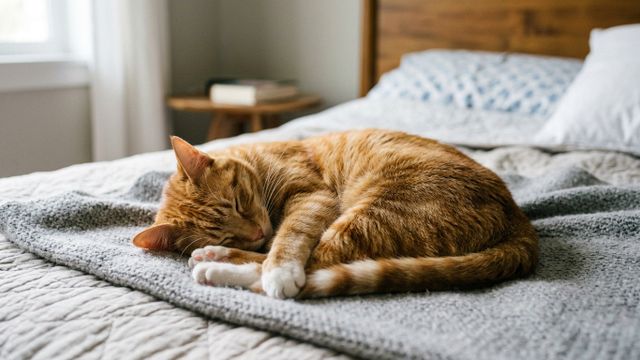
Cat Sitting Positions Explained: Understanding the Differences Between the Loaf, Egyptian Sit, and Sprawled Sleep, and What They Signal About Health
A cat's sitting position is a form of body language: the "loaf" indicates alertness or warmth, the Egyptian sit signifies focused relaxation, and sprawling sleep shows complete trust. This article breaks down the meanings of various sitting postures and the health warnings to watch out for.

Is Your Cat's "Chicken Leg" Pose Always a Sign of Discomfort? Learn to Distinguish Between Relaxation and Hidden Pain
A cat's "chicken leg" pose is usually a natural posture for relaxation and warmth, not necessarily discomfort. The key is to assess it alongside appetite, energy levels, and breathing. This article teaches you how to tell when to worry.
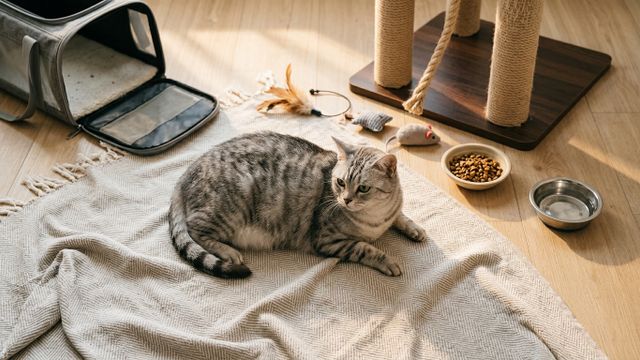
Cat Squatting Positions Explained: What "Chicken Sit," "Egyptian Sit," and "Cat Loaf" Reveal About Your Cat's Health and Mood
A cat's squat isn't just one position; "chicken sit," "Egyptian sit," and half-squats all signal relaxation, alertness, or discomfort. This guide uses comparative illustrations to break down what each squat reveals about your cat's physical condition and emotional state.
