Blog
Is Your Cat's "Chicken Leg" Pose Always a Sign of Discomfort? Learn to Distinguish Between Relaxation and Hidden Pain
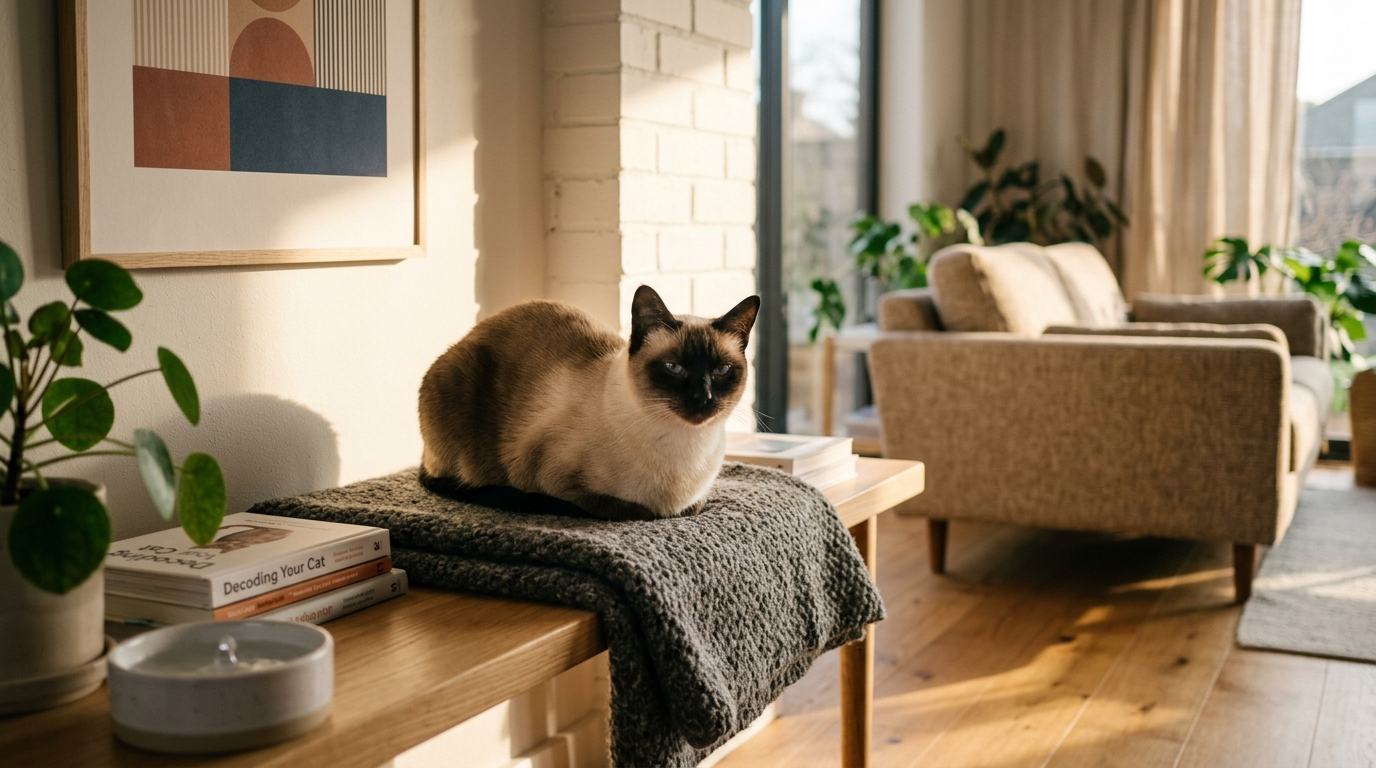
A cat's "chicken leg" pose doesn't always mean discomfort; most of the time, it's just a natural posture for relaxation and warmth. What you should truly worry about is when the "chicken leg" pose is accompanied by a decrease in appetite, lethargy, rapid breathing, or a tendency to curl up and avoid interaction. The pose itself isn't the issue; it's the pose combined with other symptoms that's the key to diagnosis.
Key Takeaways
- The "chicken leg" pose (where a cat tucks its limbs beneath its body, resembling a loaf of bread) is usually a sign of relaxation and warmth, not illness.
- To determine if your cat is unwell, look for the "chicken leg" pose *plus* other symptoms: appetite, energy level, breathing, and willingness to interact are the four core indicators.
- A concerning "chicken leg" pose often involves being "tucked in very tightly, head lowered, unwilling to be petted, refusing food for over 24 hours, and breathing more than 40 times per minute."
- It's normal for cats to adopt this pose when it's cold, they're sleepy, or they're observing their surroundings. If the pose becomes stiff for days and they refuse to lie down, veterinary attention is needed.
- A single photo of a cat in this pose cannot diagnose illness; observing and recording changes is far more important than just looking at the posture.
First, Understand: What Exactly is the "Chicken Leg" Pose?
The so-called "chicken leg" pose is when a cat tucks all four paws beneath its body, with its chest close to the ground and its back slightly arched, making it look like a loaf of bread or a hen sitting on eggs. If you want a more comprehensive understanding of this pose, you can read this article: What is the Cat Loaf Position? Understanding Your Cat's Body Language and Emotions.
We see cats in this pose frequently at our facility. Cats that are new to the environment and are still observing often use this posture because it's "energy-efficient and allows for a quick escape," representing a state between alertness and relaxation.
So, back to the question that causes the most anxiety for owners: Is a cat's "chicken leg" pose always a sign of discomfort? The answer is no, and in most cases, it's a good sign.
What a Relaxed "Chicken Leg" Pose Looks Like
A healthy, relaxed "chicken leg" pose typically has these characteristics:
- Relaxed Face: Eyes are half-closed or blinking slowly, whiskers are relaxed, not tense.
- Front Paws Tucked, Paws Hidden: Tucking the paws away indicates they don't feel the need to flee immediately, which is a sign of trust and security.
- Stable Breathing: Abdominal movements are regular and slow.
- Occasional Grooming or Purring: They might groom themselves or purr contentedly.
- Turns Head to Respond: They will turn their head to acknowledge you and respond when called.
This type of "chicken leg" pose often appears when they feel a bit cold, want to nap, or are simply lounging and observing you. Similar to their choice of sleeping next to you or at your feet, these are clues to their emotional state, not symptoms of illness. For a more systematic understanding of your cat's resting postures, refer to our main series article What Does Your Cat's Sleeping Position Mean? Decoding Sleeping Postures, Locations, and Their Affection.
"Chicken Leg" Poses to Watch Out For: Signs of Hidden Pain
Here's the crucial part. Cats are masters at hiding pain; their survival instinct in the wild is to "not show weakness." Therefore, when they are sick, they won't cry out; instead, they might use a "pretend-relaxed" chicken leg pose to hide themselves—this is precisely what owners often overlook.
Characteristics of a Painful "Chicken Leg" Pose
- Tucked in Very Tightly: The entire cat seems compressed, with the neck pulled in and the head lowered. It's not a soft lump but a tense ball.
- Eyes Squinted into Slits, Not from Sleepiness: This is a common expression when cats are enduring pain.
- Hiding in Corners, Behind Cabinets, or Under Tables: Healthy cats also hide, but if a normally affectionate cat suddenly hides for extended periods in this pose, pay attention.
- Unwilling to Lie Down: Cats with internal discomfort (like abdominal pain or urinary issues) often prefer to stay in a squatting position rather than lie on their side, as lying down might put pressure on the painful area.
- Flinches or Hisses When Touched: Touching a specific area causes significant sensitivity.
If you notice your cat's "chicken leg" pose shifting from "relaxed" to "tight," and it persists for hours or even a whole day, you need to be alert.
Don't Just Look at the Pose: Use These Four Indicators for Cross-Assessment
This is the core message we want to convey—a pose cannot be judged in isolation; it must be considered alongside other symptoms. When assessing each cat's condition at our facility, we never rely on a single posture but rather on these four aspects:
1. Appetite
If a cat completely refuses to eat for over 24 hours, it's a clear warning sign (more serious than people realize, as prolonged fasting can lead to hepatic lipidosis in cats). If they are in the "chicken leg" pose but rush over when food is offered, they are usually fine.
2. Energy and Interaction
Do they respond to you? Do they play or jump to their usual spots? Cats with good energy levels have bright eyes even when in the "chicken leg" pose. Lethargy and a complete lack of response to toys are problematic.
3. Breathing
This is the most easily quantifiable indicator. While your cat is resting quietly, count their breaths for 15 seconds and multiply by 4. Normal resting respiratory rate is approximately 20-30 breaths per minute; anything over 40 warrants attention. If their abdomen rises and falls rapidly while in the "chicken leg" pose, or if they are breathing with their mouth open, seek veterinary care immediately. For details on open-mouth breathing, we have a dedicated article.
4. Other Physiological Signs
These include vomiting, diarrhea, blood in stool, abnormal urination, dry or cracked nose, or abnormal ear warmth. When these occur in conjunction with the "chicken leg" pose, it's a combination that truly requires action.
> Simple Rule: Relaxed "chicken leg" pose = posture change, everything else normal; Sick "chicken leg" pose = posture change + at least one other abnormal symptom.
When to Take Your Cat to the Vet Immediately
If any of the following situations occur, don't dwell on the pose; seek veterinary care immediately:
- Refusal to eat for over 24 hours, or a sudden significant increase/decrease in water intake.
- Resting respiratory rate consistently above 40 breaths per minute, or open-mouth breathing/obvious abdominal breathing.
- Curled up and hiding for more than half the day with little to no response when called.
- Hissing, flinching, or showing clear resistance when a specific part of their body is touched.
- Accompanied by vomiting, blood in stool, or inability to urinate (urinary blockage in male cats is an emergency!).
During the summer, be aware of a special situation: cats that are uncomfortably hot may also curl up and become still. This can overlap with early signs of heatstroke. If the environment is hot and humid and you see your cat panting with its mouth open, first refer to What to Do If Your Cat Has Heatstroke: Emergency Steps and When to Seek Veterinary Care.
How to Observe and Record Daily
At our facility, we keep simple daily logs for each cat: food intake, elimination status, activity level, and any unusual postures. Owners can do the same at home—take photos of your cat in its normal, relaxed "chicken leg" pose as a "baseline." If you feel something is wrong on a given day, compare it to the baseline photos to quickly see if the posture has become tighter or lower.
This is much more accurate than trying to describe it from memory to the veterinarian later. For a deeper understanding of different feline postures, we recommend reading Is Your Cat's Chicken Leg Pose Comfortable or Sick? A Complete Guide to Cat Poses and Sleeping Positions.
If your cat has a sensitive digestive system and tends to have loose stools, supplementing with specialty probiotics to help maintain digestive health can reduce the frequency of them curling up due to stomach discomfort. However, probiotics are for maintenance and cannot replace veterinary diagnosis.
When You Need Help, Trust Those Who Understand Posture
If you need to travel, your biggest worry is often "what if they get sick and I'm not there." During our boarding reservations, we conduct daily health observations, recording posture, appetite, energy levels, and elimination. This is why professional boarding is more reassuring than leaving your cat with just anyone. For information on costs and facilities, please refer to How to Choose Cat Boarding in Banqiao.
Frequently Asked Questions
When should I be concerned about my cat's "chicken leg" pose?
You should be concerned if the "chicken leg" pose is accompanied by refusal to eat for over 24 hours, lethargy, a respiratory rate exceeding 40 breaths per minute, or if they are tucked in very tightly and unwilling to interact. A simple change in posture with everything else normal is usually not a cause for worry.
Is my cat's "chicken leg" pose a sign of discomfort, or are they just sleepy?
Most "chicken leg" poses are natural behaviors for relaxation or warmth. If their face is relaxed, breathing is stable, and they respond when called, they are likely fine. The difference lies between "loose" and "tight"—a soft lump is usually comfortable, while a tense, lowered posture warrants attention.
What are the warning signs of illness associated with a cat's "chicken leg" pose?
Key warning signs include being tightly tucked in, head lowered, unwillingness to lie on their side, flinching or hissing when touched, combined with abnormal appetite, energy, breathing, or elimination. The presence of these combinations is more indicative of illness than the pose alone.
Is it normal for my cat to constantly stay in the "chicken leg" pose and not lie down?
It's normal for cats to occasionally maintain this pose. However, if they consistently refuse to relax and lie on their side for several days, it could be a sign of pain in a specific area (lying down might put pressure on it), and a veterinary evaluation is recommended.
How do I count my cat's breaths?
While your cat is resting quietly, observe their abdominal movements. Count the breaths for 15 seconds and multiply by 4. A normal resting respiratory rate is about 20-30 breaths per minute; if it consistently exceeds 40 or they are panting with their mouth open, seek veterinary care promptly.
---
*This article was written by the CatBackyard editorial team. The content is a sharing of general care experience and cannot replace veterinary diagnosis. If your cat's symptoms persist or worsen, please seek veterinary care promptly.*
One email a month: hand-picked cat care tips and new arrivals. No spam.
Keep reading
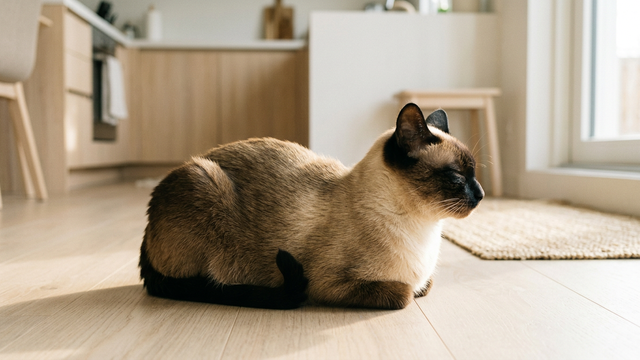
What is the Cat Loaf Pose? Interpreting Your Cat's Health and Emotions from Their Loafing Posture
A cat's loaf pose is usually a sign of relaxation, but if they are curled up very tightly with tense eyes, they might be in pain. Learn to distinguish between their emotions and health from subtle cues.
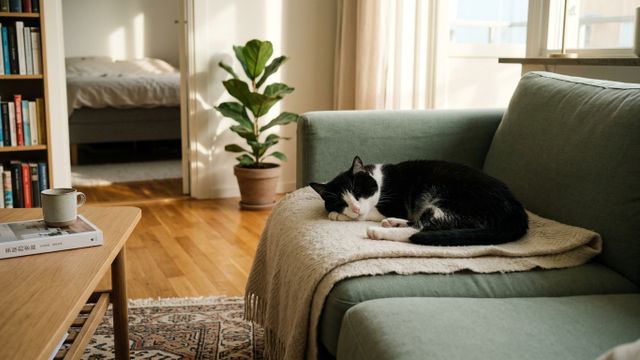
Cat Loafing: Comfortable or Sick? A Complete Guide to Cat Sitting and Sleeping Postures
Cat loafing is usually a sign of comfort and relaxation, but if your cat is unusually tense, has a vacant stare, and is unresponsive, it might indicate illness. This article will guide you in distinguishing between the two.
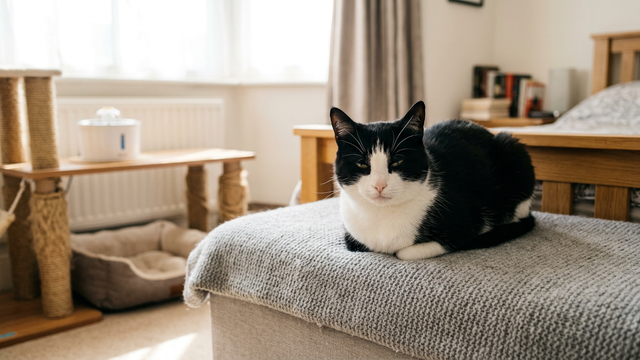
What Does the Cat's "Chicken Sit" Mean? Does the "Bread Cat" Pose Indicate Comfort or Discomfort?
The cat's "chicken sit" (or "bread cat") pose is mostly a comfortable posture for relaxation or warmth. However, if the cat is also curled up tightly, has a vacant stare, and a decreased appetite, it could be a warning sign of discomfort. This article teaches you how to tell the difference at a glance.
