Blog
Cat Sitting Positions Explained: Understanding the Differences Between the Loaf, Egyptian Sit, and Sprawled Sleep, and What They Signal About Health
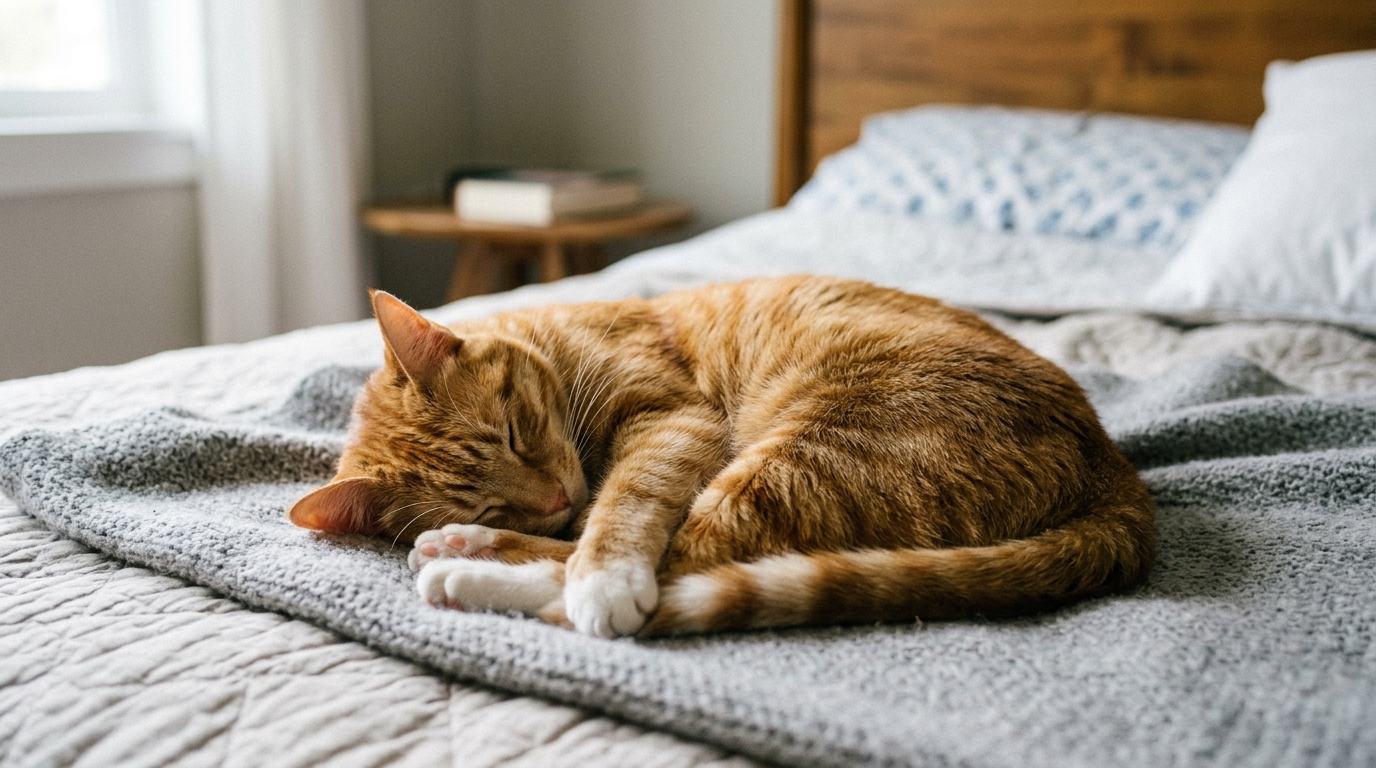
A cat's sitting position is actually a complete form of body language: the "loaf" (tucking all four paws beneath the body like a loaf of bread) mostly indicates alertness or warmth, the Egyptian sit (upright upper body, front paws straight) signifies focused relaxation, and sprawling out to sleep with the belly exposed is a display of complete trust in its environment. In other words, by observing how a cat sits, you can generally gauge whether it's feeling tense, relaxed, or possibly uncomfortable.
At CatBackyard's cat hotel, we observe the sitting posture changes of hundreds of boarding cats daily—newly arrived cats often curl up in a loaf on their first day, and by the third day, they begin to roll over and sprawl out. This transformation is the most direct indicator that they have "finally relaxed." This article compiles scattered knowledge about sitting positions into a comprehensive cat sitting position encyclopedia.
Key Takeaways
- The loaf position (cat loaf) with all limbs completely hidden tends towards warmth or alertness; the "relaxed version" with front paws exposed is true relaxation.
- The Egyptian sit is one of the most focused and relaxed postures for cats, with front paws upright and the tail often wrapped around the front paws, commonly seen when observing their surroundings.
- Sprawling out to sleep with the belly exposed signifies the highest level of trust; cats typically take more than 2–3 days to exhibit this in a new environment.
- If a cat remains in a tense loaf position for an extended period, has dilated pupils, and ignores food, it might be enduring pain and requires prompt veterinary attention.
- Sitting positions should be observed "continuously" rather than judged in isolation: a sudden change from a previously habitual posture is more diagnostically valuable than the posture itself.
Why Is Observing Your Cat's Sitting Position So Important?
Cats are masters of endurance and adept at hiding discomfort—this is an instinct for survival in the wild. Unlike dogs, they don't whine for attention, but their bodies honestly reveal information. Sitting posture, crouching, and sleeping positions are our first clues in interpreting a cat's emotions and health.
The key is the "baseline": you need to first become familiar with how your own cat typically sits and sleeps. Any significant deviation afterward is a signal worth noting. This is also why we create "behavioral records" for every cat at the hotel, as changes themselves are more meaningful than the posture.
The Loaf: The Most Misunderstood Cat Sitting Posture
The loaf position (also called cat bread or cat biscuit) is probably the most common and most frequently misunderstood sitting posture. The cat tucks its limbs beneath its body, resembling a round loaf of toast.
How to Differentiate Between the Relaxed and Alert Versions
Even within the loaf position, there are subtle differences:
- Relaxed Loaf: The body lines are soft, the eyes are half-closed, the ears are naturally facing forward, and breathing is calm. The front paws may sometimes be slightly exposed. This is normal for a cat warming up or resting.
- Alert/Uncomfortable Loaf: Muscles are tense, limbs are completely tucked away, ears are turned to the side or pressed back, pupils are dilated, and there's no response to calls. They might even hide in a corner and remain still.
The key difference lies in the "degree of tension." When a cat is experiencing abdominal pain, joint discomfort, or fever, it will use the loaf position to concentrate its body weight and minimize movement. It appears quiet but is actually enduring pain. We have more comprehensive differentiation methods in Is a Cat's Loaf Position Always a Sign of Discomfort?, which we recommend reading in conjunction.
If you want to delve deeper into the body and emotions behind this posture, What is the Cat Loaf Position? also provides interpretations of different versions.
The Egyptian Sit: A Focused Yet Elegant Relaxed Pose
The Egyptian sit is like the ancient Egyptian cat statues: the upper body is upright, the front paws are straight and supporting the ground, and the tail is often wrapped around the front paws.
This is a posture of "relaxed but alert." Cats typically adopt this pose when observing their surroundings, sunbathing, or quietly accompanying you. They are not tense but are ready to act at any moment.
It's worth noting that if a cat in the Egyptian sit position has its head constantly lowered, neck stretched forward, and appears to be having difficulty breathing, you should be cautious—this could be a compensatory posture for breathing difficulties, especially if accompanied by open-mouth panting. In summer, if you encounter this situation, consider heatstroke first; you can refer to What to Do If Your Cat Suffers from Heatstroke? for emergency assessment.
Sprawled Sleep and Belly-Up Rolls: The Highest Level of Trust
When a cat sleeps sprawled out on its back with its belly exposed and limbs relaxed, it signifies a high level of security in its environment. The belly is a cat's most vulnerable area, and exposing it is a declaration of "I am safe here."
In our cat hotel, this posture typically appears after 2–3 days of check-in. The first day is usually spent in a loaf position, hiding near the litter box. As they gradually adapt, they will eventually roll over and sprawl out—this transformation is a crucial indicator of a boarding cat's adaptation status.
Cats also sprawl out to dissipate heat in the summer, placing their bellies on cool surfaces. To understand how cats gauge heat, you can read Do Cats Feel Hot? A Guide to Heat Tolerance.
Extending this idea, where a cat chooses to adopt a relaxed posture also reveals its level of trust in you—we have a comprehensive interpretation of this in our main series article What Does Your Cat's Sleeping Position Mean?, which is highly recommended reading.
Other Common Sitting Positions and Their Meanings at a Glance
| Sitting Position | Common Meaning | Things to Watch For |
|---|---|---|
| Side-lying sprawl | Relaxed, slightly cool | — |
| Curled into a tight ball | Warming up, sleepy | If the environment isn't cold but they remain curled, they might be feeling cold or have a fever |
| Hunched back with tucked neck while sitting | Discomfort, compensatory posture for pain | Persistent occurrence requires veterinary attention |
| Loaf position with hindquarters raised | Poised for play | — |
| Restless sitting, frequently changing position | Pain or anxiety | Observe for other accompanying abnormalities |
For more illustrated comparisons of crouching positions, you can refer to Illustrated Guide to Cat Crouching Positions and Decoding All Cat Sitting and Crouching Positions to fully understand this body language.
Key Signals from Sitting Posture That Indicate "Should I Worry?"
Sitting posture alone cannot diagnose illness, but when the following combinations occur, it's advisable to be vigilant and seek veterinary care early:
- Prolonged tense loaf position + decreased appetite + hiding: A typical combination indicating a cat is enduring pain.
- Hunched back and tucked neck + vacant stare + unresponsive to interaction: May indicate internal discomfort or fever.
- Restlessness, frequent position adjustments: Could be due to urinary tract issues or abdominal pain.
- Exaggerated abdominal movement during breathing, neck stretched out in Egyptian sit: Respiratory or cardiopulmonary issues, considered an emergency.
If you also notice digestive abnormalities such as diarrhea or bloody stools, you can refer to What to Do If Your Cat Has Diarrhea? to assess the severity. If symptoms persist for more than a day, or if the cat is clearly lethargic and not eating or drinking, do not wait; seek veterinary care immediately.
Additionally, the loaf position can sometimes simply be due to feeling cold. If you find your cat curled up and its ears feel cold, you can first check its temperature. What is a Normal Body Temperature Range for Cats? teaches you how to assess this from paw pads and ears to rectal temperature.
Creating an Environment Where Cats Feel Safe to Adopt Relaxed Postures
The prerequisite for a cat to sprawl out to sleep or adopt relaxed sitting postures is feeling safe. Here are a few methods that have proven effective in our facility:
1. Provide high places and hiding spots: Cardboard boxes, cat beds, and shelves can offer a sense of security (to understand why cats love hiding, see Why Do Cats Love Boxes and Hiding?).
2. Stable routine and ambient temperature: Cats are more likely to sprawl their bellies out in a comfortable corner.
3. Reduce sudden stimuli: If there are frequent unfamiliar visitors or loud noises at home, cats will maintain a state of alert posture long-term.
If you need to travel, rather than letting your cat accumulate stress alone at home, choosing a quiet hotel where its behavior can be observed is more reassuring. We've compiled key selection points in How to Choose Cat Boarding in Banqiao? and welcome you to book accommodation directly.
Frequently Asked Questions
Is it always a sign of illness if my cat is constantly in the loaf position?
Not necessarily. A relaxed loaf position is normal, usually for warming up or resting. However, if the posture is tense, limbs are completely tucked, and it's accompanied by decreased appetite or hiding, it might be enduring pain, and a veterinary check-up is recommended.
Can cat sitting positions truly indicate their emotions?
They can be used as a reference, but it's important to "observe continuously" rather than judge from a single instance. The key is to compare it to their usual baseline; a significant change is the most meaningful.
When my cat rolls over and exposes its belly, does it want to be petted?
Not necessarily. Rolling over usually indicates trust and relaxation, but many cats dislike having their bellies touched, and touching them rashly might result in a defensive reaction. Observe their reaction first before deciding.
What should I do if my cat stretches its neck out long and breathes heavily in the Egyptian sit?
This could be a compensatory posture for breathing difficulties, especially if accompanied by open-mouth panting. It's an emergency signal, and you should take your cat to a veterinarian immediately.
Is it normal for a cat to stay curled up and not sprawl out when in a new environment?
It's very normal. Cats typically need 2–3 days or more in a new environment to relax enough to sprawl out and sleep. Maintain a quiet atmosphere and provide hiding spots; most cats will gradually adapt.
---
*This article was written by the CatBackyard editorial team, compiled from firsthand observation experience at our cat hotel. If your cat exhibits persistent or severe abnormalities, please consult a veterinarian for diagnosis.*
One email a month: hand-picked cat care tips and new arrivals. No spam.
Keep reading
Cat Loafing: Comfortable or Sick? A Complete Guide to Cat Sitting and Sleeping Postures
Cat loafing is usually a sign of comfort and relaxation, but if your cat is unusually tense, has a vacant stare, and is unresponsive, it might indicate illness. This article will guide you in distinguishing between the two.
Decoding Cat Sitting Postures: From Loafing to Egyptian Sits, Understand Your Cat's Health Signals
Your cat's sitting and squatting postures reveal their emotions and physical condition: a relaxed cat might sleep sprawled out, while a wary or uncomfortable one may adopt a "loaf" position. This article decodes common cat postures and their associated health signals.
What is the Cat Loaf Pose? Interpreting Your Cat's Health and Emotions from Their Loafing Posture
A cat's loaf pose is usually a sign of relaxation, but if they are curled up very tightly with tense eyes, they might be in pain. Learn to distinguish between their emotions and health from subtle cues.
