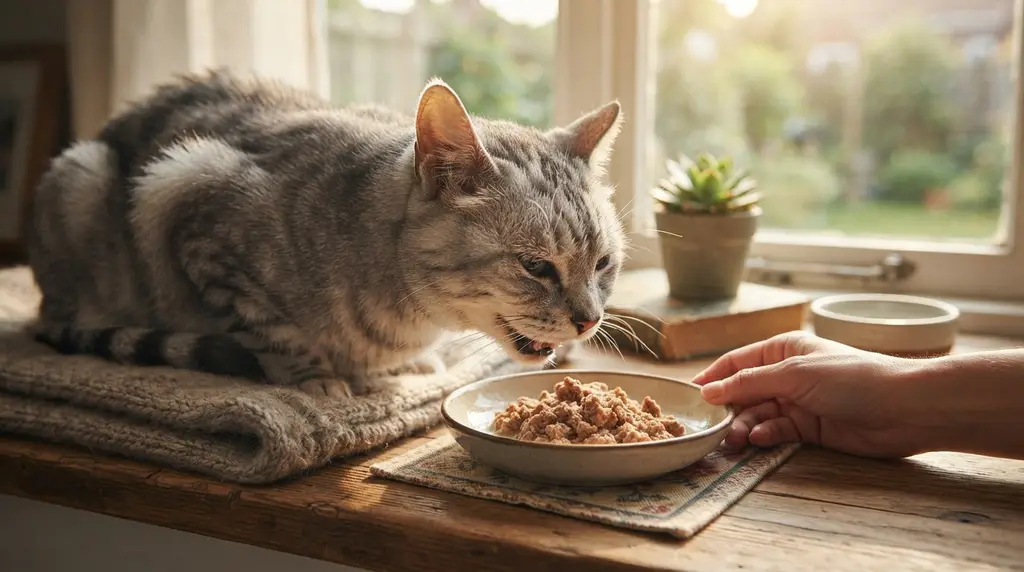
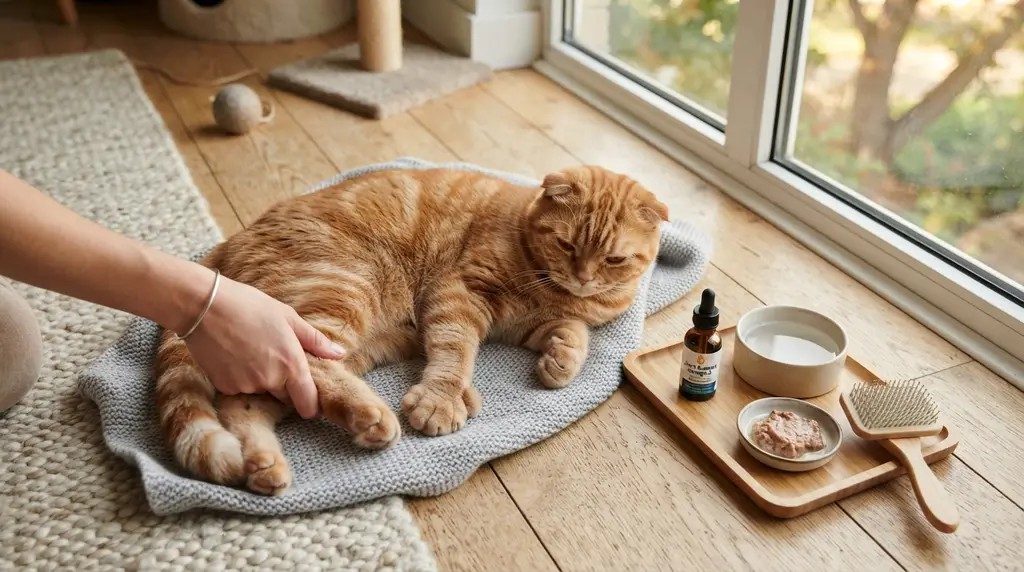
Why Do Cats Get Kidney Disease? Understanding the 4 Main Causes: Aging, Diet, Dehydration, and Genetics
The core reason for feline kidney disease is the non-regenerative nature of nephrons. Aging, chronic dehydration, a high-phosphorus diet, and genetic predispositions all contribute to declining kidney function. This article explains the causes, early warning signs, and dietary adjustments.
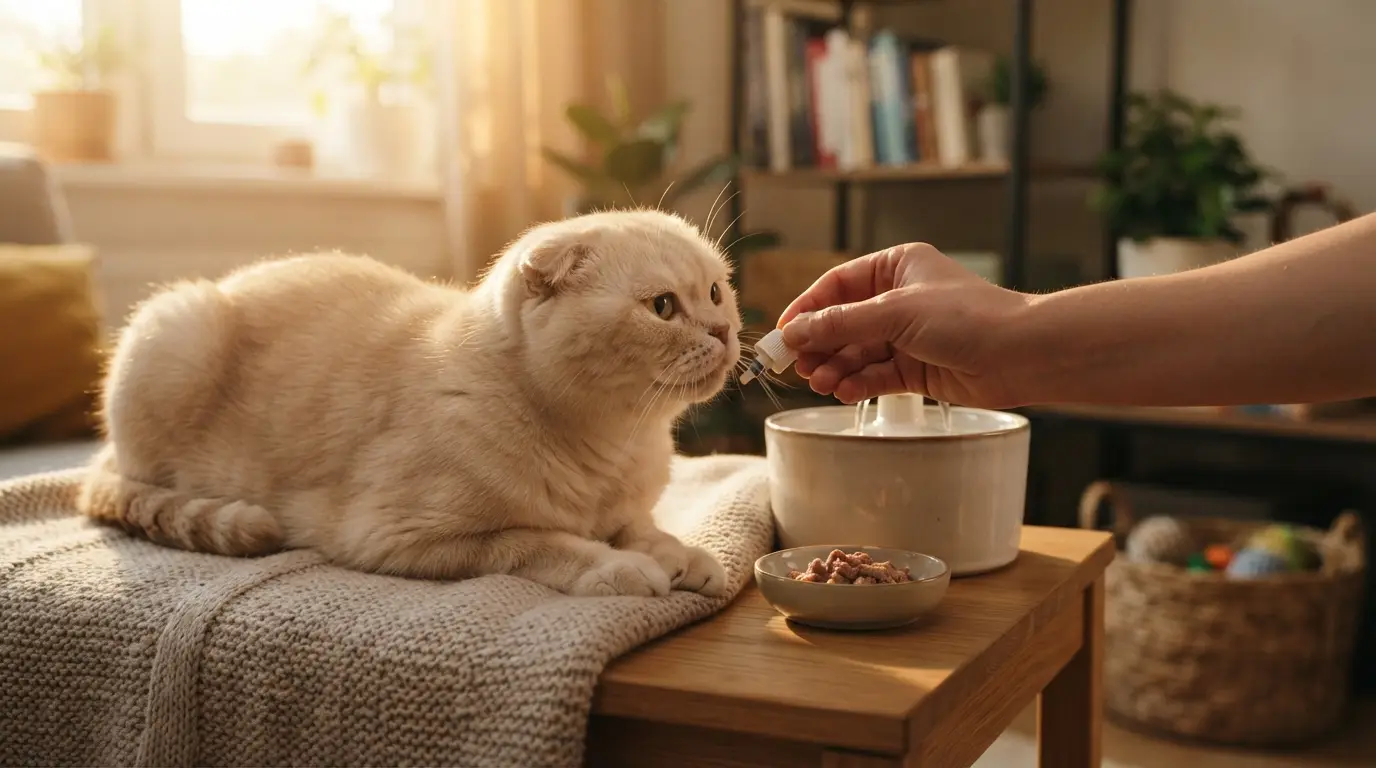
The most fundamental reason for feline kidney disease is that a cat's nephrons (the filtering units of the kidney) cannot regenerate once damaged. Accumulated aging damage, chronic dehydration, dietary stress, and genetic defects all contribute to a progressive decline in function. Moreover, kidneys are remarkably resilient; they can compensate for significant loss, meaning that blood tests may not show abnormalities until over 2/3 of kidney function is lost. Therefore, most cats don't suddenly develop kidney failure; rather, the condition progresses over years before being detected during a routine check-up or when they lose weight.
At our boarding facility, a significant proportion of cats over 10 years old come with a kidney function report. Owners often ask, "I feed them well, how could this happen?" Below, we break down the causes from four perspectives: aging, chronic dehydration, high-phosphorus diet, and genetic predisposition.
Key Takeaways
- Feline nephrons cannot regenerate. Kidney function often goes undetected until about 2/3 is lost, which is why chronic kidney disease (CKD) is frequently diagnosed late.
- Age is the biggest risk factor: Studies indicate that about 1 in 3 cats over 10 years old have CKD, and the proportion is even higher for those over 15.
- The recommended daily water intake for cats is approximately 40-60 ml per kilogram of body weight. Dry food contains only about 10% moisture, while wet food can reach 70-80%. Cats fed exclusively dry food are often on the verge of "mild dehydration."
- Breeds like Persians, Himalayans, and Exotic Shorthairs have a genetic risk for Polycystic Kidney Disease (PKD), which can be detected early through abdominal ultrasound or genetic testing.
- The most practical early home indicators are: increased water consumption, larger and more frequent urine clumps in the litter box, and a steady monthly weight loss (a 5-10% drop over six months warrants a check-up).
Understanding: Why Kidneys "Can't Recover Once Damaged"
Each cat kidney contains approximately 200,000 nephrons responsible for filtering blood, excreting nitrogenous waste, regulating water and electrolytes, and producing certain hormones. Crucially, dead nephrons are not replaced. The remaining nephrons must work harder to compensate.
This leads to two consequences:
1. Symptoms appear late. Early stages are asymptomatic. Only when remaining function is insufficient do symptoms like increased thirst and urination, weight loss, and decreased appetite emerge.
2. Compensation accelerates deterioration. The remaining nephrons operate under chronic high pressure, leading to faster fibrosis and creating a vicious cycle.
Therefore, the "causes of feline kidney failure" are rarely a single event but rather the cumulative result of the following pathways over time.
Cause 1: Aging – The Biggest and Most Unavoidable Risk Factor
Age is the strongest predictor of chronic kidney disease. Glomerular filtration rate begins to decline gradually after age 7. Approximately 30% of cats over 10 and an even higher percentage over 15 have CKD.
Why does aging damage kidneys?
- Chronic interstitial nephritis and fibrosis: Cumulative minor inflammation and damage over a lifetime eventually replace kidney tissue with fibrous tissue.
- Increased blood pressure: Hypertension is common in older cats, and high pressure directly damages the glomeruli (often affecting the eyes and heart simultaneously).
- Periodontal disease: Chronic bacteria and inflammation from the mouth entering the bloodstream are thought to contribute to kidney burden. In our grooming observations, cats with severe tartar buildup and inflamed gums often have kidney values that need monitoring.
- Hyperthyroidism: Common in older cats, it can "mask" kidney values, revealing true kidney function only after treatment.
What you can do: Starting at age 7, have annual blood and urine tests plus blood pressure measurements. From age 10, increase frequency to every six months. While aging cannot be prevented, detecting it 1-2 years earlier can significantly improve quality of life for many years.
What we use for this
CatGarden’s own products, shipped from Taiwan Luxe Functional CansFrom US$3.79 per canFree shipping on multi-packs
Cause 2: Chronic Dehydration – The Most Underestimated Cause in Domestic Cats in Taiwan
Cats are descended from desert animals and have a naturally blunted thirst response compared to dogs, accustomed to obtaining moisture from prey. In modern domestic cats fed dry food (containing only about 10% moisture), many cats exist in a state of mild chronic dehydration for extended periods.
Dehydration harms the kidneys by reducing blood flow, leading to insufficient renal perfusion. This results in chronically concentrated urine, increasing the burden on the renal tubules. Furthermore, overly concentrated urine raises the risk of crystal formation, stones, and urinary tract obstruction. A severe obstruction can cause irreversible kidney damage.
How much water does a cat need daily? Roughly estimate 40-60 ml per kilogram of body weight, meaning a 5kg cat needs about 200-300 ml (including water from food). It's challenging for cats eating only dry food to drink over 200 ml from a water bowl.
Practical methods to encourage drinking at our facility:
- Have more water bowls than cats, placed in different rooms and away from litter boxes.
- Use wide, shallow bowls or ceramic dishes to prevent whiskers from touching the sides; many cats refuse to drink due to the bowl type.
- Change the water twice daily; water can develop an odor when left out, and cats are very particular.
- Wet food is the most effective way to hydrate: One can of wet food per day provides an additional 60-80 ml of water.
- Add 1-2 tablespoons of warm water to wet food when serving, mixing in the gravy. Cats often accept this better than drinking from a separate water bowl.
To determine if your cat is dehydrated, follow the three steps outlined in How to Check for Cat Dehydration: Skin Elasticity, Oral Mucosa, and Water Intake – 3 Home Assessment Methods. Pay extra attention during periods of fever, vomiting, or diarrhea. Remember that fever itself accelerates water loss; refer to What to Do If Your Cat Has a Fever? Normal Temperature, How to Measure, and Danger Signs for guidance on measuring temperature and identifying dangerous levels.
Cause 3: High-Phosphorus Diet and Dietary Structure
It's important to be honest: The causal link between feeding dry food and developing kidney disease has not been definitively proven. Don't be alarmed by exaggerated claims. However, diet is crucial in two aspects:
1. Inorganic Phosphorus (Phosphate Additives)
Studies suggest that high levels of inorganic phosphorus (phosphate additives, which are far more absorbable than the organic phosphorus in meat and bone) in the diet can lead to adverse changes in phosphorus metabolism and renal tubules in cats. This is why highly processed treats and pâtés with ingredients like "phosphates" or "sodium polyphosphate" are not recommended for daily, large-volume consumption.
2. Once Diagnosed, Phosphorus Restriction is Foundational to Treatment
When kidney phosphorus excretion capacity declines, elevated blood phosphorus stimulates the parathyroid glands and causes mineral deposition in the kidneys, directly accelerating deterioration. Controlling blood phosphorus is one intervention proven to extend the survival time of cats with kidney disease, which is the core principle of therapeutic kidney diets.
Dietary Considerations for Feline Kidney Disease
- Prioritize phosphorus restriction; protein should be "adequate and high-quality," not indiscriminately low-protein. Excessive protein restriction can lead to muscle loss, making the cat weaker.
- Ensure sufficient calorie intake: The biggest concern for cats with kidney disease is not eating enough. Willingness to eat is more important than perfect portion control.
- Increase the proportion of wet food to aid hydration and reduce urine concentration. High-moisture, meat-based pâté-style foods like Luxury Functional Cans are suitable for replacing some dry food. For diagnosed cats, follow your veterinarian's prescribed kidney therapeutic diet.
- Reduce high-sodium treats and human foods (ham, jerky, canned food broth).
- Supplementation with Omega-3 (EPA/DHA) and potassium should be based on veterinary assessment; do not self-administer large doses of fish oil.
- Transition food slowly, mixing gradually over 7-14 days. Sudden food changes often lead to refusal to eat.
Cause 4: Breed and Genetics
Some cats are not born with healthy kidneys; they inherit defects:
- Polycystic Kidney Disease (PKD): More common in breeds like Persians, Himalayans, Exotic Shorthairs, and British Shorthairs. It's an autosomal dominant genetic disorder where cysts form in the kidneys from a young age, gradually compressing normal tissue. Symptoms often appear in middle age. It can be confirmed via abdominal ultrasound after 10 months of age or PKD1 genetic testing. If considering these breeds, it's advisable to first understand What Are the Downsides of Chinchilla Cats? Tear Stains, Shedding, Genetic Diseases, and Rearing Difficulties.
- Renal amyloidosis: More common in Abyssinian, Oriental Shorthair, and Siamese cats.
- Maine Coons, Siamese, and Russian Blues also show a higher risk of CKD in some statistical studies.
Genetic predispositions cannot be changed, but "knowing your cat is high-risk" allows for semi-annual monitoring, making a significant difference.
Don't Forget These "Atypical" but Common Causes
- Nephrotoxic substances: Plants from the Liliaceae family (the entire plant is toxic; ingestion can cause acute kidney failure), grapes and raisins, human painkillers (acetaminophen and NSAIDs are absolutely forbidden for cats), antifreeze, and some essential oils and environmental chemicals.
- Urinary tract obstruction: Blockage in male cats due to stones/crystals can cause permanent kidney damage if not treated within 24-48 hours, requiring emergency care.
- Acute Kidney Injury (AKI): Severe dehydration, heatstroke, hypotension during anesthesia, or severe infections can cause a sudden loss of kidney function.
- Cardio-renal co-morbidity: Insufficient cardiac output reduces renal perfusion, while high blood pressure caused by kidney disease further strains the heart. This interconnected relationship is explained in more detail in Why Do Cats Get Blood Clots? Understanding the 3 Main Causes: Heart Disease, Dehydration, and Age.
- Viral infections: Cats positive for FIV/FeLV have a higher risk of kidney disease.
Early Signs of Feline Kidney Disease: 5 Home Indicators to Watch For
1. Increased drinking and urination. The most objective indicator is the urine clumps in the litter box: If you used to scoop 2 clumps a day and now see 4 or significantly larger ones, it warrants a blood test. Whether using mineral or tofu litter, the key is comparing the urine clump size to your cat's baseline.
2. Gradual weight loss. Weigh your cat monthly (weigh yourself holding the cat, then subtract your weight). A loss of 5-10% over six months requires investigation. Cats with kidney disease often "seem to eat okay but keep losing weight."
3. Dry, greasy, or matted fur. During grooming, we often first notice: loss of coat luster, poor skin elasticity, and bones feeling more prominent than before.
4. Bad breath (ammonia smell), mouth ulcers, drooling. Uremic toxins can manifest in the oral cavity.
5. Picky appetite, intermittent vomiting, hiding, looking at food then walking away. If your cat completely stops eating or drinking for over 24 hours, don't wait; refer to Cat Not Eating, Drinking, or Sleeping All Day: Normal Lethargy or Warning Sign? The Critical 24-Hour Observation and Vet Visit Guide to decide whether to seek veterinary care.
What Check-up Items Are Necessary?
- Blood tests: Creatinine (CREA), Blood Urea Nitrogen (BUN), SDMA (responds earlier than creatinine, potentially rising when 25-40% of kidney function is lost), phosphorus, potassium, calcium.
- Urine tests: Urine Specific Gravity (USG) is crucial; decreased concentrating ability often appears before blood test abnormalities. Also, Urine Protein:Creatinine Ratio (UPC).
- Blood pressure measurement and abdominal ultrasound (especially for high-risk breeds).
- Skipping urine tests while only performing blood tests is a common reason for missing early kidney disease. Be sure to request a urinalysis during check-ups.
6 Things You Can Do Starting Today
1. From age 7, have annual check-ups; from age 10, have them every six months, including urinalysis and blood pressure measurement.
2. Increase wet food proportion to at least 1/3 of daily intake, or add water to mix into meals.
3. Increase the number of water bowls, place them in different locations, and change the water twice daily.
4. Weigh your cat monthly and record it; a 300-gram drop is a signal.
5. Remove lilies, grapes, and human medications from your home.
6. Maintain good dental hygiene; regularly check for gum redness and tartar buildup.
Finally, a note regarding boarding: Cats with kidney disease are particularly sensitive to stress, which can lead to reduced food and water intake. When booking boarding, we ask owners to bring their cat's usual food, specify medication and hydration arrangements, and record daily water intake and urine clump counts. For senior cats, a pre-trip blood test can provide caregivers with a baseline understanding of their health status.
If your cat is experiencing persistent vomiting, has not eaten or drunk for over 24 hours, shows clear signs of dehydration, or has significantly reduced or no urine output, seek immediate veterinary care. Do not observe at home. This article provides care knowledge and cannot replace veterinary diagnosis and treatment.
Frequently Asked Questions
Can Feline Kidney Disease Be Cured?
The kidney damage caused by chronic kidney disease is irreversible and cannot be "cured." However, through dietary phosphorus restriction, hydration, blood pressure control, and phosphate binders, many cats can maintain a good quality of life for several years. If acute kidney injury is treated promptly, some function may be restored.
Will Eating Only Dry Food Definitely Cause Kidney Disease?
Not necessarily. There is currently no definitive evidence that dry food directly causes kidney disease. However, dry food contains only about 10% moisture, potentially leading to chronically low water intake for cats. Therefore, we still recommend supplementing with wet food or adding water to their food.
At What Age Should I Start Checking My Cat's Kidney Function?
For general cats, annual blood and urine tests are recommended starting at age 7, and every six months from age 10. For high-risk breeds like Persians, Himalayans, Exotic Shorthairs, and Abyssinians, an initial abdominal ultrasound or genetic test after 1 year of age is recommended.
Does Increased Water Drinking in Cats Always Mean Kidney Disease?
Not necessarily. Diabetes, hyperthyroidism, uterine infections, steroid medication, or hot weather can all increase water intake. However, if this persists for over a week and is accompanied by weight loss, a blood and urine test should be arranged to determine the cause.
Can Cats with Kidney Disease Eat High-Protein Food?
The focus is on "phosphorus restriction," not indiscriminate low protein. Excessive protein restriction can lead to muscle loss, which is detrimental. Actual protein and phosphorus levels should be adjusted by a veterinarian based on the stage of kidney disease (IRIS staging); never feed a single low-protein food exclusively for extended periods without veterinary guidance.
Article by the CatGarden Editorial Team
CatGarden offers curated supplies, cat boarding, and grooming
Book services or shop online.