Choosing a Litter Box for Senior Cats: A Guide to Low-Entry, Accessible Modifications, Addressing Inappropriate Urination, and Arthritis Care

Senior cats urinating outside the box are rarely acting out; it's usually because they "can't get in, can't stand steady, or can't make it in time." This article guides you through modifying your senior cat's litter box with three key factors: entry height, box size, and litter type, to create an accessible haven.
CatGarden Editorial TeamPublished 2026/09/02
Senior Cat CareLitter BoxSenior CatArthritisCat Litter
Choosing a Litter Box for Senior Cats: A Guide to Low-Entry, Accessible Modifications, Addressing Inappropriate Urination, and Arthritis Care

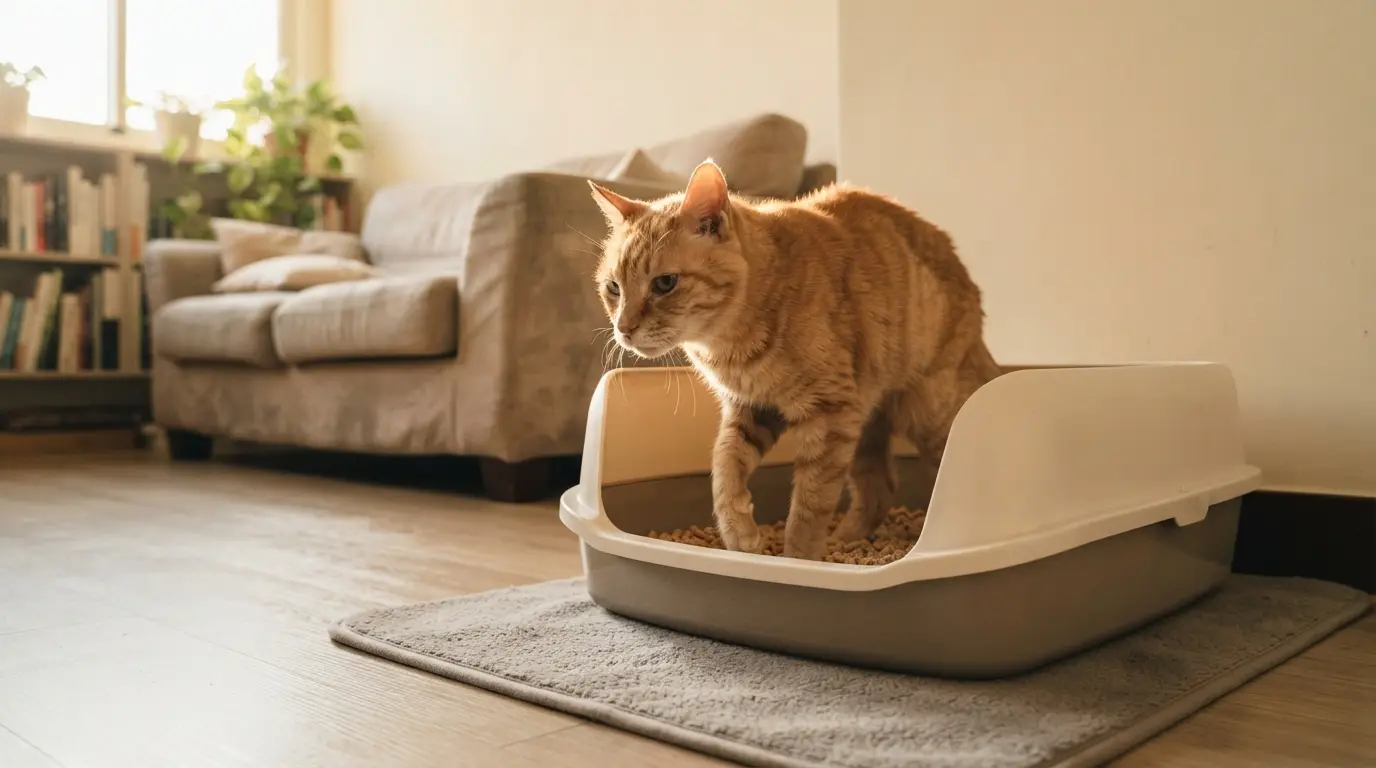
When senior cats start urinating on the edge of the litter box or directly on the floor nearby, the most common reason isn't defiance, but rather "difficulty getting in, instability, or not making it in time." The most effective first step in practice is to switch to a low-entry, open-top litter box with an entry height of less than 2 inches and a length at least 1.5 times the cat's body length, while also ruling out urinary tract and kidney issues with a vet visit.

We've had many boarding cats over 13 years old whose owners reported, "He's been peeing everywhere lately." After switching to a low-sided, open litter box, they were successfully using the box on the very first day – the problem was never the cat, but the 6-inch high wall.

Key Takeaways

  • The entry height for senior cat litter boxes should ideally be between 1-2 inches, not exceeding 3 inches at most. Standard commercial covered or high-sided litter boxes often have entry heights of 5-8 inches, which can be a significant barrier for cats with degenerative joint disease.
  • The internal length of the litter box should be at least 1.5 times the cat's body length (from nose tip to base of tail). Most adult cats need 20-24 inches, and senior cats require more space to turn around and squat comfortably.
  • Most imaging studies show that 80-90% of cats over 12 years old exhibit changes consistent with degenerative joint disease, but they often don't show obvious limping, only manifesting as "avoiding jumping on the sofa" or "refusing to use the litter box."
  • Maintain a litter depth of 1-2 inches. Deeper litter can make it unstable for weaker seniors and they may be reluctant to dig. Finer, softer litter is gentler on paws and wrists.
  • The number of litter boxes should be based on the "number of cats + 1" rule, with at least one on each floor and in each main activity area. This ensures a senior cat doesn't have to travel more than 10-15 meters or navigate stairs to reach a litter box from their resting spot.

First, Confirm: Is it "Won't Use" or "Can't Use"?

Medical Reasons to Rule Out First

For any cat over seven years old who suddenly changes their litter box habits, see a vet before modifying the environment. The order is crucial. Common conditions to rule out include:

  • Lower Urinary Tract Issues: Frequent trips to the box, urinating small amounts, blood in urine, prolonged squatting with vocalization. Complete inability to urinate, especially in male cats, is a medical emergency requiring immediate veterinary attention.
  • Chronic Kidney Disease, Diabetes, Hyperthyroidism: Increased thirst and urination can saturate the litter quickly. Cats may urinate nearby to avoid the wet, sticky litter. Read more about Why Do Cats Get Kidney Disease? Aging, Diet, Dehydration, and Genetics as Major Causes.
  • Constipation and Bowel Issues: Constipation is common in senior cats. Painful defecation can cause them to associate the litter box with discomfort, leading them to avoid it.
  • Cognitive Dysfunction Syndrome (CDS, Cat Dementia): Forgetting litter box location, wandering and vocalizing at night. Behavioral changes in these cats can be compared to Senior Cat Crying at Night? Addressing Dementia (CDS), Hyperthyroidism, and Pain with Comforting Care.

A practical way to differentiate: Squatting low, urinating on a horizontal surface, and normal urine volume often indicate "difficulty using the box." Standing, tail twitching, and spraying on vertical walls lean towards marking behavior, requiring a different approach.

Recognizing Arthritis Pain Signals at Home

Cats won't typically limp for you to see; they'll simply "do less." When assessing senior boarding cats, we monitor these signs:

  • No longer jumping onto previously accessible window sills, requiring a two-step ascent via a chair.
  • Slowing down on stairs, testing each step; heavier landing sound with hind legs when jumping down.
  • Reduced grooming, leading to matted fur or dandruff on the back or hindquarters (due to inability to reach).
  • Stepping into the litter box with front paws first, leaving hind legs outside, or squatting on the edge of the box.
  • Turning their head, skin twitching, or moving away abruptly when their lower back or hind legs are touched.

If two or more of these signs are present, a thorough joint and pain assessment by a veterinarian is recommended. There are now specific pain management options for feline osteoarthritis (including monoclonal antibody injections targeting Nerve Growth Factor, such as frunevetmab), as well as long-term pain medications and joint supplements specifically for cats. Never give human pain relievers to your cat. Acetaminophen (Tylenol) and ibuprofen are toxic and potentially fatal.

What we use for this

CatGarden’s own products, shipped from Taiwan
See all products
Premium CatnipPremium CatnipFrom US$25.30 per jarFree shipping on multi-packs

Choosing a Litter Box for Senior Cats: 5 Truly Important Specifications

If you're still choosing your first litter box, we recommend starting with the basic guide How to Choose a Cat Litter Box: Size, Type, and Placement Explained. Here, we focus on the enhanced requirements for a "senior cat version."

1. Entry Height: 1-2 Inches is the Sweet Spot

This is the one non-negotiable feature. Actual measurement: Use a ruler to measure the height from the lowest side of the litter box rim to the floor, and add the depth of the litter. If the cat needs to lift its leg higher than its wrist joint to step in, it's too high.

2. Size: Bigger is Better, Even if it Seems Excessive

Internal length ≥ 1.5 times cat's body length, width ≥ 1 times cat's body length. When squatting, senior cats often splay their hind legs outwards and need to brace against the sides; insufficient space means half their body hangs over the edge. A 24x16 inch clear storage bin is usually more cost-effective and practical than many commercial litter boxes.

3. Open Top, No Doors, No Steps

Covered boxes require cats to bend their neck and back to enter and exit, adding strain for cats with neck or back pain. Top-entry litter boxes are practically inaccessible for senior cats. Hooded, top-entry, and top-loading designs should all be replaced.

4. Non-Slip and Stable

A slippery litter box base on tile can cause the box to shift when the cat steps in, making them hesitant to use it again. Solution: Attach non-slip pads to the bottom of the litter box and place a large rubber non-slip mat around the outside of the box (this also helps catch tracked litter). The box itself should be sturdy, with side walls that don't flex or deform when pressed.

5. Litter Granule Size and Depth

Senior cats have thinner paw pads and their claws may grow longer; coarse granules can be painful to step on. Selection criteria:

  • Fine granules, soft texture, fast clumping: Comfortable to walk on and less likely to stick to fur.
  • Low dust: Many senior cats have respiratory or nasal issues. Excessive dust can shorten their time spent in the box.
  • Weight and ease of cleaning: You'll be scooping daily, and heavy litter can become a burden over time. This is why we use Ultra-Fine Tofu Litter 3.0 in our senior cat rooms; fine litter is soft underfoot and light to scoop, and seniors generally accept it better than coarser litters.

For a comparison of pros and cons of different litter materials, see Cat Litter Recommendations: How to Choose Mineral, Tofu, or Wood Litter. When switching litters, use a gradual mixing method: for the first 1-3 days, use a 3:7 ratio of new to old litter, then increase the proportion of new litter every two days. Senior cats are particularly sensitive to sudden litter changes.

Accessible Modifications in 30 Minutes (DIY)

Method 1: Cut a U-Shape into a Storage Bin (Highly Recommended)

1. Purchase a plastic storage bin, approximately 24x16x8 inches (clear bins allow cats with declining vision to see inside).

2. On one of the shorter sides, use a utility knife or heat gun to cut a U-shaped opening, 8-10 inches wide, with the lowest point 1-2 inches from the bottom.

3. Smooth the cut edges: Use a rubber U-channel trim or silicone sealant to prevent scratching the cat's paws.

4. Keep the other three sides high to maintain both a "low entry" and prevent urine from splashing over the sides.

The main advantage of this method is retaining the high sides for containing litter while creating an easy entrance on one side.

Method 2: Add a Ramp

If you don't want to replace your existing litter box, add a ramp to the outside of the entrance. Keep the ramp slope to a 1:3 ratio or less (for every 2 inches of height, the ramp should be 6 inches long). Cover the surface with coarse sandpaper or non-slip strips to provide traction. A purely smooth plastic ramp may actually deter seniors from using it.

Method 3: Addressing Edge Urination

Some senior cats habitually urinate on the edge of the box; trying to correct this directly can be futile. Instead, adapt to "catch it":

  • Add a clear splash guard (30cm high PP board) around the outer edge of the back half of the litter box to direct urine back into the box.
  • Place a washable waterproof pee pad or silicone mat outside the box, extending at least 8 inches beyond the litter box perimeter.
  • For previously urinated-on floors or carpets, use an enzyme-based cleaner specifically for pet urine. Regular cleaners leave behind ammonia scents that can attract the cat to urinate in the same spot again.

Traffic Flow is More Important Than the Litter Box Itself

Many modification attempts fail because the litter box is fine, but its location isn't optimal. Principles for senior cat traffic flow:

  • Distance: Within 10-15 meters from their primary resting spot, with no stairs, thresholds, or jumping obstacles in between.
  • One per floor: For multi-level homes, place at least one box on each floor. Senior cats shouldn't have to navigate stairs at night to use the litter box.
  • Night Lighting: Cats with declining vision can get lost in the dark. A motion-activated night light near the litter box can be surprisingly effective.
  • Avoid Washing Machines, Automatic Litter Box Motors: Sudden noises can create a negative association with that location.
  • Do not place directly next to food bowls, but also avoid tucking it away in a corner of the balcony or a room with a door that might be closed – a closed door effectively removes the litter box.

30 Seconds of Daily Poop and Pee Observation is Invaluable

Caring for a senior cat, scooping the litter box is the cheapest health monitoring tool. We recommend noting three things in your phone's memo app:

1. Urine Clump Quantity and Size: A healthy adult cat typically urinates 2-4 times a day. A sudden increase in size or frequency (kidney disease, diabetes, hyperthyroidism) or decrease in size and increased frequency (lower urinary tract issues) warrants a vet visit.

2. Fecal Frequency and Shape: Once a day is common. If no bowel movement occurs for over 48 hours, or if the stool is dry and small, it's a sign of constipation.

3. Litter Box Behavior: Hesitation, circling for a long time before entering, entering and exiting repeatedly, or rushing out after finishing (indicating pain).

Combine this with weighing your cat at the same time every 1-2 weeks. Any weight loss exceeding 5% in a month should be taken seriously. For details, refer to Is It Normal for Senior Cats to Lose Weight? 5 Disease Warning Signs and Nutritional Care Guide for Weight Loss in Senior Cats.

When to Seek Immediate Veterinary Care

  • Frequent trips to the litter box with complete inability to urinate, vocalization, or constant licking of the genital area (especially in male cats; this can be fatal within hours).
  • Blood in urine or dark brown urine.
  • No bowel movement for over 48 hours, or obvious pain during defecation.
  • Sudden inability to stand or dragging hind legs.
  • Changes in litter box habits accompanied by decreased appetite, vomiting, or a significant decline in overall energy.

If symptoms persist or worsen, do not wait for your next observation log; go directly to the emergency vet.

For Extended Absences, Clearly Communicate Litter Box Needs

When boarding senior cats, we ask owners to provide details: type of litter used, litter depth, whether the litter box has been modified to a low entry, any history of edge urination, and approximate daily urination frequency. In our senior cat rooms, we use low-sided open boxes, non-slip mats, and place the litter box on the same level as their resting perch to avoid the need for jumping.

If you are considering boarding your senior cat, we recommend first reading Can Senior Cats Stay in Cat Hotels? A Comprehensive Guide to Assessing Senior Cat Boarding, Medication Administration, and Choosing Suitable Cat Hotels to ensure the room type and medication protocols can be accommodated, then Book a Cat Hotel Stay.

Frequently Asked Questions

Is My Senior Cat Urinating Inappropriately Out of Spite or Protest?

Almost never. Cats do not have a behavioral mechanism for "retaliatory urination." Sudden inappropriate urination is usually due to illness, pain, difficulty accessing the litter box, or environmental stress. First, seek veterinary care to rule out urinary and metabolic diseases, then check the litter box height and placement.

How Low Does the Litter Box Entry Need to Be for a Senior Cat?

Practical recommendations are 1-2 inches, not exceeding 3 inches, and this includes the litter depth. The standard is whether the cat can "walk in" rather than "step over." If the cat pauses before entering, or leaves its hind legs outside after stepping in with its front paws, it's still too high.

Are Automatic Litter Boxes Suitable for Senior Cats?

Most automatic litter boxes have high entrances, small internal spaces, and their operational noise and vibration can deter senior cats, making them not the first choice. If you must use one, ensure the entrance is below 3 inches, the automatic function can be disabled, and provide a traditional low-sided litter box as an alternative.

Should I Switch to Fine Litter for My Senior Cat? Can't I Use the Old Litter?

Fine, soft granules are gentler on senior cats' paws and joints, but a sudden switch may lead to refusal. We recommend a gradual mixing method, slowly increasing the proportion of new litter over a week, and keeping a tray of the old litter available during the transition period for them to choose.

My Cat Still Urinates Inappropriately Even After Modifying the Litter Box, What Should I Do?

First, confirm three things: Has a medical check-up been completed? Is the number of litter boxes sufficient ("number of cats + 1")? Have previously urinated spots been thoroughly deodorized with an enzyme cleaner? If all three have been addressed and the behavior persists for over two weeks, consult your vet to assess pain management or cognitive dysfunction.


This article was written by the CatGarden editorial team, based on practical care experience with senior cats in our boarding facility. It is intended for general care reference only. Cat individuals vary greatly; actual diagnosis and medication should be based on a veterinarian's assessment.

CatGarden offers curated supplies, cat boarding, and grooming

Book services or shop online.
Back

Blog

Choosing a Litter Box for Senior Cats: A Guide to Low-Entry, Accessible Modifications, Addressing Inappropriate Urination, and Arthritis Care

CatGarden Editorial TeamPublished 2026/09/02
Senior Cat CareLitter BoxSenior CatArthritisCat Litter
Choosing a Litter Box for Senior Cats: A Guide to Low-Entry, Accessible Modifications, Addressing Inappropriate Urination, and Arthritis Care

When senior cats start urinating on the edge of the litter box or directly on the floor nearby, the most common reason isn't defiance, but rather "difficulty getting in, instability, or not making it in time." The most effective first step in practice is to switch to a low-entry, open-top litter box with an entry height of less than 2 inches and a length at least 1.5 times the cat's body length, while also ruling out urinary tract and kidney issues with a vet visit.

We've had many boarding cats over 13 years old whose owners reported, "He's been peeing everywhere lately." After switching to a low-sided, open litter box, they were successfully using the box on the very first day – the problem was never the cat, but the 6-inch high wall.

Key Takeaways

  • The entry height for senior cat litter boxes should ideally be between 1-2 inches, not exceeding 3 inches at most. Standard commercial covered or high-sided litter boxes often have entry heights of 5-8 inches, which can be a significant barrier for cats with degenerative joint disease.
  • The internal length of the litter box should be at least 1.5 times the cat's body length (from nose tip to base of tail). Most adult cats need 20-24 inches, and senior cats require more space to turn around and squat comfortably.
  • Most imaging studies show that 80-90% of cats over 12 years old exhibit changes consistent with degenerative joint disease, but they often don't show obvious limping, only manifesting as "avoiding jumping on the sofa" or "refusing to use the litter box."
  • Maintain a litter depth of 1-2 inches. Deeper litter can make it unstable for weaker seniors and they may be reluctant to dig. Finer, softer litter is gentler on paws and wrists.
  • The number of litter boxes should be based on the "number of cats + 1" rule, with at least one on each floor and in each main activity area. This ensures a senior cat doesn't have to travel more than 10-15 meters or navigate stairs to reach a litter box from their resting spot.

First, Confirm: Is it "Won't Use" or "Can't Use"?

Medical Reasons to Rule Out First

For any cat over seven years old who suddenly changes their litter box habits, see a vet before modifying the environment. The order is crucial. Common conditions to rule out include:

  • Lower Urinary Tract Issues: Frequent trips to the box, urinating small amounts, blood in urine, prolonged squatting with vocalization. Complete inability to urinate, especially in male cats, is a medical emergency requiring immediate veterinary attention.
  • Chronic Kidney Disease, Diabetes, Hyperthyroidism: Increased thirst and urination can saturate the litter quickly. Cats may urinate nearby to avoid the wet, sticky litter. Read more about Why Do Cats Get Kidney Disease? Aging, Diet, Dehydration, and Genetics as Major Causes.
  • Constipation and Bowel Issues: Constipation is common in senior cats. Painful defecation can cause them to associate the litter box with discomfort, leading them to avoid it.
  • Cognitive Dysfunction Syndrome (CDS, Cat Dementia): Forgetting litter box location, wandering and vocalizing at night. Behavioral changes in these cats can be compared to Senior Cat Crying at Night? Addressing Dementia (CDS), Hyperthyroidism, and Pain with Comforting Care.

A practical way to differentiate: Squatting low, urinating on a horizontal surface, and normal urine volume often indicate "difficulty using the box." Standing, tail twitching, and spraying on vertical walls lean towards marking behavior, requiring a different approach.

Recognizing Arthritis Pain Signals at Home

Cats won't typically limp for you to see; they'll simply "do less." When assessing senior boarding cats, we monitor these signs:

  • No longer jumping onto previously accessible window sills, requiring a two-step ascent via a chair.
  • Slowing down on stairs, testing each step; heavier landing sound with hind legs when jumping down.
  • Reduced grooming, leading to matted fur or dandruff on the back or hindquarters (due to inability to reach).
  • Stepping into the litter box with front paws first, leaving hind legs outside, or squatting on the edge of the box.
  • Turning their head, skin twitching, or moving away abruptly when their lower back or hind legs are touched.

If two or more of these signs are present, a thorough joint and pain assessment by a veterinarian is recommended. There are now specific pain management options for feline osteoarthritis (including monoclonal antibody injections targeting Nerve Growth Factor, such as frunevetmab), as well as long-term pain medications and joint supplements specifically for cats. Never give human pain relievers to your cat. Acetaminophen (Tylenol) and ibuprofen are toxic and potentially fatal.

What we use for this

CatGarden’s own products, shipped from Taiwan
See all products
Premium CatnipPremium CatnipFrom US$25.30 per jarFree shipping on multi-packs

Choosing a Litter Box for Senior Cats: 5 Truly Important Specifications

If you're still choosing your first litter box, we recommend starting with the basic guide How to Choose a Cat Litter Box: Size, Type, and Placement Explained. Here, we focus on the enhanced requirements for a "senior cat version."

1. Entry Height: 1-2 Inches is the Sweet Spot

This is the one non-negotiable feature. Actual measurement: Use a ruler to measure the height from the lowest side of the litter box rim to the floor, and add the depth of the litter. If the cat needs to lift its leg higher than its wrist joint to step in, it's too high.

2. Size: Bigger is Better, Even if it Seems Excessive

Internal length ≥ 1.5 times cat's body length, width ≥ 1 times cat's body length. When squatting, senior cats often splay their hind legs outwards and need to brace against the sides; insufficient space means half their body hangs over the edge. A 24x16 inch clear storage bin is usually more cost-effective and practical than many commercial litter boxes.

3. Open Top, No Doors, No Steps

Covered boxes require cats to bend their neck and back to enter and exit, adding strain for cats with neck or back pain. Top-entry litter boxes are practically inaccessible for senior cats. Hooded, top-entry, and top-loading designs should all be replaced.

4. Non-Slip and Stable

A slippery litter box base on tile can cause the box to shift when the cat steps in, making them hesitant to use it again. Solution: Attach non-slip pads to the bottom of the litter box and place a large rubber non-slip mat around the outside of the box (this also helps catch tracked litter). The box itself should be sturdy, with side walls that don't flex or deform when pressed.

5. Litter Granule Size and Depth

Senior cats have thinner paw pads and their claws may grow longer; coarse granules can be painful to step on. Selection criteria:

  • Fine granules, soft texture, fast clumping: Comfortable to walk on and less likely to stick to fur.
  • Low dust: Many senior cats have respiratory or nasal issues. Excessive dust can shorten their time spent in the box.
  • Weight and ease of cleaning: You'll be scooping daily, and heavy litter can become a burden over time. This is why we use Ultra-Fine Tofu Litter 3.0 in our senior cat rooms; fine litter is soft underfoot and light to scoop, and seniors generally accept it better than coarser litters.

For a comparison of pros and cons of different litter materials, see Cat Litter Recommendations: How to Choose Mineral, Tofu, or Wood Litter. When switching litters, use a gradual mixing method: for the first 1-3 days, use a 3:7 ratio of new to old litter, then increase the proportion of new litter every two days. Senior cats are particularly sensitive to sudden litter changes.

Accessible Modifications in 30 Minutes (DIY)

Method 1: Cut a U-Shape into a Storage Bin (Highly Recommended)

1. Purchase a plastic storage bin, approximately 24x16x8 inches (clear bins allow cats with declining vision to see inside).

2. On one of the shorter sides, use a utility knife or heat gun to cut a U-shaped opening, 8-10 inches wide, with the lowest point 1-2 inches from the bottom.

3. Smooth the cut edges: Use a rubber U-channel trim or silicone sealant to prevent scratching the cat's paws.

4. Keep the other three sides high to maintain both a "low entry" and prevent urine from splashing over the sides.

The main advantage of this method is retaining the high sides for containing litter while creating an easy entrance on one side.

Method 2: Add a Ramp

If you don't want to replace your existing litter box, add a ramp to the outside of the entrance. Keep the ramp slope to a 1:3 ratio or less (for every 2 inches of height, the ramp should be 6 inches long). Cover the surface with coarse sandpaper or non-slip strips to provide traction. A purely smooth plastic ramp may actually deter seniors from using it.

Method 3: Addressing Edge Urination

Some senior cats habitually urinate on the edge of the box; trying to correct this directly can be futile. Instead, adapt to "catch it":

  • Add a clear splash guard (30cm high PP board) around the outer edge of the back half of the litter box to direct urine back into the box.
  • Place a washable waterproof pee pad or silicone mat outside the box, extending at least 8 inches beyond the litter box perimeter.
  • For previously urinated-on floors or carpets, use an enzyme-based cleaner specifically for pet urine. Regular cleaners leave behind ammonia scents that can attract the cat to urinate in the same spot again.

Traffic Flow is More Important Than the Litter Box Itself

Many modification attempts fail because the litter box is fine, but its location isn't optimal. Principles for senior cat traffic flow:

  • Distance: Within 10-15 meters from their primary resting spot, with no stairs, thresholds, or jumping obstacles in between.
  • One per floor: For multi-level homes, place at least one box on each floor. Senior cats shouldn't have to navigate stairs at night to use the litter box.
  • Night Lighting: Cats with declining vision can get lost in the dark. A motion-activated night light near the litter box can be surprisingly effective.
  • Avoid Washing Machines, Automatic Litter Box Motors: Sudden noises can create a negative association with that location.
  • Do not place directly next to food bowls, but also avoid tucking it away in a corner of the balcony or a room with a door that might be closed – a closed door effectively removes the litter box.

30 Seconds of Daily Poop and Pee Observation is Invaluable

Caring for a senior cat, scooping the litter box is the cheapest health monitoring tool. We recommend noting three things in your phone's memo app:

1. Urine Clump Quantity and Size: A healthy adult cat typically urinates 2-4 times a day. A sudden increase in size or frequency (kidney disease, diabetes, hyperthyroidism) or decrease in size and increased frequency (lower urinary tract issues) warrants a vet visit.

2. Fecal Frequency and Shape: Once a day is common. If no bowel movement occurs for over 48 hours, or if the stool is dry and small, it's a sign of constipation.

3. Litter Box Behavior: Hesitation, circling for a long time before entering, entering and exiting repeatedly, or rushing out after finishing (indicating pain).

Combine this with weighing your cat at the same time every 1-2 weeks. Any weight loss exceeding 5% in a month should be taken seriously. For details, refer to Is It Normal for Senior Cats to Lose Weight? 5 Disease Warning Signs and Nutritional Care Guide for Weight Loss in Senior Cats.

When to Seek Immediate Veterinary Care

  • Frequent trips to the litter box with complete inability to urinate, vocalization, or constant licking of the genital area (especially in male cats; this can be fatal within hours).
  • Blood in urine or dark brown urine.
  • No bowel movement for over 48 hours, or obvious pain during defecation.
  • Sudden inability to stand or dragging hind legs.
  • Changes in litter box habits accompanied by decreased appetite, vomiting, or a significant decline in overall energy.

If symptoms persist or worsen, do not wait for your next observation log; go directly to the emergency vet.

For Extended Absences, Clearly Communicate Litter Box Needs

When boarding senior cats, we ask owners to provide details: type of litter used, litter depth, whether the litter box has been modified to a low entry, any history of edge urination, and approximate daily urination frequency. In our senior cat rooms, we use low-sided open boxes, non-slip mats, and place the litter box on the same level as their resting perch to avoid the need for jumping.

If you are considering boarding your senior cat, we recommend first reading Can Senior Cats Stay in Cat Hotels? A Comprehensive Guide to Assessing Senior Cat Boarding, Medication Administration, and Choosing Suitable Cat Hotels to ensure the room type and medication protocols can be accommodated, then Book a Cat Hotel Stay.

Frequently Asked Questions

Is My Senior Cat Urinating Inappropriately Out of Spite or Protest?

Almost never. Cats do not have a behavioral mechanism for "retaliatory urination." Sudden inappropriate urination is usually due to illness, pain, difficulty accessing the litter box, or environmental stress. First, seek veterinary care to rule out urinary and metabolic diseases, then check the litter box height and placement.

How Low Does the Litter Box Entry Need to Be for a Senior Cat?

Practical recommendations are 1-2 inches, not exceeding 3 inches, and this includes the litter depth. The standard is whether the cat can "walk in" rather than "step over." If the cat pauses before entering, or leaves its hind legs outside after stepping in with its front paws, it's still too high.

Are Automatic Litter Boxes Suitable for Senior Cats?

Most automatic litter boxes have high entrances, small internal spaces, and their operational noise and vibration can deter senior cats, making them not the first choice. If you must use one, ensure the entrance is below 3 inches, the automatic function can be disabled, and provide a traditional low-sided litter box as an alternative.

Should I Switch to Fine Litter for My Senior Cat? Can't I Use the Old Litter?

Fine, soft granules are gentler on senior cats' paws and joints, but a sudden switch may lead to refusal. We recommend a gradual mixing method, slowly increasing the proportion of new litter over a week, and keeping a tray of the old litter available during the transition period for them to choose.

My Cat Still Urinates Inappropriately Even After Modifying the Litter Box, What Should I Do?

First, confirm three things: Has a medical check-up been completed? Is the number of litter boxes sufficient ("number of cats + 1")? Have previously urinated spots been thoroughly deodorized with an enzyme cleaner? If all three have been addressed and the behavior persists for over two weeks, consult your vet to assess pain management or cognitive dysfunction.


This article was written by the CatGarden editorial team, based on practical care experience with senior cats in our boarding facility. It is intended for general care reference only. Cat individuals vary greatly; actual diagnosis and medication should be based on a veterinarian's assessment.

One email a month of cat-care tips

Hand-picked care, behavior and grooming tips once a month. Subscribe and we will send you our three most-read articles right away.

Keep reading