Why Does My Cat's Poop Stink So Bad? 3 Major Causes, Dietary Adjustments, and Odor Control Methods
A cat's smelly poop not only affects your home's air quality but can also indicate dietary issues or gastrointestinal problems. Observing the stool's shape, frequency, and your cat's appetite is the most practical first step. Smelly cat poop can be related to diet, gut flora, litter box cleanliness, or illness. This article outlines 3 major causes.

A cat's smelly poop not only affects your home's air quality but can also indicate dietary issues or gastrointestinal problems. Observing the stool's shape, frequency, and your cat's appetite is the most practical first step.
Smelly cat poop can be related to diet, gut flora, litter box cleanliness, or illness. This article outlines 3 major causes and directions for improvement.
Key takeaways
- Cats are obligate carnivores with naturally short digestive tracts. Consuming excessive amounts of hard-to-digest carbohydrates like grains or starches can lead to excessive fermentation in the intestines, producing gas and foul-smelling stool.
- Internal parasites (e.g., Giardia, Coccidia) or gastroenteritis can disrupt the gut flora balance, causing inflammation and foul odors. Both indoor and outdoor cats require monthly internal and external parasite control.
- Litter box cleaning should be done at least twice daily (morning and evening). The litter depth should be maintained at 5-8 cm, and it's recommended to thoroughly scrub the litter box and replace all litter every 1-2 weeks.
- If foul-smelling stool is accompanied by lethargy, decreased appetite, persistent vomiting, abnormal breathing, pain, or rapid worsening of symptoms, seek immediate veterinary attention.
Cause 1: Eating the Wrong Food! Is Your Cat a "Carnivore"?
This is the most common and often overlooked reason! Cats are "obligate carnivores." Their digestive tracts are naturally short, making them perfectly suited for digesting high-protein meat but very poor at processing carbohydrates (especially grains and starches).
Many commercial dry cat foods add large amounts of grains or starches like potatoes for cost-effectiveness. When cats consume these hard-to-digest carbohydrates, the food ferments excessively in their intestines, producing a lot of gas. The resulting poop is naturally incredibly foul-smelling.
- What cat owners can do: Check your cat food's ingredients and choose formulas that are "high protein, low carbohydrate, and grain-free."
- Offer more wet food (pate-style cans). Wet food typically has a higher meat content and better aligns with a cat's natural instincts.
Cause 2: Gut Flora Imbalance! Bad Bacteria in the Belly Are to Blame
A healthy gut requires a balance of good and bad bacteria. When a cat's gut environment deteriorates and bad bacteria proliferate due to the following situations, the smell of their poop will rise dramatically:
- Internal Parasites: Such as Giardia or Coccidia, which can cause inflammation and diarrhea, accompanied by a foul odor.
- Gastroenteritis or Indigestion: Bacterial or viral infections can damage gut health.
- What cat owners can do: Regular Deworming: Whether your cat is indoor or outdoor, ensure consistent monthly internal and external parasite prevention.
- Supplement Good Bacteria to Strengthen the Gut: Daily maintenance is key! Appropriately supplementing your cat with beneficial bacteria is one of the most fundamental ways to improve gut health and reduce poop odor. Consider CatGarden's "Specialized Probiotics", which contains multiple well-researched, high-quality strains and prebiotics. These help your cat build a robust gut flora, making their poop less stinky and their digestive system healthier!
Cause 3: The Litter Box Has Become a "Gas Chamber"! Cleaning Habits Need Review
Even if your cat eats healthily, if the litter box isn't cleaned properly, the odor will circulate endlessly in your home. Cat urine contains urea, which breaks down into pungent "ammonia" upon contact with air. Combined with the smell of feces, it's practically a chemical weapon!
- What cat owners can do: Scoop Daily: This is basic hygiene! Scoop at least twice a day (morning and evening) to immediately remove the source of the odor.
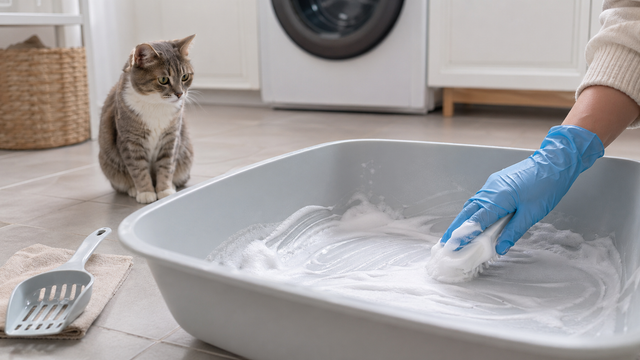
- Regular Deep Cleaning: It's recommended to discard all the old litter every 1-2 weeks. Use pet-specific cleaners (like Cat Litter Box Cleaning Mousse) to thoroughly scrub the litter box, let it dry completely, and then refill it with fresh litter.
- Sufficient Litter Depth: Ensure at least 5-8 cm (2-3 inches) of litter depth to effectively cover and absorb waste.
Understanding these three points will reveal that improving your cat's smelly poop is not difficult at all. Starting today, tackle diet, gut health, and environmental cleaning simultaneously to say goodbye to those annoying odors!
Frequently Asked Questions (FAQ)
When Should I See a Vet?
If your cat shows decreased energy, loss of appetite, persistent vomiting, abnormal breathing, signs of pain, or rapid deterioration of symptoms, contact your veterinarian as soon as possible.
Can I Rely Solely on Home Adjustments?
Home adjustments can supplement daily care, but if symptoms persist or worsen, it's essential to first determine the underlying cause.
References
CatGarden | An exclusive cat hotel in Banqiao offering boarding and grooming services.
Further Reading
- Early Signs of Cat Illness: 7 Warning Signs and Observation Points
- Signs of Cat Malnutrition: Common Symptoms, Nutritional Intake, and Supplementation Guide
- Cat Hydration Methods: How to Use a Syringe? Safe Hydration Times and Precautions
→ Learn about CatGarden Odor Control Mineral Litter
FAQ
Why does dry food high in carbohydrates tend to make cat poop smell bad?
Because cats are naturally obligate carnivores with poor digestive capabilities for grains and starches. Excessive carbohydrate intake leads to over-fermentation in the intestines, producing a lot of foul-smelling gas.
How should I properly clean the litter box daily to reduce odor?
It's recommended to scoop the litter at least twice a day (morning and evening). Maintain a litter depth of 5-8 cm for adequate coverage, and thoroughly scrub the litter box and replace all litter every 1-2 weeks.
When cat poop smells bad, what signs require immediate veterinary care?
When a cat shows signs of lethargy, decreased appetite, persistent vomiting, abnormal breathing, pain, or a rapid overall deterioration of symptoms, seek veterinary help as soon as possible.
How can I improve foul-smelling stool caused by an overgrowth of bad gut bacteria?
In addition to regular monthly deworming to prevent Giardia and Coccidia, you can also supplement your cat with beneficial bacteria (probiotics) as needed to maintain gut health.
CatGarden offers curated supplies, cat boarding, and grooming
Book services or shop online.