Cat Care During the Plum Rain Season: 5 Tips for Dehumidifying, Preventing Mold, and Skin Issues
Caring for your cat during the plum rain season focuses on controlling humidity, maintaining ventilation, and reducing mold growth. Prolonged high humidity can affect your cat's skin, respiratory system, litter box, and food storage.

Caring for your cat during the plum rain season focuses on controlling humidity, maintaining ventilation, and reducing mold growth. Prolonged high humidity can affect your cat's skin, respiratory system, litter box, and food storage.
Key takeaways
- During the rainy season, it is recommended to use a dehumidifier to control indoor humidity between 50%-60% to effectively inhibit the growth of mold and dust mites.
- High humidity environments can easily cause health problems in cats, such as ringworm and other fungal infections, eczema, respiratory irritation, and stiff, uncomfortable joints.
- Cat beds, sleeping pads, blankets, and other supplies should be washed at least once a week and kept dry through sun-drying, a dryer, or a dehumidifier.
- Dry food should be stored in airtight containers to prevent moisture absorption, softening, spoilage, and mold, which can cause gastrointestinal problems.
Quick Answer: What to Do First for Cat Care During Plum Rain Season?
- Keep indoor humidity within a comfortable range, using a dehumidifier if necessary.
- Regularly wash and dry cat beds, blankets, and litter boxes.
- Store dry food in airtight containers to prevent moisture damage.
The sticky plum rain season of May and June is here again! The continuous rain not only makes people feel gloomy, but the extremely high humidity in the air poses a significant health challenge for our beloved feline companions! As a devoted cat parent, are you also worried that your cat might feel uncomfortable due to the dampness, or even develop skin problems or mold?
Don't worry! This article will teach you how to tackle these issues. By mastering a few key techniques, you can easily create a dry and comfortable living environment for your cat and say goodbye to plum rain season woes!
Beware! The Dampness of the Plum Rain Season is Quietly Threatening Your Cat's Health
When the air humidity frequently soars above 80%, this invisible dampness is gradually affecting your cat's health in several ways:
- Skin Problems Arise: Dampness is a breeding ground for mold and bacteria. Cats' skin, constantly exposed to a humid environment, is highly susceptible to fungal infections (ringworm), eczema, itching, and redness. Long-haired cats are at even higher risk, as their thick fur can trap moisture and dirt more easily!
- Respiratory System Alert: Mold spores and allergens in the air can irritate your cat's respiratory tract, causing sneezing and coughing. In severe cases, it can even trigger asthma or chronic rhinitis.
- Joint Discomfort: Similar to humans, older cats or those with a history of arthritis may experience joint stiffness and discomfort in damp, cold weather, significantly reducing their willingness to be active.
- Digestive Upset: Drastic weather changes can affect some cats' appetites. More importantly, dampness can cause dry food to spoil and mold. If ingested, it can lead to gastrointestinal problems!
5 Master Tips for Cat Care During Plum Rain Season: Create a Dry and Comfortable Cat Paradise
To help your cat safely navigate the plum rain season, environmental "mold prevention" and "dehumidification" are absolutely crucial! Quickly learn these tips:
#### Tip 1: Turn on the Dehumidifier, Maintain Optimal Humidity
A dehumidifier is a lifesaver during the plum rain season! It's recommended to keep indoor humidity controlled between a comfortable 50% to 60%. This level effectively inhibits the growth of mold and dust mites. If you have a larger space, consider placing a unit in different rooms for better results!
#### Tip 2: Frequently Wash and Dry Cat Supplies, Eliminating Breeding Grounds for Germs
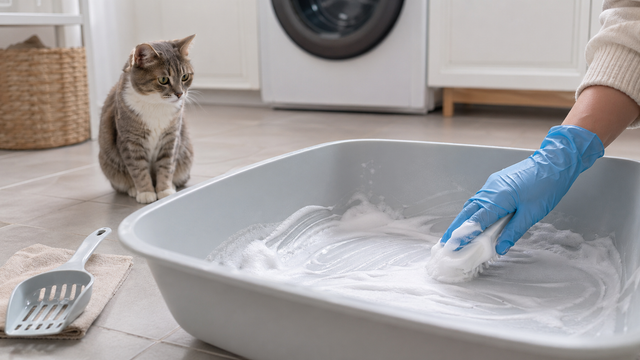
Cat beds, sleeping mats, blankets, and toys are all places where bacteria and moisture can easily accumulate. It's recommended to wash them at least once a week and take advantage of any sunny days to thoroughly disinfect them outdoors. If it's constantly raining, you can also use a dryer or the drying function of a dehumidifier.
#### Tip 3: Maintain Air Circulation, Avoid a "Stuffy Environment"
Opening windows daily for a set period to allow for indoor-outdoor air exchange is the simplest way to remove moisture. If your home has fewer windows, use a circulation fan to actively move the air. Also, pay special attention to corners where cats love to hide, such as under sofas and in wall nooks. You can place bamboo charcoal bags or dehumidifying boxes in these areas to enhance moisture control.
#### Tip 4: Prevent Moisture in Food and Litter Boxes, Avoiding Illness from Ingestion!
Damp air can quickly soften and spoil dry cat food. Remember to store food in airtight food storage containers.
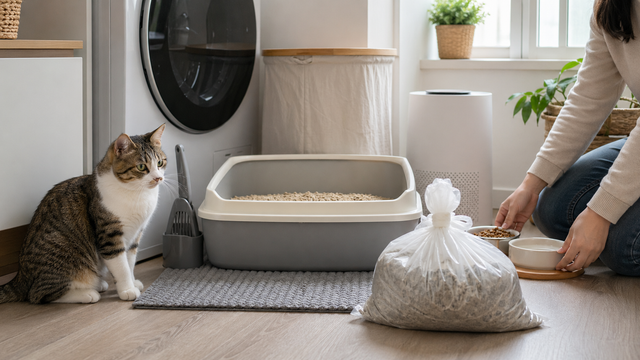
Equally important is the litter box, which is used daily! When humidity increases, cat litter tends to clump due to moisture, not only reducing its odor-absorbing capabilities but also becoming a breeding ground for bacteria. At this point, choosing a highly absorbent and fast-clumping cat litter is crucial! For example, CatGarden's Odor Control Mineral Litter 3.0 with its unique activated carbon and zeolite ingredients offers superior clumping power and excellent odor and moisture locking effects. It effectively inhibits bacterial growth, keeping the litter box dry and clean even during the plum rain season, providing your cat with a five-star toilet experience!
#### Tip 5: Daily Grooming and Checks, Protect from the Root
Spend a few minutes each day grooming your cat. This not only strengthens your bond but is also the best time to check their skin condition. Carefully look for any abnormal redness, dandruff, or hair loss. In terms of diet, consider supplementing with products that support skin health to enhance your cat's immunity!
While the plum rain season can be troublesome, with a little extra care, you can create a healthy and safe haven for your cat. As a dedicated cat parent, let's take action together and provide your cat with the warmest protection through a dry and comfortable environment!
Frequently Asked Questions FAQ
When should I take my cat to the vet?
If your cat shows signs of lethargy, loss of appetite, frequent vomiting, abnormal breathing, signs of pain, or worsening symptoms, seek veterinary attention promptly. Do not rely solely on home observation.
Can supplements alone solve the problem?
Supplements can only serve as daily support and cannot replace a complete diet, environmental management, or veterinary diagnosis. If there are obvious symptoms, the underlying cause should be identified first.
Cat Grooming Appointment Suggestions
If the issues mentioned in this article are affecting your cat's fur, skin, nails, or overall hygiene, you can first check out CatGarden's Cat Grooming Services and then schedule a bath, trim, or nail clipping based on your cat's age, coat condition, and temperament.
References
CatGarden | A Luxury Cat Hotel in Banqiao, offering boarding and grooming services.
Further Reading
- Cat Hydration Tips: How to Use a Syringe for Safe Hydration
- Cat Litter Box Deodorizing Methods: 5 Tips to Improve Cat Urine Odor and Home Smells
- How to Trim Your Cat's Nails: Tools, Steps, Calming Techniques, and Handling Bleeding
FAQ
What is the ideal indoor humidity level for cats during the rainy season?
It is recommended to use a dehumidifier to maintain indoor humidity between 50%-60%, which can effectively inhibit the growth of mold and dust mites.
What health threats can humid air pose to cats during the rainy season?
It can easily lead to skin problems such as fungal infections (ringworm), eczema, and itching. It can irritate the respiratory tract, causing sneezing or coughing, and may cause discomfort in older cats' joints or gastrointestinal issues due to damp and spoiled food.
How often should cat supplies be washed during the rainy season?
It is recommended to wash cat beds, sleeping pads, blankets, toys, and other supplies at least once a week and ensure they are thoroughly dried in the sun or a dryer.
When should a cat be taken for veterinary examination?
If a cat shows decreased energy, loss of appetite, frequent vomiting, abnormal breathing, signs of pain, or worsening symptoms, it should be taken to a veterinary clinic as soon as possible.
CatGarden offers curated supplies, cat boarding, and grooming
Book services or shop online.