Is Your Home a Cat Paradise or a No-Go Zone? Unveiling 4 Major Cat-Care Environment Issues Owners Often Overlook
A cat's quality of life isn't just affected by diet and healthcare; the details of their home environment are equally crucial. Through long-term observation of boarding cats, CatGarden has noticed that the reasonableness of environmental setup often directly determines a cat's stress levels and behavior.

A cat's quality of life isn't just affected by diet and healthcare; the details of their home environment are equally crucial. Through long-term observation of boarding cats, CatGarden has noticed that the reasonableness of environmental setup often directly determines a cat's stress levels and behavior. Here are 4 major environmental issues often overlooked by owners, helping you assess if your home truly meets your cat's needs.
Key takeaways
- Cats' hearing is about 3 times more sensitive than humans'. Prolonged noise from appliances or external construction can be a source of stress. Soundproofing or soft music can help them relax.
- The ideal indoor humidity for cat owners is below 60%. High humidity can easily breed mold, leading to skin problems like ringworm and eczema, or respiratory issues.
- Cats' food and water bowls, as well as litter boxes, should be cleaned daily. It's recommended to thoroughly clean the home environment at least once or twice a week to prevent bacterial growth and avoid issues like urine withholding due to uncleanliness.
- Scheduling regular playtime with your cat every day helps them expend energy and satisfy their hunting instincts, which can prevent behavioral problems.
Is Your Cat Happy? 4 Major "No-Go" Environmental Points – How Many Did You Hit?
Let's check out these "no-go" points for cat environments. Have you accidentally stepped on any landmines?
No-Go Point 1: Invisible Mess is Scarier! Have You Truly Mastered "Home Hygiene"?
"My home looks clean!" Don't jump to conclusions just yet. A cat's hygiene standards might be different from what you think!
- Floor Cleaning: Is your floor truly clean enough for your cat to lie down and rub against comfortably? Do you regularly vacuum and mop to remove fur and dust?
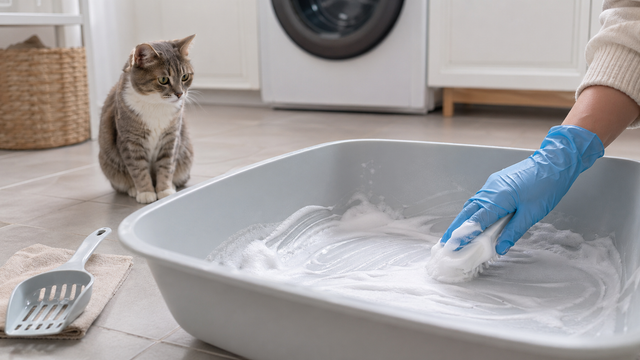
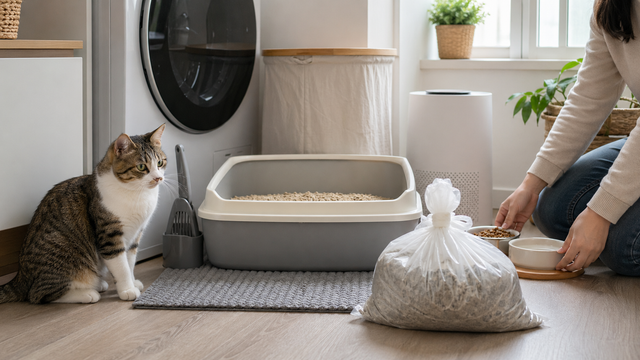
- Litter Box Cleaning: Does the litter box get "scooped" by the owner on time every day? Is the litter changed regularly? A dirty toilet means your cat would rather hold it than use it!
- Food and Water Bowl Cleaning: Are your cat's food and water bowls washed daily? Or is there a thick layer of grease and scale? This is a breeding ground for bacteria!
- Cat's Personal Grooming: Do you regularly brush your cat to reduce shedding and prevent them from ingesting too much fur, leading to hairballs? Is their face (especially around the eyes and nose) kept dry and clean?
CatGarden's Recommended Practices:
- Daily Tasks: Diligently scoop the litter box and wash the cat's food and water bowls. This is fundamental!
- Weekly Tasks: Schedule at least one to two thorough cleaning sessions for the home environment, including vacuuming, mopping, and wiping down areas where the cat frequently stays.
- Cat Grooming: Brush your cat regularly, especially during shedding seasons. Bathing doesn't need to be too frequent, but if your cat is dirty or has an odor, use a cat-specific shampoo. For example, CatGarden's "Herbal Cat Shampoo" has gentle ingredients that effectively clean dirt while caring for your cat's sensitive skin, leaving them smelling fresh and healthy!
- Deep Litter Box Cleaning: Besides daily scooping, the litter box itself needs regular deep cleaning and disinfection. This is where CatGarden's "Litter Box Cleaning Mousse" comes in handy! It effectively breaks down urine scale, eliminates odors, and inhibits bacterial growth, leaving the litter box like new and providing a more reassuring experience for your cat.
No-Go Point 2: Your Master Has Super Hearing! Is "Home Noise" Silently Harming Them?
A cat's hearing is about 3 times more sensitive than ours! So, sounds that seem okay to us might be at a "piercing the eardrums" level for them.
- Common Noise Sources: For example, nearby construction sites, factory operations, traffic noise from the road, or even the hum of household appliances can become long-term noise stressors, seriously affecting your cat's mental health and emotional stability.
CatGarden's Recommended Practices:
- Create a Quiet Haven: Try to designate a relatively quiet corner in your home, one that's less likely to be disturbed, as your cat's exclusive resting area.
- Improve Soundproofing: If environmental noise is unavoidable, consider installing soundproof curtains, airtight windows, or using sound-absorbing panels to reduce noise interference.
- Soothing Sounds: When your cat is feeling tense, consider playing some gentle classical music or using a white noise machine. Sometimes, this can actually help them relax and reduce their sensitivity to sudden noises.
No-Go Point 3: Too Much Humidity Makes Cats "Moldy"! Are You Controlling "Home Humidity"?
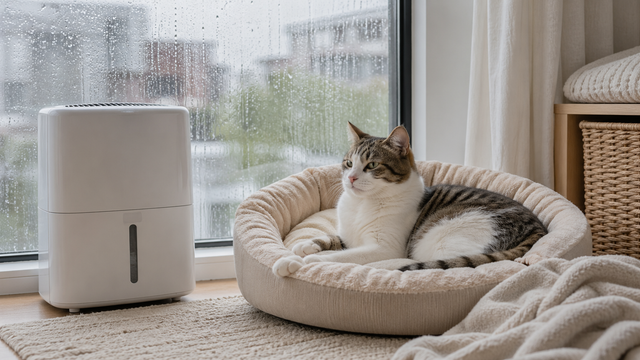
Taiwan's climate is often humid. If the humidity in your home is too high (ideally kept below 60%), it's not just uncomfortable for humans, but it has an even greater impact on cats!
- High Humidity Risks: Excessive humidity can lead to the growth of bacteria, mold, and fungi in the environment. Not only does cat food spoil and mold easily, but cats are also more prone to skin conditions like ringworm and eczema, or respiratory problems.
CatGarden's Recommended Practices:
- Turn on the Dehumidifier: Make good use of a dehumidifier, especially during the plum rain season or on consecutive rainy days. Be sure to run it regularly to keep indoor humidity within the ideal range.
- Maintain Ventilation: When the weather is good, open windows appropriately to keep the air circulating and remove excess moisture.
- Dry Key Areas: Regularly check and clean damp corners in your home, such as near the bathroom door or windows. The litter box mentioned earlier can also breed bacteria if it's too humid. Regular cleaning with CatGarden's "Litter Box Cleaning Mousse" can help maintain a dry and clean litter box area.
No-Go Point 4: Aloofness is Just a Defense Mechanism! Are You Meeting Your Cat's "Mental Needs"?
Many cats appear cool and indifferent, but their inner world is actually quite rich, and they crave your companionship and attention!
- Craving for Companionship: Have you noticed that even if your cat isn't clingy, they often like to stay within your line of sight, quietly observing your daily life? This is actually a sign that they care about you and need you.
- Play and Interaction: Sufficient play and interaction can expend your cat's energy, satisfy their hunting instincts, and effectively prevent behavioral problems.
CatGarden's Recommended Practices:
- Dedicated Companionship Time: No matter how busy you are, set aside a fixed amount of time each day to put down your phone and focus on playing with your cat, talking to them, and increasing your bond.
- Variety of Toys: Prepare some toys your cat loves, such as feather wands, toy mice, or jingle balls, and rotate them periodically to keep things interesting. Occasionally, you can use a bit of CatGarden's "Premium Catnip" sprinkled on toys or scratching posts to boost your cat's excitement, make them happy, and enhance playtime.
- Be Your Cat's Health Guardian: Proactively learn about common cat health issues, such as how to identify ear mites or the early symptoms of ringworm, what to do about soft stools or vomiting, and basic home parasite prevention methods. This way, when your cat has minor issues, you won't panic, can detect problems early, prevent small illnesses from becoming serious, and avoid frequent vet visits, saving on medical expenses.
Be a Smart Cat Owner! Complete Cat-Care Knowledge for a Healthy Feline!
In summary, cat ownership is more than just providing material needs; a cat's physical health and mental state are closely related to their living environment. As a responsible owner, developing a habit of regularly learning about cat-related knowledge, such as reading professional books, following credible pet health information, and exchanging experiences with other cat owners, can help you better understand your cat's needs, effectively reduce the chances of them getting sick, and significantly improve their quality of life.
Creating a good home environment is the most worthwhile foundational work in the journey of cat ownership. If you find any of the issues mentioned above in your home, it is recommended to adjust them one by one, observe your cat's reactions, and ensure their living environment truly meets their physical and mental needs.
Frequently Asked Questions
What should a new cat owner pay attention to first?
It is recommended to first stabilize their diet, litter box, water, sleeping space, and daily observations. Do not change too many things at once, allowing the cat time to build a sense of security.
Does cat care need to be adjusted according to age?
Yes. Kittens, adult cats, and senior cats have different needs in terms of diet, activity levels, medical check-ups, and environmental safety. Care methods should be adjusted with age.
When should professional help be sought?
If behavioral problems persist or worsen, health symptoms recur, or there are abnormalities in appetite or excretion, it is recommended to consult a veterinarian, behavior consultant, or professional caregiver.
→ Learn about CatGarden Odor Control Mineral Litter
CatGarden offers curated supplies, cat boarding, and grooming
Book services or shop online.