Is Alcohol Safe for Cats? Cleaning Disinfection Risks, Poisoning Symptoms, and Alternatives
When cleaning and disinfecting your home, consider that cats lick their paws and fur and spend time close to the ground. If alcohol doesn't fully evaporate, it can pose risks of irritation or poisoning. Alcohol is not suitable for direct use on cats, nor is it recommended to let cats come into contact with areas cleaned with unevaporated alcohol.

When cleaning and disinfecting your home, consider that cats lick their paws and fur and spend time close to the ground. If alcohol doesn't fully evaporate, it can pose risks of irritation or poisoning.
Alcohol is not suitable for direct use on cats, nor is it recommended to let cats come into contact with areas cleaned with unevaporated alcohol. This article outlines the risks and safe alternatives.
Key takeaways
- Cats lack the enzymes to effectively metabolize ethanol (alcohol). Even small amounts can lead to acute poisoning, causing hypothermia, seizures, shock, and even death.
- Alcohol can harm cats through ingestion, skin contact, and inhalation. Skin contact damages their sensitive lipid layer, causing redness and inflammation. Volatile gases in poorly ventilated areas can also irritate their respiratory tract.
- Everyday activities like using alcohol to wipe floors and furniture, touching your cat after using hand sanitizer before it evaporates, or wiping your cat with alcohol-based wet wipes can lead to poisoning if the cat ingests the toxin by licking its fur.
- If a cat's skin comes into contact with alcohol, immediately rinse with plenty of running water for at least 5 minutes. If ingested or licked, do not induce vomiting. Immediately record the dosage and time, and rush the cat to a veterinarian.
1. Why is Alcohol a Deadly Toxin for Cats?
Many people assume it's fine as long as the cat doesn't drink alcohol, but the devil is in the details. Alcohol can harm cats through skin contact, ingestion, and even inhalation.
- Ingestion Poisoning (Most Dangerous!): Cats lack the enzymes to effectively metabolize ethanol (alcohol) in their livers. This means even very small amounts of alcohol can cause acute poisoning. Symptoms include: unsteadiness, vomiting, drooling, lethargy, difficulty breathing, and in severe cases, hypothermia, seizures, shock, or even death.
- Skin Contact: A cat's skin is thinner and more sensitive than human skin. The strong irritant properties of alcohol can damage their lipid layer, leading to dryness, redness, inflammation, or allergic reactions. If a cat then licks the area where alcohol was sprayed, it's equivalent to ingesting the toxin.
- Inhalation Risk: In poorly ventilated spaces where large amounts of alcohol are used for disinfection, the evaporating fumes can also irritate a cat's sensitive respiratory tract, causing discomfort.
2. Beware! These "Everyday Scenarios" Hide Alcohol Risks
- Floors and furniture wiped with alcohol: After a cat walks on them and licks its paws, it ingests the alcohol.
- Owner's hands after using hand sanitizer: Holding or petting the cat before the alcohol has fully evaporated.
- Spilled alcoholic beverages: Beer, wine, whiskey, etc., which a cat might curiously lick.
- Alcohol-containing wet wipes: Absolutely do not use these to wipe a cat's body or paws!
3. What to Do if Your Cat Accidentally Comes into Contact with Alcohol? Emergency SOP
- Skin Contact: Immediately rinse the affected area with plenty of running water for at least 5 minutes and closely monitor the skin for any redness or allergic reactions.
- Accidental Ingestion/Licking: This is an emergency! Call your nearest 24-hour animal hospital immediately, inform them of the cat's condition, and rush the cat to the vet. Do NOT induce vomiting yourself, as this can cause secondary harm. Note the time of alcohol exposure and the potential dosage, as this will help the veterinarian assess the situation.
4. Alcohol-Free Safe Choices: How to Safely Clean Your Cat's Environment?
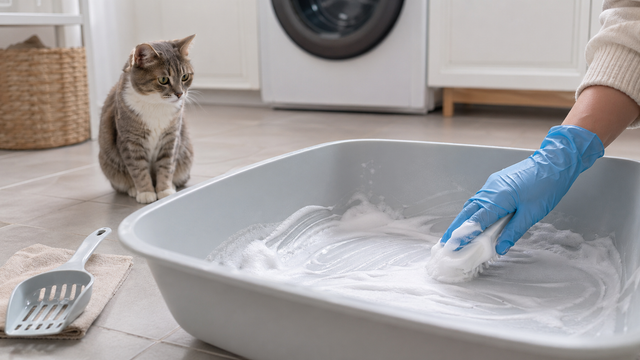
Since alcohol is so dangerous, what should be used to disinfect cat bowls, water bowls, toys, and especially the frequently cleaned litter box?
The safest approach is simple: hot water and a mild washing-up liquid, rinsed off and dried completely, is enough most of the time. Wash food and water bowls daily, and scrub the litter box thoroughly every week or two.
If you do want to disinfect, choose a product labelled pet-safe and free of alcohol and fragrance, then rinse with clean water and dry it so nothing is left for your cat to lick. Avoid anything containing alcohol, essential oils, phenols, or undiluted bleach — all of these are toxic to cats.
For your cat's health, immediately review your home cleaning habits, store alcohol and related products safely, and choose cleaning methods that are more pet-friendly. Don't let your love become a source of harm to your cat.
Frequently Asked Questions FAQ
When should I see a veterinarian immediately?
If your cat shows decreased energy, loss of appetite, abnormal breathing, persistent vomiting or diarrhea, pain, bleeding, or rapidly worsening symptoms, it is recommended to contact a veterinarian as soon as possible.
Can home care replace a diagnosis?
It is not recommended. Home adjustments can serve as daily support, but if symptoms persist or recur, the underlying cause should still be identified first.
References
CatGarden | A luxury cat-only hotel in Banqiao, offering boarding and grooming services.
Further Reading
- Signs of a Sick Cat: 7 Major Warning Signs and Observation Points
- Cat Malnutrition Symptoms: Symptoms, Nutrient Intake, and Supplementation Guide
- How to Hydrate a Cat: Safe Hydration Times and Precautions
\n
→ Learn about CatGarden Odor Control Mineral Litter
FAQ
Why can't cats come into contact with or ingest alcohol?
Cats lack the enzymes in their liver to metabolize ethanol, so even small amounts can cause acute poisoning. Additionally, alcohol can damage their sensitive skin lipid layer, leading to dryness, redness, and inflammation.
What should I do in an emergency if my cat accidentally touches or ingests alcohol?
For skin contact, immediately rinse with plenty of running water for at least 5 minutes. If ingested or licked, do not induce vomiting yourself. Immediately record the time of contact and potential dosage, and rush the cat to an animal hospital.
What are some common household situations that can lead to alcohol poisoning in cats?
This includes cats walking on and licking their paws after you've wiped floors or furniture with alcohol, touching your cat after using hand sanitizer before it has fully evaporated, wiping your cat with alcohol-based wet wipes, and cats licking up spilled alcoholic beverages.
When should I take my cat to the vet immediately?
If your cat shows lethargy, decreased appetite, abnormal breathing, persistent vomiting or diarrhea, pain, bleeding, or rapidly worsening symptoms, it's recommended to contact a veterinarian as soon as possible.
CatGarden offers curated supplies, cat boarding, and grooming
Book services or shop online.