Signs of Cat Malnutrition | Common Symptoms, Nutritional Intake, and Supplementation Focus
Cat malnutrition isn't always immediately obvious, often first manifesting in coat quality, body condition, activity levels, and digestive health. Insufficient nutrition can lead to a dull coat, weight loss, lethargy, abnormal appetite, or a weakened immune system. This article outlines key observation points and supplementation strategies.

Cat malnutrition isn't always immediately obvious, often first manifesting in coat quality, body condition, activity levels, and digestive health.
Insufficient nutrition can lead to a dull coat, weight loss, lethargy, abnormal appetite, or a weakened immune system. This article outlines key observation points and supplementation strategies.
Cat parents, do your feline companions sometimes exhibit behaviors that leave you puzzled? Like a sudden fascination with plastic bags, or a coat that never seems to shine? These seemingly minor issues could very well be "hidden hunger" signals from your cat's body lacking specific nutrients! As devoted cat servants, we must learn to interpret these signs and adjust their nutritional intake promptly to avoid impacting their overall health.
Key takeaways
- When cats exhibit pica behaviors like chewing plastic bags, cardboard boxes, or licking walls, and are underweight despite eating, it often indicates a potential vitamin D deficiency.
- Severe hair loss, rough and dull fur, or frequent ringworm infections in cats are typically related to a deficiency in vitamin B3 (niacin) and other B vitamins.
- Frequent tearing, excessive eye discharge, or prominent, severe tear stains in cats usually suggest a possible deficiency in vitamin A, which is necessary for maintaining eye health.
- Malnutrition in cats often first manifests in their fur, body condition, activity level, and digestive health. Probiotics can improve gut absorption, a diversified diet, and adequate sun exposure can help maintain nutritional balance.
Your Cat Is "Asking for Help"! Watch Out for These 3 Major Signs of Cat Malnutrition!
- Red Flag 1: Becoming an "Eating Disorder" Baby? Chewing/Licking Randomly, and Still Underweight! If your cat has recently developed a habit of chewing on non-food items like plastic bags, cardboard boxes, licking walls, or even trying to eat cat litter. At the same time, your cat is on the thinner side, seeming unable to gain weight no matter how much they eat. This situation usually indicates a potential deficiency in Vitamin D. Improvement Tip: It's recommended to let your cat get more sunshine (while ensuring safety to prevent heatstroke or sunburn), or, under veterinary guidance, choose some cat food or wet food with added Vitamin D or higher Vitamin D content.
- Red Flag 2: Dull, "Washed-Out" Fur? Excessive Shedding, Rough Texture, or Even Ringworm! Your cat's coat condition is an important indicator of their nutritional balance. If you notice excessive shedding (outside of normal shedding periods), rough, dull fur, poor skin condition, or frequent occurrences of ringworm, these fur and skin issues are often related to a lack of Vitamin B3 (niacin) and other B vitamins. Sufficient B vitamins are crucial for maintaining your cat's lustrous coat and healthy skin. Improvement Tip: You can improve this by choosing wet food with ingredients rich in B vitamins or, under veterinary guidance, supplementing with pet-specific B vitamin supplements in appropriate amounts.
- Red Flag 3: "Watery" Eyes, But Not in a Cute Way? Tearing, Excessive Eye Discharge, Severe Tear Stains! If your cat's eyes often appear watery (but not from emotion!), constantly tearing, with a lot of eye discharge, and even noticeable, hard-to-clean tear stains, these eye-related symptoms usually indicate a potential Vitamin A deficiency. Improvement Tip: Vitamin A is vital for maintaining normal eye function and health. Consider supplementing with cat-specific health products containing Vitamin A or choosing cat food fortified with Vitamin A.
How to "Supplement" Your Cat's Nutrition Correctly? Learn These Methods!
To ensure the nutrients your cat consumes are well-utilized by their body, focus on these areas:
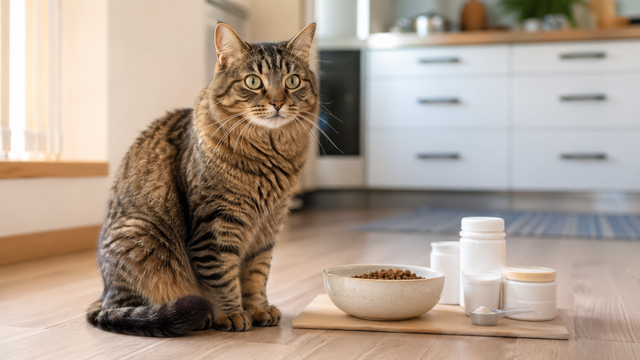
- Boosting "Absorption" is Key: Sometimes, cats aren't lacking nutrients in their diet but have poor intestinal absorption. It's recommended to use products like CatGarden's Pro-Probiotics, which help establish a healthy gut flora, improving digestive and absorptive capacity, allowing nutrients to be utilized more effectively by the body.
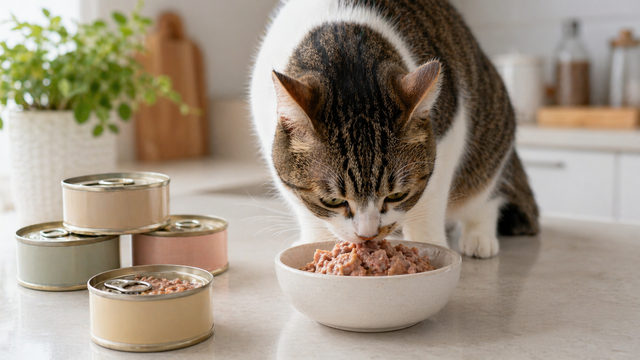
- High-Quality Wet Food "Enriches Nutrition": Wet food like "CatGarden's Luxury Functional Cans," which are based on high-quality protein and fortified with various vitamins and minerals, can provide richer and more balanced nutrition for your cat, helping to improve their overall health status.
- Regular Brushing for "Smooth Passage" Without Worry: Cats naturally groom themselves by licking, but ingesting too much fur can affect digestion. It's recommended to regularly brush out loose fur and consider using products like "CatGarden's Professional Hairball Relief Powder" to help your cat more smoothly expel excess hair from their body and maintain clear intestines.
Daily Care Reminders: "Raise" a Healthy Cat This Way!
In addition to supplementing specific nutrients, daily care is also very important:
- "Diversify" Diet for Balanced Nutrition: Try to offer your cat a variety of food choices. Avoid feeding the same single flavor or brand of kibble or wet food long-term to reduce the risk of deficiencies due to a monotonous diet.
- "Sunbathing" is Essential for Natural Vitamin D Production: Under safe conditions, allow your cat to sunbathe moderately, which helps their body naturally synthesize Vitamin D.
- Keep Environment "Clean and Tidy" to Ward Off Germs: Maintaining a clean and hygienic home environment can prevent your cat from being exposed to excessive germs due to clutter, which could affect their health.
Have your cats exhibited any of these "strange" little behaviors? Or do you have any unique tips for supplementing your cat's nutrition? Feel free to leave a comment below to share and discuss with others. Let's all raise our furry companions to be robust, healthy, and happy!
Frequently Asked Questions FAQ
When Should I Seek Veterinary Care?
If your cat shows lethargy, loss of appetite, persistent vomiting, abnormal breathing, signs of pain, or rapid deterioration of symptoms, contact your veterinarian immediately.
Can I Observe at Home First?
Minor and temporary changes can be recorded and observed. However, if pain, neurological issues, breathing problems, abnormal urination/defecation, or feeding issues are involved, delaying veterinary attention is not recommended.
References
CatGarden | A luxury cat-only hotel in Banqiao, offering boarding and grooming services.
Further Reading
- What Can't Cats Eat? List of Toxic Human Foods and Principles for Handling Accidental Ingestion
- Are Cats Carnivores? Meat Feeding, Nutritional Needs, and Common Mistakes
- Can Cats Eat Egg Yolks? Egg Nutrition, Feeding Amounts, and Precautions
FAQ
Why does my cat keep chewing on plastic bags and cardboard boxes, and doesn't gain weight no matter how much it eats?
This could be a sign of pica caused by a vitamin D deficiency. It's recommended to let your cat have moderate sun exposure, or choose food or wet food supplemented with vitamin D under your veterinarian's guidance.
How can I improve my cat's rough fur, severe hair loss, and frequent ringworm infections?
This is usually related to a deficiency in vitamin B3 (niacin) and B vitamins. You can opt for wet food rich in B vitamins or supplement with specialized B vitamin products under veterinary supervision.
What nutrient deficiency might cause my cat to have excessive eye discharge and severe tear stains?
Frequent tearing, excessive eye discharge, or severe tear stains in cats usually indicate a possible vitamin A deficiency. This can be supplemented through cat food fortified with vitamin A or specialized health supplements.
When should I take my cat to the vet immediately?
If your cat shows lethargy, decreased appetite, persistent vomiting, abnormal breathing, pain, or rapid worsening of symptoms, contact your veterinarian for treatment as soon as possible. Delay is not recommended.
CatGarden offers curated supplies, cat boarding, and grooming
Book services or shop online.