Is Wet Food Good for Cats? 4 Vet-Recommended Benefits, Main Food Can Selection, and Transition Guide

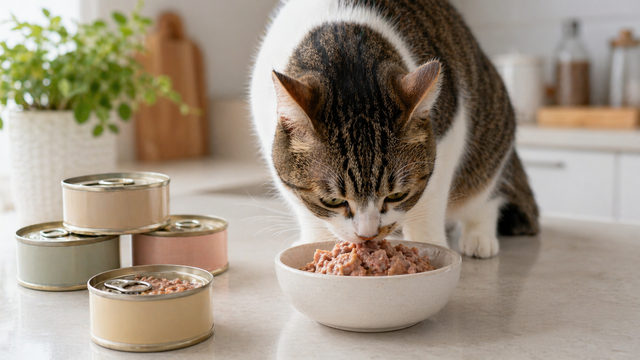
Wet food contains 70-80% moisture, making it an effective way to help cats replenish their daily water intake, which significantly benefits kidney and urinary tract health. During the process of boarding cats, Cat Garden has observed that cats primarily fed wet food maintain more stable water intake and urination frequency in unfamiliar environments.

CatGarden Editorial TeamPublished 2025/06/26
NutritionDiet Guide
Is Wet Food Good for Cats? 4 Vet-Recommended Benefits, Main Food Can Selection, and Transition Guide

Wet food contains 70-80% moisture, making it an effective way to help cats replenish their daily water intake, which significantly benefits kidney and urinary tract health. During the process of boarding cats, Cat Garden has observed that cats primarily fed wet food maintain more stable water intake and urination frequency in unfamiliar environments, helping to reduce the risk of urinary tract problems. Here are 4 major benefits and key points for transitioning from dry to wet food to help you establish a more balanced diet for your feline friend.

Key takeaways

  • Compared to dry food with only about 10% water content, wet cat food has a water content of 70% to 80%. It can supplement a large amount of water through daily feeding, which helps maintain kidney and urinary system health and promotes intestinal motility.
  • When selecting main meal wet food cans, look for labels that meet AAFCO or NRC nutritional standards. The first one or two ingredients on the ingredient list should be identifiable meats to ensure sufficient intake of animal protein.
  • Transitioning from dry food to wet food can be done gradually by mixing. Wet food can also be gently warmed in a water bath to around 38°C (close to a cat's body temperature) to mimic the temperature of prey and enhance palatability.
  • Complementary food cans (treat cans) cannot replace main meals due to incomplete nutrition, but they have excellent flavor and gravy, making them suitable for increasing the appetite of picky cats or as a supplement for hydration.

More Than Just Hydration! 4 Amazing Benefits of Wet Food for Cats

Compared to dry food, which contains only 10% moisture, wet food boasts a moisture content of 70-80%, offering numerous unexpected advantages for cats:

1. Natural Hydration Booster

This is the most irreplaceable benefit of wet food! It allows cats to consume a large amount of water through their daily meals, which helps maintain the health of their kidneys and urinary system, supporting overall urinary tract health. Adequate hydration also promotes smoother bowel movements, saying goodbye to constipation.

2. Maintain a Perfect Physique

Cats are carnivorous animals. Main food cans typically feature high-quality animal protein as the primary ingredient with lower carbohydrate content, aligning better with a cat's natural instincts. High protein content helps maintain muscle mass, preventing cats from becoming "fluffy" and overweight.

3. For Luscious, Healthy Fur

A cat's fur is primarily composed of protein. Sufficient protein and moisture can make a cat's fur stronger, smoother, and give it a healthy, radiant shine, making cuddle sessions even more enjoyable!

4. Easy to Eat, Even for Cats with Dental Issues

Wet food has a soft texture that is easy to chew. It's a very friendly option for kittens who are teething, senior cats with declining dental function, or cats suffering from oral diseases. This allows them to eat more comfortably without pain affecting their appetite.

Picky Eater Won't Budge? 5 Key Points for Transitioning from Dry to Wet Food!

Getting a cat accustomed to dry food to switch to wet food can be as challenging as asking humans to give up their sugary drinks! Don't despair. Mastering the following 5 gradual steps will significantly increase your success rate:

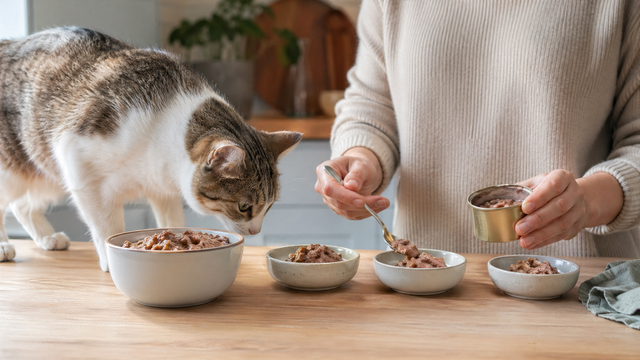
  • Gradual Mixing: Add a small spoonful of wet food to their usual dry kibble to let your cat get used to the taste first. After observing for a few days with no issues, gradually increase the proportion of wet food and decrease the proportion of dry food.
  • Slight Warming: Cold food can reduce a cat's appetite. You can gently warm the wet food in a water bath to a temperature similar to body temperature (38°C), mimicking the temperature of freshly caught prey, which can greatly enhance palatability.
  • Add Some Fun: You can sprinkle a little of your cat's favorite bonito flakes, catnip, or silvervine on top of the wet food to add a "sense of occasion" and encourage them to try the first bite.
  • Alternating Meals: If your cat truly cannot accept pure wet food, you can also try feeding them one meal of dry food and one meal of wet food alternately. This will at least increase their total water intake.
  • Be Patient: Transitioning food is a long-term battle that may take several weeks or even months. Don't give up immediately just because your cat isn't eating. Give your feline friend more time and encouragement!

How to Choose a Cat Main Food Can? 3 Tips to Avoid Mistakes

Faced with a dazzling array of cat food cans on the market, how can you choose without making a mistake? Remember these three key tips to help you select the right main food can:

Tip 1: Look for the "Main Food Can" Label

Main food cans usually have clear labels such as "主食罐" (Main Food Can) or "Complete Food," and indicate compliance with AAFCO (Association of American Feed Control Officials) or NRC (National Research Council) nutritional standards. This signifies that the can's nutrition is comprehensive and balanced, suitable for daily meals.

Tip 2: Meat as the First Ingredient

The ingredient list is arranged by proportion, from highest to lowest. Choose products where the first one or two ingredients are clearly identifiable meats (e.g., chicken, tuna) to ensure your cat receives sufficient animal protein.

Tip 3: Avoid Controversial Gums and Ingredients

Try to choose cans without added artificial flavors, colors, carrageenan, guar gum, or other controversial gums, as well as meat by-products or artificial flavors and colors from unknown sources.

Bonus: The Secret Weapon to Increase Appetite and Water Intake with "Complementary Food Cans"!

In addition to nutritionally balanced main food cans, there are also so-called "complementary food cans" or "treat cans" on the market. Complementary food cans cannot replace main food, but they are excellent aids for increasing appetite and supplementing water intake!

When your cat is a picky eater, has a poor appetite, or doesn't like drinking water, complementary food cans are your secret weapon. This is because complementary food cans are usually made from pure meat or fish, offering excellent flavor and plenty of broth, making them highly palatable! We highly recommend the CatGarden | Luxurious Functional Can, which is an outstanding complementary food can:

  • Top-Notch Deliciousness, Irresistible to Cats: Carefully selected premium tuna light meat paired with scallops, its exquisite flavor is irresistible even to the most discerning feline royalty.
  • Hydration Hero: It can be given directly as a reward treat or mixed into main food cans or dry kibble. The abundant broth will entice your cat to consume more water without them even realizing it.
  • Best Appetite Stimulant: When your cat has a poor appetite or needs medication, mix a small spoonful of the luxurious functional can's meat paste into their food. This will significantly increase their willingness to eat.

Reminder: The Luxurious Functional Can is a complementary food can. Remember to feed it in conjunction with nutritionally balanced main food to ensure your feline friend eats deliciously and healthily!

Frequently Asked Questions

Should I change my cat's diet all at once?

Sudden, complete changes are not recommended. Cats have sensitive digestive systems, so food transitions should be gradual, observing their appetite, stool, vomiting, and overall energy levels.

How can I tell if my cat's current diet is suitable?

Observe their body condition, coat quality, bowel movements, water intake, appetite, and energy levels. If they consistently have soft stools, vomit, are picky eaters, or have abnormal weight, it's recommended to consult a veterinarian.

Can cats be fed only a single type of food long-term?

It is not recommended to feed only one type of food long-term just because the cat likes it. You should still ensure that their nutrition is complete, their calorie intake is appropriate, and their protein source and water intake are sufficient.

References

CatGarden | A Villa-Style Cat Hotel in Banqiao, Offering Boarding and Grooming Services.

Further Reading

CatGarden offers curated supplies, cat boarding, and grooming

Book services or shop online.
Back

Blog

Is Wet Food Good for Cats? 4 Vet-Recommended Benefits, Main Food Can Selection, and Transition Guide

CatGarden Editorial TeamPublished 2025/06/26
NutritionDiet Guide
Is Wet Food Good for Cats? 4 Vet-Recommended Benefits, Main Food Can Selection, and Transition Guide

Wet food contains 70-80% moisture, making it an effective way to help cats replenish their daily water intake, which significantly benefits kidney and urinary tract health. During the process of boarding cats, Cat Garden has observed that cats primarily fed wet food maintain more stable water intake and urination frequency in unfamiliar environments, helping to reduce the risk of urinary tract problems. Here are 4 major benefits and key points for transitioning from dry to wet food to help you establish a more balanced diet for your feline friend.

Key takeaways

  • Compared to dry food with only about 10% water content, wet cat food has a water content of 70% to 80%. It can supplement a large amount of water through daily feeding, which helps maintain kidney and urinary system health and promotes intestinal motility.
  • When selecting main meal wet food cans, look for labels that meet AAFCO or NRC nutritional standards. The first one or two ingredients on the ingredient list should be identifiable meats to ensure sufficient intake of animal protein.
  • Transitioning from dry food to wet food can be done gradually by mixing. Wet food can also be gently warmed in a water bath to around 38°C (close to a cat's body temperature) to mimic the temperature of prey and enhance palatability.
  • Complementary food cans (treat cans) cannot replace main meals due to incomplete nutrition, but they have excellent flavor and gravy, making them suitable for increasing the appetite of picky cats or as a supplement for hydration.

More Than Just Hydration! 4 Amazing Benefits of Wet Food for Cats

Compared to dry food, which contains only 10% moisture, wet food boasts a moisture content of 70-80%, offering numerous unexpected advantages for cats:

1. Natural Hydration Booster

This is the most irreplaceable benefit of wet food! It allows cats to consume a large amount of water through their daily meals, which helps maintain the health of their kidneys and urinary system, supporting overall urinary tract health. Adequate hydration also promotes smoother bowel movements, saying goodbye to constipation.

2. Maintain a Perfect Physique

Cats are carnivorous animals. Main food cans typically feature high-quality animal protein as the primary ingredient with lower carbohydrate content, aligning better with a cat's natural instincts. High protein content helps maintain muscle mass, preventing cats from becoming "fluffy" and overweight.

3. For Luscious, Healthy Fur

A cat's fur is primarily composed of protein. Sufficient protein and moisture can make a cat's fur stronger, smoother, and give it a healthy, radiant shine, making cuddle sessions even more enjoyable!

4. Easy to Eat, Even for Cats with Dental Issues

Wet food has a soft texture that is easy to chew. It's a very friendly option for kittens who are teething, senior cats with declining dental function, or cats suffering from oral diseases. This allows them to eat more comfortably without pain affecting their appetite.

Picky Eater Won't Budge? 5 Key Points for Transitioning from Dry to Wet Food!

Getting a cat accustomed to dry food to switch to wet food can be as challenging as asking humans to give up their sugary drinks! Don't despair. Mastering the following 5 gradual steps will significantly increase your success rate:

  • Gradual Mixing: Add a small spoonful of wet food to their usual dry kibble to let your cat get used to the taste first. After observing for a few days with no issues, gradually increase the proportion of wet food and decrease the proportion of dry food.
  • Slight Warming: Cold food can reduce a cat's appetite. You can gently warm the wet food in a water bath to a temperature similar to body temperature (38°C), mimicking the temperature of freshly caught prey, which can greatly enhance palatability.
  • Add Some Fun: You can sprinkle a little of your cat's favorite bonito flakes, catnip, or silvervine on top of the wet food to add a "sense of occasion" and encourage them to try the first bite.
  • Alternating Meals: If your cat truly cannot accept pure wet food, you can also try feeding them one meal of dry food and one meal of wet food alternately. This will at least increase their total water intake.
  • Be Patient: Transitioning food is a long-term battle that may take several weeks or even months. Don't give up immediately just because your cat isn't eating. Give your feline friend more time and encouragement!

How to Choose a Cat Main Food Can? 3 Tips to Avoid Mistakes

Faced with a dazzling array of cat food cans on the market, how can you choose without making a mistake? Remember these three key tips to help you select the right main food can:

Tip 1: Look for the "Main Food Can" Label

Main food cans usually have clear labels such as "主食罐" (Main Food Can) or "Complete Food," and indicate compliance with AAFCO (Association of American Feed Control Officials) or NRC (National Research Council) nutritional standards. This signifies that the can's nutrition is comprehensive and balanced, suitable for daily meals.

Tip 2: Meat as the First Ingredient

The ingredient list is arranged by proportion, from highest to lowest. Choose products where the first one or two ingredients are clearly identifiable meats (e.g., chicken, tuna) to ensure your cat receives sufficient animal protein.

Tip 3: Avoid Controversial Gums and Ingredients

Try to choose cans without added artificial flavors, colors, carrageenan, guar gum, or other controversial gums, as well as meat by-products or artificial flavors and colors from unknown sources.

Bonus: The Secret Weapon to Increase Appetite and Water Intake with "Complementary Food Cans"!

In addition to nutritionally balanced main food cans, there are also so-called "complementary food cans" or "treat cans" on the market. Complementary food cans cannot replace main food, but they are excellent aids for increasing appetite and supplementing water intake!

When your cat is a picky eater, has a poor appetite, or doesn't like drinking water, complementary food cans are your secret weapon. This is because complementary food cans are usually made from pure meat or fish, offering excellent flavor and plenty of broth, making them highly palatable! We highly recommend the CatGarden | Luxurious Functional Can, which is an outstanding complementary food can:

  • Top-Notch Deliciousness, Irresistible to Cats: Carefully selected premium tuna light meat paired with scallops, its exquisite flavor is irresistible even to the most discerning feline royalty.
  • Hydration Hero: It can be given directly as a reward treat or mixed into main food cans or dry kibble. The abundant broth will entice your cat to consume more water without them even realizing it.
  • Best Appetite Stimulant: When your cat has a poor appetite or needs medication, mix a small spoonful of the luxurious functional can's meat paste into their food. This will significantly increase their willingness to eat.

Reminder: The Luxurious Functional Can is a complementary food can. Remember to feed it in conjunction with nutritionally balanced main food to ensure your feline friend eats deliciously and healthily!

Frequently Asked Questions

Should I change my cat's diet all at once?

Sudden, complete changes are not recommended. Cats have sensitive digestive systems, so food transitions should be gradual, observing their appetite, stool, vomiting, and overall energy levels.

How can I tell if my cat's current diet is suitable?

Observe their body condition, coat quality, bowel movements, water intake, appetite, and energy levels. If they consistently have soft stools, vomit, are picky eaters, or have abnormal weight, it's recommended to consult a veterinarian.

Can cats be fed only a single type of food long-term?

It is not recommended to feed only one type of food long-term just because the cat likes it. You should still ensure that their nutrition is complete, their calorie intake is appropriate, and their protein source and water intake are sufficient.

References

CatGarden | A Villa-Style Cat Hotel in Banqiao, Offering Boarding and Grooming Services.

Further Reading

One email a month of cat-care tips

Hand-picked care, behavior and grooming tips once a month. Subscribe and we will send you our three most-read articles right away.

Keep reading