Dry Food vs. Wet Food for Cats: Nutritional Comparison and Smart Feeding Strategies

Dry kibble and wet food are the most commonly compared dietary choices for cats, each with its own advantages and limitations. At CatGarden Hotel, we've observed that dietary choices significantly impact a cat's health, primarily in terms of water intake and ingredient quality.
CatGarden Editorial TeamPublished 2025/05/16
Nutritional Diet Guide
Dry Food vs. Wet Food for Cats: Nutritional Comparison and Smart Feeding Strategies

Dry kibble and wet food are the most commonly compared dietary choices for cats, each with its own advantages and limitations. At CatGarden Hotel, we've observed that dietary choices significantly impact a cat's health, primarily in terms of water intake and ingredient quality. Here's an analysis from the perspectives of moisture content, nutritional balance, and practical feeding methods to help you create the most suitable diet for your feline companion.

Key takeaways

  • Wet cat food typically contains around 70% moisture or even more, while dry cat food usually has only 5% to 10% moisture.
  • Cats that exclusively eat dry food long-term and have insufficient water intake are at a higher risk of developing urinary tract diseases such as cystitis and stones, as well as kidney-related diseases.
  • Wet food can effectively help cats supplement their water intake. During summer feeding, you can add clean drinking water to wet food to further increase water consumption.
  • For busy owners or those on a budget, a mixed feeding approach can be adopted. For example, provide dry food during the day and offer a meal of wet food in the evening or before bed as a primary source of hydration and nutrition.

Dry Food vs. Wet Food: What's the Difference? "Moisture Content" is Key!

Cat owners, the most crucial difference between dry food and wet food lies in their "water content"!

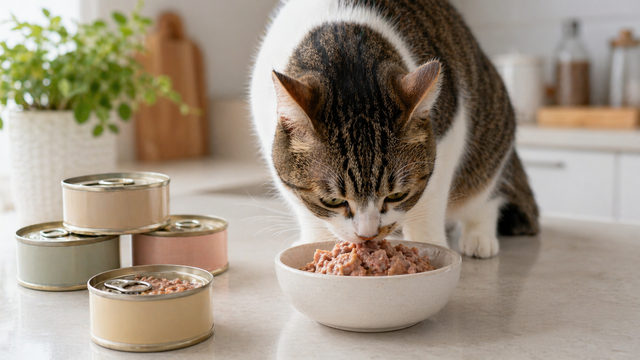
  • Cat Wet Food (Main Food Cans): Think of these as "gourmet meal packs" for cats. They typically contain around 70% moisture, or even more! This is very close to the natural state of a cat's diet in the wild, where they obtain moisture from their prey.
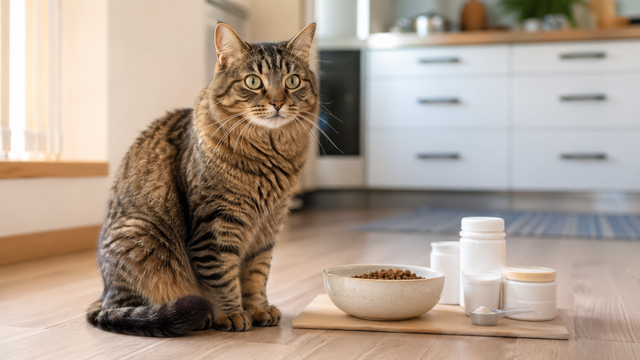
  • Cat Dry Food (Kibble): This is what we commonly call "kibble." Its moisture content is usually only 5% to 10%. During the manufacturing process, most of the water is dried out to facilitate preservation.

Dry Food vs. Wet Food: Pros and Cons Showdown, Which Side Are You On?

Now that we understand the difference in moisture content, let's look at their respective pros and cons!

I. Convenient and Economical? The Pros and Potential Pitfalls of "Cat Dry Food"

Pros of Dry Food:

  • Convenient and Cost-Effective: This is definitely dry food's biggest advantage! It has a long shelf life and doesn't need to be consumed quickly after opening. For busy owners who can't prepare fresh food or wet food on a fixed schedule, kibble is a lifesaver. It's also generally more affordable than wet food.
  • Easily Accessible and Wide Selection: There's a vast variety of dry food brands, flavors, and functional options available on the market, making them easy to purchase.

Cons (Potential Pitfalls) of Dry Food:

  • Insufficient Water Intake is a Major Drawback: Cats are naturally not inclined to drink water proactively (their ancestors came from the desert!). If a cat exclusively eats dry food long-term and doesn't drink enough water, they are at an increased risk of developing urinary tract diseases (like cystitis, stones) and kidney-related diseases due to insufficient hydration. This is a critical point to note!
  • Potentially High Carbohydrate Content: Some dry foods may have a higher proportion of carbohydrates to maintain their shape or reduce costs. Over the long term, this can be a burden on a cat's health.

CatGarden's Gentle Reminder: If you choose dry food, opt for brands of better quality and good reputation. For instance, some brands offer low-temperature baked cat food. This processing method better preserves the original nutritional value of the ingredients. Brands like "CatGarden" might also have similarly thoughtfully produced baked food lines; it's worth comparing.

II. Hydrating and Natural for Health? The Pros and Sweet Burden of "Cat Wet Food"

Pros of Wet Food:

  • Excellent Hydration: High moisture content is the biggest highlight of wet food! It effectively helps cats replenish a large amount of water while eating, which is very beneficial for preventing urinary tract and kidney diseases.
  • Closer to Natural Diet: Many high-quality wet foods are primarily meat-based, and you might even see whole pieces of meat. This aligns better with a cat's nature as a carnivore and provides more comprehensive nutrition.
  • Generally Better Palatability: The moist texture and rich meaty aroma are usually more appealing to cats.

Cons of Wet Food:

  • Relatively Higher Cost: This is likely a pain point for many cat owners; feeding wet food daily can really strain the wallet.
  • Difficult to Store, Must Be Eaten Quickly After Opening: Once opened, wet food, due to its high moisture content, can spoil easily. It must be consumed by the cat as quickly as possible. Any leftovers must be properly refrigerated and consumed within a short period.

CatGarden's Gentle Reminder: When choosing wet food, pay attention to the ingredient list to ensure it's a "main food can" (主食罐) and not a "supplementary food can" (副食罐). While supplementary food cans are delicious, they are not nutritionally complete and should not be fed as a daily main meal! However, if you occasionally want to treat your cat, supplement extra nutrients, or add variety to their diet, CatGarden's "Luxury Functional Cans" are an excellent choice for supplementary food cans. They might contain ingredients like scallop shreds and vitamin E, making mealtime enjoyable and satisfying for your cat, adding more fun to their dining experience!

Hot Summer Days, Cat Hydration Battle! Feed Them Safely This Way!

As summer temperatures soar, cats, like humans, are more prone to dehydration! Hydration becomes even more critical during this time. CatGarden strongly recommends:

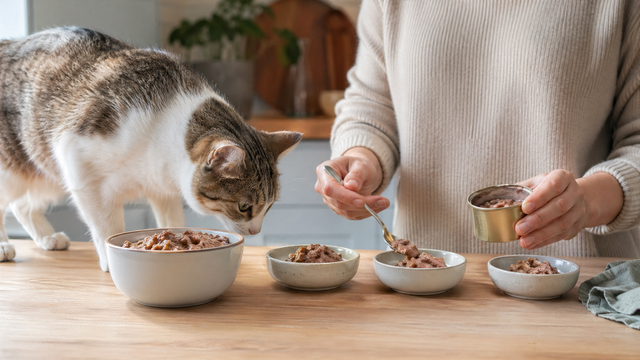
  • During summer, utilize wet food more often and consider adding a little extra clean drinking water to the wet food.
  • This approach not only ensures your cat gets a nutritious meal but also "tricks" them into drinking more water, significantly reducing health risks associated with dehydration!

Which is Right for My Cat? CatGarden's Golden Feeding Ratio Recommendations!

After all this discussion, how should you choose? CatGarden offers a few directions for your reference:

  • For Owners with Ample Time and Budget: If you have more time for preparation and your financial situation allows, using "wet food" as the primary feeding source is definitely the ideal choice. It's nutritious, hydrating, and most beneficial for your cat's long-term health.
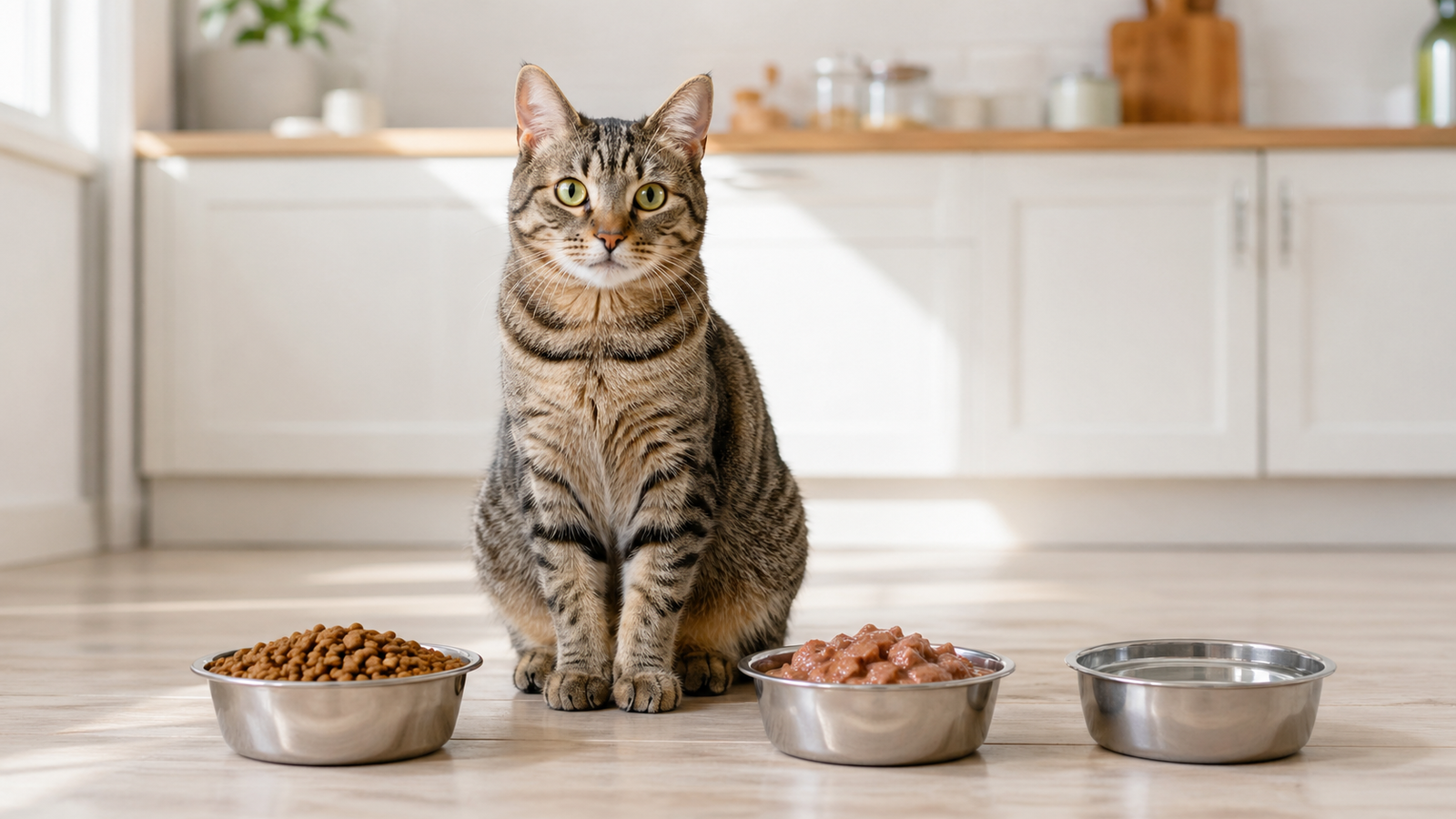
  • For Busy Owners and Budget-Conscious Owners: If you're usually very busy or have a limited budget, don't worry too much! You can adopt a "dry-wet alternating" or "dry-wet mixed feeding" approach. For example:
  • Dry food during the day: Available for your cat to eat whenever they feel hungry.
  • Provide one meal of wet food in the evening or before bed: As the main source of hydration and nutrition for the day.
  • Combine dry food with supplementary wet food: You can also mix some high-quality supplementary wet food, like CatGarden's "Luxury Functional Cans," into their dry food to increase water intake and palatability.

By flexibly combining these methods, you can easily raise a healthy, hydrated, and robust cat full of cute little rolls without spending too much time or money!

Dry food and wet food each have their advantages. The most practical approach is to tailor the ratio based on your cat's health status, drinking habits, and acceptance. If your cat has insufficient water intake or urinary tract issues, increasing the proportion of wet food is a priority adjustment. If dry food is the main component, ensure a constant supply of fresh drinking water and schedule regular veterinary check-ups to monitor kidney and urinary tract indicators.

Frequently Asked Questions

Should I switch my cat's diet all at once?

Sudden complete changes are not recommended. Cats have sensitive digestive systems; dietary transitions should be gradual, observing their appetite, stool, vomiting, and energy levels.

How do I know if my cat's current diet is suitable?

Observe their body condition, coat quality, stool, water intake, appetite, and energy levels. If they experience chronic soft stools, vomiting, picky eating, or abnormal weight changes, consult a veterinarian.

Can a cat be fed only a single type of food long-term?

It's not advisable to feed only one type of food long-term just because the cat likes it. You still need to ensure nutritional completeness, adequate calories, protein sources, and sufficient water intake.

References

Related Articles

CatGarden offers curated supplies, cat boarding, and grooming

Book services or shop online.
Back

Blog

Dry Food vs. Wet Food for Cats: Nutritional Comparison and Smart Feeding Strategies

CatGarden Editorial TeamPublished 2025/05/16
Nutritional Diet Guide
Dry Food vs. Wet Food for Cats: Nutritional Comparison and Smart Feeding Strategies

Dry kibble and wet food are the most commonly compared dietary choices for cats, each with its own advantages and limitations. At CatGarden Hotel, we've observed that dietary choices significantly impact a cat's health, primarily in terms of water intake and ingredient quality. Here's an analysis from the perspectives of moisture content, nutritional balance, and practical feeding methods to help you create the most suitable diet for your feline companion.

Key takeaways

  • Wet cat food typically contains around 70% moisture or even more, while dry cat food usually has only 5% to 10% moisture.
  • Cats that exclusively eat dry food long-term and have insufficient water intake are at a higher risk of developing urinary tract diseases such as cystitis and stones, as well as kidney-related diseases.
  • Wet food can effectively help cats supplement their water intake. During summer feeding, you can add clean drinking water to wet food to further increase water consumption.
  • For busy owners or those on a budget, a mixed feeding approach can be adopted. For example, provide dry food during the day and offer a meal of wet food in the evening or before bed as a primary source of hydration and nutrition.

Dry Food vs. Wet Food: What's the Difference? "Moisture Content" is Key!

Cat owners, the most crucial difference between dry food and wet food lies in their "water content"!

  • Cat Wet Food (Main Food Cans): Think of these as "gourmet meal packs" for cats. They typically contain around 70% moisture, or even more! This is very close to the natural state of a cat's diet in the wild, where they obtain moisture from their prey.
  • Cat Dry Food (Kibble): This is what we commonly call "kibble." Its moisture content is usually only 5% to 10%. During the manufacturing process, most of the water is dried out to facilitate preservation.

Dry Food vs. Wet Food: Pros and Cons Showdown, Which Side Are You On?

Now that we understand the difference in moisture content, let's look at their respective pros and cons!

I. Convenient and Economical? The Pros and Potential Pitfalls of "Cat Dry Food"

Pros of Dry Food:

  • Convenient and Cost-Effective: This is definitely dry food's biggest advantage! It has a long shelf life and doesn't need to be consumed quickly after opening. For busy owners who can't prepare fresh food or wet food on a fixed schedule, kibble is a lifesaver. It's also generally more affordable than wet food.
  • Easily Accessible and Wide Selection: There's a vast variety of dry food brands, flavors, and functional options available on the market, making them easy to purchase.

Cons (Potential Pitfalls) of Dry Food:

  • Insufficient Water Intake is a Major Drawback: Cats are naturally not inclined to drink water proactively (their ancestors came from the desert!). If a cat exclusively eats dry food long-term and doesn't drink enough water, they are at an increased risk of developing urinary tract diseases (like cystitis, stones) and kidney-related diseases due to insufficient hydration. This is a critical point to note!
  • Potentially High Carbohydrate Content: Some dry foods may have a higher proportion of carbohydrates to maintain their shape or reduce costs. Over the long term, this can be a burden on a cat's health.

CatGarden's Gentle Reminder: If you choose dry food, opt for brands of better quality and good reputation. For instance, some brands offer low-temperature baked cat food. This processing method better preserves the original nutritional value of the ingredients. Brands like "CatGarden" might also have similarly thoughtfully produced baked food lines; it's worth comparing.

II. Hydrating and Natural for Health? The Pros and Sweet Burden of "Cat Wet Food"

Pros of Wet Food:

  • Excellent Hydration: High moisture content is the biggest highlight of wet food! It effectively helps cats replenish a large amount of water while eating, which is very beneficial for preventing urinary tract and kidney diseases.
  • Closer to Natural Diet: Many high-quality wet foods are primarily meat-based, and you might even see whole pieces of meat. This aligns better with a cat's nature as a carnivore and provides more comprehensive nutrition.
  • Generally Better Palatability: The moist texture and rich meaty aroma are usually more appealing to cats.

Cons of Wet Food:

  • Relatively Higher Cost: This is likely a pain point for many cat owners; feeding wet food daily can really strain the wallet.
  • Difficult to Store, Must Be Eaten Quickly After Opening: Once opened, wet food, due to its high moisture content, can spoil easily. It must be consumed by the cat as quickly as possible. Any leftovers must be properly refrigerated and consumed within a short period.

CatGarden's Gentle Reminder: When choosing wet food, pay attention to the ingredient list to ensure it's a "main food can" (主食罐) and not a "supplementary food can" (副食罐). While supplementary food cans are delicious, they are not nutritionally complete and should not be fed as a daily main meal! However, if you occasionally want to treat your cat, supplement extra nutrients, or add variety to their diet, CatGarden's "Luxury Functional Cans" are an excellent choice for supplementary food cans. They might contain ingredients like scallop shreds and vitamin E, making mealtime enjoyable and satisfying for your cat, adding more fun to their dining experience!

Hot Summer Days, Cat Hydration Battle! Feed Them Safely This Way!

As summer temperatures soar, cats, like humans, are more prone to dehydration! Hydration becomes even more critical during this time. CatGarden strongly recommends:

  • During summer, utilize wet food more often and consider adding a little extra clean drinking water to the wet food.
  • This approach not only ensures your cat gets a nutritious meal but also "tricks" them into drinking more water, significantly reducing health risks associated with dehydration!

Which is Right for My Cat? CatGarden's Golden Feeding Ratio Recommendations!

After all this discussion, how should you choose? CatGarden offers a few directions for your reference:

  • For Owners with Ample Time and Budget: If you have more time for preparation and your financial situation allows, using "wet food" as the primary feeding source is definitely the ideal choice. It's nutritious, hydrating, and most beneficial for your cat's long-term health.
  • For Busy Owners and Budget-Conscious Owners: If you're usually very busy or have a limited budget, don't worry too much! You can adopt a "dry-wet alternating" or "dry-wet mixed feeding" approach. For example:
  • Dry food during the day: Available for your cat to eat whenever they feel hungry.
  • Provide one meal of wet food in the evening or before bed: As the main source of hydration and nutrition for the day.
  • Combine dry food with supplementary wet food: You can also mix some high-quality supplementary wet food, like CatGarden's "Luxury Functional Cans," into their dry food to increase water intake and palatability.

By flexibly combining these methods, you can easily raise a healthy, hydrated, and robust cat full of cute little rolls without spending too much time or money!

Dry food and wet food each have their advantages. The most practical approach is to tailor the ratio based on your cat's health status, drinking habits, and acceptance. If your cat has insufficient water intake or urinary tract issues, increasing the proportion of wet food is a priority adjustment. If dry food is the main component, ensure a constant supply of fresh drinking water and schedule regular veterinary check-ups to monitor kidney and urinary tract indicators.

Frequently Asked Questions

Should I switch my cat's diet all at once?

Sudden complete changes are not recommended. Cats have sensitive digestive systems; dietary transitions should be gradual, observing their appetite, stool, vomiting, and energy levels.

How do I know if my cat's current diet is suitable?

Observe their body condition, coat quality, stool, water intake, appetite, and energy levels. If they experience chronic soft stools, vomiting, picky eating, or abnormal weight changes, consult a veterinarian.

Can a cat be fed only a single type of food long-term?

It's not advisable to feed only one type of food long-term just because the cat likes it. You still need to ensure nutritional completeness, adequate calories, protein sources, and sufficient water intake.

References

Related Articles

One email a month of cat-care tips

Hand-picked care, behavior and grooming tips once a month. Subscribe and we will send you our three most-read articles right away.

Keep reading