Can Cats Eat Spicy Food? Not Even a Little! Veterinarian Explains 3 Major Dangers and Emergency SOP
Capsaicin is a genuine danger to cats, as their digestive systems cannot metabolize it. Even a small amount can cause acute irritation to the oral and gastrointestinal lining, potentially leading to stomach bleeding in severe cases. At Cat Garden Inn, we've observed cats' high sensitivity to food aromas, which can lead them to accidentally ingest spicy foods without their owners' knowledge.
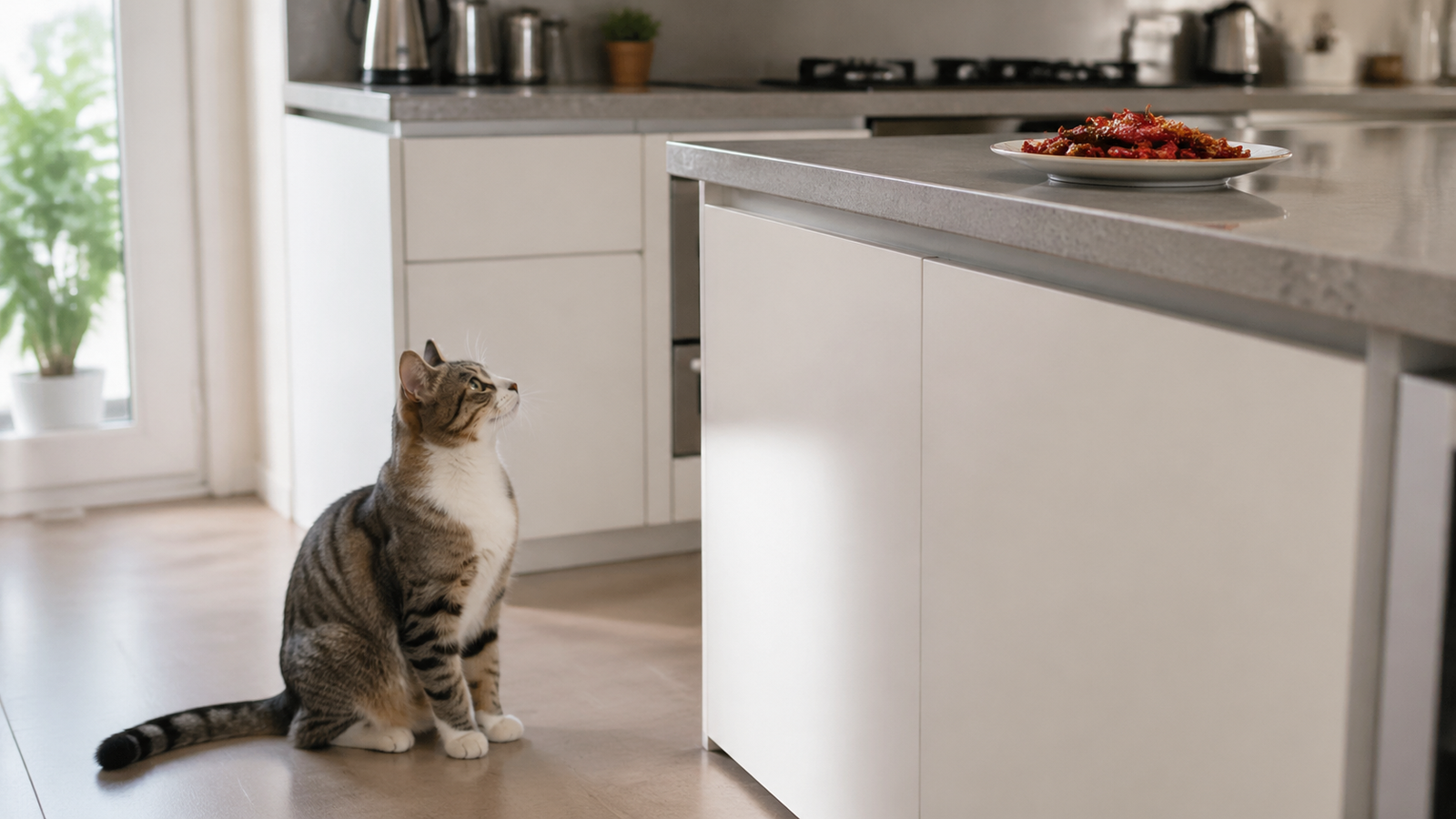
Capsaicin is a genuine danger to cats, as their digestive systems cannot metabolize it. Even a small amount can cause acute irritation to the oral and gastrointestinal lining, potentially leading to stomach bleeding in severe cases. At Cat Garden Inn, we've observed cats' high sensitivity to food aromas, which can lead them to accidentally ingest spicy foods without their owners' knowledge. Below, we outline the 3 major mechanisms of harm from capsaicin to cats, an emergency SOP for accidental ingestion, and daily prevention methods to help you prepare for and respond correctly to accidents.
Key takeaways
- Cats' digestive systems cannot metabolize capsaicin. Even a small amount can cause acute irritation to the oral and gastrointestinal lining, potentially leading to stomach bleeding or ulcers in severe cases.
- Cats are not sensitive to spicy flavors, but capsaicin stimulates pain receptors, causing a burning sensation. This may lead to cats pawing at their mouths, restlessness, coughing, or difficulty breathing.
- If a cat accidentally ingests spicy food, offer clean water to dilute the irritant, or a small amount of lactose-free milk/kitten milk. The casein in dairy can help neutralize capsaicin and soothe the burning sensation.
- If your cat shows symptoms such as frequent or persistent vomiting, diarrhea, lethargy, loss of appetite, abdominal pain, or difficulty breathing after eating spicy food, seek immediate veterinary attention.
Why Are Cats "Spicy Insulated"? 3 Major Dangers Revealed
1. Cats Can't Taste "Spicy," But They Feel the "Pain"!
First, let's establish a concept: spiciness isn't a taste, but a "pain" sensation. Capsaicin in chili peppers stimulates pain receptors in the mouths and skin of mammals, causing a burning sensation.
Cats' taste buds are naturally unable to detect sweetness, and they are not sensitive to spicy flavors. Therefore, cats might eat something because of its meaty aroma, unaware that they are consuming "pain"!
2. Fragile Digestive System Cannot Metabolize Capsaicin
This is the most dangerous point! Cats' digestive systems are designed specifically for digesting meat; they are very fragile and sensitive. Cats' stomachs and intestines are completely incapable of breaking down and metabolizing irritating compounds like capsaicin.
Once ingested, capsaicin directly irritates the mucous membranes of a cat's mouth, esophagus, and stomach. Mild cases can lead to acute gastroenteritis, causing vomiting, diarrhea, and drooling. Severe cases can result in stomach bleeding and ulcers, with dire consequences.
3. Direct Irritation to the Mouth and Respiratory Tract
The irritation from capsaicin isn't limited to the digestive tract. After accidental ingestion, the burning sensation in their mouths causes cats significant distress, leading to behaviors like frantically pawing at their mouths and restlessness. If they accidentally inhale spicy powders or fumes, it can also irritate their respiratory tract, causing coughing or difficulty breathing.
What to Do If Your Cat Eats Spicy Food? A Three-Step Emergency SOP
If you discover your cat has eaten spicy food, remain calm and follow these steps:
- Step 1: Immediately Remove the Food and Assess Ingestion Amount
Quickly remove the spicy food and roughly determine what and how much your cat ate. This information will be crucial for the veterinarian.
- Step 2: Offer Water or Lactose-Free Milk
Place a bowl of clean drinking water near your cat, allowing them to drink freely to help dilute the capsaicin in their mouth and esophagus. You can also offer a "small amount" of lactose-free milk or specialized cat milk. The casein in dairy products can help neutralize capsaicin and slightly alleviate the burning sensation.
- Step 3: Monitor Symptoms Closely; Seek Immediate Veterinary Care If Severe
If your cat only ate a tiny amount and shows no obvious discomfort, you can monitor them at home. ⚠️ However, if your cat exhibits ANY of the following severe symptoms, do not hesitate. Take them to the nearest animal hospital immediately!
- Frequent or persistent vomiting or diarrhea
- Lethargy and loss of appetite
- Abdominal pain (resists having their belly touched)
- Difficulty breathing or rapid breathing
Prevention is Better Than Cure! How to Stop Your Cat from Sneaking Spicy Food?
Instead of worrying afterward, it's better to prevent it from the source!
- Store Food Properly: All spicy sauces, snacks, and seasonings must be stored in cabinets or refrigerators that your cat cannot open.
- Isolate During Meals: When you are enjoying your flavorful meal, it's best to keep your cat in another room or isolate them during mealtimes to eliminate any opportunities for them to sneak a bite.
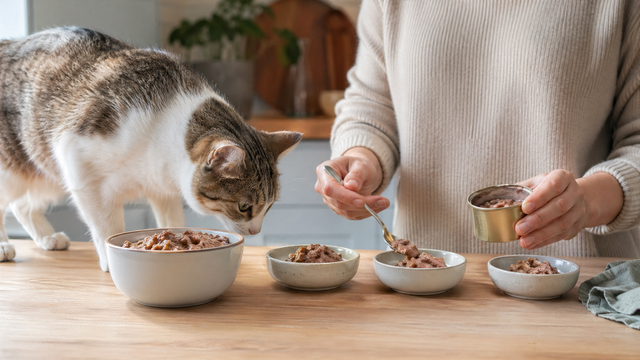
- Provide Their Own Delicious Feast: The most fundamental method is to provide a nutritious and delicious diet specifically for your cat! When a cat's main food is tasty and nutritionally balanced, they will naturally be less curious about human food.
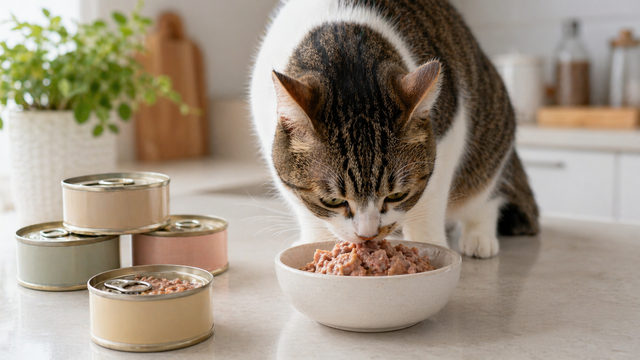
At this point, choosing a highly palatable wet food is crucial. For example, Cat Garden's Luxury Functional Cans are made with human-grade white tuna, paired with various delicious formulas (like scallops, chicken, etc.). They have a smooth texture and diverse options, fully satisfying a cat's discerning palate. This allows your cat to focus on enjoying their own five-star meal, no longer coveting your spicy hot pot!
Remember, if you love your cat, don't share any food that is unsuitable for them. Protecting your cat's dietary safety is our most important responsibility as owners!
Further Reading
- How to Choose Cat Food? Ingredient Analysis, Picky Eating, and Soft Stool Improvement Tips
- What's the Difference Between Main and Complementary Wet Food? Nutritional Labels, Feeding Ratios, and Selection Methods
- What Can Cats NOT Eat? A List of Toxic Human Foods and Principles for Handling Accidental Ingestion
FAQ
Can cats eat spicy food?
No, not even a tiny bite. Cats' digestive systems cannot break down and metabolize capsaicin. Ingesting it directly irritates the lining of their mouth, esophagus, and stomach, causing vomiting, diarrhea, and acute gastroenteritis in mild cases, and potentially stomach bleeding in severe cases.
Why might a cat want to eat spicy food if they smell it?
Spiciness is perceived as 'pain' rather than a taste. Cats are naturally not sensitive to spicy flavors and may unknowingly ingest irritants because they are attracted to the meaty aroma of the food.
What should I do in an emergency if my cat eats spicy food?
Immediately remove the food and assess the amount ingested. Then, offer water or a small amount of lactose-free milk to help dilute and neutralize the capsaicin. Closely monitor your cat's condition, and seek immediate veterinary care if they show signs of severe discomfort.
What symptoms of spicy food ingestion in cats require immediate veterinary attention?
If your cat exhibits any severe symptoms such as frequent or persistent vomiting, diarrhea, lethargy, loss of appetite, abdominal pain (indicated by reluctance to be touched on the belly), or rapid, difficult breathing, please take them to the animal hospital immediately.
CatGarden offers curated supplies, cat boarding, and grooming
Book services or shop online.