What Scents Are Harmful to Cats? A Guide to Household Cleaning, Fragrances, and Poisoning Risks
Cats spend their lives close to the ground and groom themselves, meaning they can be exposed to household scents and cleaning residues more easily than owners might think. Cats are sensitive to certain cleaning agents, essential oils, fragrances, and smoke. This article outlines common harmful scents, how to avoid them, and principles for safe cleaning.
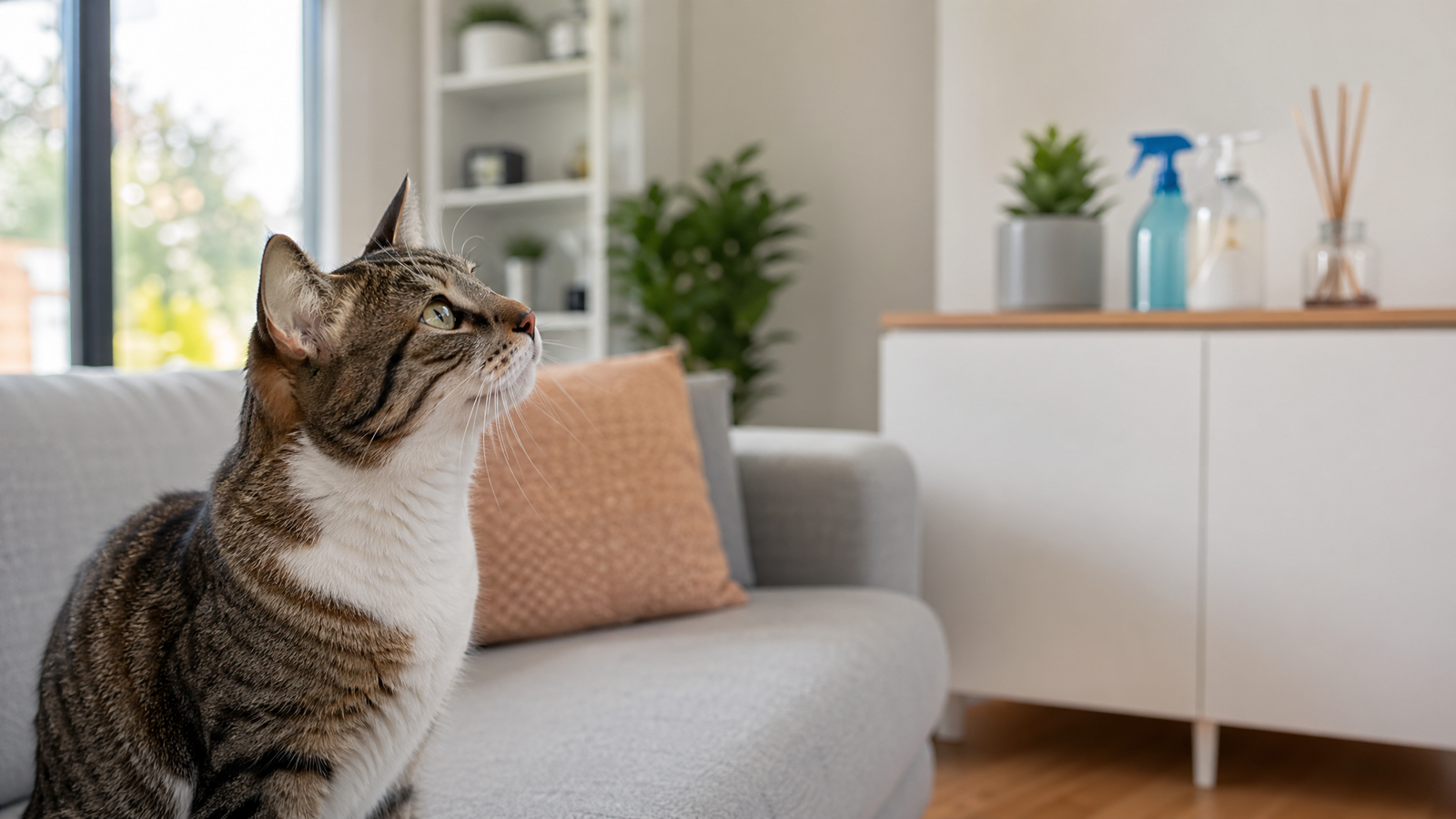
Cats spend their lives close to the ground and groom themselves, meaning they can be exposed to household scents and cleaning residues more easily than owners might think.
Cats are sensitive to certain cleaning agents, essential oils, fragrances, and smoke. This article outlines common harmful scents, how to avoid them, and principles for safe cleaning.
Key takeaways
- Cats long-term exposure to secondhand smoke increases their risk of lymphoma by 3 times. When grooming, they can ingest carcinogenic particles from thirdhand smoke that have settled on surfaces and their fur.
- Common essential oils like tea tree, citrus, mint, lavender, and eucalyptus cannot be easily metabolized by a cat's liver. Exposure can lead to lethargy, vomiting, difficulty walking, and even liver poisoning.
- The peels of citrus fruits contain volatile oils like limonene, which can severely irritate a cat's respiratory tract, causing discomfort, nausea, and drooling.
- Onions and garlic are hemolytically toxic to cats. The aromatic fumes during cooking can also irritate their eyes and respiratory system, leading to sneezing, tearing, and even asthma attacks.
- Common chemical products like bleach and floor cleaners often contain phenols, formaldehyde, and chlorine. If cats inhale these or ingest residues while grooming, it can cause burns to the upper respiratory tract and liver damage.
1. Chemical Cleaners and Fragrances: The Hidden Danger Behind Convenience
Sources of Danger: Bleach, disinfectants, floor cleaners, mothballs, air fresheners, mosquito coils.
Do you habitually use fragrant cleaning products, thinking they make your home cleaner? Be careful! These products often contain phenols, formaldehyde, chlorine, and other ingredients that are highly toxic to cats. Cats can not only inhale these volatile gases but may also ingest chemical residues on their fur and the floor while grooming, leading to upper respiratory tract burns, liver damage, and even poisoning.
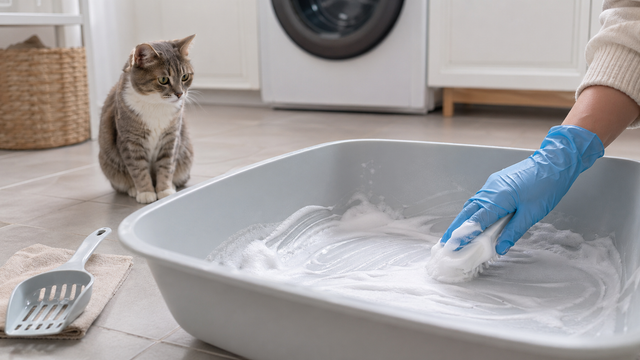
✅ Safe Practices: When cleaning, always keep your cat in another room and ensure the indoor space is well-ventilated until the odors have completely dissipated. For areas your cat interacts with daily, like the litter box, opt for pet-specific cleaning products. Look for a gentle, plant-derived formula that is free from alcohol and harmful chemicals, then rinse and dry afterwards so nothing is left for your cat to lick.
2. Essential Oils and Perfumes: A Fragrant Trap
Sources of Danger: Aroma diffusers, scent stones, perfumes, skincare products containing essential oils.
Many people enjoy using essential oils for relaxation, but cats' livers cannot efficiently metabolize dozens of common essential oils, including tea tree, citrus, peppermint, lavender, and eucalyptus. Long-term exposure can lead to lethargy, vomiting, difficulty walking, and in severe cases, liver poisoning. Similarly, human perfumes can be too stimulating for a cat's sense of smell and might make them keep their distance from you!
✅ Safe Practices: Please stop using any essential oils or diffusion products in spaces where cats are present. If you wish to wear perfume, it's best to apply it before going out and avoid letting your cat come into direct contact with or lick skin and clothing that has just been sprayed.
3. Citrus Fruits: A Natural Cat Repellent?
Sources of Danger: Oranges, tangerines, lemons, grapefruits, pomelos.
You read that right. These fruits, which we find pleasantly fragrant and delicious, have a very pungent odor to cats, who may even perceive them as a "rotten" smell. The peels of citrus fruits contain volatile oils like Limonene, which can strongly irritate a cat's respiratory tract, causing reactions like nausea and drooling.
✅ Safe Practices: While some people use orange peels to deter cats from certain areas, this also indicates the scent is a burden to them. Avoid letting your cat come into contact with these fruits or their products, especially the peels, which have a higher concentration of essential oils.
4. Secondhand and Thirdhand Smoke: A Silent Cancer Inducer
Sources of Danger: Smoke from cigarettes and e-cigarettes.
Cats chronically exposed to secondhand smoke are three times more likely to develop lymphoma than cats in smoke-free environments! Even more frightening is "thirdhand smoke," where harmful particles from the smoke (like nicotine and tar) adhere to walls, furniture, carpets, and your clothes. When cats move around and groom themselves at home, they ingest these carcinogens, posing a significant threat to their health.
✅ Safe Practices: For the sake of your cat and your family's health, the best approach is to create a completely smoke-free environment.
5. Spicy and Irritating Foods: Kitchen Alarms During Cooking
Sources of Danger: Chili peppers, onions, garlic, scallions.
When preparing a feast in the kitchen, the aroma of these spices can severely irritate a cat's sensitive respiratory system and eyes, potentially causing them to sneeze, tear up, or even trigger asthma. Furthermore, onions and garlic are hemolytically toxic to cats and must never be ingested.
✅ Safe Practices: When cooking these ingredients, it's best to keep cats away from the kitchen and use the range hood or open windows for ventilation to prevent irritating odors from spreading throughout the house.
Conclusion: Giving Your Cat a Home Where They Can Breathe Freely
Protecting your cat's health is our most important responsibility. Starting today, pay more attention to the various scents in your life and choose pet-friendly products. Choosing cleaning supplies that are unscented and free of alcohol, essential oils and phenols goes a long way towards an environment where your cat can breathe with peace of mind.
Are there any particular scents your cat "keeps its distance" from? Feel free to share in the comments below, so more cat owners can learn and avoid these hidden health hazards!
Frequently Asked Questions FAQ
When should I seek immediate veterinary care?
If your cat shows decreased energy, loss of appetite, abnormal breathing, persistent vomiting or diarrhea, pain, bleeding, or rapidly worsening symptoms, it is recommended to contact a veterinarian as soon as possible.
How long can I observe the situation myself?
For mild and short-lived conditions, you can observe first. However, if symptoms do not improve after 24-48 hours, or if accompanied by other abnormalities, you should prioritize seeking veterinary care.
References
CatGarden | A luxury cat-only hotel in Banqiao, offering boarding and grooming services.
Further Reading
- Early Signs of Cat Illness: 7 Warning Signs and Observation Points
- Cat Hydration Methods: Safe Times and Precautions for Hydration
- How to Feed Probiotics to Cats? Selection Principles, Feeding Times, and Precautions
\n
→ Learn about CatGarden Odor Control Mineral Litter
FAQ
What are the symptoms of poisoning if a cat is exposed to essential oils?
A cat's liver cannot metabolize essential oils like tea tree, citrus, or mint. Long-term exposure can cause lethargy, vomiting, and difficulty walking, and in severe cases, liver poisoning.
Why can't you use orange peels or citrus fruits to deter cats?
Citrus peels contain volatile oils like limonene, which have a strong, irritating scent for cats, easily causing respiratory discomfort, nausea, and drooling.
What are the health risks of secondhand and thirdhand smoke for cats?
Long-term exposure to secondhand smoke increases a cat's risk of lymphoma by 3 times. Nicotine and tar particles from thirdhand smoke adhere to furniture and fur, which cats ingest while grooming.
When a cat is unwell, what situations require immediate veterinary attention?
If a cat shows decreased energy, loss of appetite, abnormal breathing, persistent vomiting or diarrhea, pain, bleeding, or rapidly worsening symptoms, contact a veterinarian immediately for treatment.
How long can you observe a cat for mild abnormalities?
For mild and temporary issues, you can observe them yourself. However, if symptoms do not improve within 24 to 48 hours, or if accompanied by other abnormal signs, seek veterinary care as a priority.
CatGarden offers curated supplies, cat boarding, and grooming
Book services or shop online.