What Are the Downsides of a Chinchilla Cat? Tear Stains, Matting Fur, Genetic Diseases, and Rearing Difficulty Explained
Chinchillas aren't difficult to raise, but they "cannot be lazy": tear stains are almost a lifelong daily chore, daily brushing is needed to prevent matting, and there are genetic risks like polycystic kidney disease and heart conditions. This article uses firsthand grooming and boarding experience to clearly explain the downsides, costs, and care routine.
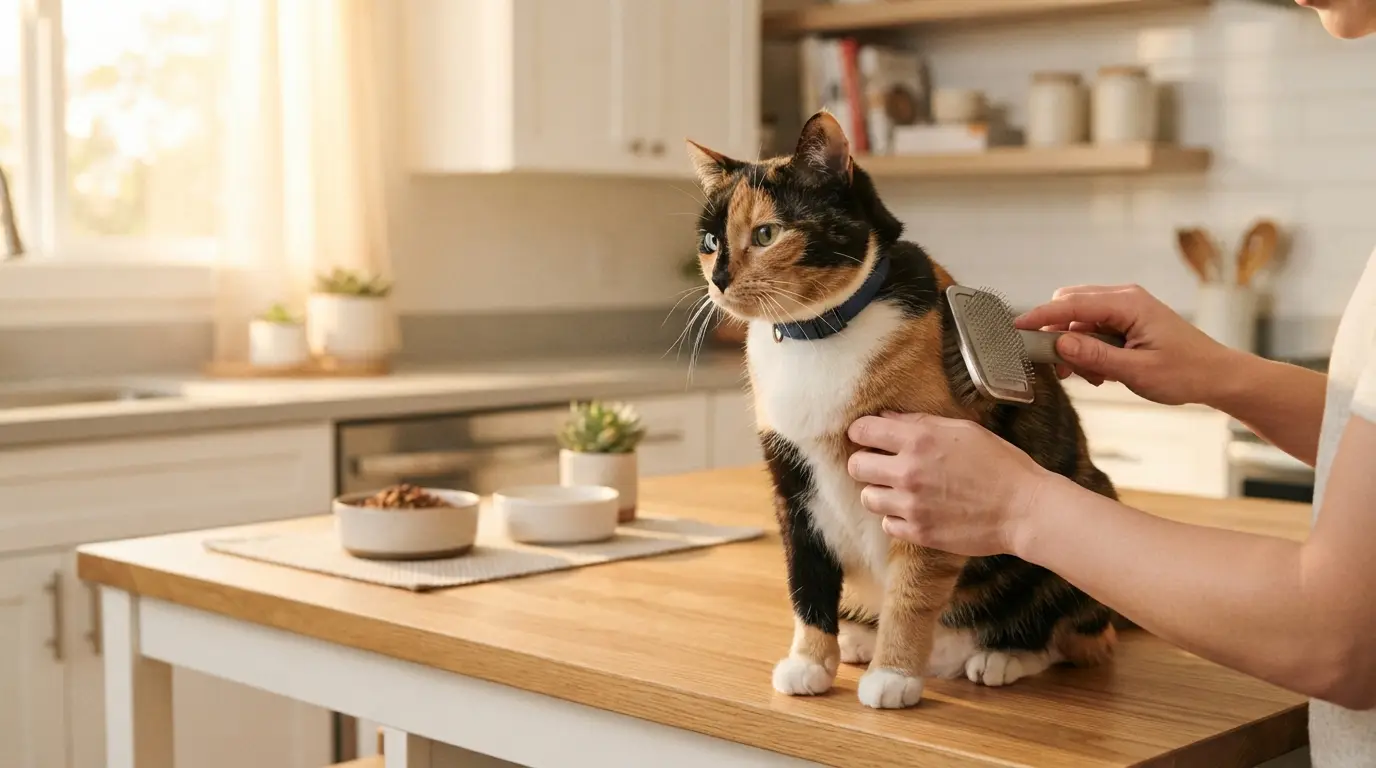
The most common complaints from Chinchilla cat owners center around four issues: stubborn tear stains, long fur that mats daily without brushing, a higher risk of genetic diseases (polycystic kidney disease, heart disease), and heat intolerance and breathing difficulties due to their brachycephalic (flat) faces. They aren't "difficult to raise," but rather cats that "cannot be lazy"—5 to 10 minutes of daily eye-area cleaning and brushing are the entry requirements for owning a Chinchilla; failing to do so can lead to skin problems, hairballs, and increased grooming costs.
Key Takeaways
- Chinchillas are brachycephalic (flat-faced) cats, making their tear ducts prone to compression. Tear stains are usually manageable, not curable, requiring daily cleaning 1-2 times.
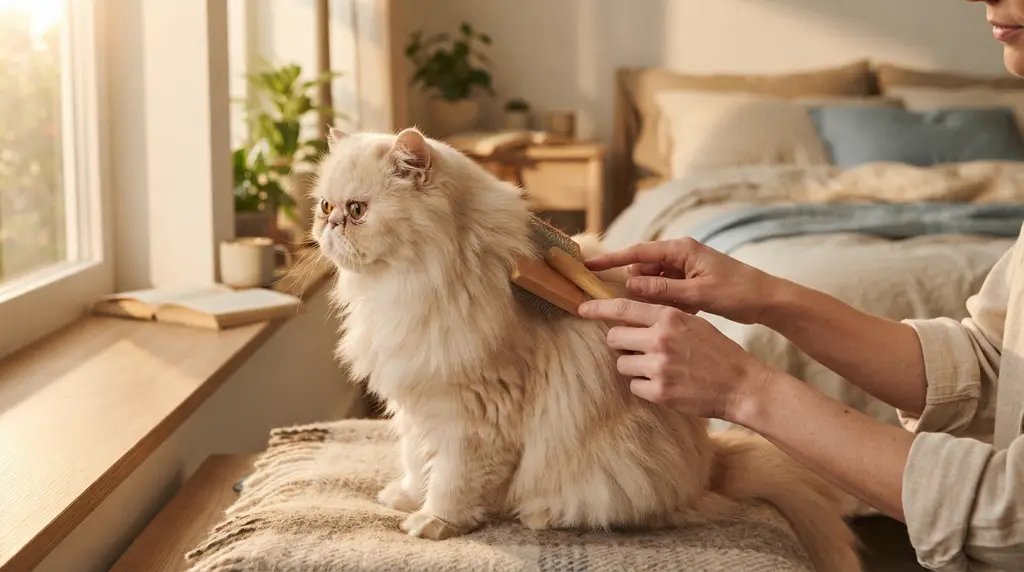
- Chinchillas have a double-layered long coat and daily brushing for 5-10 minutes is recommended. Once mats form close to the skin, they usually must be shaved off; pulling them can easily tear the skin.
- Polycystic Kidney Disease (PKD1) and Hypertrophic Cardiomyopathy (HCM) are the two main genetic diseases to watch out for in the Persian/Chinchilla lineage. Annual blood tests plus abdominal ultrasounds and cardiac evaluations are recommended after age 3.
- The combination of long fur, a flat face, and a tendency towards inactivity makes Chinchillas particularly sensitive to heat. Indoor temperatures in Taiwan should be maintained at 26-28°C during summer. Be alert if their resting respiratory rate exceeds 40 breaths per minute.
- Full grooming for long-haired cats typically takes 30-60 minutes longer than for short-haired cats. Bathing is recommended every 3-6 weeks, and the long-term care costs are significantly higher than for short-haired domestic cats.
Clarification: The Misconception of "Chinchilla" as a Single Breed
On our booking forms, "Chinchilla" actually covers several types of cats: purebred Chinchilla Persians (silver-white base with tipped fur), long-haired versions of Exotic Shorthairs, and many domestic cats with Chinchilla-like appearances.
This directly relates to their downsides—the flatter the face and the thicker the fur, the more pronounced each of the following issues will be. If your Chinchilla has a relatively "longer" nose, tear and breathing issues will likely be much milder. Conversely, those extremely flat-faced cats that appear to have their noses almost level with their eyes will require double the intensity of eye and skin care.
(As a side note, if you're interested in breed classifications and understanding common cats in Taiwan, you might find this article helpful: What is a Dragon Li Cat? Personality, Origin, and Differences from Tabby Cats Explained. It represents the opposite extreme from selectively bred long-haired cats like the Chinchilla.)
Chinchilla Downside 1: Tear Stains Are Almost a Lifelong Task
Why Tear Stains Are Inevitable
The skull structure of flat-faced cats is "compressed," but their tear production doesn't decrease. However, their nasolacrimal ducts become narrow or even twisted. Tears can't drain into the nasal cavity and instead overflow from the inner corner of the eye (medically known as epiphora). The iron in tears oxidizes upon contact with air, turning them reddish-brown – these are the tear stains we see.
What's more troublesome is that the constant moisture from tears creates a breeding ground for bacteria and yeast under the eyes. We often see owners who think it's just "a bit dirty," only to discover red, inflamed skin with hair loss, or even a foul odor, once the fur is parted.
Actual Cleaning Procedure at Our Facility
1. Gently press a cotton pad or gauze soaked in sterile saline solution onto the area below the eye for 3-5 seconds to soften any dried discharge. (Do not rub directly with dry wipes.)
2. Wipe in one direction, from the inner corner outwards, using a clean side of the pad for each wipe. Use a fresh pad for each eye.
3. Crucially, pat the fur dry with a dry gauze pad after wiping. This step is often missed – leaving moisture behind negates the cleaning.
4. If the fur under the eyes is too long, it can direct tears down the face. It's advisable to have a groomer trim a short gradient of 3-5mm periodically (DIY trimming carries a high risk of accidentally injuring the eyeball if the cat moves).
Frequency: Once a day for mild cases, twice a day (morning and evening) for heavier discharge. There is no permanent solution; be skeptical of any product claiming "tear stains gone in three days."
When It's More Than Just Tear Stains – Seek Veterinary Care
- Discharge changes from clear to yellowish-green and thick, or the eyes are red, swollen, squinting, or blinking frequently.
- Cloudiness or indentation on the surface of the eyeball appears (flat-faced cats have protruding eyeballs, making them more prone to corneal ulcers than average cats).
- Sudden excessive tearing in one eye accompanied by pawing at the face – this could indicate a foreign object or corneal injury.
Delaying treatment for these conditions by 1-2 days can affect vision. Seek immediate consultation with a veterinary ophthalmologist.
What we use for this
CatGarden’s own products, shipped from Taiwan
Chinchilla Downside 2: Shedding and Matting – This Is Real Labor
More Shedding Than You Might Imagine
Chinchillas have a double coat: an outer layer of guard hairs and a dense undercoat of fine, soft fur. The undercoat is the primary culprit for matting and shedding. Taiwan doesn't have distinct seasons, and constant indoor temperatures lead to year-round, scattered shedding. The saying "sheds twice a year, for half a year each time" is quite literal for Chinchillas. You'll find fur on sofas, black pants, and in keyboard crevices.
Even more concerning is what they ingest. Long-haired cats swallow significantly more fur during grooming than short-haired cats. For cats that vomit hairballs frequently, incorporating fiber-rich specialized hairball control powder into their diet can aid in passing hair. However, if they exhibit dry heaving without expelling anything, have decreased appetite, or haven't defecated for over 48 hours, it's not just a hairball issue but a sign of intestinal blockage requiring immediate veterinary attention.
The 5 Most Prone Areas for Matting
When we bathe long-haired cats, these areas are almost guaranteed to have mats:
1. Chin and Neck Ruffle (food debris, areas the cat can't reach to groom)
2. Armpits and Inner Forelegs (friction from movement, most prone to felting)
3. Inner Hind Legs and Groin (compressed when sitting)
4. Around the Rump and Base of the Tail (fecal or urinary matter)
5. Behind the Ears (blind spots for scratching)
Brushing: Frequency, Tools, and Correct Technique
- Frequency: 5-10 minutes daily is far superior to 40 minutes once a week. The undercoat of a Chinchilla starts to "fluff up" if left untouched for just 3-4 days.
- Tools: Start with a metal comb (greyhound comb) to work through tangles from the tips to the roots in sections, then use a slicker brush to groom the surface. Many people only use a slicker brush, resulting in a smooth surface while mats remain close to the skin.
- How to Tell: The brush should glide smoothly from the skin surface to the hair tips without snagging.
- Do Not Pull Hard on Existing Mats. A cat's skin is only 1/3 as thick as human skin; pulling forcefully will cause tearing. In such cases, local shaving is the only option.
Fecal Matter on Fur + Long Hair Tracking Litter – Another Hidden Downside
The fur around a Chinchilla's rear end, combined with their often rounder body shape making it difficult to reach, can easily lead to feces sticking to the fur and drying. We generally recommend regular sanitary trims and paw pad grooming. These are two of the most underestimated services in What Are the Different Types of Cat Grooming Services? Bathing, Nail Trimming, Shaving, and Spot Trims Explained.
Litter choice also makes a difference: litter granules that are too large can get stuck in the long fur on their paws and hindquarters, being tracked out of the litter box. Switching to a fine-grit litter like Ultra-Fine Tofu Litter 3.0 can significantly reduce tracking, but remember to scoop more frequently.
Chinchilla Downside 3: Bathing and Grooming Difficulty and Cost
The hardest part of bathing long-haired cats isn't the washing itself, but drying. If the undercoat isn't dried completely to the roots, trapped moisture can lead to skin inflammation within 24 hours, especially in Taiwan's summer. Our standard procedure is:
- Water temperature for bathing should be controlled at 38-39°C (slightly above cat body temperature; too hot can stress the cat and dry out their skin).
- Always brush out tangles before bathing. Bathing with mats will result in a hardened felted mess.
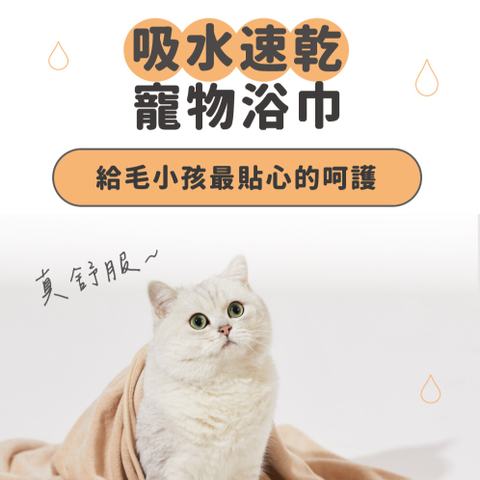
- After rinsing, use a highly absorbent towel to remove most of the water. This can reduce drying time by 1/3. If bathing at home, having a Quick-Dry Pet Towel makes a noticeable difference.
- While blow-drying, use a slicker brush to fluff the fur as you dry, ensuring it's completely dry down to the skin (no coolness when touched).
Bathing is recommended every 3-6 weeks. Oily skin types or those with tear stains or frequent soiling around the rear may need more frequent baths. For more details, refer to How Often Should You Bathe Your Cat? Consider Age, Coat Length, and Skin Condition.
Honestly, full grooming for long-haired cats typically takes 30-60 minutes longer than for short-haired cats, and the cost naturally reflects this. This is an expense that should be factored into your "annual fixed costs." If you can't dry your cat thoroughly at home, or if the cat struggles during baths, leaving it to a professional groomer is much safer than forcing it. When booking grooming, be sure to proactively mention any matting issues and previous skin conditions.
Considering Shaving for Summer Heat Relief? Think Again.
Many Chinchilla owners' first instinct in summer is to shave their cats. However, fur also acts as insulation. Shaving too short can lead to sunburn, skin sensitivity, poor fur quality, and even permanent changes to the coat texture. It's recommended to read Is Shaving Your Cat for Summer Cooling Effective? Understand Fur Insulation, Sunburn, and Skin Risks First before deciding. In most cases, "thinning the coat and using air conditioning" is more practical than a full shave.
Chinchilla Downside 4: Genetic Disease Risk Is Indeed Higher
This is the most crucial point to understand before purchasing or adopting a cat. Chinchillas originate from the Persian lineage, and they have a higher incidence of the following conditions compared to the average domestic cat:
1. Polycystic Kidney Disease (PKD1)
Cysts develop in the kidneys, progressively damaging kidney function with age, ultimately leading to chronic kidney disease. This is a genetically testable disease. Responsible breeders will provide negative PKD test results for the parents. If the source is unknown, an abdominal ultrasound is recommended for confirmation between 1-2 years of age.
2. Hypertrophic Cardiomyopathy (HCM)
The heart muscle walls thicken. Early stages are often asymptomatic but can lead to sudden shortness of breath or hind limb paralysis (due to blood clots). Normal blood tests do not rule out heart issues; a cardiac ultrasound is needed to detect it. For more details, see Is an Ultrasound Still Needed if Cat Blood Tests Are Normal? Understand When Blood Tests Alone Aren't Enough.
3. Brachycephalic-Related Respiratory and Ophthalmic Issues
Narrow nostrils and elongated soft palates make breathing more difficult for cats during excitement, in hot weather, or during transport. Daily practice includes counting resting respiratory rate (normal is 20-30 breaths per minute, potentially lower during sleep) and observing if they use their abdomen to breathe. For interpretation, see Is Abdominal Breathing Normal in Cats? Check Respiratory Rate, Effort, and Warning Signs.
4. Malocclusion and Dental Tartar
The compressed jaw space in flat-faced cats leads to crowded teeth and more cleaning blind spots, resulting in tartar buildup and gingivitis earlier than in average cats. Annual dental check-ups are recommended.
5. Heat Intolerance
Long fur + flat face + low activity level creates a triple risk for heatstroke. Indoor temperatures above 28°C warrant air conditioning or dehumidification. If the cat starts panting with its mouth open, immediately cool it down and observe its gum color. For details, see What Are the Early Signs of Heatstroke in Cats? Observe Gum Color, Panting, and Collapse in Three Stages – Every Second Counts.
> These are all "higher risks," not guarantees. However, Chinchilla owners should budget for more extensive health screenings than for typical short-haired cats. Any persistent or worsening symptoms should be diagnosed by a veterinarian.
Chinchilla Downside 5: Personality Variations and Tendency to Gain Weight
Chinchillas are generally quiet, affectionate, but not overly active, which can be a plus for busy owners. However, it's a downside if you're looking for a cat that will play fetch. A more common issue in practice is weight gain: low activity levels combined with free-feeding can easily lead to a 1kg gain per year. Obesity exacerbates breathing difficulties, puts stress on joints, and makes it harder for the cat to groom its hindquarters (leading to more matting – a vicious cycle).
It's recommended to perform a monthly body condition score assessment by feeling the ribs and observing the waistline. The method is detailed in Is Constant Weight Gain in Cats Always Obesity? Check Body Condition Score, Waistline, and 3 Warning Signs.
Chinchilla Care Essentials: Take This Routine Chart
Daily
- Eye-area cleaning 1-2 times (saline solution + drying)
- Brushing for 5-10 minutes, focusing on armpits, inner hind legs, and rump
- Change water, monitor water intake; scoop litter and check for fur-soiled feces
Weekly
- Section-by-section combing of the entire body, ensuring the comb glides smoothly against the skin
- Check ears and chin (long-haired cats can develop blackheads/sebum plugs on their chins)
- Nail trimming (most cats need it every 2-3 weeks)
Every 3-6 Weeks
- Bathing and thorough drying, or full grooming service including sanitary trim and paw pad grooming
Annually
- Vaccinations + health check; after age 3, add abdominal ultrasound and cardiac ultrasound.
- For boarding, long-haired cats should be thoroughly brushed before check-in. Bring vaccination records. (Before booking boarding, check Cat Boarding Checklist: Vaccines and Essentials Before Check-in).
Are Chinchillas Easy to Own? A Self-Assessment Quiz
1. Can you consistently dedicate 10 minutes daily to eye cleaning and brushing? (Not just when you have time.)
2. Will an additional annual budget of NT$10,000-20,000 for grooming and vet check-ups cause financial stress?
3. Can your home maintain a consistent temperature of 26-28°C during the summer?
If you can answer "yes" to all three, a Chinchilla will be a very affectionate, quiet, and easy-to-live-with indoor companion. If you hesitate on any question, a short-haired cat will genuinely make life much easier for both of you – this isn't meant to discourage you, but to be honest.
Frequently Asked Questions
Can Chinchilla tear stains be completely eliminated?
For most flat-faced cats, epiphora stems from the structure of their nasolacrimal ducts, a structural issue. It can only be managed daily to be "almost unnoticeable" and is rarely completely curable. If discharge turns yellowish-green, or the eyes are red or squinting, seek veterinary care to rule out infection or corneal damage.
Do Chinchillas shed a lot? Can shaving reduce shedding?
They do shed more than short-haired cats, primarily fine undercoat. Shaving can temporarily reduce airborne fur in the home, but it removes some insulation and sun protection and may affect coat regrowth quality. It's recommended to first address shedding with "daily brushing and regular bathing/drying." Shaving should be reserved for severe matting or medical needs.
What are common Chinchilla diseases, and what checks are needed?
The main concerns are Polycystic Kidney Disease (PKD1), Hypertrophic Cardiomyopathy (HCM), brachycephalic respiratory issues, malocclusion, and corneal ulcers. It's recommended to request parental PKD screening reports when acquiring a kitten and to arrange annual blood tests plus abdominal and cardiac ultrasounds after age 3.
Do Chinchillas absolutely need professional grooming? Can I bathe them myself?
You can bathe them yourself, provided you can achieve "pre-brushing, water temperature of 38-39°C, and drying to the skin roots completely." Failing to meet these three conditions can lead to skin inflammation due to trapped moisture in the undercoat. Entrusting it to a groomer is safer and allows for sanitary trims and paw pad grooming.
Are Chinchillas suitable for first-time owners?
In terms of personality, they are very suitable – quiet, not overly destructive, and affectionate. The challenges lie entirely in daily maintenance. If this is your first cat and you're considering a Chinchilla, it's advisable to have brushing tools, proper hydration, and litter box setup ready from the start. You might find this guide helpful: What Should New Cat Owners Prepare? Start with These 10 Essentials.
This article was written by the CatGarden editorial team, compiling firsthand care experience from our cat grooming and boarding services in Banqiao. Health information provided is for general care reference only. If your cat exhibits persistent or worsening symptoms, please seek prompt veterinary diagnosis.
CatGarden offers curated supplies, cat boarding, and grooming
Book services or shop online.