Is an Ultrasound Necessary Even If a Cat's Blood Test is Normal? Understanding When Blood Work Isn't Enough
Normal blood work doesn't mean everything is fine. Blood tests primarily show changes in physiological values, but they can't detect all issues. This article explains the differences between blood tests and abdominal ultrasounds, symptoms that require more than just blood work, and preparation tips for ultrasounds.
Key takeaways
- Blood tests primarily reflect physiological values such as liver and kidney function, inflammation markers, red and white blood cell counts, blood sugar, and electrolytes. They cannot reveal structural issues like organ shape and size, intestinal wall thickness, masses, or abdominal fluid. Therefore, a normal blood test does not mean a cat is disease-free.
- Abdominal ultrasounds commonly examine the liver, gallbladder, kidneys, bladder, spleen, pancreas, gastrointestinal tract, and abdominal lymph nodes. Sometimes, the uterus or prostate may also be assessed. Ultrasound can provide real-time observation of organ status, requires no surgery, and involves no X-ray radiation.
- For cats experiencing repeated vomiting, vomiting after eating, vomiting yellow bile on an empty stomach, or multiple digestive symptoms within a week, relying solely on blood tests is not recommended. Conditions like abnormal gastrointestinal motility, intestinal inflammation, foreign bodies, or pancreatic issues may require ultrasound for clarification.
- For cats over 7 years old showing decreased activity, weight loss, changes in urination habits, a tense abdomen upon palpation, or increased hiding for unknown reasons, veterinarians often recommend a comprehensive examination. This is because older cats frequently experience changes in multiple organs simultaneously.
- Most abdominal ultrasounds recommend fasting for 6 to 8 hours beforehand to minimize interference from stomach contents and intestinal gas. Whether to withhold water or allow normal medication intake should follow veterinary instructions.
Normal Blood Work Doesn't Mean No Problems: What Blood Tests Can and Cannot Show
Many owners breathe a sigh of relief when the vet says, "The blood test is generally normal," assuming their cat is out of the woods. However, blood tests primarily look for changes in physiological values, such as liver and kidney enzymes, inflammatory responses, red and white blood cell counts, and abnormalities in blood sugar or electrolytes. While this information is crucial, it doesn't mean all diseases can be detected through a blood draw.
For some conditions, blood values may not show significant changes in the early stages. This is especially true for localized structural abnormalities, masses, gallbladder issues, thickened intestines, or even certain chronic inflammations, which may not be immediately reflected in blood work. In essence, blood tests act like an "alert system" for the body but don't always pinpoint "what's wrong where." This is why veterinarians sometimes recommend further cat ultrasounds.
For example, if a cat seems generally okay but has recently had a decreased appetite and occasional vomiting, and the blood test shows only minor changes, relying solely on the blood work might lead to missing an earlier diagnostic opportunity. Imaging can fill the gaps left by blood tests, helping veterinarians visualize organ shape, size, thickness, and internal structure. For many middle-aged to senior cats, this step is quite critical.
What Does an Abdominal Ultrasound Look For? Which Organ Problems Are Often Found Through Imaging?
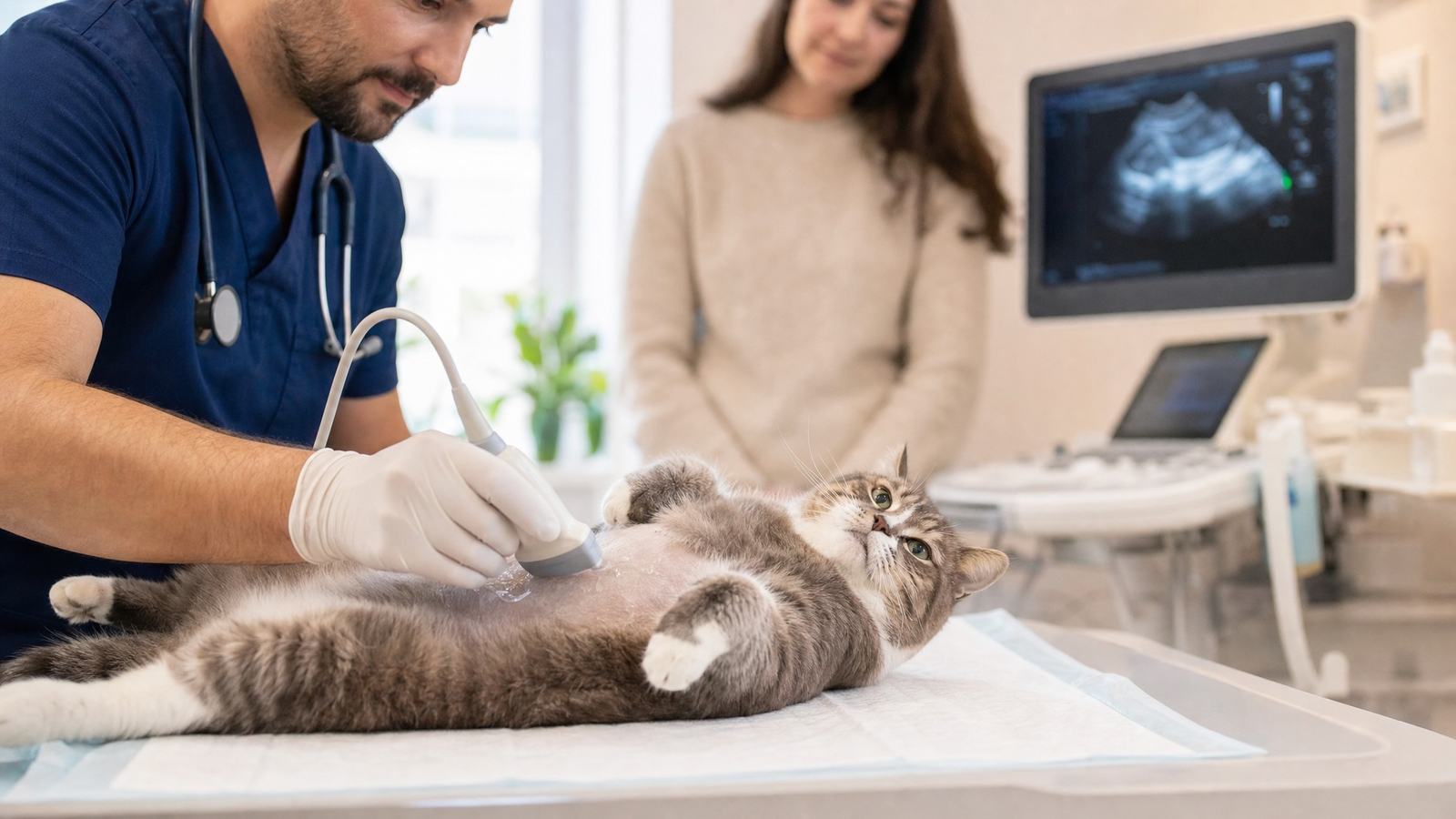
Cat ultrasounds are most commonly used for abdominal examinations because they allow for real-time observation of organ status without surgery and without the radiation concerns of X-rays. Commonly examined areas include the liver, gallbladder, kidneys, bladder, spleen, pancreas, gastrointestinal tract, and abdominal lymph nodes. Sometimes, the uterus or prostate may also be examined. This type of examination is very helpful for cats with unclear but persistent, recurring symptoms.
Issues like changes in kidney shape, bladder crystals or sediment, bile sludge, thickened intestinal walls, abdominal fluid accumulation, or pancreatitis are often not fully revealed by blood tests alone. The pancreas and gastrointestinal tract, in particular, are "hidden culprits" for many uncomfortable cats. Relying only on blood work might indicate an inflammatory tendency but make it difficult to confirm the location and severity. In such cases, a cat ultrasound allows the veterinarian to more quickly determine the next steps for treatment, monitoring, or further investigation.
Furthermore, ultrasounds are frequently used in senior cat health check-ups. For older cats, common problems may not immediately manifest externally. Owners might just notice they've "lost a bit of weight recently," "are drinking more," or "are sleeping more." If a cat is entering its mature or senior years, regular imaging assessments are often more comprehensive than blood tests alone.
Situations Where Blood Work Alone Isn't Enough: Vomiting, Decreased Appetite, Weight Changes, and Senior Cat Abnormalities
If a cat vomits a hairball once or is occasionally picky about food, imaging might not be necessary every time. However, for repeated vomiting, vomiting after eating, vomiting yellow bile on an empty stomach, or experiencing multiple digestive symptoms within a week, relying solely on blood work for diagnosis is not recommended. Abnormal intestinal motility, inflammation, foreign bodies, or pancreatic issues may require a cat ultrasound for further clarification.
Another common scenario is decreased appetite combined with weight changes. Some cats may still appear willing to eat but are actually consuming much less than usual, leading to gradual weight loss over weeks. Owners often only notice when the spine becomes more prominent. Even if blood test values aren't significantly abnormal in these cases, chronic gastrointestinal disease, tumors, or liver/gallbladder/pancreatic problems might be present, and it's not advisable to be reassured by "normal blood work" alone.
Senior cats require special attention. For cats over 7 years old, if they start showing decreased activity, weight loss, changes in urination habits, a tight abdomen, or increased hiding for no apparent reason, veterinarians will typically lean towards recommending a comprehensive examination. Diseases in older cats are often not isolated to a single organ but involve multiple changes occurring simultaneously. In such situations, a cat ultrasound can help piece together the complete picture.
What to Prepare for a Cat Ultrasound: Fasting, Shaving, Anxiety, and the Veterinary Visit Process
For most abdominal ultrasounds, it's recommended to fast the cat for 6 to 8 hours beforehand. This reduces interference from food in the stomach and gas in the intestines, leading to clearer images. However, whether water restriction is necessary or if medications can be given as usual should always follow the veterinarian's instructions, especially for cats with chronic conditions or those on medication. If your cat is prone to hypoglycemia or has other special circumstances, inform the clinic when booking the appointment.
During a cat ultrasound, a small patch of fur on the abdomen often needs to be shaved. This is because the probe must make direct contact with the skin and be coated with gel to obtain stable images. For long-haired cats, owners may worry about their appearance, but this is usually a localized area that will grow back. Ensuring image accuracy is typically more important than fur aesthetics.
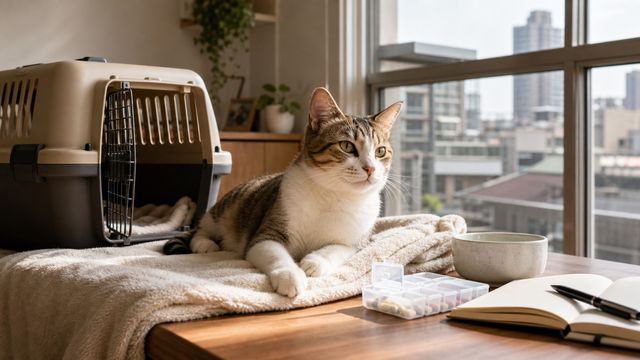
Many owners also worry about their cat being too anxious and whether sedation might be needed. In reality, many cats can undergo the examination in a few minutes to over ten minutes with proper restraint and a quiet environment. However, if the cat has a very sensitive personality and struggles excessively, the veterinarian may assess whether supportive measures are necessary. It's recommended to bring a familiar carrier, towel, or small blanket, which can help the cat feel more stable while waiting. Especially during Taiwan's humid and hot seasons, pay attention to ventilation and cooling.
How to Discuss Examination Arrangements with Your Veterinarian: Symptoms, Age, and Follow-up Frequency
When discussing examinations with your veterinarian, providing specific information is more helpful than simply saying, "He's been acting strange lately." Details like how often they vomit, how many days their appetite has changed, how much weight they've lost, whether their stool has become thinner or softer, and if their water intake has increased will influence the diagnosis. Preparing this information in your phone's notes app or even taking videos of vomit, feces, or unusual behavior is usually more efficient than trying to recall it on the spot.
Age is also an important factor in arranging examinations. For younger cats with occasional digestive discomfort, basic checks might suffice. However, for middle-aged to senior cats with persistent symptoms, blood tests combined with a cat ultrasound are often necessary. This isn't over-testing; it's because the disease patterns in older cats are more complex, and finding the cause early can reduce repeated treatments that don't yield results.
Regarding follow-up frequency, it depends on the diagnosis and the course of the disease. For chronic kidney disease, gallbladder issues, pancreatitis, or chronic gastrointestinal inflammation, the veterinarian may recommend follow-up imaging in a few weeks to months. Owners can proactively ask the following questions:
- Are the primary concerns functional or structural issues at this point?
- What questions do the blood test and ultrasound each answer?
- Is the examination needed now, or can we observe for a few days?
- Will the follow-up involve monitoring symptoms, weight, or imaging changes?
Clarifying these questions is more beneficial than simply knowing "whether to do the test." The truly important aspect isn't how many tests are performed, but whether each test can answer the most critical questions at that moment.
If you are caring for a cat that is easily stressed, picky about food, or entering its senior years, in addition to regular check-ups, don't overlook the details of daily care. For example, palatable health treats, comfortable travel accessories, and easy-to-clean, low-irritant daily living supplies can facilitate veterinary visits and home observation. To prepare your feline companion with more reassuring daily essentials, visit CatGarden to browse cat supplies suitable for different ages and needs, ensuring care isn't just reserved for when they are sick.
FAQ
Is an ultrasound still necessary if a cat's blood test is normal?
It might be. Blood tests primarily check physiological values and cannot fully reveal structural issues like organ shape, intestinal wall thickness, masses, or fluid accumulation. If symptoms persist, even with normal blood work, the veterinarian may still recommend an ultrasound.
Does a cat ultrasound hurt?
Generally, no. The examination involves moving a probe with gel over the skin surface. The most discomfort a cat might feel is from being restrained. If the abdomen itself is painful, it might be more sensitive to touch.
Is shaving necessary for an abdominal ultrasound?
In most cases, localized shaving is required. Fur can interfere with the probe's contact with the skin, reducing image clarity. Usually, only a small area is shaved, and the fur will grow back.
How often should a senior cat have an ultrasound?
There's no fixed answer; it depends on age, symptoms, and existing conditions. For healthy senior cats, an assessment might be part of their annual check-up. If they have chronic diseases or previous abnormalities, follow-up might be recommended every 1 to 6 months based on the veterinarian's advice.
Can cats drink water before an ultrasound?
Fasting is more common than water restriction in most cases, but actual instructions should come from the clinic. Requirements can vary based on specific examination items, medical conditions, or anesthesia arrangements. It's safest to ask for clarification when booking.
Further Reading
CatGarden offers curated supplies, cat boarding, and grooming
Book services or shop online.