Cat Scratching During Rainy Season? Check Humidity, Skin, and Licking Habits First
As the rainy season arrives, many cat owners notice their cats scratching more frequently. This article guides you through checking humidity levels, skin condition, and excessive licking to understand the cause and provide appropriate care.
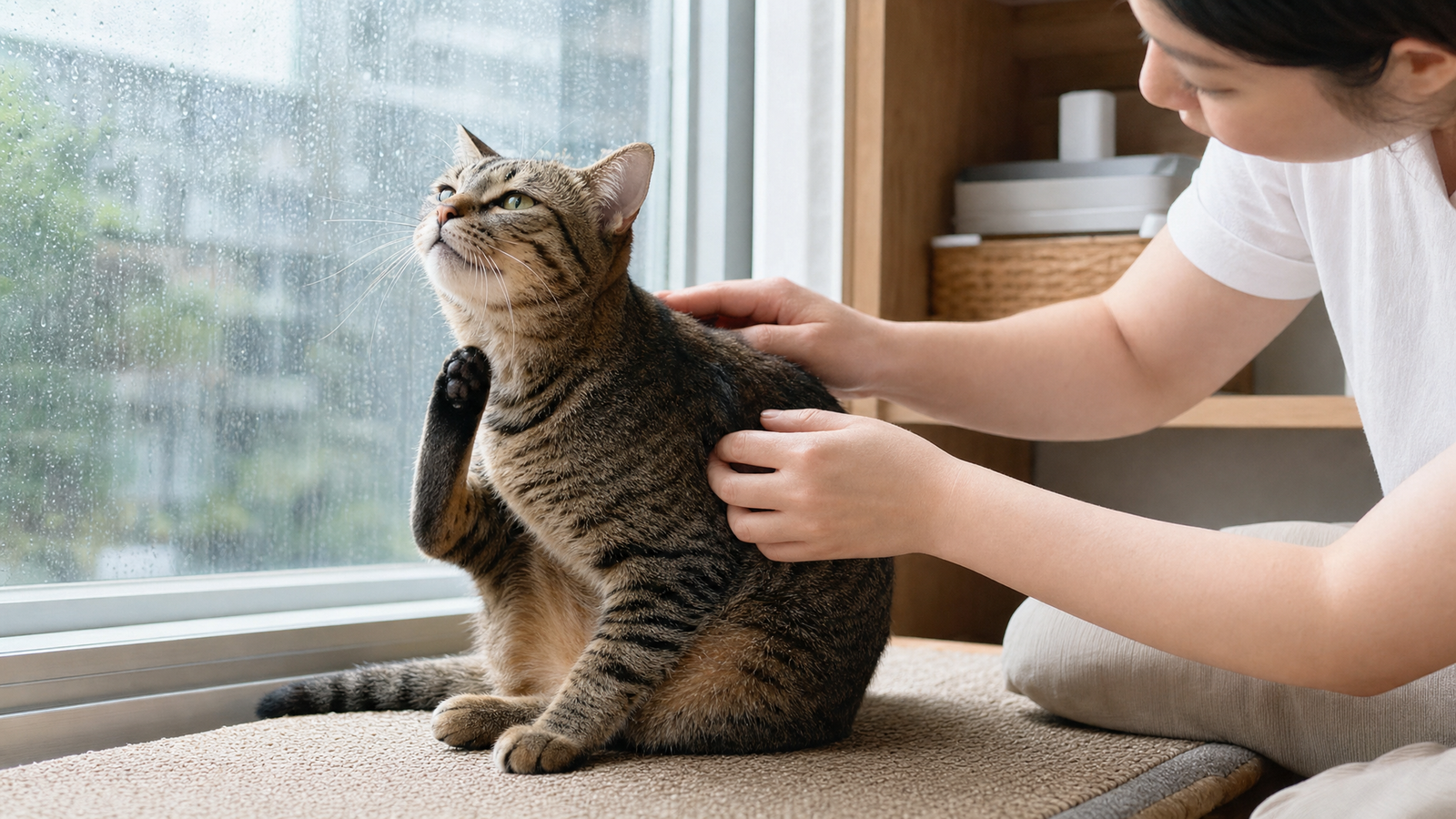
As the rainy season sets in, many cat owners notice their feline companions scratching more frequently. One moment they're scratching their neck, the next they're licking their belly, and sometimes their fur even develops a musty odor. Before rushing to bathe your cat or simply changing their shampoo, it's important to understand that feline skin issues are often related to environmental humidity, trapped fur, allergies, fleas, ear infections, or stress. Getting the treatment order wrong can actually make their skin more sensitive.
Taiwan's rainy season is characterized by high humidity. Even indoors, without direct rain, cat beds, window sills, floor mats, and sofa corners can become damp and stuffy. For cats with sensitive skin, thick fur, older cats, or those undergoing shedding, increased scratching and licking are significant signals worth paying attention to.
Key takeaways
- Cat skin issues are often linked to environmental humidity, trapped fur, allergies, fleas, ear infections, or stress. Addressing them in the wrong order can make the skin more sensitive.
- If indoor humidity consistently exceeds 60%, moisture can build up in cat beds, blankets, and on fabric surfaces of cat trees, leading to a stuffy environment when fur covers the skin.
- Common flea locations include the base of the tail, lower back, and near the hind legs. Allergies or dermatitis may appear on the face, ears, neck, abdomen, or paws.
- If you see small black specks resembling black pepper that turn reddish-brown when wiped with a damp cloth, it might be flea dirt. Discuss flea treatment with your vet and clean your environment simultaneously.
- Frequent bathing can strip natural oils, making the skin drier and more sensitive, especially if there's redness, broken skin, or scabs. Bathing without identifying the cause can make your cat more uncomfortable.
First, Determine: Is it Normal Grooming, or True Itching?
Cats naturally groom themselves daily by licking their fur. Therefore, you can't just look at "whether they lick." What's more important are the frequency, location, and skin condition. If a cat suddenly and consistently licks the same spot, to the point where the fur becomes sparse or the skin turns red, or if scratching results in small scabs, it's not simply about cleanliness.
- Normal Licking: Grooming the entire body after meals or waking up, with no redness or hair loss.
- Needs Observation: Increased licking time recently, frequently biting paws, belly, or the base of the tail.
- Vet Visit Recommended: Scratching until the skin breaks, scabs form, or patches of hair fall out, or if the skin has a foul odor or discharge.
If you have multiple cats, also observe if only one cat is particularly itchy. When a single cat shows obvious symptoms, common causes include localized skin infections, parasites, allergies, or ear problems. If all cats in the household start scratching, pay more attention to environmental humidity, fleas, or irritants from cleaning products.
What we use for this
CatGarden’s own products, shipped from Taiwan Pro Hairball Control PowderFrom CA$26.60 per boxFree shipping on multi-packs
During the Rainy Season, Check These 4 Things First
1. Has Indoor Humidity Consistently Exceeded 60%?
A cat's comfortable environment isn't just about temperature; humidity also plays a role. If indoor humidity remains high during the rainy season, cat beds, blankets, and the fabric surfaces of cat trees can accumulate moisture, making the skin feel even more stuffy under the fur. It's recommended to place a hygrometer in areas where your cat frequently sleeps. Use a dehumidifier when the humidity is too high, and ensure good air circulation.
When dehumidifying, be careful not to direct the airflow directly at your cat, nor should you make the indoor environment excessively dry. The key is stability, ventilation, and dryness, not keeping your cat in an environment with fluctuating temperatures.
2. Do Cat Beds, Blankets, and Window Areas Have a Musty Smell?
Often, the itching doesn't start with the cat but with the places they frequently lie on. During the rainy season, regularly wash and thoroughly dry (in the sun or a dryer) cat bed covers, blankets, and cushions. If they feel damp to the touch or have a musty smell, temporarily stop using them.
If your cat likes to sleep by the window, also check if the window frame, curtains, and floor mats are damp. When a cat repeatedly rubs against the same spot daily, sensitive skin can easily lead to persistent scratching.
3. Are There Red Spots, Dandruff, Scabs, or Hair Loss on the Skin?
When checking, don't forcefully part the fur. Wait until your cat is relaxed and slowly examine areas like the neck, back, sides of the belly, and the base of the tail. Fleas are commonly found near the base of the tail, the lower back, and the hind legs. Allergies or dermatitis may appear on the face, ears, neck, abdomen, or paws.
If you see small black specks resembling black pepper, wipe them with a damp tissue. If they bleed reddish-brown, it might be flea dirt. In this case, don't just bathe your cat; discuss appropriate parasite control methods with your veterinarian and clean the environment simultaneously.
4. Has Licking Become a Stress Response?
Thunderstorms, outdoor noise, the sound of dehumidifiers at home, or changes in routine during the rainy season can increase stress in sensitive cats. Some cats use excessive licking to self-soothe, commonly targeting the abdomen, inner thighs, and front legs. This type of behavior may not immediately show redness, but the fur will gradually become sparser.
If you suspect stress is a factor, try to maintain regular feeding times, increase hiding spaces and high resting spots, and use short interactive play sessions to expend energy. Don't constantly stop them from licking; this can increase their stress.
When Your Cat is Scratching, Here's What You Can Do for Home Care
Assuming there are no wounds, no severe redness, and normal appetite and energy levels, you can start with gentle environmental adjustments. The first step is to control humidity, the second is to clean items they frequently come into contact with, and the third is to consider grooming or localized cleaning.
- Brush Daily: Helps remove loose fur and dander, and allows for early detection of skin abnormalities.
- Keep Items Dry: Cat beds, blankets, and sleeping mats must be completely dry before giving them to your cat after washing.
- Avoid Scented Cleaners: Use low-irritant, fragrance-free products for floors, fabrics, and around the litter box whenever possible.
- Don't Apply Random Medications: Human ointments, essential oils, alcohol, and tea tree products can be risky for cats.
If your cat's fur is simply matted, causing a pulling sensation, they might feel much more comfortable after it's brushed out. However, if the mats are close to the skin or your cat is very resistant, it's best to let a groomer or veterinarian experienced with cats handle it to avoid accidentally cutting their skin.
When to See a Vet Immediately?
Scratching can sometimes be a minor issue, and other times it's an early sign of skin disease, ear infections, allergies, or parasites. If any of the following situations occur, it's not advisable to delay by "observing for a few days."
- Scratching until the skin breaks, bleeds, or develops more scabs.
- Noticeable localized hair loss, or fur that is licked to a wet, stiff texture.
- Skin shows redness, pustules, odor, or discharge.
- Accompanied by head shaking, ear scratching, or increased earwax.
- Lethargy, decreased appetite, or becoming averse to being touched.
Before your vet visit, take videos of the scratching, photos of the skin, and note any recent changes in food, litter, cleaning products, or if deworming or bathing has been done. This information can help your veterinarian diagnose the issue more quickly.
Can Bathing Solve Rainy Season Scratching?
Not necessarily. Many cats scratch not because they are "dirty," but due to a compromised skin barrier, high humidity, allergies, or infections. Frequent bathing can strip natural oils, making the skin drier and more sensitive. Especially when there is redness, broken skin, or scabs, bathing without first identifying the cause can make your cat more uncomfortable.
If your veterinarian confirms bathing is appropriate, use products specifically for cats, rinse thoroughly, and dry completely. The biggest concern during the rainy season is incomplete drying, which can trap moisture at the root of the fur and worsen the problem. For cats fearful of blow dryers, discuss low-pressure, segmented, and stress-reducing techniques with a professional cat groomer.
Frequently Asked Questions FAQ
Does Cat Scratching During Rainy Season Always Mean a Skin Disease?
Not necessarily. It could simply be due to high humidity, excess loose fur, a damp cat bed, or increased stress. However, if there is redness, hair loss, scabs, odor, or scratching until the skin breaks, a vet check is recommended.
My Cat Constantly Licks Its Belly, Is It an Allergy?
It's possible, but it could also be related to stress, pain, parasites, or skin infections. If the fur on the belly is becoming sparse, the skin is red, or the licking behavior is continuously increasing, it's advisable to see a vet for confirmation.
Can I Use Human Anti-Itch Medication or Ointment on My Cat?
It's not recommended. Cats lick their fur, and many human medications, essential oils, or topical ingredients can cause poisoning or irritation. Always consult your veterinarian before applying any medication.
How Long Should I Run the Dehumidifier?
It depends on the indoor humidity. It's recommended to use a hygrometer to monitor the areas where your cat frequently spends time, maintaining a dry and ventilated environment. Avoid over-drying or drastic temperature fluctuations.
Can I Take My Cat for Grooming and Bathing If It's Scratching?
If it's just excess loose fur without skin wounds, you can ask the groomer for an assessment. However, if there is redness, broken skin, scabs, or odor, you should see a veterinarian first and avoid bathing to mask the symptoms.
Further Reading
- How Often Should Cats Be Bathed on Humid Days? Check Skin, Odor, and Shedding First
- Cat Constantly Scratching Ears? Differentiate Earwax, Mites, and Infection Signs
- Cat Fur Everywhere in Summer: Bathe or Brush First?
- Choosing a Pet Groomer for Your Cat: Ensure They Meet These 6 Standards
Caring for your cat's skin during the rainy season isn't about bathing them more frequently, but about maintaining a dry environment and detecting abnormalities early. If you're unsure whether your cat is simply feeling hot, matted, or already has a skin problem, feel free to discuss it with a cat hotel or professional grooming service. When necessary, schedule a veterinary appointment promptly to help your cat scratch less and feel more comfortable.
FAQ
If my cat is scratching during the rainy season, does it definitely have a skin disease?
Not necessarily. It could be due to high humidity, excessive loose fur, damp cat bedding, or increased stress. However, if there's redness, hair loss, scabs, odor, or scratching that breaks the skin, a vet check is recommended.
My cat keeps licking its belly, is it an allergy?
It's possible, but it could also be related to stress, pain, parasites, or skin infections. If the fur on its belly is thinning, the skin is red, or the licking behavior is increasing, it's advisable to see a vet for diagnosis.
Can I use human anti-itch medication or ointments on my cat?
It's not recommended. Cats groom themselves, and many human medications, essential oils, or topical ingredients can be toxic or irritating. Always consult your vet before applying any medication.
How long should I run the dehumidifier?
It depends on the indoor humidity. It's recommended to use a hygrometer to monitor the areas where your cat spends most of its time, keeping the environment dry and well-ventilated. Avoid excessive dryness and drastic temperature changes.
Can I still take my cat for grooming and bathing if it's scratching?
If it's just excessive loose fur without any skin wounds, you can consult with the groomer for an assessment. However, if there's redness, broken skin, scabs, or odor, you should see a vet first and avoid bathing, which can mask symptoms.
CatGarden offers curated supplies, cat boarding, and grooming
Book services or shop online.