Does Your Cat Need Sedation for a Vet Visit? Consider Anxiety Levels, Exam Risks, and Vet Assessment
Is sedation the best option for a nervous cat at the vet? Many cats become anxious when placed in carriers, during car rides, or upon smelling the veterinary clinic. They might start growling, trembling, drooling, or even become aggressive or completely shut down.
Key takeaways
- Sedation for cats isn't a 'must-use whenever they're nervous' solution; it depends on the level of anxiety, the examination needed, the cat's physical condition, and the veterinarian's assessment. For routine check-ups, vaccinations, or simple physical exams, starting with environmental adjustments, carrier training, and low-stress clinic visits is often sufficient.
- If a cat exhibits extreme panting, screaming, uncontrollable thrashing, biting, or scratching during a vet visit, or if it refuses to eat or drink for several days afterward, owners should proactively discuss the necessity of sedation with their vet. Procedures like blood draws, X-rays, ultrasounds, wound care, or dental exams may also require a more thorough risk assessment if restraint is difficult.
- Before discussing sedation, owners should compile information on the cat's age, weight, medical history, current medications, and any past adverse reactions to anesthesia or drugs. Conditions like heart disease, kidney disease, liver problems, epilepsy, or respiratory illnesses can influence the vet's choice of medication and dosage.
- After sedation or tranquilization at home, it's normal for cats to experience temporary unsteadiness, sleepiness, or slowed reflexes as the medication wears off. However, if the cat remains deeply lethargic and unresponsive, has rapid or very slow breathing, abnormal gum color, persistent vomiting, or completely refuses to eat or drink beyond the time specified by the vet, contact the clinic immediately.
- Human sedatives can be dangerous for cats, and dosages cannot be simply converted based on weight. It is not recommended for owners to administer these medications at home or use dosages prescribed for other cats.
Is Sedation Always Better for a Nervous Cat at the Vet?
Many cats begin to growl, tremble, drool, or even become aggressive or completely immobile the moment they are put into a carrier, during a car ride, or when they smell the veterinary clinic. At this point, owners often worry: Would sedating the cat be safer and less painful? In reality, sedation isn't a "must-use for any nervousness" solution; it depends on the level of anxiety, the type of examination, the cat's physical condition, and the veterinarian's assessment.
For routine check-ups, vaccinations, or simple physical exams, it's usually best to start with environmental adjustments, carrier training, and low-stress veterinary visit protocols. Conversely, if a cat is so anxious that examination is impossible, struggles violently, or requires specific positioning for the procedure, the veterinarian might then suggest mild sedatives or tranquilizers. The goal isn't to make the cat "behave," but to reduce the risk of injury, fear, and inaccurate examination results.
When to Discuss Sedation or Sedatives with Your Veterinarian
If your cat exhibits extreme panting, screaming, uncontrollable thrashing, biting, or scratching during vet visits, or if they refuse to eat or drink for days after each appointment, it's worth proactively discussing the necessity of sedation with your vet. Some cats aren't "bad-tempered" but have an overly strong stress response; forcing them through it can make future visits even more difficult. If the clinic needs to perform blood draws, X-rays, ultrasounds, wound care, or dental examinations, difficulties with restraint might necessitate a more comprehensive risk assessment.
Additionally, senior cats, those with chronic illnesses, or cats experiencing significant pain may be more resistant to touch due to discomfort. In such cases, the issue shouldn't be solely attributed to "timidity"; the vet should determine if the resistance stems from pain, illness, environmental stress, or fear from past experiences. Some situations are suitable for pre-visit sedatives prescribed by the vet, while others require sedation under clinic monitoring – these approaches and their risks differ.
What Medical History, Medications, and Exam Records to Provide Before Sedation
Before discussing cat sedation, it's best for owners to compile information on the cat's age, weight, past medical history, current medications, and any previous adverse reactions to anesthesia or drugs. Conditions like heart disease, kidney disease, liver problems, epilepsy, or respiratory illnesses can influence the veterinarian's choice of medication and dosage. If recent blood tests, urinalysis, imaging, or records from other clinics are available, it's recommended to bring them along.
Also, inform the veterinarian about the cat's actual reactions during vet visits, such as hiding, freezing, hissing, or becoming aggressive. Different stress responses require different management approaches, and not all may be suitable for the same medication. If your cat is currently taking any supplements, pain relievers, skin medications, heart medications, or dewormers, don't omit this information to avoid unnecessary interactions with sedatives or tranquilizers.
Medication Isn't Always Necessary: Preparing the Carrier, Scent, and Waiting Area
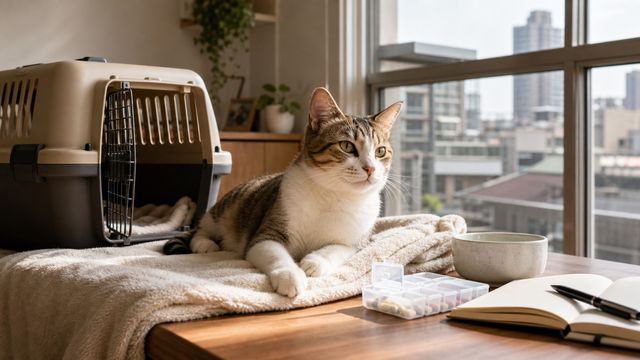
For many cats, stress begins to build the moment the carrier suddenly appears. It's beneficial to keep the carrier in a regular spot at home, lined with a familiar blanket, allowing the cat to perceive it as a safe space rather than something associated only with vet visits. In smaller urban homes, consider carriers with top-loading or removable sections, which can make it easier for the vet to examine the cat without forceful extraction.
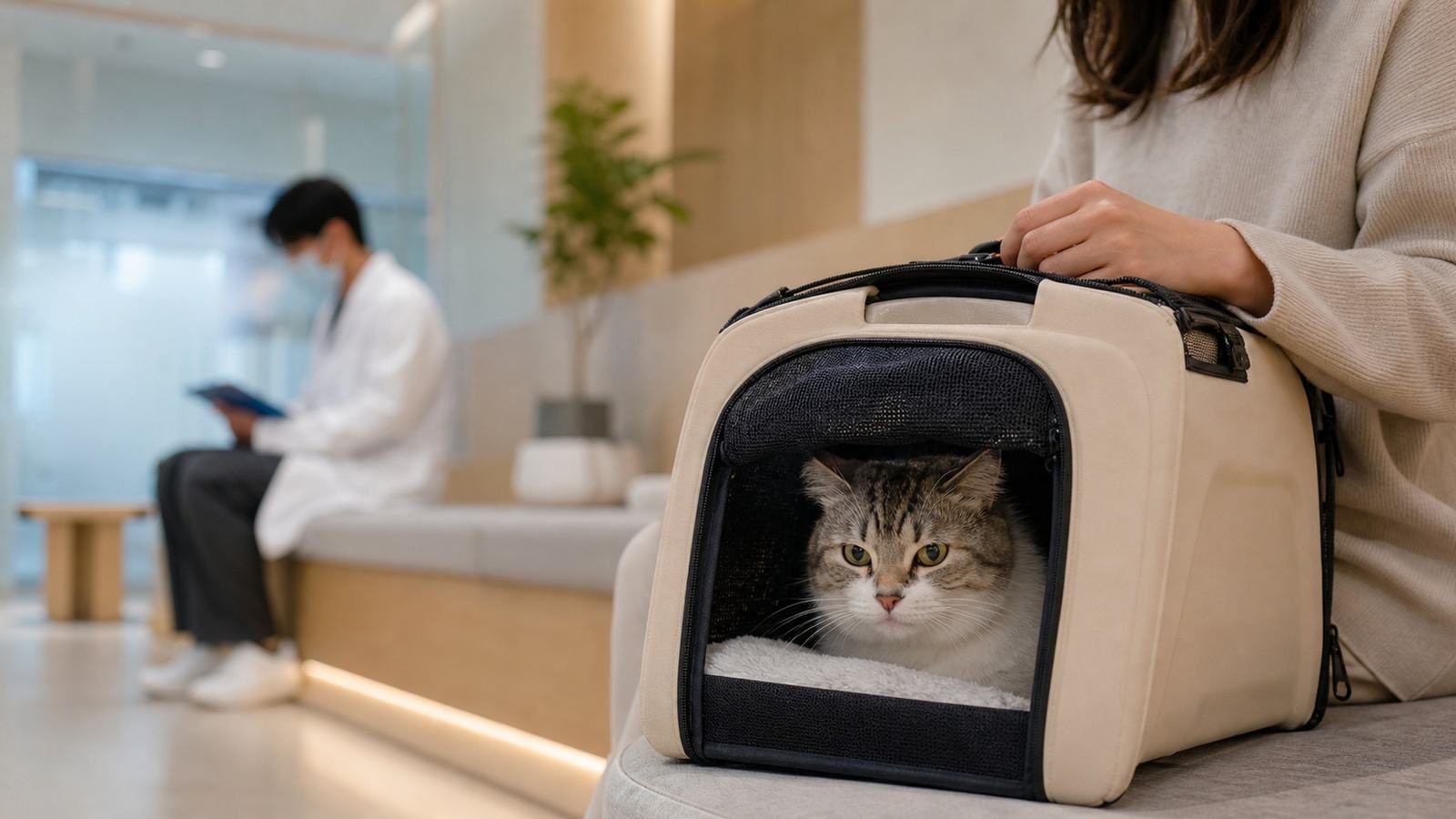
Before leaving, place a cloth with familiar scents from home inside the carrier and cover it with a jacket or thin blanket to reduce visual stimuli during travel. Upon arrival, inquire with the reception desk about arrangements for a cat-specific waiting area or waiting in the car to minimize proximity to dogs or unfamiliar people. While these preparations won't replace necessary cat sedation, they can reduce visit-related stress and help the vet better determine if medication is truly needed.
Post-Visit Care: Monitoring Alertness, Appetite, and Warning Signs
If your cat has received sedation or tranquilizers, allow them to rest in a quiet, warm, dimly lit area upon returning home. Avoid immediate bathing, playing with feather wands, or allowing them to jump from heights. Slight unsteadiness, drowsiness, or slowed reactions in the short term might be due to lingering medication effects. Owners should follow the veterinarian's instructions for providing water and food and avoid self-administering additional doses or changing the medication schedule.
Particular attention should be paid to signs like persistent lethargy and unresponsiveness, very rapid or slow breathing, abnormal gum color, repeated vomiting, or refusal to eat or drink beyond the timeframe specified by the vet. In such cases, contact the clinic immediately. If the cat is simply hiding to rest, minimize disturbances and monitor for gradual improvement in alertness, urination, defecation, and appetite. It's also advisable to record your cat's reactions after each sedation to provide to the vet for future reference.
FAQ
Here are some frequently asked questions to help you prepare before booking an appointment. Actual medication should always be determined by a veterinarian based on the cat's condition; purchasing or using medication prescribed for another cat is not recommended.
Q1: Is cat sedation the same as anesthesia?
Not exactly. Sedation typically reduces nervousness, activity, and responsiveness, while anesthesia may involve deeper levels of consciousness and pain control. The actual differences depend on the medication, dosage, examination procedures, and monitoring methods.
Q2: Can I give my cat human sedatives at home beforehand?
This is not recommended. Human medications can be dangerous for cats, and dosages cannot be simply calculated based on weight. If your cat experiences significant stress during vet visits, consult your veterinarian for an assessment and appropriate pre-visit medication.
Q3: Does my cat need sedation for every vet visit?
Not necessarily. Some cats become less anxious after carrier training, low-stress waiting periods, and consistent visits to the same clinic. Whether cat sedation is needed should be re-evaluated for each examination and based on the cat's physical condition.
Q4: How long does it take for a cat to recover after sedation?
Recovery time varies depending on the type of medication, age, liver and kidney function, and the examination process. Generally, follow the at-home care instructions provided by your veterinarian. Avoid comparing your cat's recovery time to "someone else's cat."
Conclusion: Reduce Vet Visit Stress by Starting with Daily Preparations
Cat sedation is not inherently bad, nor is it the standard answer for every vet visit. What's truly important is providing the veterinarian with complete information to choose the safest and least stressful examination method for your cat. Regularly preparing a sturdy, clean carrier, familiar bedding, a warm blanket, comfort toys, and suitable cat supplies can also make visits before and after smoother. If you're looking to stock up on carriers and care items for your cat, you can start by browsing the cat supplies at CatGarden.
Further Reading
- Is it Normal for a Cat to Be Lethargic After Vaccination? Look for Side Effects, Observation Times, and Warning Signs
- Choosing Between Cat Vaccines: 3-in-1, 4-in-1, or 5-in-1? Understand Risks and Records Before Boarding
- Your Cat Seems Healthy, But Why Is a Pre-Surgery Check-up Necessary Before Spaying/Neutering or Dental Cleaning?
CatGarden offers curated supplies, cat boarding, and grooming
Book services or shop online.