Pre-Surgery Check-ups for Cats: Why They're Essential Even If Your Cat Seems Healthy
Your cat appears perfectly fine, so why is a pre-surgery check-up necessary? Many cats hide discomfort well, and early signs of kidney, liver, heart, or blood pressure issues might not be apparent in their energy levels or appetite. A pre-surgery check-up isn't about complicating minor procedures; it's about identifying potential risks before anesthesia.
Key takeaways
- Cats are very stoic animals. Early signs of kidney, liver, heart, or blood pressure issues may not be apparent in their energy levels or appetite, so a normal appearance still requires pre-operative examination.
- Procedures like neutering/spaying, dental cleaning, and mass removal often require sedation or general anesthesia. Anesthetic drugs are metabolized by the body and affect breathing, blood pressure, body temperature, and heart rate. Pre-operative exams help assess anesthetic suitability, the need for medication or fluid adjustments, or if surgery should be postponed.
- Common pre-operative exams include a physical examination (heart rate, respiration, temperature, oral cavity, abdominal palpation), blood count (anemia, infection, inflammation, clotting risk), and blood chemistry (liver/kidney function, blood sugar, protein, electrolytes), along with imaging (chest/abdomen), cardiac, and blood pressure tests as indicated.
- Normal blood test results do not guarantee zero anesthetic risk. Blood tests cannot replace echocardiograms, blood pressure measurements, chest imaging, or real-time monitoring during anesthesia. Heart rate, respiration, blood oxygen, blood pressure, and body temperature still need to be monitored during surgery.
- Cats with heart murmurs, rapid or difficult breathing, a history of fainting, sudden hind limb weakness, hyperthyroidism, kidney disease, hypertension, or diabetes, as well as senior cats, require additional tests such as echocardiograms, electrocardiograms, blood pressure measurements, or chest X-rays.
Your Cat Seems Fine, So Why Is a Pre-Surgery Check-up Necessary?
Many cats eat, drink, play, and use the litter box normally, leading owners to think, "It's just a spay or dental cleaning, no need to worry too much." However, cats are masters at enduring discomfort. Early kidney, liver, heart, or blood pressure problems may not initially manifest in their energy levels or appetite. The purpose of a pre-surgery check-up isn't to complicate minor procedures but to identify clues that could affect risk before anesthesia.
Procedures like spaying, dental cleaning, and tumor removal often require sedation or general anesthesia. Anesthetic drugs are metabolized by the body and can affect breathing, blood pressure, body temperature, and heart rate. A pre-surgery check-up helps the veterinarian assess if your cat is currently fit for anesthesia, if medication adjustments or fluid therapy are needed, or if it's advisable to postpone the surgery to address other issues first.
What Is Typically Checked Before Spaying, Dental Cleaning, or Tumor Removal?
The most basic assessment usually begins with a history and physical examination. The veterinarian will inquire about your cat's age, weight changes, appetite, water intake, urination and defecation habits, past medical history, medication records, and any previous anesthesia experiences. This is followed by listening to the heart and lungs, palpating the abdomen, checking oral mucous membranes, assessing hydration status, temperature, and looking for signs of pain.
Blood draws are common pre-surgery tests, typically including a complete blood count (CBC) and serum biochemistry. A CBC helps evaluate for anemia, infection, inflammation, or platelet abnormalities. Biochemistry tests are used to monitor liver and kidney values, blood sugar, protein levels, and electrolytes. For dental cleanings, more comprehensive blood work and imaging might be necessary due to potential periodontal infections, the need for extractions, or if the cat is older.
Common Checklist of Tests
- Physical Examination: Heart rate, respiratory rate, temperature, oral exam, abdominal palpation, and overall demeanor.
- Complete Blood Count (CBC): Evaluates for anemia, infection, inflammation, and risks related to blood clotting.
- Serum Biochemistry: Monitors liver and kidney function, blood sugar, protein levels, and electrolytes.
- Thoracic or Abdominal Imaging: Arranged based on age, medical history, tumor location, or the veterinarian's judgment.
- Cardiac and Blood Pressure Evaluation: Performed for high-risk cats to refine anesthesia planning.
Does Normal Blood Work Guarantee Safe Anesthesia?
Normal blood work is good news, but it doesn't mean anesthesia is "absolutely" risk-free. Blood tests primarily reflect the function of certain organs and blood status; they cannot fully replace cardiac ultrasound, blood pressure measurements, thoracic imaging, or real-time monitoring during anesthesia. A pre-surgery check-up is more about risk stratification, helping the veterinarian determine how to minimize risks, rather than guaranteeing that no complications will occur.
Anesthesia safety is also related to the cat's age, physical condition, underlying diseases, stress levels, surgery duration, temperature regulation, fluid therapy, pain management, and anesthetic monitoring. Even with normal pre-operative results, vital signs like heart rate, respiration, oxygen saturation, blood pressure, and body temperature need to be monitored during the procedure. You can view blood work as an important first step, but don't rely on it as the sole basis for decision-making.
Which Cats More Strongly Benefit from Additional Cardiac, Blood Pressure, or Imaging Tests?
Older cats generally benefit more from a comprehensive pre-surgery workup. Many domestic cats in urban environments may not have high activity levels, and owners might notice weight loss, increased thirst, or breathing difficulties later. If your cat is mature or elderly, or has recently experienced decreased appetite, weight loss, vomiting, or changes in urination, it's not advisable to judge their health solely by their outward appearance.
Cats with heart murmurs, rapid breathing, shortness of breath, a history of fainting, sudden hind limb weakness, hyperthyroidism, kidney disease, high blood pressure, or diabetes also require further evaluation. Some cats with heart conditions may appear normal during routine check-ups but can develop problems under anesthesia or stress. In such cases, the veterinarian might recommend an echocardiogram, electrocardiogram (ECG), blood pressure measurement, or chest X-rays to tailor the anesthetic drug choices and monitoring plan to their specific condition.
What Special Considerations Are Needed Before Tumor Removal?
For tumor removals, pre-operative assessment goes beyond anesthesia suitability; it also considers the tumor's location, size, growth rate, and whether it might affect the extent of the surgery. The veterinarian may suggest fine-needle aspiration, biopsy, thoracic imaging, or abdominal ultrasound to confirm if the surgical plan needs adjustment. While not every cat requires these tests, if a tumor is growing rapidly, is ulcerated, bleeding, or in a sensitive location, a thorough discussion is warranted.
You can also prepare by documenting with photos, noting the date of discovery and changes in size. If your cat has been seen at other veterinary clinics, bring along previous test results, medication records, and imaging data. The more complete the information, the better the veterinarian can determine the necessary extent of pre-operative testing, avoiding redundant tests and ensuring no critical risks are overlooked.
What to Prepare at Home Before Surgery: Fasting, Medications, and Medical Records Checklist
The most crucial step before surgery or dental cleaning is to follow the hospital's instructions regarding fasting and water restriction. Fasting times can vary depending on age, health status, and the anesthesia plan. Kittens, diabetic cats, or debilitated cats should not follow general online advice. If unsure, always confirm directly with the veterinary hospital where the appointment is scheduled. Especially in Taiwan's hot and humid summers, ensure good ventilation and cooling inside the carrier before heading out.
Regarding medications, do not stop or adjust doses on your own. Heart medications, kidney medications, thyroid medications, insulin, pain relievers, and supplements should all be disclosed to the veterinarian before surgery. They will determine if they should be administered as usual on the day of the procedure. If your cat is prone to anxiety, motion sickness, or has difficulty entering a carrier, ask in advance about pre-sedation medication or in-clinic calming options.
Recommended Documents to Bring to the Hospital
- Previous Test Results: Blood work, urinalysis, X-rays, ultrasound, or cardiac exam reports.
- Current Medication List: Including prescription drugs, supplements, topical treatments, and recently used pain relievers.
- Daily Observations: Records of appetite, water intake, urine output, weight, vomiting, coughing, or shortness of breath.
- Anesthesia History: Any adverse reactions after previous spaying, dental procedures, surgeries, or sedation.
- Tumor Photos: If a tumor is to be removed, provide photos showing its location, size, and changes over time.
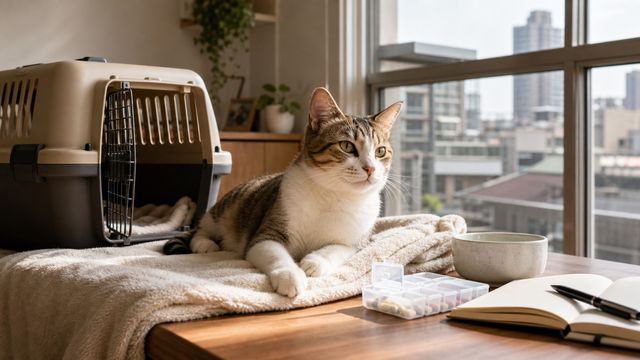
The day before surgery, it's also recommended to prepare the carrier, pee pads, and a familiar blanket. If your cat is not accustomed to a carrier, you can place it open in the house a few days in advance, allowing them to enter and exit freely. This can help reduce stress on the day of the appointment. Lower stress levels generally lead to smoother examinations and pre-anesthesia assessments.
FAQ
Q1: Does a young cat need a pre-surgery check-up for spaying?
A basic physical examination is recommended at a minimum. Whether blood work is necessary depends on the hospital's protocol, the cat's age, and health status. Being young doesn't completely rule out congenital heart, kidney, or clotting issues. If budget is a concern, discuss the most essential and beneficial tests with your veterinarian.
Q2: Does dental cleaning for cats always require anesthesia?
A thorough dental examination, cleaning, periodontal probing, and assessment for extractions typically require general anesthesia for safe and complete execution. "Cleanings" performed on a conscious cat may only address surface tartar and cannot fully evaluate problems below the gum line. If you are concerned about anesthesia, discuss pre-operative testing and monitoring methods rather than solely seeking a non-anesthetic option.
Q3: How long is pre-operative blood work valid?
This varies by veterinary hospital and is adjusted based on the cat's age and medical history. Younger, healthier cats might have recent results accepted, while older or chronically ill cats may require tests closer to the surgery date. If your cat's appetite, weight, or water intake has changed recently, even if previous blood work was normal, re-evaluation is recommended.
Q4: If abnormalities are found during pre-operative checks, must the surgery be canceled?
Not necessarily. Minor abnormalities might only require adjustments to anesthetic drugs, fluid therapy, pain management plans, or intra-operative monitoring. More significant abnormalities might lead to a recommendation to postpone surgery and address the issue first or conduct further tests. The goal is to provide the veterinarian with sufficient information for decision-making, rather than proceeding with anesthesia under unknown risks.
Post-Surgery Home Care: Don't Forget the Follow-Up
Pre-operative checks help clarify anesthesia risks for your cat, while post-operative care ensures a smoother recovery. At home, prepare low-dust cat litter, easy-to-clean bedding, carrier liners, alternative Elizabethan collars, and palatable food to minimize wound contamination and stress. CatGarden offers a variety of daily cat supplies suitable for Taiwanese households, allowing you to choose based on your cat's age, constitution, and post-operative needs, making care before and after vet visits more manageable.
Further Reading
CatGarden offers curated supplies, cat boarding, and grooming
Book services or shop online.