Cat Lethargic After Vaccination: Understanding Side Effects, Observation Periods, and When to Seek Veterinary Care
Is it normal for a cat to be lethargic after vaccination? How long do common reactions typically last? Lethargy, reduced appetite, and increased sleepiness after vaccination are usually normal side effects. These reactions typically appear within 24 hours and resolve within 1-2 days.
Key takeaways
- It's common for cats to be quiet, sleepy, and have a slightly reduced appetite after vaccination. These reactions typically appear within 24 hours and resolve within 1-2 days.
- If your cat remains significantly weak after 48 hours or their condition worsens, it's not advisable to continue observing at home.
- Seek immediate veterinary attention if your cat experiences rapid breathing, facial swelling, persistent vomiting, severe diarrhea, inability to stand, or pale gums. These are not typical vaccine reactions.
- Temporary pain, mild swelling, or tenderness at the injection site are possible and usually improve within a few days. Avoid vigorous massage or hot compresses on the injection area to prevent further irritation.
- It's generally not recommended to schedule boarding, grooming, or long-distance travel immediately after vaccination. The 1-2 days post-vaccination are crucial for observing reactions, and environmental changes or stress can affect appetite and energy levels.
Cat Lethargic After Vaccination: How Long Are Common Reactions Typical?
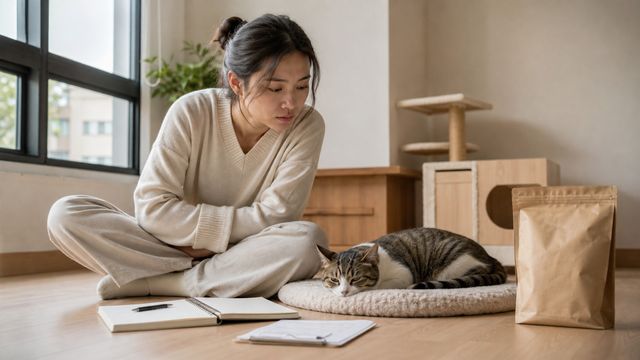
When a cat becomes quieter, sleeps more, or has a slightly reduced appetite after vaccination, these are usually common vaccine reactions. Most reactions appear within 24 hours of inoculation and gradually resolve within 1 to 2 days. Owners can monitor their cat's energy levels, appetite, water intake, and elimination habits. There's no need to panic immediately if your cat hides.
However, "lethargy" needs to be assessed by its severity. If your cat is simply sleeping more and has reduced activity, but still responds when called, drinks water, or eats a small amount, you can usually observe them quietly at home. If they remain significantly weak after 48 hours, or their condition worsens, it's not advisable to wait further.
Common Vaccine Side Effects: Observing Appetite, Energy, and Injection Sites
Common vaccine reactions include mild drowsiness, decreased appetite, a slight increase in body temperature, or becoming more clingy or reclusive than usual. These reactions are related to the immune system building protection and are typically short-lived. In Taiwan's hot and humid summers, cats may naturally be more sluggish, so it's important to compare their current state to their usual behavior.
The injection site also requires attention. Some cats may experience temporary pain, mild swelling, or dislike being touched at the injection site, which usually improves within a few days. Avoid forcefully massaging or applying heat to the injection site, as this can irritate the local tissues.
Recommended Observation Items at Home
- Energy Level: Do they still respond to calls, move around, or use the litter box?
- Appetite: Are they refusing to eat entirely, or just eating less than usual?
- Water Intake: Are they drinking water to prevent dehydration?
- Injection Site: Is it red, swollen, growing larger, discharging pus, or increasingly painful?
When Waiting Isn't the Answer: Red Flags Requiring Immediate Veterinary Contact
If your cat exhibits rapid breathing, facial swelling, persistent vomiting, severe diarrhea, is too weak to stand, or has very pale gums, contact your veterinarian immediately. These conditions should not be treated as ordinary vaccine reactions. Be especially vigilant if symptoms suddenly worsen shortly after vaccination.
Additionally, if your cat completely stops eating or drinking for over a day, has a persistent fever, or the swelling at the injection site continues to grow, it's recommended to schedule a follow-up appointment. Kittens, senior cats, cats with chronic illnesses, or those who have had significant reactions to vaccines in the past require prior discussion with your veterinarian. Observation isn't about ignoring the situation, but about using clear timelines and symptoms to determine if veterinary care is needed.
Is it Okay to Get Vaccinated Right Before Boarding or Grooming? Consider Stress and Records Together
If your cat has recently been vaccinated, it's generally not recommended to arrange boarding, grooming, or long-distance travel immediately afterward. The 1 to 2 days following vaccination are crucial for observing vaccine reactions. Environmental changes, bathing and blow-drying, unfamiliar scents, and the sounds of other cats can all increase stress. For more sensitive cats, stress itself can affect their appetite and energy levels.
If boarding or grooming is a scheduled event, it's advisable to inform the facility in advance about the vaccination date, type of vaccine, and your cat's current condition. A more ideal approach is to ensure your cat's energy and appetite are stable after vaccination before arranging any services that require them to go out. If your cat is already lethargic on the day of the appointment, prioritize consulting your veterinarian rather than forcing the schedule.
How to Store Vaccination Records: Useful for Future Vet Visits, Boarding, and Insurance
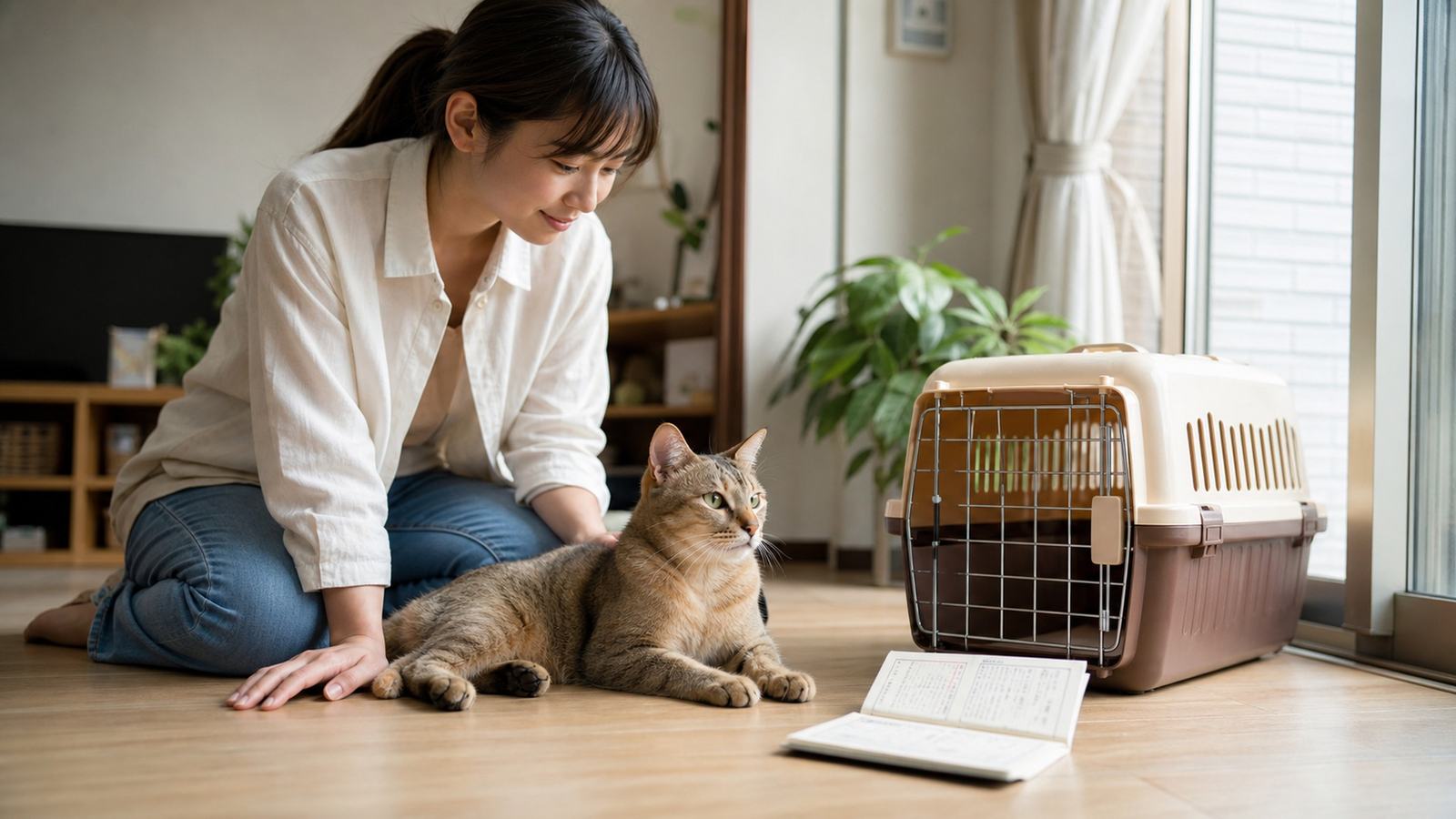
Vaccination records are more than just a small booklet; they can be useful for future vet visits, boarding, grooming, and insurance claims. It's recommended to keep the physical vaccination booklet and also take photos as backups. This information should include the vaccination date, vaccine brand, batch number, veterinary clinic name, and the next recommended vaccination date. This information can help veterinarians determine if a reaction might be related to the vaccine.
If your cat experienced significant discomfort after a previous vaccination, you can add notes about the symptoms and recovery time next to the record. For example, "Drowsy after vaccination, appetite returned the next day" or "Swelling at injection site resolved in about a week." Providing this information to your veterinarian before the next vaccination will be more helpful than simply saying, "They seemed a bit unwell last time."
FAQ
Is it okay to let my cat sleep if they are lethargic after vaccination?
Yes. If they are just drowsy and have reduced activity, but still respond, are willing to drink water, or eat a small amount, it's generally okay to let them rest in a quiet environment. These types of vaccine reactions usually improve within 1 to 2 days.
What should I do if my cat completely refuses to eat after vaccination?
If they only miss one meal, you can observe them and offer familiar, strongly scented food. If they completely refuse to eat or drink for nearly or more than 24 hours, or if accompanied by vomiting, weakness, or fever, it's recommended to contact your veterinarian immediately.
Is a small lump at the injection site normal?
Mild swelling or sensitivity to touch can sometimes occur, but it should gradually decrease. If the lump continues to grow, harden, is significantly painful, discharges pus, or doesn't improve after several weeks, a veterinary examination should be arranged.
Can I bathe or groom my cat on the day of vaccination?
It is not recommended. On the day of vaccination and for the following 1 to 2 days, it's best to let your cat rest and observe for vaccine reactions. Bathing, grooming, and going out can all increase stress. It's recommended to wait until their energy and appetite are stable before scheduling these activities.
Before Boarding, Ensure Their Health Status is Confirmed
If you have upcoming business trips, family visits, or home renovations that require arranging cat boarding, it's recommended to first confirm complete vaccination records and avoid the observation period immediately after vaccination. Cat Garden Cattery prioritizes health and record confirmation before check-in. They also remind owners to pay attention to energy levels, appetite, and recent veterinary visits, ensuring the cat checks in under stable conditions, allowing caregivers to better understand their daily variations.
Before booking, you can organize photos of the vaccination booklet, recent health status, and dietary habits to ensure a smoother boarding experience.
Further Reading
- Cat Vaccines: Choosing Between 3-in-1, 4-in-1, and 5-in-1 - Risks and Records Before Boarding
- Why Does a Healthy-Looking Cat Need Pre-Anesthesia Checkups Before Spaying/Neutering or Dental Cleaning?
- Is Pet Insurance Necessary for Cats? Understanding Medical Costs, Chronic Conditions, and Claim Limits
CatGarden offers curated supplies, cat boarding, and grooming
Book services or shop online.