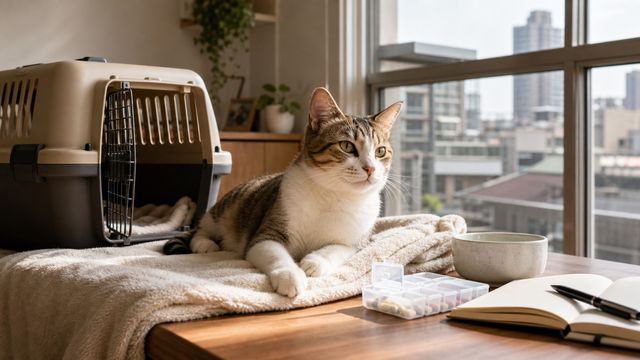
Choosing Between Feline 3-in-1, 4-in-1, and 5-in-1 Vaccines: Risks and Records Before Boarding
What's the difference between 3-in-1, 4-in-1, and 5-in-1 vaccines? First, understand their preventive scope. When owners research cat vaccines, they most commonly encounter the terms 3-in-1, 4-in-1, and 5-in-1. These names typically refer to "the number of major diseases a single injection protects against."
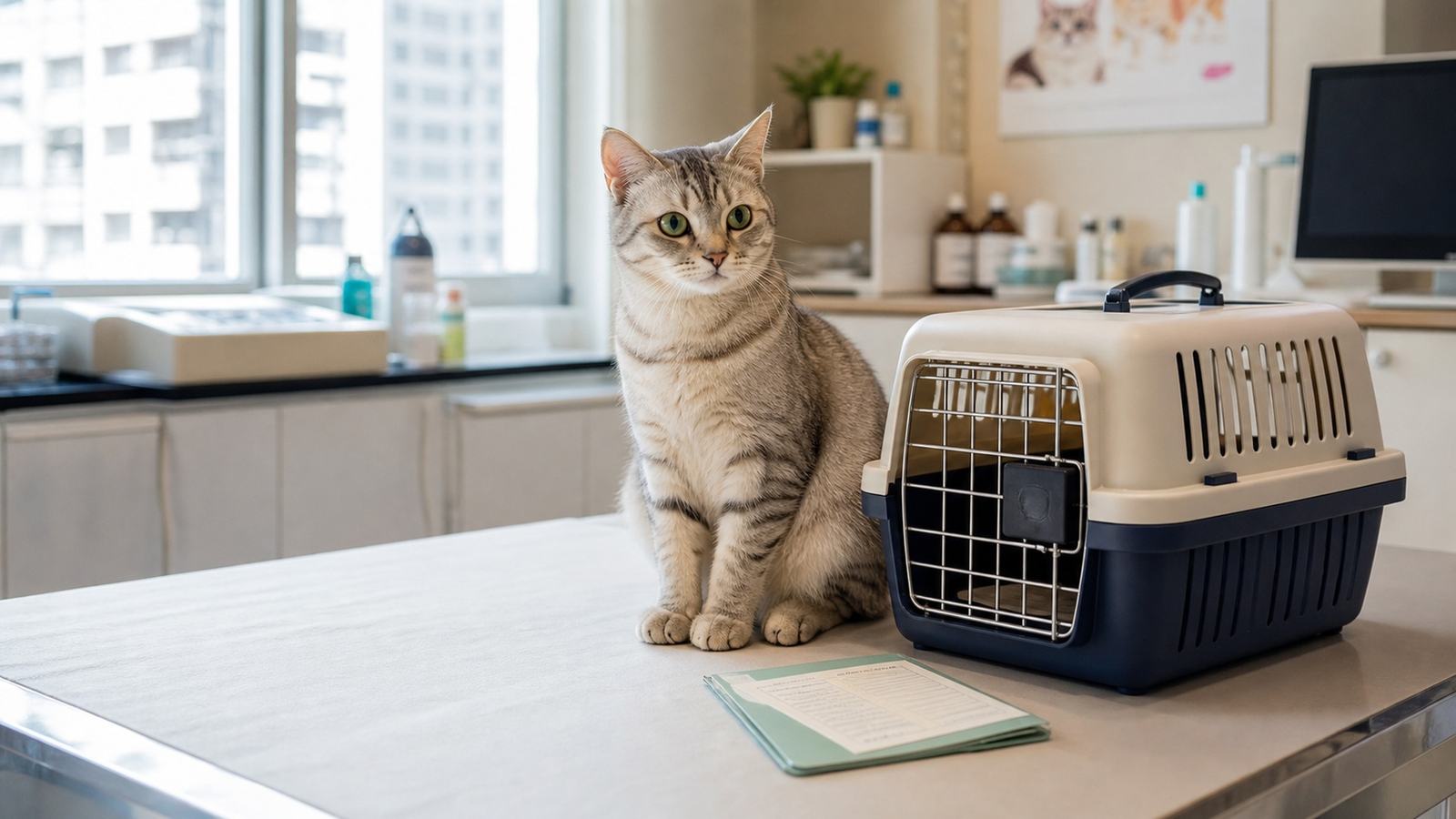
Key takeaways
- The FVRCP vaccine typically covers Feline Panleukopenia, Feline Herpesvirus, and Feline Calicivirus, forming the foundation for core feline vaccinations. Combination vaccines like 4-in-1 or 5-in-1 may also include Chlamydia and Feline Leukemia Virus.
- Choosing cat vaccines shouldn't solely depend on the 'number' of components. A veterinarian should assess the cat's age, health status, vaccination history, and lifestyle to determine the appropriate vaccines and booster frequency.
- High-risk situations include kittens not yet completing their primary immunization, introducing a new cat to a multi-cat household, cats that have been lost or gone outdoors, preparing for boarding, attending cat shows, or visiting grooming facilities. The common factor is an increased chance of exposure to unfamiliar cats and environments.
- Cat boarding facilities, groomers, or care centers often require confirmation of vaccination dates, types, and the veterinary clinic's name. Some places also mandate that vaccinations be within their effective period. It's recommended to check vaccination records at least a few weeks before boarding, rather than waiting until the last minute.
- After vaccination, some cats may experience temporary lethargy, decreased appetite, mild soreness at the injection site, or a low-grade fever, which usually resolves within one to two days. If facial or eye swelling, persistent vomiting, rapid breathing, severe weakness, fainting, or a continuously growing lump at the injection site occurs, contact your veterinarian immediately.
What's the Difference Between 3-in-1, 4-in-1, and 5-in-1 Vaccines? Understand the Preventive Scope First
When owners research cat vaccines, they most commonly encounter the terms 3-in-1, 4-in-1, and 5-in-1. These names typically refer to "the number of major diseases a single injection protects against," but the vaccine combinations used by different brands and veterinary clinics may vary slightly. Before administering, it's recommended to ask your veterinarian directly which vaccine they use and which diseases it prevents.
Generally, 3-in-1 vaccines often cover feline distemper, feline herpesvirus, and feline calicivirus, which are considered the essential foundation for core feline vaccines. 4-in-1 and 5-in-1 vaccines may add components like Chlamydia felis or Feline Leukemia Virus, but not every cat necessarily needs them. When choosing, don't just look at the "number of components"; instead, consider your cat's living environment, opportunities for going outdoors, and risk of infection.
Understand Core vs. Non-Core Vaccines Separately
Core vaccines are typically basic protections recommended for most cats in consultation with a veterinarian, as the related diseases are highly contagious and can have severe impacts. Non-core vaccines are assessed based on whether the cat goes outdoors, interacts with unfamiliar cats, or lives in a multi-cat environment. This is why, even for cat vaccines, some cats only need a basic plan, while others require a more comprehensive schedule.
Are More Cat Vaccines Always Better? Consider Risk Groups Individually
More vaccines aren't necessarily better, nor is avoiding them entirely safer. A more reasonable approach is to first have your veterinarian assess the cat's age, health status, vaccination history, and lifestyle, and then decide which vaccines to administer and how often to give boosters. This is especially important for cats that have had significant reactions to vaccines in the past, have chronic illnesses, or have unstable immune systems.
If a cat lives exclusively indoors, has no contact with new cats, and rarely goes outside, their vaccination plan will typically differ from cats that go outdoors, board, visit groomers, or live in multi-cat households. Many households in Taiwanese urban areas are small indoor spaces. If a new cat is added to the home or if the cat needs short-term boarding, the risk of infection changes. In such cases, reviewing the cat's vaccination records is more important than simply sticking to the old routine.
High-Risk Scenarios Often Require Earlier Preparation
Common high-risk scenarios include kittens who haven't completed their basic immunization, the addition of a new member to a multi-cat household, a cat that has previously gotten lost or gone outdoors, preparation for boarding, or participation in cat shows or grooming appointments. The common factor in these situations is an increased chance of exposure to different environments and unfamiliar cats. If you only think about getting vaccines updated at the last minute, you might face issues like incomplete immunity development or the boarding facility's refusal.
Discussing Vaccines with Your Vet: Indoor Cats, Kittens, Adults, and Multi-Cat Households
Kittens typically need a series of basic vaccinations according to their age, as maternal antibodies gradually decline, and a single dose may not be sufficient. Owners can bring information about the kitten's origin, health records from adoption or purchase, and ask the veterinarian to confirm the upcoming schedule. If the records are incomplete, don't guess; it's safer to let the vet re-plan based on age and condition.
For adult cats, it depends on whether they have been vaccinated regularly in the past, when their last vaccination was, and whether their current lifestyle has changed. For indoor cats preparing to move, temporarily stay with friends or family, move into a cattery, or if a new cat is joining the household, it's recommended to check their vaccination records in advance. In multi-cat households, pay attention to the fact that each cat's schedule may differ; don't just remember one cat's dates.
Three Things to Prepare Before Your Vet Visit
Before discussing with your veterinarian, it's recommended to gather information on the cat's age, past vaccination booklets or hospital records, and any recent outdoor activities or contact with other cats. If your cat has previously experienced lethargy, facial swelling, vomiting, or rapid breathing after vaccination, be sure to inform your vet proactively. The more complete the information, the better your veterinarian can help you determine whether to maintain the original plan, postpone vaccination, or adjust the vaccine types.
What Vaccine Records to Prepare Before Boarding, Grooming, or Going Out
Many catteries, grooming salons, and care facilities require vaccination records. This isn't a mere formality but a measure to protect all cats staying or visiting. Commonly required information includes the vaccination date, vaccine type, and the name of the veterinary clinic. Some facilities also require that the vaccinations be within their validity period. If records are lost, it's best to contact the original veterinary clinic to obtain copies.
It's not recommended to vaccinate your cat at the last minute before boarding. Vaccines need time for the body to build immunity, and shortly after vaccination, there might be temporary changes in energy levels or appetite. If you plan to board your cat during holidays, festivals, or summer breaks, it's advisable to check their vaccination records at least a few weeks in advance. Taiwan's summers are humid and hot, and carriers, boarding environments, and stress from changes can make cats more sensitive. Allowing ample preparation time is better.
Checklist for Records Before Boarding
- Vaccination booklet or hospital certificate: Ensure vaccination dates, vaccine names, and clinic information are clearly legible.
- Recent health status: If the cat has a cough, sneeze, diarrhea, or decreased appetite, consult a vet before arranging boarding.
- Medical history: Includes chronic illnesses, medications, allergic reactions, and past adverse vaccine reactions.
- Reservation time: For popular holidays, it's recommended to arrange boarding and vaccine confirmations early.
What Reactions to Observe After Vaccination and When to Return to the Vet
After vaccination, some cats may experience temporary lethargy, decreased appetite, mild pain at the injection site, or a low-grade fever. These reactions usually subside within one to two days, but owners should continue to monitor their cat and avoid scheduling baths, long trips, or other stressful activities on the day of vaccination. Allow your cat to rest quietly at home, providing clean drinking water and a familiar environment.
If facial or eye swelling, persistent vomiting, rapid breathing, severe weakness, fainting, or significant abnormalities in energy or appetite persist beyond the observation period recommended by the veterinarian, contact the veterinary clinic immediately. If a lump at the injection site continues to enlarge or doesn't resolve for an extended period, a follow-up visit is necessary. Record any reactions after each feline vaccination to provide to your veterinarian for reference during future visits.
A Few Reminders for Vaccination Day
It's best to choose a day for vaccination when you have time to observe your cat. Avoid scheduling it the day before a trip or boarding. After returning home, don't rush to change food, bathe, or schedule grooming. Allow your cat a period of stable recovery. If you have multiple cats at home, you can temporarily let the recently vaccinated cat rest separately to reduce chasing, stress, and mutual interference.
FAQ
Q1: Do indoor cats still need cat vaccinations?
Most indoor cats are still recommended to discuss a basic vaccination plan with their veterinarian, as viruses can pose risks through environmental contact, objects, or veterinary visits. However, the specific vaccines needed and the frequency of boosters will be adjusted based on the cat's age, health status, and lifestyle.
Q2: Can I choose between 3-in-1, 4-in-1, and 5-in-1 vaccines myself?
It's not recommended to make decisions solely based on online information. Different vaccines cover different ranges, and each cat has unique risks. It's best to consult your veterinarian with your cat's vaccination records and lifestyle context for an assessment.
Q3: How long before boarding a cat should I confirm vaccinations?
It's recommended to confirm at least a few weeks in advance, especially before holidays, festivals, or summer breaks. If booster shots are needed, allow time for the body to build immunity and for observation of potential side effects.
Q4: Can I bathe or groom my cat immediately after vaccination?
It's generally not recommended to schedule them on the same day. Cats may experience temporary fatigue or decreased appetite after vaccination. Bathing, grooming, and going out can increase stress. Consult your veterinarian and groomer regarding scheduling.
Q5: What if I lost my cat's vaccination booklet?
You can contact the veterinary clinic where the vaccinations were administered to inquire about obtaining a replacement record or vaccination details. If the records cannot be found at all, have your veterinarian re-evaluate the cat's situation. Do not fill in dates or guess yourself.
Prepare Your Vaccination Records Before Boarding
For your cat to stay comfortably, in addition to a clean environment and attentive care, complete health records are also crucial. CatGarden Cattery assists in confirming basic information and care needs before check-in, allowing each cat to adapt to the environment at a suitable pace. If you are planning a business trip, vacation, or home renovation, it's recommended to check vaccination records, medication, and dietary habits in advance, and then book suitable boarding dates. This will minimize sudden changes for your cat and provide more stability.
Further Reading
- My Cat Looks Healthy, Why Do They Still Need a Pre-Anesthesia Check-up Before Spaying or Dental Cleaning?
- Is Cat Pet Insurance Necessary? Consider Medical Costs, Chronic Illnesses, and Claim Limits
- Can AIM Treat Feline Kidney Disease? Distinguish Between Research Progress, Supplements, and Daily Care
CatGarden offers curated supplies, cat boarding, and grooming
Book services or shop online.