Cat Suddenly Becomes Aggressive or Hides: It Might Be an Early Sign of Pain or Illness, Not Just Bad Temper
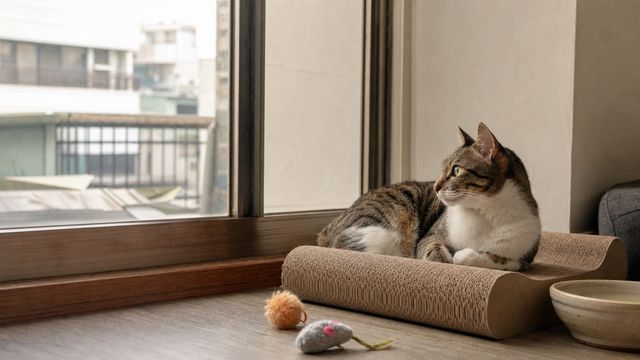
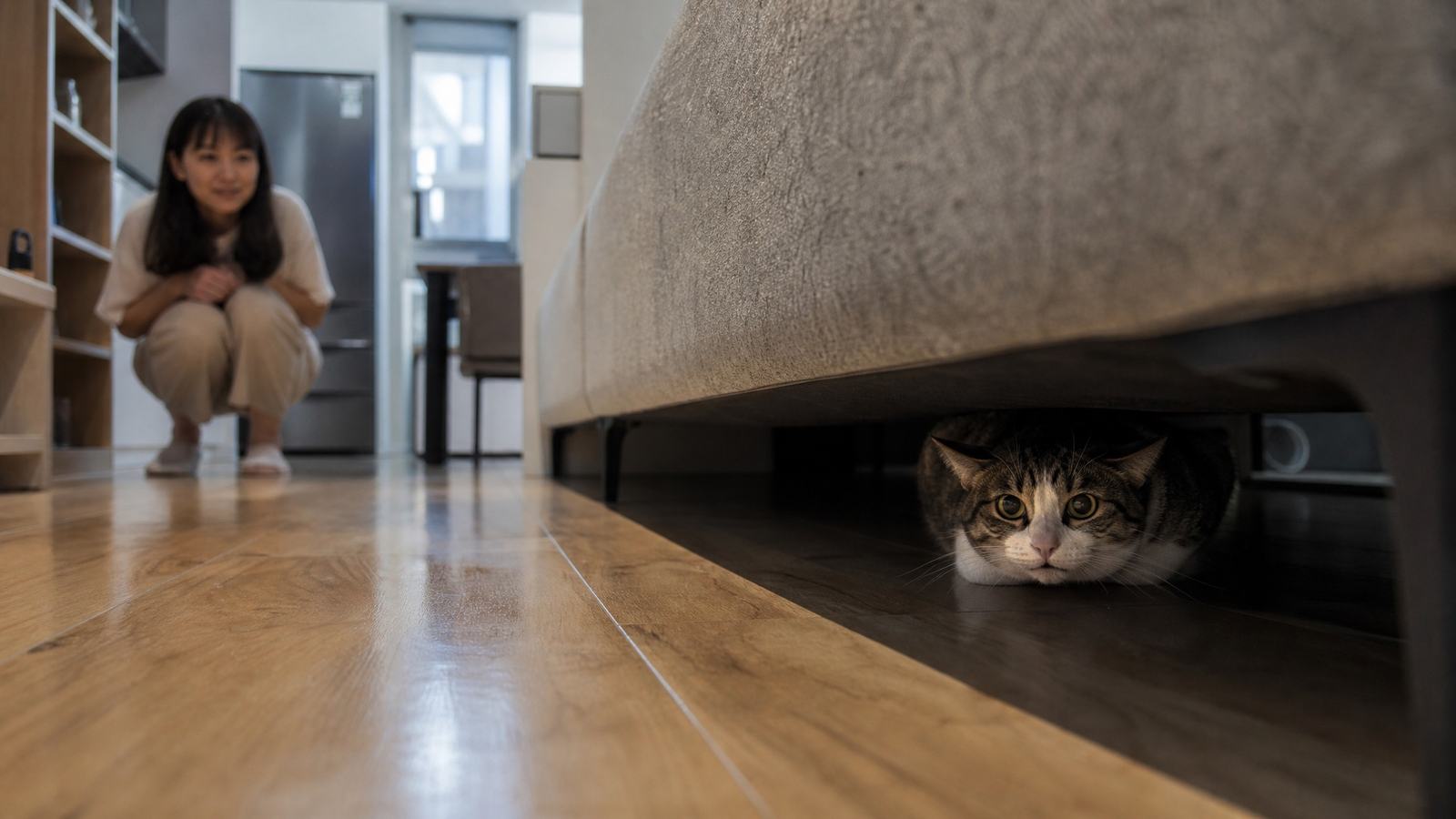
A cat suddenly becomes aggressive or hides. Why is it often not just a behavioral issue? Many owners notice that a once-affectionate cat suddenly becomes unapproachable, hisses, or hides under the bed or in a closet. This change might seem like a "bad temper," but for cats, it's more commonly a sign of discomfort or illness.
Key takeaways
- A cat suddenly becoming aggressive or hiding often indicates discomfort, not a change in mood. Cats naturally conceal vulnerability, so changes in interaction patterns, rather than vocalizations, are usually the first signs of distress.
- Seven common behavioral changes associated with feline pain include: sudden hiding, increased irritability or aggression, decreased activity levels, changes in grooming habits, reduced appetite, abnormal litter box behavior, and altered posture (curling up, hunching, tail tucking, or stiffness). If two or three of these occur simultaneously, it warrants increased vigilance.
- The top three physical issues that most commonly manifest as changes in temperament and interaction are: oral and dental problems (tartar, gingivitis, stomatitis), joint and musculoskeletal discomfort, and urinary tract issues. For male cats, the inability to urinate, straining, and lethargy are emergencies that require immediate attention.
- If you suspect your cat is unwell, it's recommended to first record changes in their diet, water intake, urination, defecation, activity levels, and sleeping locations over 24 to 72 hours. Using your phone to capture their gait, litter box habits, or any abnormal vocalizations is more helpful than a verbal description.
- If your cat stops eating for more than a day, vomits repeatedly, is very lethargic, breathes rapidly, reacts severely to touch, or suddenly cannot walk normally, seek veterinary care immediately. Never administer human painkillers, as many common human medications are toxic to cats.
Cat Suddenly Becomes Aggressive or Hides: Why It's Often Not Just a Behavioral Issue
Many owners notice that a once-affectionate cat suddenly becomes unapproachable, hisses, or hides under the bed or in a closet. This change might seem like a "bad temper," but for cats, the more common reason is actually discomfort or a physical abnormality. Because cats naturally hide their vulnerability, when they feel unwell, the first sign is often not a cry of pain, but a change in their interaction style.
Especially in the limited living spaces of urban Taiwanese homes, where cats have restricted activity areas and owners see them at fixed times daily, it's easier to overlook those "slightly odd but still eating" early signals. In reality, cat pain often manifests quietly, such as a sudden reluctance to jump high, an unwillingness to be held, or simply hiding away silently. If you dismiss these as just a bad mood, you might miss the golden window for intervention.
Another common misconception is to completely separate behavioral problems from health issues. In reality, many changes that appear to be emotional, aggressive, or fear-based can actually be linked to dental pain, joint discomfort, urinary tract issues, or gastrointestinal upset. When a cat starts avoiding even the people it trusts most, the first thought shouldn't be "Is it becoming meaner?" but rather "Is it in pain?"
If your cat has recently changed its routine, interactions, or temperament, don't rush to blame it. Re-observing from the perspective of cat pain will often lead you to the true cause and help prevent a physical warning sign from escalating into a bigger health problem.
7 Common Behavioral Changes When Cats Are in Pain
Cats can't directly tell us where they hurt, so owners need to pay close attention to "anything different from usual." Some changes are obvious, while others are subtle, appearing like personality shifts. The following 7 signs are all potentially related to cat pain:
- Sudden Hiding: A cat that used to accompany people or come out for pets now frequently hides in corners or high places, wanting to be left alone.
- Becoming Irritable or Aggressive: Hissing or swatting when touched in certain areas, or even resisting approach.
- Decreased Activity: Reluctance to jump onto platforms, use cat trees, walking slower, or sleeping more than usual.
- Changes in Grooming Habits: May be unable to groom properly due to pain, or may repeatedly lick a specific area due to localized discomfort.
- Decreased Appetite: Especially when experiencing oral, dental, or gastrointestinal discomfort, they may eat less, eat very slowly, or even just sniff and walk away.
- Abnormal Litter Box Behavior: Increased frequency of entering/exiting the litter box, prolonged squatting, vocalizing more, or deliberately avoiding the litter box.
- Altered Posture: Curling up, hunching the back, tucking the tail tightly, or appearing noticeably stiff when resting.
These changes don't necessarily appear all at once, but if two or three occur simultaneously, it warrants increased vigilance. Especially the situation of "getting angry when touched" is often not due to a bad temper, but because a painful spot is being stimulated. If owners force petting or holding, it will only make the cat more anxious and resistant to interaction.
Furthermore, older cats and naturally quiet cats are more likely to have their discomfort underestimated. They aren't fine; they just have a high tolerance. When you start suspecting cat pain, it usually means they have been uncomfortable for some time.
Which Physical Problems Most Commonly Manifest as Changes in Temperament and Interaction First?
The first common category is oral and dental problems, such as tartar buildup, gingivitis, and stomatitis. These conditions make eating painful and cause sensitivity when the face is approached. Owners might only notice the cat doesn't want its head touched or has a decreased appetite, without realizing the root cause is in its mouth. If accompanied by drooling, bad breath, or chewing on one side, pay even closer attention.
The second category is joint and musculoskeletal discomfort. Many senior cats aren't "too old to play"; they experience pain when jumping, turning, or going up and down stairs. They may consequently become unwilling to be held or dislike being moved, leading them to be mistaken for having a bad temper over time. This type of cat pain can sometimes be more apparent in winter, during humid rainy seasons, or in air-conditioned rooms.
The third category that cannot be overlooked is urinary tract problems. If a cat frequently visits the litter box, urinates very little, squats for a long time, or suddenly urinates outside the box, it's often not intentional misbehavior but discomfort during urination. Especially if male cats show signs of being unable to urinate, straining constantly, and becoming lethargic, it's an emergency and cannot be delayed.
Additionally, gastrointestinal upset, abdominal pain, injuries, skin inflammation, and even fever can also be reflected first in changes in interaction. The most important concept for owners to establish is: sudden behavioral changes are themselves health clues. When a cat starts to distance itself, refuse contact, or show a noticeable shift in temperament, investigating its physical condition first is usually more important than trying to correct the behavior.
Key Observations and Records You Can Make at Home
When you suspect your cat is unwell, the first step is not to self-medicate but to make thorough observations. Veterinarians often need specific details in the clinic – not just "it's acting weird lately" – but concrete information about when the changes started and under what circumstances they are more pronounced. These details can help determine more quickly if it's related to cat pain.
It's recommended to record changes in eating, drinking, urination, defecation, activity levels, and sleeping locations over a 24 to 72-hour period. If the cat noticeably flinches, whimpers, or swats when a certain area is touched, note it down, but do not repeatedly test it forcefully. If possible, use your phone to record its gait, litter box behavior, or unusual vocalizations; these are often more helpful than verbal descriptions.
Key Points to Prioritize Recording During Home Observation:
- From which day did the change begin? Did it happen suddenly?
- Has appetite decreased? Is eating dry food or wet food more difficult?
- Have water intake, urine volume, or defecation frequency changed?
- Is it unwilling to jump high, walking strangely, or hiding frequently?
- Where is it particularly sensitive to touch? Is there excessive licking, hair loss, or swelling?
- Are there other symptoms like vomiting, drooling, panting, or lethargy?
Also, pay attention to environmental factors, such as a recent move, change in cat litter, home renovations, or the arrival of a new family member. While stress can indeed affect behavior, even if there's a stressor, it doesn't rule out illness. This is because stress and cat pain can coexist and even exacerbate each other.
Most importantly, do not give your cat human painkillers. Many common human medications are toxic to cats and can worsen the problem. The safe approach is to observe, record, and consult a veterinarian as soon as possible.
When Not to Wait: Situations Requiring Immediate Veterinary Care
If your cat is just hiding briefly and still eating, drinking, and eliminating normally that day, you can observe for a while. However, some situations truly cannot be delayed. For example, complete refusal to eat for over a day, repeated vomiting, severe lethargy, rapid breathing, extreme reactions to the slightest touch, or sudden inability to walk normally, all warrant prompt veterinary attention. These could indicate that the cat pain has surpassed a mild level.
Furthermore, abnormal urination requires particular vigilance. If a cat repeatedly enters the litter box but cannot urinate, vocalizes with a high-pitched cry, has a tense abdomen, especially if it's a male cat, seek immediate veterinary care without waiting until the next day. Urinary blockage can deteriorate rapidly and carries a high risk.
If your cat has a chronic illness, is elderly, or has recently undergone surgery, fallen, or been injured in a fight, it's even more inadvisable to just observe at home. For these groups, behavioral changes often appear earlier than obvious symptoms. The sooner the cause is identified, the more likely it is to reduce subsequent treatment stress and care burden.
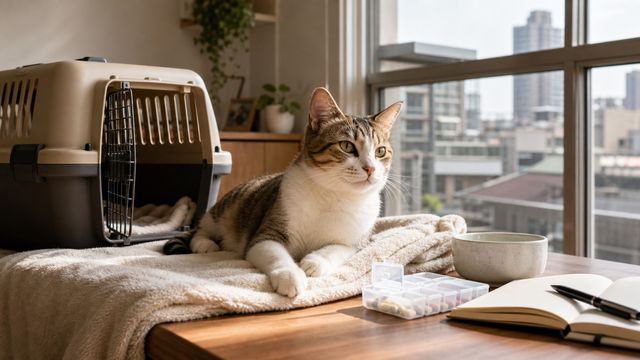
Caring for a cat isn't just about whether it's eating; it's also about whether it's still as comfortable and at ease as usual. When you are willing to view "becoming aggressive or hiding" as a cry for help, rather than bad behavior, you can usually detect problems earlier. You can also prepare suitable cat litter, comfortable sleeping pads, easy-to-access bowls, and stress-reducing products to help your cat feel more secure when unwell. If you want to choose practical cat supplies for daily care, you can gradually supplement them based on your home environment and usage habits.
FAQ
My cat is suddenly hiding but still eating. Do I need to see a vet immediately?
If it's just a brief occurrence or two, and eating, drinking, urination, and activity are normal, you can observe for about 1 day. However, if the hiding persists, interactions change significantly, or it's accompanied by decreased appetite or anger when touched, it's recommended to schedule a vet visit. This is because some cat pain may still allow for continued eating in the early stages.
Does a cat becoming aggressive always mean it's in pain?
Not necessarily. Environmental stress, fright, or territorial disputes can also cause aggressive behavior in cats. However, if a previously stable cat suddenly becomes aggressive, especially when being touched, picked up, or during specific movements, physical discomfort should be the primary consideration to rule out.
How can I distinguish between feeling down and being physically unwell?
The key is to look for "changes from usual" that occur persistently. If, in addition to temperament changes, there are also changes in appetite, activity, litter box habits, posture, or grooming, it's more likely a health issue. Purely emotional fluctuations usually don't cause significant changes in daily routines.
Can I give my cat a massage or apply a warm compress first?
It is not recommended to self-treat without confirming the cause. For injuries, inflammation, bone problems, or abdominal discomfort, random massage may cause more pain. If you suspect your cat is unwell, the safest approach is to minimize movement, maintain a quiet environment, and have a veterinarian assess the situation as soon as possible.
My older cat doesn't like to jump or play much. Is it normal aging or pain?
It could be either, but don't assume it's just normal aging. Many senior cats actually experience joint degeneration or muscle soreness, which leads to reduced activity. If this is accompanied by reluctance to be held, frequent hiding, or stiff gait, further examination is highly recommended.
Further Reading
- Cat Blood Test Normal, Still Need Ultrasound? Understand When Blood Tests Aren't Enough
- Cat Gaining Weight Constantly Means It's Fat? Check Body Condition Score, Waistline, and 3 Warning Signs to See a Vet
- Cat Itching Constantly During Rainy Season? Start by Checking Humidity, Skin, and Grooming Habits
CatGarden offers curated supplies, cat boarding, and grooming
Book services or shop online.