Can Cats Use Dental Floss? Risks of Ingestion, Gum Issues, and Safer Alternatives
Can cats use dental floss? Self-use is generally not recommended. Many owners notice food stuck between their cat's teeth or bad breath and wonder if human dental floss could help. For home care, using dental floss on cats is typically not advised, especially without professional guidance.
Key Takeaways
- It's generally not recommended for owners to use dental floss on cats themselves, especially without guidance from a veterinarian or professional groomer, as the risks often outweigh the benefits.
- The biggest concern with dental floss is ingestion. If a cat bites or swallows it, it can cause gastrointestinal irritation and, in severe cases, the risk of linear foreign body obstruction.
- Tartar commonly forms on the outer surfaces of canine and molar teeth as yellowish-brown or coffee-colored deposits. This tartar adheres firmly to the tooth surface and requires professional instruments and a thorough examination for removal.
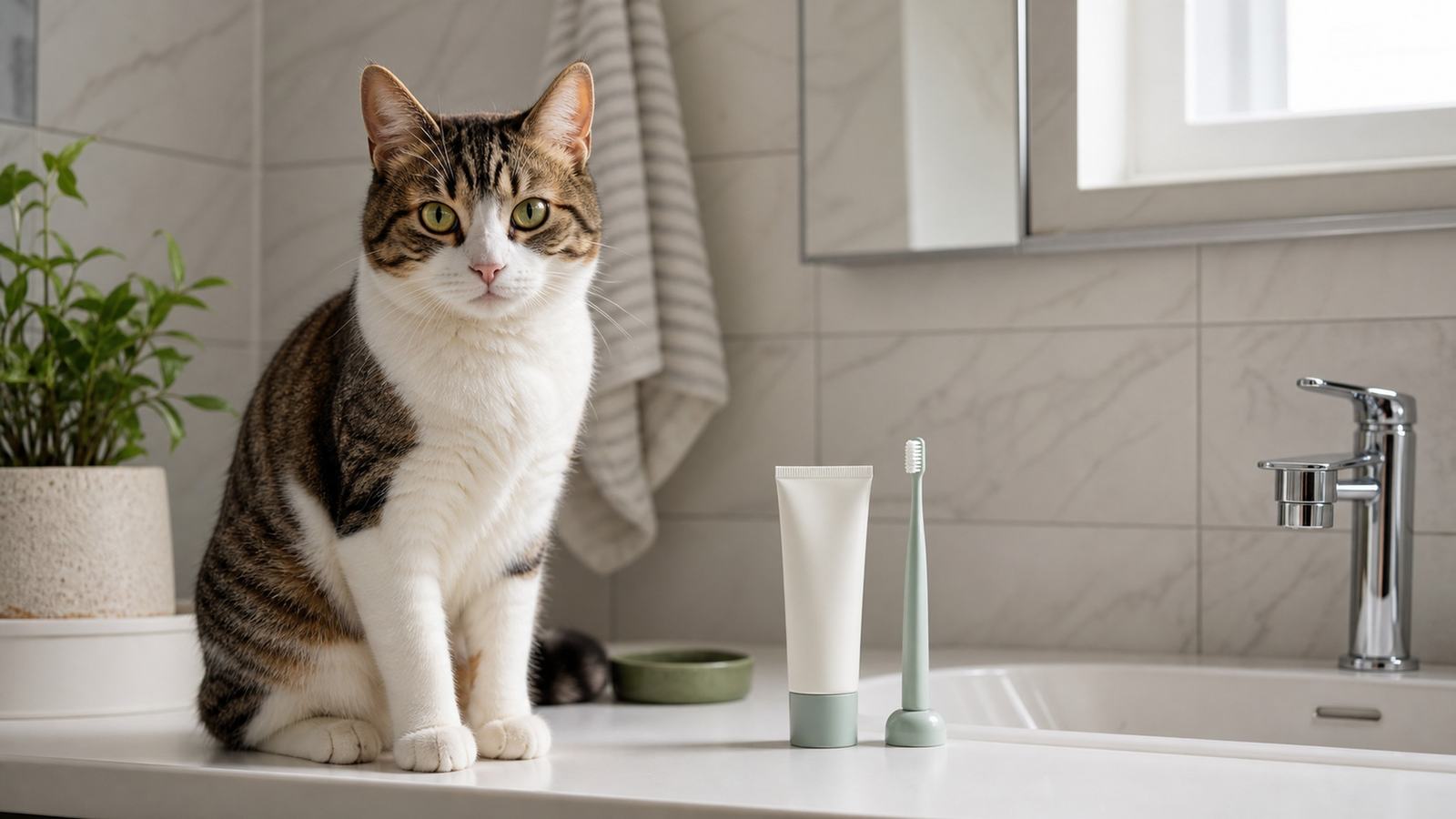
- The most recommended home dental care method for most cats is gradual tooth brushing. Start by touching their cheeks and mouth area, introduce pet-specific toothpaste, and then use a finger brush or a small-headed toothbrush.
- If your cat exhibits persistent bad breath, bleeding gums, excessive drooling, decreased appetite, chews on one side of their mouth, or avoids having their mouth touched, it's advisable to schedule a veterinary check-up.
Can Cats Use Dental Floss? Self-Use is Generally Not Recommended
Many owners notice food stuck between their cat's teeth or bad breath and wonder if human dental floss could help clean their pet's mouth. For home care, cat dental floss is typically not recommended for self-use, especially without guidance from a veterinarian or professional groomer. Cats have small mouths and can be quick to move; if they become anxious, they might struggle, bite down, or swallow foreign objects.
Dental floss is not a standard tool for a cat's daily dental hygiene, and the risks often outweigh the benefits. If your cat already has foreign material between their teeth, swollen gums, tartar buildup, or bad breath, the priority isn't to force cleaning between the teeth but to determine if there's an underlying periodontal issue. When actual cleaning of the teeth or tartar removal is necessary, it should usually be assessed and performed by a veterinarian under safe conditions.
Why Dental Floss Poses Ingestion and Injury Risks for Cats
The biggest problem with cat dental floss is the risk of ingestion. Dental floss is thin and durable. If a cat bites it off or swallows it, it can cause gastrointestinal irritation and, in severe cases, the risk of linear foreign body obstruction. In many homes in Taiwan, especially in smaller urban apartments, bathrooms, dressing tables, and trash cans are close to where cats roam. This increases the chance of used floss being accessible and played with.
Another risk is oral injury. A cat's gums are more sensitive than one might think. If an owner uses the wrong angle or too much force, the floss can cut the gums, making the cat more resistant to having their mouth touched in the future. If the cat already has gingivitis, loose teeth, or tooth resorption lesions, attempting to floss can exacerbate their pain.
How to Assess Your Cat's Teeth Gaps, Tartar, and Bad Breath
Assessing your cat's oral health can start with daily observation. If they occasionally have bad breath after eating wet food or treats that improves after a while, it usually doesn't indicate a serious problem. However, if the bad breath is persistent, noticeable when you get close to their face, or accompanied by drooling, chewing on one side, or dropping food, you should be concerned.
Tartar commonly appears on the outer surfaces of canine and molar teeth as yellowish-brown or coffee-colored deposits. If the gums show a distinct red line, swelling, or bleed when touched, it could be a sign of periodontal inflammation. These conditions are not suitable for self-treatment with cat dental floss. Tartar often adheres firmly to the tooth surface and requires professional instruments and a thorough examination.
When Does It Seem Like Something Is Stuck Between Teeth?
If your cat suddenly starts pawing at their mouth, constantly licking their lips, or pauses while chewing, it might indicate food fibers, meat strands, or a foreign object stuck near their teeth. You can try to observe with good lighting, but avoid forcing your fingers or tools into their mouth. If the object is visible but your cat is uncooperative, it's best to schedule a veterinary appointment rather than attempting repeated interventions.
What might appear as debris between teeth could actually be gum recession, periodontal pockets, or tooth surface lesions. These issues are difficult to diagnose with the naked eye and cannot be resolved by simply cleaning the surface debris. Rather than rushing to find cat dental floss, it's more important to document the symptoms, take photos for your vet, and arrange for an examination.
Safer Home Dental Care Alternatives
For most cats, the most recommended home dental care method remains gradual tooth brushing. You can start by touching their cheeks and mouth area, then introduce pet-specific toothpaste to get them used to the taste, and finally, slowly incorporate a finger brush or a small-headed toothbrush. Each session doesn't need to be long; consistency and low stress are more important than a thorough clean in one go.
If your cat absolutely cannot tolerate brushing, you can discuss dental gels, oral care powders, dental treats, or prescription dental diets with your veterinarian. These products cannot replace professional dental cleanings but are generally more suitable for daily maintenance than using cat dental floss yourself. When choosing products, pay attention to ingredients, calorie content, and your cat's digestive response to avoid affecting their weight due to excessive consumption of dental treats.
Oral Care Tips for Taiwan's Humid Environment
Taiwan's summers are humid, and the rainy season can be muggy. If wet food is not stored properly after opening, it can develop a stronger odor and potentially affect your cat's willingness to eat. After your cat finishes their wet food, observe if there's any residue around their mouth. Ensure food bowls are washed daily and kept dry. Bad breath isn't always solely related to food, but good dietary and cleaning habits can reduce confusion when diagnosing the cause.
Also, keep dental floss, sutures, rubber bands, hair ties, and other thin, string-like items out of reach. Many cats treat these items as toys, and if swallowed, it becomes more than just an oral issue. If you suspect your cat has ingested dental floss, don't wait for symptoms to appear. Contact your veterinary clinic immediately to inquire about the next steps.
When to Schedule a Veterinary Check-up or Dental Cleaning Assessment
If your cat exhibits persistent bad breath, bleeding gums, excessive drooling, decreased appetite, chews on only one side of their mouth, suddenly stops eating dry food, or avoids having their mouth touched, it's advisable to schedule a veterinary check-up. These symptoms could be related to periodontal disease, dental pain, stomatitis, or other health issues. Home care can only provide maintenance and cannot replace diagnosis.
A dental cleaning assessment typically includes an oral examination, an assessment of anesthesia risks, and sometimes blood tests or dental X-rays. Many owners worry about anesthesia, but if tartar and inflammation are affecting their quality of life, delaying treatment can worsen the problem. Whether a dental cleaning, tooth extraction, or medication is necessary should be determined by the veterinarian based on the cat's age, physical condition, and the results of the oral examination.
Choosing Cat Products to Make Dental Care Easier to Start
Caring for your cat's oral health doesn't have to start with difficult tools. Instead of risking the use of cat dental floss, consider preparing cat-specific toothpaste, a small-headed toothbrush, a finger brush, dental treats, slow feeders, or easy-to-clean food bowls to make daily care more manageable. When selecting cat products, prioritize safe materials, appropriate sizes, and ease of cleaning, rather than just looking at product names. If your cat is sensitive about their mouth, start with low-stimulation methods, short durations, and positive reinforcement to build habits. Cat Garden offers a variety of daily cat products suitable for owners looking to improve their cat's diet, hygiene, and home care simultaneously, making cat care more convenient and easier to maintain long-term.
FAQ
Can I use dental floss on my cat occasionally?
Self-attempt is not recommended. Even a single use could result in gum injury due to the cat struggling, or the floss could be bitten off and swallowed. If you genuinely suspect something is stuck between their teeth, it's best to have a veterinarian assess it.
What should I do if my cat swallows dental floss?
Contact your veterinary clinic as soon as possible. Provide details about the length of the floss, whether it was waxed, when it was swallowed, and if your cat is currently vomiting, has a decreased appetite, or seems lethargic. Do not induce vomiting yourself, and do not pull on any string-like material visible in the mouth or anus.
Is bad breath in cats always due to tartar?
Not necessarily. Bad breath can be related to tartar, gingivitis, stomatitis, diet, gastrointestinal issues, or other diseases. If bad breath persists, it's best to schedule a veterinary examination rather than just using dental products to mask the odor.
What if my cat won't let me brush their teeth?
You can start by touching their face, mouth area, and letting them lick pet toothpaste. Avoid forcing them to brush their entire mouth from the beginning. Even a few seconds each time is acceptable; the key is to reduce stress and establish a consistent routine. If brushing is completely impossible, ask your vet if other oral care products might be suitable.
Further Reading
- Does My Cat Need Sedation for a Vet Visit? Assessing Stress, Risks, and Vet Evaluation
- Is It Normal for My Cat to Be Lethargic After Vaccination? Side Effects, Observation Time, and Warning Signs
- Choosing Between Feline Vaccines: 3-in-1, 4-in-1, or 5-in-1? Risks and Records Before Boarding
Common Questions
Can I use dental floss on my cat occasionally?
Self-attempt is not recommended. Even a single use could result in gum injury due to the cat struggling, or the floss could be bitten off and swallowed. If you genuinely suspect something is stuck between their teeth, it's best to have a veterinarian assess it.
What should I do if my cat swallows dental floss?
Contact your veterinary clinic as soon as possible. Provide details about the length of the floss, whether it was waxed, when it was swallowed, and if your cat is currently vomiting, has a decreased appetite, or seems lethargic. Do not induce vomiting yourself, and do not pull on any string-like material visible in the mouth or anus.
Is bad breath in cats always due to tartar?
Not necessarily. Bad breath can be related to tartar, gingivitis, stomatitis, diet, gastrointestinal issues, or other diseases. If bad breath persists, it's best to schedule a veterinary examination rather than just using dental products to mask the odor.
What if my cat won't let me brush their teeth?
You can start by touching their face, mouth area, and letting them lick pet toothpaste. Avoid forcing them to brush their entire mouth from the beginning. Even a few seconds each time is acceptable; the key is to reduce stress and establish a consistent routine. If brushing is completely impossible, ask your vet if other oral care products might be suitable.
What typically includes a dental cleaning assessment?
A dental cleaning assessment typically includes an oral examination, an assessment of anesthesia risks, and sometimes blood tests or dental X-rays. Whether a dental cleaning, tooth extraction, or medication is necessary should be determined by the veterinarian based on the cat's age, physical condition, and the results of the oral examination.
CatGarden offers curated supplies, cat boarding, and grooming
Book services or shop online.