Blog
Is Your Cat Sleeping Farther Away From You Because It Dislikes You? Consider Trust, Temperature, and Territory First
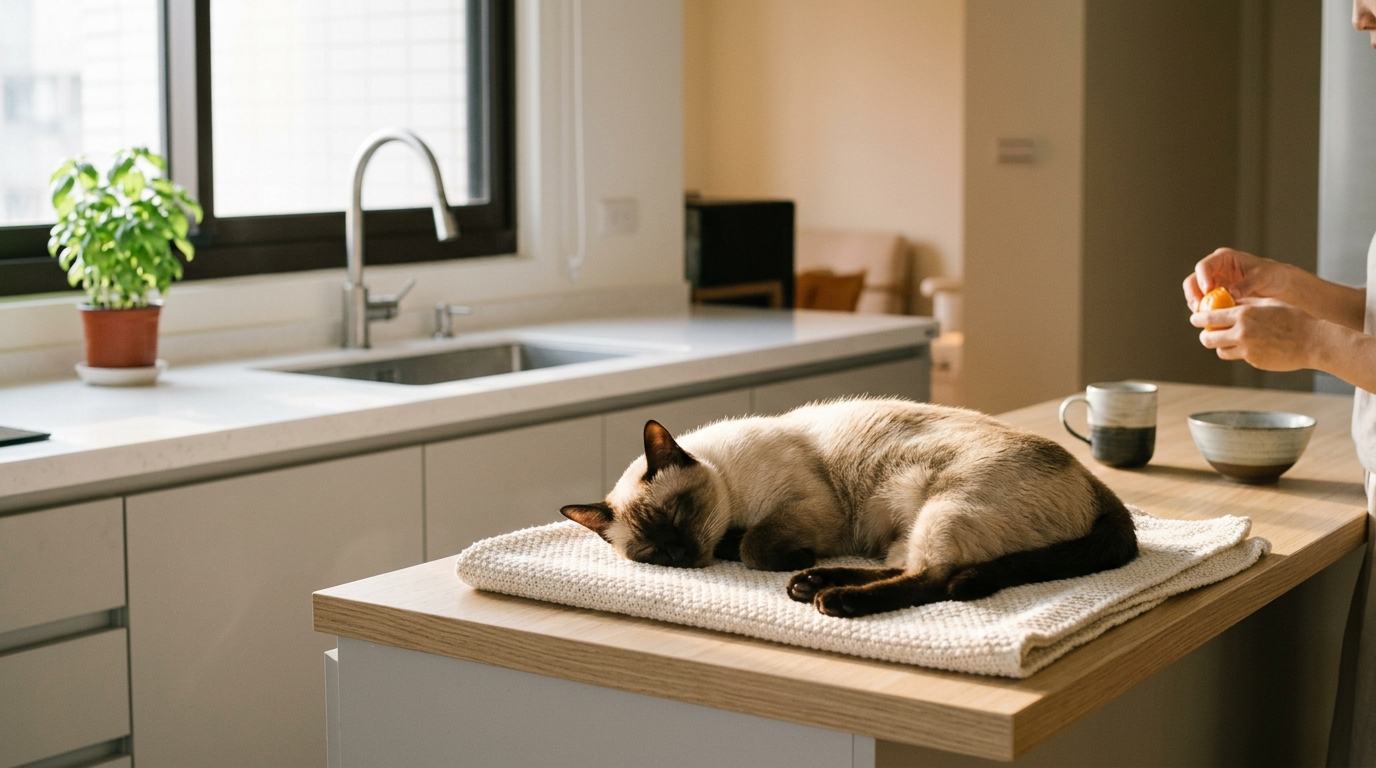
If your cat is sleeping farther and farther away from you, in most cases, it doesn't mean it dislikes you. It's more likely seeking a cooler place because the weather has gotten warmer, or it already trusts you enough not to need your proximity for security. The real concern arises when there's a "sudden change in behavior, like going from being very clingy to hiding away, refusing to eat or move."
At our facility, we observe dozens of cats sleeping every day. Their sleeping distances change daily depending on the season, their health, and their environment. Below, we break down "why my cat sleeps farther away" into three angles: trust, temperature, and territory, so you can assess each one.
Key Takeaways
- The most common reason for a cat to sleep farther away is "seeking coolness" – when the ambient temperature exceeds approximately 26–28°C (79–82°F), cats will actively move away from the body heat of people and opt for cooler surfaces like tiles, floors, or areas near a fan.
- Sleeping farther away doesn't equate to a lack of trust. If your cat can relax, sprawl out, expose its belly, or adopt a "loaf" posture within your sight, it indicates sufficient security; it simply doesn't need to be "close to you" to feel safe.
- The true warning sign is a "sudden change in behavior": a previously affectionate cat suddenly hiding in dark places, curling up tightly, experiencing a loss of appetite, and becoming unresponsive. This could indicate pain or illness.
- Kittens, senior cats, and sick cats tend to stay closer to people for warmth. Healthy adult cats sleeping farther away in the summer is a normal regulatory behavior and not a cause for anxiety.
- Cats with stable territories will "rotate through different sleeping spots" within the home. Changes in location are normal patrolling behavior, not a sign of distancing themselves from you.
First, Understand: What Your Cat's Sleeping Distance Means
Cats don't decide where to sleep based on "whether they love you." They simultaneously weigh three factors: safety (trust), comfort (temperature), and stability of their territory (territory). Their sleeping spot is the optimal solution for these three factors at any given moment.
Therefore, the same cat might snuggle in your blankets in winter but sleep in the farthest tiled corner in summer. Both are normal. For a comprehensive understanding of the meaning behind various sleeping postures and positions, you can refer to this article: What Does Your Cat's Sleeping Position Mean? Decoding Postures, Locations, and Affection. This article specifically addresses the nuance of "increased distance."
Angle 1: Trust – Sleeping Farther Might Actually Mean Enough Security
Many people mistakenly believe that a cat only shows affection by being physically close. In reality, a cat's willingness to relax and sleep in your presence is itself a sign of trust, and it's not directly related to the distance.
Clues to Whether Your Cat Still Trusts You
- Can it sprawl out, expose its belly, or sleep stretched out within your line of sight? The belly is a cat's most vulnerable area; exposing it indicates they feel safe.
- Does it maintain a semi-relaxed posture like the cat loaf posture? With its limbs tucked underneath, breathing calmly, this signals "I am resting, but all is well."
- How does it react when you call it or move around? Simply lifting its eyes or twitching its ears indicates that it trusts you are not a threat, which is actually a good sign.
When "Sleeping Farther" Warrants Concern
If a previously clingy cat suddenly starts hiding deep in closets, under beds, or in dark corners, and it's the "curled-up, trying-to-be-unseen" kind of hiding, you should pay attention. This withdrawal is often not psychological distancing but a sign of physical discomfort – cats instinctively hide when they are in pain. In this situation, refer to Early Warning Signs of Pain in Cats: Sudden Aggression or Hiding and monitor its appetite, energy levels, and elimination habits for any decline. If this persists for more than a day or two, or is accompanied by not eating or drinking, consult a veterinarian.
Angle 2: Temperature – Sleeping Farther in Summer is Almost Always About Seeking Coolness
This is one of the most commonly misunderstood aspects in Taiwan. A cat's normal body temperature is around 38–39°C (100.4–102.2°F), higher than humans. When the room temperature rises above 26–28°C (79–82°F), sleeping next to you, a "personal heater," becomes too hot. Consequently, they will move farther away to dissipate heat.
Behaviors You Can Observe for Seeking Coolness
- Moving from the sofa or bed to tiles, bathroom floors, marble, or metal surfaces.
- Sleeping near a fan, under an air conditioner vent, or in a breezy spot by the window.
- Shifting from a tightly curled "cat bread" shape to sprawling out, with limbs extended, or lying on its side. This is a heat-dissipating posture.
These are all normal, healthy adjustments and not cause for concern. Conversely, be wary of signs of overheating due to "failed heat dissipation." If your cat starts panting with its mouth open, its tongue hanging out, its gums appearing red or pale, or shows obvious weakness, it's no longer just seeking coolness. Immediately refer to Three Stages of Heatstroke Warning Signs in Cats: Gums and Panting. Heatstroke is a critical emergency where every second counts.
Practical Tips for Helping Your Cat Through Summer
- Provide sleeping spots with different materials: a cooling mat or tile, alongside a warm bed, allowing your cat to choose.
- Cats often drink less water in the summer. You can increase their intake by using a Cat Water Fountain Buying Guide to choose a suitable fountain that encourages drinking.
- Ventilation is more important than just blowing cold air. Ensure air circulation and avoid stuffy corners.
Angle 3: Territory – Changing Sleeping Spots is Patrolling, Not Leaving Home
Cats are territorial animals. Healthy, stable cats will rotate through different sleeping spots within their territory: sleeping by the window to sunbathe in the morning, on the desk at noon, and perhaps back near your feet at night. This "check-in" style of changing locations signifies that they consider the entire space a safe zone, which is a positive sign, not a sign of distancing.
Key Factors for Making Your Cat Feel Secure at Home
- Maintain consistent hiding routes and high places: Cardboard boxes, cat trees, or the tops of cabinets provide safe retreats for your cat at any time.
- Stable scents: Frequently washing their favorite bedding, major renovations, the introduction of new family members or furniture can cause them to sleep farther away temporarily as they re-establish their territory. For related advice, refer to What to Do If Your Cat Lacks Security: Routine, Scent, Hiding Routes.
- Avoid drastic changes in routine: Suddenly altering feeding times, interaction schedules, or when lights are on/off can require a few days for your cat to adapt, during which their sleeping spots might shift.
If you're concerned that your cat is naturally more independent and not very clingy, that's also a personality trait. You can read about New Cat Owner's Guide: Clingy vs. Independent Cat Personalities to accept their personality rather than trying to force them to sleep next to you.
Comprehensive Assessment: My Cat Isn't Sleeping Near Me Anymore, Should I Be Worried?
Combine the three angles and assess based on "whether other behaviors have changed along with it":
| Situation | Likely Cause | What to Do |
|---|---|---|
| Sleeping on tiles or near a fan in summer, sprawled out, other behaviors normal | Seeking coolness and heat dissipation | No need to worry; provide cooling mats and ensure adequate water intake. |
| Usually rotates sleeping spots, responds when called | Territorial patrolling + sufficient trust | Normal; maintain a stable environment. |
| Recently changed sleeping location after household changes (moving, new family member) | Re-establishing security | Provide hiding spaces; maintain consistent scents and routines. |
| Previously clingy, now hiding in dark corners, curled up, not eating or moving | Possible pain or illness | Observe for 1-2 days; seek veterinary care immediately if symptoms worsen. |
The core principle: Look for "change," not "distance." A cat that has always slept far away doesn't need to cause concern; a cat that suddenly changes its sleeping habits and exhibits a decline in energy or appetite warrants vigilance.
Our Observations at the Facility
Many cats in boarding facilities will hide in the farthest corner of their cage on the first day – this isn't because they dislike us, but because they need to confirm their safety in a new environment. As they become accustomed, they will gradually move closer to the door, sleeping in a position where they can see people. Distance changes as trust builds. Therefore, "sleeping farther away" is often just a process, not a final state. If you are preparing to board your cat, you can also refer to Cat Boarding Checklist: Vaccinations and Essential Items Before Check-in for preparation.
Frequently Asked Questions
Is my cat sleeping farther away because it dislikes me?
Most likely not. The most common reasons are seeking cooler spots due to warmer weather, or the cat feeling more secure in its environment and not needing to sleep close to you. Unless accompanied by hiding, refusal to eat or move, and a decline in energy, it's unlikely to be a sign of illness.
My cat sleeps far from me in the summer; should I correct this behavior?
No, this is normal heat dissipation behavior. Cats have a higher body temperature than humans, and sleeping close to you can be uncomfortable when it's too hot. Provide cooling mats, tiles, and well-ventilated spaces, allowing your cat to choose its preferred temperature.
Is it normal for my cat to sleep in a different room instead of near me?
Yes, it's normal. Healthy cats will rotate through different sleeping spots within their territory, which is a sign of patrolling and feeling secure. As long as they respond when called and their appetite and energy levels are normal, there's no need to worry.
How can I distinguish between a cat sleeping farther away for cooling versus illness?
When cooling, cats typically sprawl out, extend their limbs, and maintain normal appetite and energy levels. When ill, they usually curl up, hide in dark places, and may show a decreased appetite or activity level. In the latter case, seek veterinary attention promptly.
How can I encourage my cat to sleep closer to me?
Don't force it. First, stabilize the environment – maintain a consistent routine, provide high places and hiding spots, and avoid disturbing scents. Then, use treats or interactive play to build positive associations. Once trust is established, your cat will naturally come closer.
---
*CatGarden Editorial Department*
What we use for this
CatGarden’s own products, shipped from Taiwan


Hand-picked care, behaviour and grooming tips once a month. Subscribe and we will send you our three most-read articles right away.
Keep reading
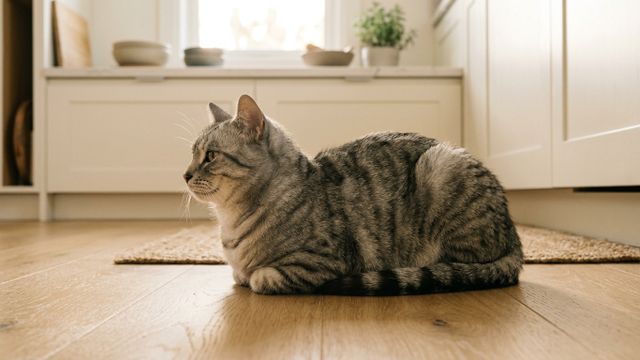
Cat "Mother Hen" Squat vs. Normal Sitting: How to Tell the Difference by Limb Position, Breathing, and Relaxation Level
A cat's "mother hen" squat is usually a sign of relaxation and warmth, so don't panic every time you see it. However, if their limbs are tense, breathing is rapid, and their gaze is vacant, they might be curled up in pain. Learn to distinguish between these states using three key clues: limb position, breathing, and eye expression.
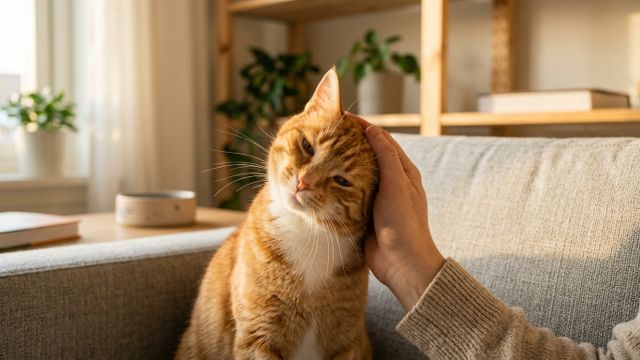
Cat Head-Butting and Rubbing: Is It All the Same Affection? Distinguishing Between Affection, Food Requests, and Scent Marking
When cats rub against you, it's often a mix of scent marking, asking for food, and seeking affection. By observing the timing, the body part they rub against, and their subsequent actions, you can understand what your cat is trying to communicate.
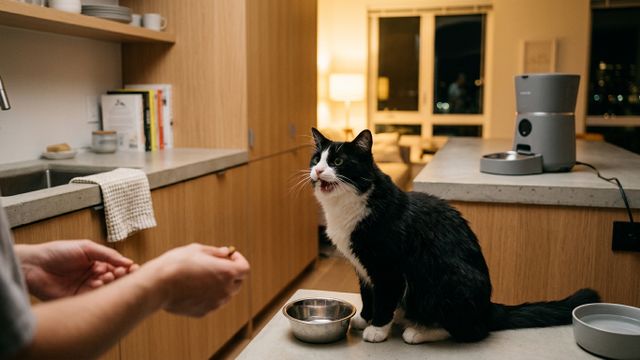
Why Is My Cat Crying All Night? Understanding the Causes and Soothing Methods, From Heat Cycles to Senior Cognitive Dysfunction
The most common reasons for a cat crying all night are heat cycles, demanding food (biological clock), anxiety, and cognitive dysfunction in senior cats. Rule out pain and illness first, then soothe based on the cause; most situations can be improved.
