Blog
Cat "Mother Hen" Squat vs. Normal Sitting: How to Tell the Difference by Limb Position, Breathing, and Relaxation Level
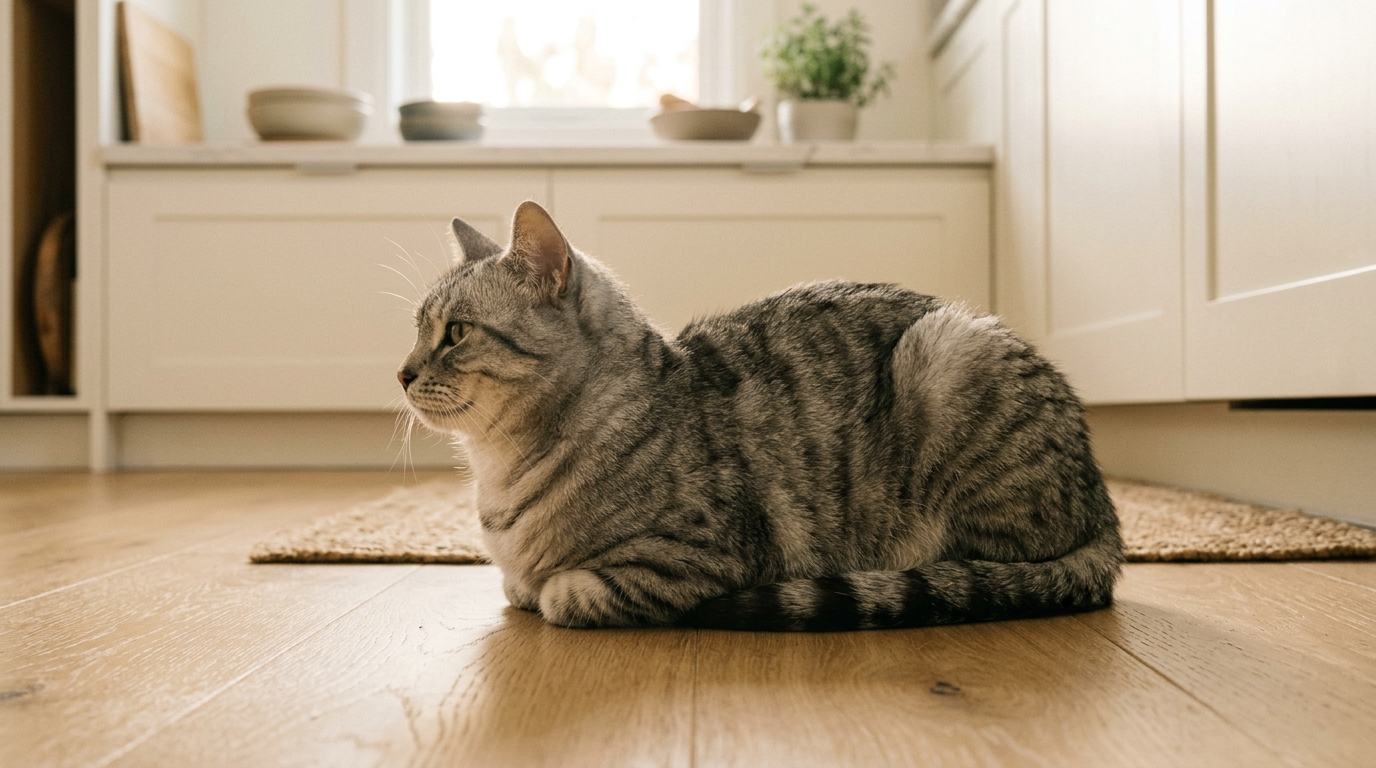
A cat's "mother hen" squat (where all four paws are tucked under the body, resembling a loaf of bread) is, most of the time, a normal posture for relaxation and warmth. You don't need to panic every time you see it. What you truly need to pay attention to are the subtle differences between a "relaxed mother hen squat" and a cat "curled up in pain," as these two states look similar but have vastly different meanings.
The key to distinguishing them lies in three areas: how the limbs are tucked, breathing rhythm, and whether the eyes are glazed over. By mastering these three points, you'll avoid unnecessary worry when you see your cat in a mother hen squat and won't overlook genuine warning signs.
Key Takeaways
- The cat "mother hen" squat itself is not a sign of illness. Healthy cats adopt this "loaf" position daily, primarily for warmth and conserving energy.
- In a relaxed mother hen squat, the limbs are tucked *loosely* beneath the body, and breathing is steady at about 20-30 breaths per minute. When in pain, the limbs are tense, the body is pressed low into a tight ball, and breathing becomes shallow and rapid.
- Eye expression is the quickest clue: half-closed eyes or slow blinks indicate comfort; dilated pupils, a vacant stare straight ahead, or no response to calls signal concern.
- If your cat's resting respiratory rate exceeds 40 breaths per minute, they are panting with their mouth open, or have a persistent lack of appetite, these are signs to seek veterinary attention. Don't wait and see.
- If the mother hen squat is maintained for over a full day, they refuse to lie down and expose their belly, or they flinch when a specific area is touched, it usually indicates they are protecting an uncomfortable part of their body.
What is the Cat "Mother Hen" Squat? Understanding the Posture's Origin
The so-called "mother hen" squat refers to a posture where a cat tucks all its limbs beneath its body, wraps its tail around its sides, and curls into an oval shape. From a distance, it resembles a freshly baked loaf of bread, which is why it's often called a "cat loaf" in English.
In our cat café, where we see dozens of cats daily, the mother hen squat is one of the most common postures. Its popularity stems from its ability to satisfy two of a cat's instinctive needs:
- Warmth: By tucking in their limbs and placing their belly close to the ground, cats can trap body heat and reduce heat loss. This is especially common in cooler weather or air-conditioned rooms.
- Energy Saving with Alertness: This position allows them to stand up more quickly than when lying completely flat. It's a state of "resting but not completely relaxed."
Therefore, it's important to establish this concept first: The mother hen squat is a normal daily posture for cats and does not automatically mean they are uncomfortable. What truly needs interpretation is the "quality" of their squat, which can be determined by the following three clues.
Clue 1: Limb Tucking - Loosely Tucked vs. Tensely Curled
This is the easiest and most reliable first clue to observe.
Relaxed Mother Hen Squat: Front Paws Might Be "Not Fully Tucked"
Truly relaxed cats often squat a bit "casually." You might notice:
- Their front paws are sometimes extended slightly forward, not fully tucked under their body (we jokingly call this a "half-loaf").
- The body's outline is a soft oval, with a smooth curve to their back.
- Their tail is naturally wrapped around their body or resting over their paws, not held tightly.
This appearance of being "not completely tucked" is actually the most reassuring sign, indicating they are unguarded and their body is relaxed.
Tensely Curled Up in Pain: Body Tense, Belly Hidden
Conversely, cats experiencing discomfort will "shrink themselves to the smallest size":
- Their limbs are tucked in tightly, their body is pressed low, and their back may be slightly arched, making them appear smaller than usual.
- Their muscles are tense, and their body feels firm to the touch, unlike the soft lump of a relaxed cat.
- They will often tuck their belly tightly against the ground, hiding it – cats with abdominal pain or urinary discomfort frequently do this.
If your cat is usually active but suddenly maintains this tense squatting posture all day and moves very little, you should be highly vigilant. This change in behavior is often an early sign of pain. Consider reading Sudden Aggression or Hiding in Cats: Don't Just Blame Temperament – It Could Be Early Signs of Pain or Illness for a more comprehensive understanding.
Clue 2: Breathing Rhythm - Steady Rise and Fall vs. Shallow and Rapid
When you can't discern differences in limb position, breathing becomes a more objective indicator because it's difficult to fake.
Learn to Count Your Cat's Breaths at Home
While your cat is quietly squatting, observe the rise and fall of their chest and abdomen. Count one full cycle (rise and fall) as one breath. Count for 15 seconds and multiply by 4 to get the breaths per minute.
- Normal Resting Breathing: Approximately 20–30 breaths per minute, with a steady, almost silent rise and fall.
- Slightly Elevated Breathing: Over 40 breaths per minute while resting warrants attention.
- Danger Signs: Panting with an open mouth, forceful abdominal breathing, or shallow, rapid breaths.
In a relaxed mother hen squat, the chest and abdomen rise and fall slowly and deeply. Cats in pain or with respiratory issues often exhibit shallow, rapid "panting" breaths because deep breaths can exacerbate pain in the affected area.
Open-mouth panting and noticeable abdominal breathing while resting are warning signs related to the heart and lungs. Don't wait to see if it improves. For more in-depth information on how to monitor your cat at home, refer to How to Detect Heart Disease in Cats Early? Learn to Count Breaths, Observe Activity Levels, and Recognize 5 Warning Signs. If you also notice them hiding in a corner or appearing lethargic, consider potential signs of Cat Heatstroke.
Clue 3: Eye Expression and Reaction - Half-Closed Relaxation vs. Vacant Stare
Eyes are the quickest way to read emotions.
Comfortable Mother Hen Squat: Half-Closed Eyes, Slow Blinks
When relaxed, a cat's eyes are usually half-open or half-closed. They might even give you a "slow blink" – this is the feline equivalent of "I feel safe and content." If you call their name, their ears might twitch, and their eyes might briefly look at you; they are still responsive.
This state often gradually transitions into lying on their side or rolling over to expose their belly, indicating increasing relaxation. For a more comprehensive understanding of different postures, you can read our series on What Does Your Cat's Sleeping Position Mean? Decoding Sleep Postures, Locations, and Their Affection Level.
Mother Hen Squat in Pain: Dilated Pupils, Vacant Stare
A cat in discomfort will often reveal it through their eyes:
- Their eyes may be wider open than usual, with dilated pupils, even in normal lighting.
- They might stare blankly at a fixed point in the distance, as if not seeing anything.
- When you call them or offer a treat, their reaction becomes sluggish, or they may ignore you completely.
"Losing interest in things they normally care about" is often a more telling sign than the posture itself. Even a lazy cat will show some interest at the sound of a can opener or the sight of a feather wand.
Quick Comparison Chart: Relaxed vs. Painful Mother Hen Squat
| Observation Point | Relaxed (Normal) | Painful / Uncomfortable (Warning Sign) |
|---|---|---|
| Limbs | Loosely tucked, front paws may be visible | Tightly tucked, arched back, body appears smaller |
| Muscles | Soft lump | Tense, firm to the touch |
| Breathing | 20–30 breaths/min, deep and steady | Over 40 breaths/min, shallow and rapid, or open-mouth panting |
| Eyes | Half-closed, slow blinks | Dilated pupils, vacant stare, unresponsive to calls |
| Posture Change | May transition to lying on side, belly up | Consistently tense squat, refuses to lie down |
| Duration | Changes position after resting | Maintained all day, minimal movement |
Is a Cat's Mother Hen Squat Always a Sign of Discomfort? Avoid Extremes
Let's answer the most common question: No. Most cat mother hen squats are normal signs of relaxation, or even indicate that the cat feels safe and comfortable in that spot. The real key is to avoid two extremes:
- Extreme 1: Panicking at Every Squat. A mother hen squat in cool weather, after waking up, or while sunbathing is perfectly normal. Rushing to the vet for every instance can make your cat more anxious about car rides and vet visits.
- Extreme 2: Completely Ignoring Warning Signs. Assuming "cats just like to squat" can lead to missing signs that your cat has been silently enduring pain for days.
The most practical approach is to establish your cat's "normal baseline": how often they squat, for how long, and their typical resting respiratory rate. With a baseline, you can quickly detect any deviations. This is what we consistently emphasize in Is Cat Health Monitoring Necessary? Smart Collars, Breathing Records, and What to Check Before Seeing a Vet: daily records are more meaningful than isolated snapshots.
Situations Where You Shouldn't Wait
Based on the three clues, if any of the following occur, it's recommended to seek veterinary care promptly and not wait:
- Resting respiratory rate consistently over 40 breaths/min, or open-mouth panting, or noticeable abdominal breathing.
- Tense mother hen squat maintained for over a full day, refusing to lie on their side or belly up.
- Flinching, hissing, or fleeing when their abdomen or a specific area is touched.
- Combined with decreased appetite, lethargy, hiding, or abnormal litter box usage.
- Vacant stare, completely unresponsive to calls or treats.
If symptoms persist or noticeably worsen, consult a trusted veterinarian for an evaluation. Posture is just one clue; a definitive diagnosis requires medical examination.
When you entrust your cat to us for Boarding while you're away, we also ask owners to inform us about their cat's usual routines and posture habits. This way, if the cat becomes tense or their breathing quickens in an unfamiliar environment, we can more quickly determine if it's due to stress or genuine discomfort.
Frequently Asked Questions
Is a cat's mother hen squat always a sign of discomfort?
No. Most mother hen squats are normal postures for relaxation and warmth. Observe whether the limbs are loose or tense, breathing is steady, and eyes are vacant. If all three are normal, there's no need to worry.
How long is too long for a cat to stay in a mother hen squat?
It's normal for them to squat for an hour or two occasionally. However, if they maintain a tense squat almost all day, move very little, and don't switch to lying on their side or belly up, especially if accompanied by lethargy, you should be concerned and consider veterinary attention.
How can I tell at home if my cat's breathing is too fast?
While they are quiet, observe the rise and fall of their chest and abdomen. Count the breaths in 15 seconds and multiply by 4. A resting rate of about 20–30 breaths per minute is normal. Over 40 breaths per minute or open-mouth panting warrants increased vigilance.
Is a cat shivering while curled up considered a mother hen squat?
If they are shivering, tense, and have a vacant stare, it's more likely due to cold, stress, or discomfort, rather than a relaxed mother hen squat. If they are shivering after a bath, refer to the article Is It Normal for Cats to Shiver After a Bath? Cold, Stress, and Warning Signs to differentiate the causes.
Is it normal for older cats to squat more often?
Yes, older cats may adopt the energy-saving squat posture more frequently due to joint discomfort or decreased stamina. However, if they are noticeably more curled up than usual and less active, it's advisable to have a comprehensive health check-up to rule out pain or chronic conditions.
---
*This article was written by the Mao Hou Yuan editorial team. The content is for general care experience sharing and cannot replace veterinary diagnosis. If your cat exhibits persistent or severe symptoms, please seek veterinary attention promptly.*
Hand-picked care, behaviour and grooming tips once a month. Subscribe and we will send you our three most-read articles right away.
Keep reading
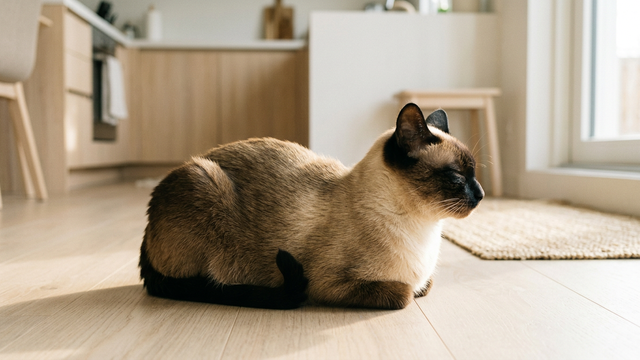
What is the Cat Loaf Pose? Interpreting Your Cat's Health and Emotions from Their Loafing Posture
A cat's loaf pose is usually a sign of relaxation, but if they are curled up very tightly with tense eyes, they might be in pain. Learn to distinguish between their emotions and health from subtle cues.
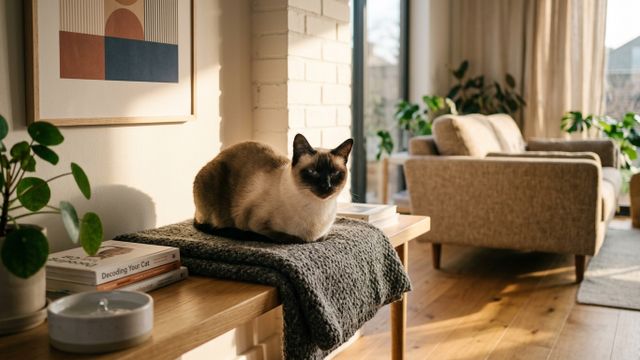
Is Your Cat's "Chicken Leg" Pose Always a Sign of Discomfort? Learn to Distinguish Between Relaxation and Hidden Pain
A cat's "chicken leg" pose is usually a natural posture for relaxation and warmth, not necessarily discomfort. The key is to assess it alongside appetite, energy levels, and breathing. This article teaches you how to tell when to worry.
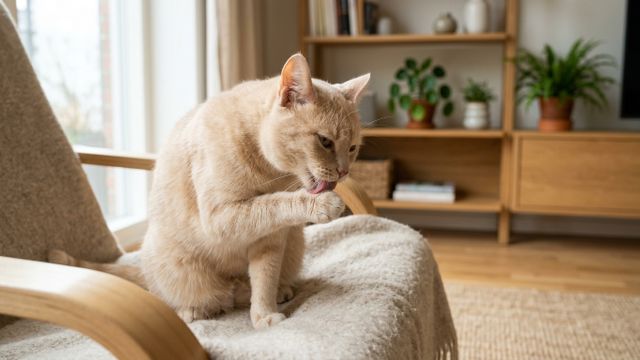
Is it Normal for Cats to Lick Their Paws, and Why Do They Lick Their Front Legs Constantly? Understanding Grooming, Anxiety, and Skin Conditions
Cats licking their paws is usually normal grooming behavior. However, if a cat constantly licks the same front paw, leading to hair loss, redness, or swelling, or if accompanied by behavioral changes, it could signal anxiety, pain, or a skin condition.
