Is It Normal for a Cat to Stick Its Tongue Out and Forget to Retract It? Understanding the Causes from Relaxation to Illness

A cat sticking its tongue out slightly and forgetting to retract it is usually a sign of relaxation, focus, or a brief moment of absentmindedness after grooming, and there's no need to worry. However, if accompanied by open-mouth panting, a purplish tongue, or drooling, it's a warning sign that requires veterinary attention.
CatGarden Editorial TeamPublished 2026/07/13Updated 2026/10/05
cat sticking tongue outcat behaviorcat health
Is It Normal for a Cat to Stick Its Tongue Out and Forget to Retract It? Understanding the Causes from Relaxation to Illness

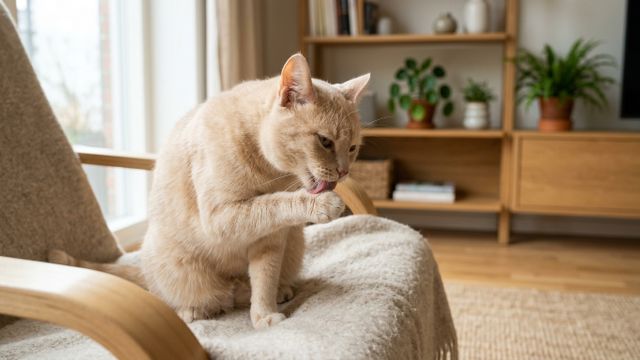
A cat sticking its tongue out slightly and forgetting to retract it is usually a cute sign of relaxation, focus, or a brief moment of absentmindedness after grooming, and this "tongue-tip protrusion" has no impact on health. What you should truly worry about is "open-mouth panting with tongue out" — when a cat pants like a dog, its tongue turns purplish, or it drools, these are danger signs requiring immediate cooling and prompt veterinary care.

In this article, drawing from our experience caring for thousands of cats in our facility, we'll help you distinguish between "cute tongue-forgetfulness" and "dangerous tongue-sticking due to illness."

Key Takeaways

  • A cat showing only a small tip of its tongue, with its mouth closed and steady breathing, is a normal sign of relaxation and requires no intervention.
  • A healthy cat's normal respiratory rate is approximately 20-30 breaths per minute, breathing through its nose with its mouth closed. Open-mouth panting for more than a few minutes is abnormal.
  • "Cat panting with tongue out," if accompanied by a purplish/blue tongue or gums, drooling, or lethargy, could indicate heatstroke, heart disease, or respiratory illness, requiring emergency care.
  • Frequently sticking one side of the tongue out, bad breath, or reluctance to eat hard kibble often points to oral issues like ulcers or tartar buildup, and a dental check-up is recommended.
  • If a cat's body temperature exceeds 39.5°C (103.1°F) or it has persistent rapid breathing, seek veterinary attention immediately; do not wait at home.

First, Distinguish: Cute Tongue-Sticking vs. Dangerous Tongue-Sticking

Many owners immediately become anxious when they see their "cat sticking its tongue out." In reality, the vast majority of these instances are harmless. The key is to observe breathing, posture, and tongue color simultaneously, rather than making a judgment based solely on the tongue.

These Instances of Tongue-Sticking Are Usually Harmless (Relaxation Type)

  • Tongue Forgetfulness (Blep): When stretching, after washing its face, or just waking up, a cat might leave a tiny bit of its tongue sticking out and remain "frozen" in that position, forgetting to retract it. This is the most commonly photographed cute moment.
  • Distracted by Focus: A brief tongue-sticking moment can occur when observing a bird outside the window or when being petted very comfortably.
  • After Grooming: While grooming, a cat's tongue moves in and out. When interrupted, a bit might occasionally be left outside.
  • Brachycephalic Breeds: Flat-faced breeds like Persians and Exotic Shorthairs, due to their facial structure, are more prone to having a bit of their tongue hanging out.

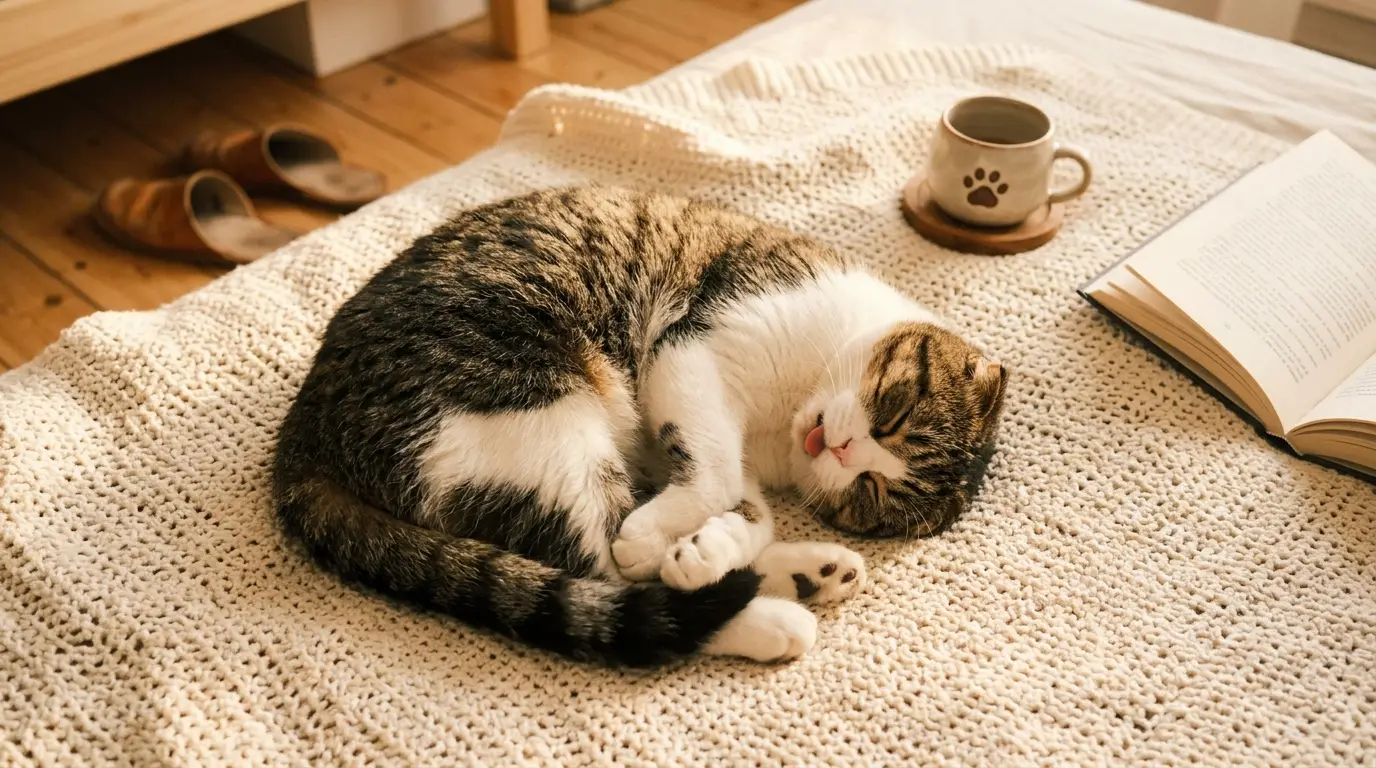
The common factor in these situations is: the mouth is mostly closed, breathing is steady and quiet, the tongue is a healthy pink color, and the cat appears generally relaxed. This is the same signal as a cat's relaxed sleeping posture and body language — a relaxed body and soft expression indicate comfort.

These Instances of Tongue-Sticking Warrant Concern (Danger Type)

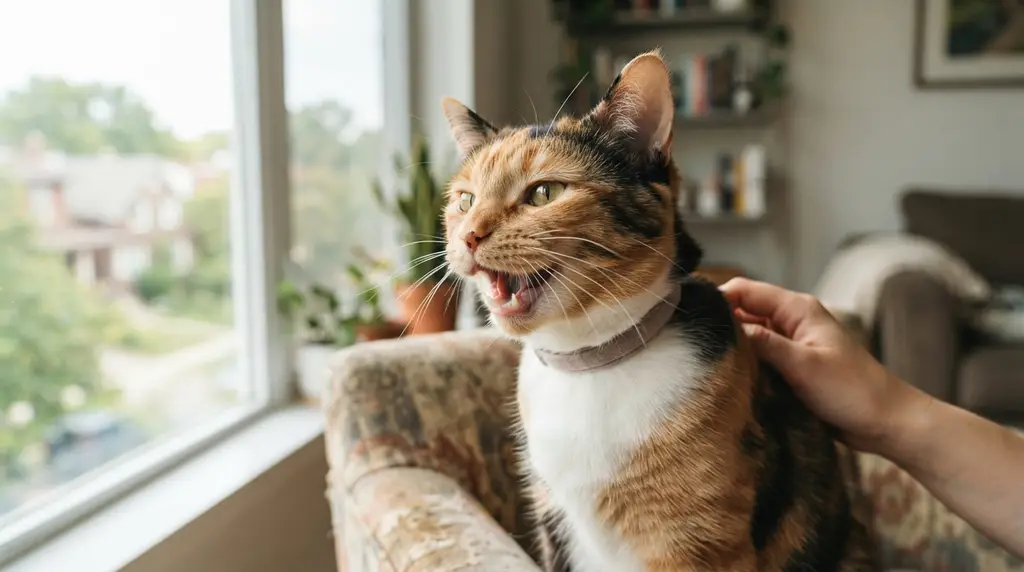
  • Open mouth, panting like a dog (cat panting with tongue out)
  • Tongue or gum color is purplish, bluish, or pale
  • Abdomen visibly heaves with breathing, audible wheezing or rattling sounds
  • Constant drooling, noticeable bad breath
  • Lethargy, hiding, loss of appetite, or refusal to drink

If any of the above symptoms are present, it's more serious than simply "forgetting to retract the tongue" and requires active intervention.

Why Do Cats "Forget to Retract Their Tongues"?

The surface of a cat's tongue has backward-facing papillae (which is why their lick feels like sandpaper). They use their tongues frequently for grooming, and when they pause, the tongue can sometimes get caught between their teeth, leading them to forget to retract it. This is most common during deep relaxation or when drowsy.

While grooming or massaging cats in our facility, we often see them so comfortable that their eyes are half-closed, with the tip of their tongue hanging out — this is a sign of "I am very safe right now," similar to when a cat assumes a loaf position or tucks its paws. You can safely take photos of this type of tongue-sticking.

Common Causes of Dangerous Tongue-Sticking

When "cat sticking its tongue out slightly" escalates to open-mouth panting, it's usually due to one of these issues:

1. Overheating, Heatstroke

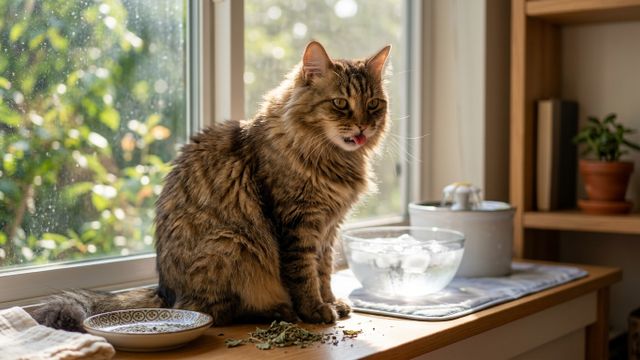
Unlike dogs, cats don't primarily rely on panting to cool down. They mainly dissipate heat through sweating from their paw pads and grooming. When the environment is too hot and they can't cool down effectively, they may resort to open-mouth panting and sticking their tongues out. This is a warning sign that their body is struggling.

This is particularly common in stuffy indoor environments during Taiwan's summers. It's recommended to understand signs of heatstroke in cats and summer cooling methods. Our facility maintains a constant indoor temperature of 24-26°C (75-79°F) to prevent cats from overheating and needing to pant. If you notice your cat panting with its tongue out and feeling hot to the touch, move it to a cool place, dampen its paw pads and abdomen with lukewarm water (not ice-cold), and seek veterinary care immediately.

2. Respiratory and Heart Disease

This is the most critical category to be aware of. Cats generally do not pant with their mouths open without reason. Persistent panting, difficulty breathing, or a purplish tongue could indicate:

  • Asthma or bronchial disease
  • Pulmonary edema caused by heart disease
  • Upper respiratory infections (cat flu) leading to nasal congestion requiring open-mouth breathing

If your cat has been sneezing or has a runny nose recently, be vigilant about potential infections. We've also addressed the common question of whether human colds can be transmitted to cats. Regardless of the cause, persistent panting itself is an emergency indicator, so do not wait at home.

3. Oral Problems

If a cat frequently leaves its tongue hanging out, or sticks its tongue out to one side, coupled with bad breath, drooling, slower eating, or chewing only on one side, it's likely due to oral ulcers, gingivitis, or tartar buildup. These issues can make it uncomfortable for the cat to keep its tongue in its mouth, requiring a veterinary dental examination.

4. Stress, Pain, or Fever

Cats may pant and stick their tongues out briefly when extremely stressed (e.g., during car rides, vet visits) or when experiencing pain or fever. If you notice their body temperature is abnormally high or suspect fever in your cat, these factors should be considered.

How to Assess at Home: Three Observation Points

When you notice your cat sticking its tongue out, don't panic. Follow these three steps:

Step 1: Check if the Mouth is Closed

Mouth closed with only a little tongue tip showing → Mostly normal. Mouth wide open and panting → Raise your alert level.

Step 2: Count Breathing Rate

Let the cat rest quietly and observe the rise and fall of its chest and abdomen. One rise and fall counts as one breath. More than 40 breaths per minute, or visibly labored breathing, is abnormal.

Step 3: Check Tongue and Gum Color

Healthy color is pink. Purplish or bluish indicates oxygen deprivation; pale or white suggests anemia or shock — both require immediate veterinary attention.

When observing a healthy cat, nose moisture can also be a useful clue, but a single indicator should not be the sole basis for judgment; a comprehensive assessment is necessary.

When to Seek Veterinary Care Immediately

If any of the following situations occur, take your cat to the animal hospital without delay:

  • Open-mouth panting that continues for more than a few minutes and does not improve after cooling measures.
  • Tongue or gum color is purplish, bluish, or pale.
  • Labored breathing, significant abdominal movement, or audible wheezing.
  • Excessive drooling, noticeable bad breath, or refusal to eat.
  • Lethargy, hiding, or a body temperature exceeding 39.5°C (103.1°F).

This article provides general care information. If symptoms persist or are severe, always consult a veterinarian for diagnosis; do not rely on home remedies or delay seeking professional help.

Want to Make Your Cat More Comfortable?

If your cat is prone to overheating or stress, pay special attention to indoor ventilation and cooling during the summer. Significant shedding during grooming can also affect comfort, especially for long-haired cats, for whom regular professional grooming is recommended to reduce heat and prevent matting. For travel, choosing a cat hotel with air conditioning can prevent your cat from panting due to excessive heat.

For more insights into cat behavior and emotions, you can read our article series on interpreting cat sleeping positions and their affection levels.

Frequently Asked Questions

Is it normal for a cat to stick its tongue out slightly and forget to retract it?

Yes, it is normal. As long as its mouth is closed, breathing is steady, and the tongue is pink, it's usually a cute sign of relaxation or a brief moment of absentmindedness after grooming, and no action is needed.

Is a cat panting with its tongue out a sign of illness?

It very likely is. Cats do not pant like dogs to cool down. Open-mouth panting usually indicates overheating, pain, or respiratory/heart problems. If panting persists, seek veterinary attention immediately.

How can I tell if my cat's tongue-sticking is cute or dangerous?

Observe three things: Is the mouth open? What is the breathing rate per minute (over 40 is high)? What is the tongue color (purplish or pale)? If the mouth is closed, breathing is steady, and the tongue is pink, it's generally not a cause for concern.

What causes a cat to drool and stick its tongue out constantly?

This is often seen with oral issues like ulcers, gingivitis, or tartar buildup. It could also be due to ingesting something irritating or toxic. It's recommended to have your cat's mouth examined promptly.

Is it normal for short-nosed, flat-faced cats to stick their tongues out more often?

Yes. Due to their facial structure, breeds like Persians and Exotic Shorthairs are more prone to having a bit of their tongue hanging out. However, if they also exhibit difficulty breathing or audible respiratory sounds, they should still be evaluated by a veterinarian.


This article was written by the CatGarden editorial team. The content is for general care information and does not substitute veterinary diagnosis. Please seek prompt veterinary attention if your cat exhibits any abnormal symptoms.

CatGarden offers curated supplies, cat boarding, and grooming

Book services or shop online.
Back

Blog

Is It Normal for a Cat to Stick Its Tongue Out and Forget to Retract It? Understanding the Causes from Relaxation to Illness

CatGarden Editorial TeamPublished 2026/07/13Updated 2026/10/05
cat sticking tongue outcat behaviorcat health
Is It Normal for a Cat to Stick Its Tongue Out and Forget to Retract It? Understanding the Causes from Relaxation to Illness

A cat sticking its tongue out slightly and forgetting to retract it is usually a cute sign of relaxation, focus, or a brief moment of absentmindedness after grooming, and this "tongue-tip protrusion" has no impact on health. What you should truly worry about is "open-mouth panting with tongue out" — when a cat pants like a dog, its tongue turns purplish, or it drools, these are danger signs requiring immediate cooling and prompt veterinary care.

In this article, drawing from our experience caring for thousands of cats in our facility, we'll help you distinguish between "cute tongue-forgetfulness" and "dangerous tongue-sticking due to illness."

Key Takeaways

  • A cat showing only a small tip of its tongue, with its mouth closed and steady breathing, is a normal sign of relaxation and requires no intervention.
  • A healthy cat's normal respiratory rate is approximately 20-30 breaths per minute, breathing through its nose with its mouth closed. Open-mouth panting for more than a few minutes is abnormal.
  • "Cat panting with tongue out," if accompanied by a purplish/blue tongue or gums, drooling, or lethargy, could indicate heatstroke, heart disease, or respiratory illness, requiring emergency care.
  • Frequently sticking one side of the tongue out, bad breath, or reluctance to eat hard kibble often points to oral issues like ulcers or tartar buildup, and a dental check-up is recommended.
  • If a cat's body temperature exceeds 39.5°C (103.1°F) or it has persistent rapid breathing, seek veterinary attention immediately; do not wait at home.

First, Distinguish: Cute Tongue-Sticking vs. Dangerous Tongue-Sticking

Many owners immediately become anxious when they see their "cat sticking its tongue out." In reality, the vast majority of these instances are harmless. The key is to observe breathing, posture, and tongue color simultaneously, rather than making a judgment based solely on the tongue.

These Instances of Tongue-Sticking Are Usually Harmless (Relaxation Type)

  • Tongue Forgetfulness (Blep): When stretching, after washing its face, or just waking up, a cat might leave a tiny bit of its tongue sticking out and remain "frozen" in that position, forgetting to retract it. This is the most commonly photographed cute moment.
  • Distracted by Focus: A brief tongue-sticking moment can occur when observing a bird outside the window or when being petted very comfortably.
  • After Grooming: While grooming, a cat's tongue moves in and out. When interrupted, a bit might occasionally be left outside.
  • Brachycephalic Breeds: Flat-faced breeds like Persians and Exotic Shorthairs, due to their facial structure, are more prone to having a bit of their tongue hanging out.

The common factor in these situations is: the mouth is mostly closed, breathing is steady and quiet, the tongue is a healthy pink color, and the cat appears generally relaxed. This is the same signal as a cat's relaxed sleeping posture and body language — a relaxed body and soft expression indicate comfort.

These Instances of Tongue-Sticking Warrant Concern (Danger Type)

  • Open mouth, panting like a dog (cat panting with tongue out)
  • Tongue or gum color is purplish, bluish, or pale
  • Abdomen visibly heaves with breathing, audible wheezing or rattling sounds
  • Constant drooling, noticeable bad breath
  • Lethargy, hiding, loss of appetite, or refusal to drink

If any of the above symptoms are present, it's more serious than simply "forgetting to retract the tongue" and requires active intervention.

Why Do Cats "Forget to Retract Their Tongues"?

The surface of a cat's tongue has backward-facing papillae (which is why their lick feels like sandpaper). They use their tongues frequently for grooming, and when they pause, the tongue can sometimes get caught between their teeth, leading them to forget to retract it. This is most common during deep relaxation or when drowsy.

While grooming or massaging cats in our facility, we often see them so comfortable that their eyes are half-closed, with the tip of their tongue hanging out — this is a sign of "I am very safe right now," similar to when a cat assumes a loaf position or tucks its paws. You can safely take photos of this type of tongue-sticking.

Common Causes of Dangerous Tongue-Sticking

When "cat sticking its tongue out slightly" escalates to open-mouth panting, it's usually due to one of these issues:

1. Overheating, Heatstroke

Unlike dogs, cats don't primarily rely on panting to cool down. They mainly dissipate heat through sweating from their paw pads and grooming. When the environment is too hot and they can't cool down effectively, they may resort to open-mouth panting and sticking their tongues out. This is a warning sign that their body is struggling.

This is particularly common in stuffy indoor environments during Taiwan's summers. It's recommended to understand signs of heatstroke in cats and summer cooling methods. Our facility maintains a constant indoor temperature of 24-26°C (75-79°F) to prevent cats from overheating and needing to pant. If you notice your cat panting with its tongue out and feeling hot to the touch, move it to a cool place, dampen its paw pads and abdomen with lukewarm water (not ice-cold), and seek veterinary care immediately.

2. Respiratory and Heart Disease

This is the most critical category to be aware of. Cats generally do not pant with their mouths open without reason. Persistent panting, difficulty breathing, or a purplish tongue could indicate:

  • Asthma or bronchial disease
  • Pulmonary edema caused by heart disease
  • Upper respiratory infections (cat flu) leading to nasal congestion requiring open-mouth breathing

If your cat has been sneezing or has a runny nose recently, be vigilant about potential infections. We've also addressed the common question of whether human colds can be transmitted to cats. Regardless of the cause, persistent panting itself is an emergency indicator, so do not wait at home.

3. Oral Problems

If a cat frequently leaves its tongue hanging out, or sticks its tongue out to one side, coupled with bad breath, drooling, slower eating, or chewing only on one side, it's likely due to oral ulcers, gingivitis, or tartar buildup. These issues can make it uncomfortable for the cat to keep its tongue in its mouth, requiring a veterinary dental examination.

4. Stress, Pain, or Fever

Cats may pant and stick their tongues out briefly when extremely stressed (e.g., during car rides, vet visits) or when experiencing pain or fever. If you notice their body temperature is abnormally high or suspect fever in your cat, these factors should be considered.

How to Assess at Home: Three Observation Points

When you notice your cat sticking its tongue out, don't panic. Follow these three steps:

Step 1: Check if the Mouth is Closed

Mouth closed with only a little tongue tip showing → Mostly normal. Mouth wide open and panting → Raise your alert level.

Step 2: Count Breathing Rate

Let the cat rest quietly and observe the rise and fall of its chest and abdomen. One rise and fall counts as one breath. More than 40 breaths per minute, or visibly labored breathing, is abnormal.

Step 3: Check Tongue and Gum Color

Healthy color is pink. Purplish or bluish indicates oxygen deprivation; pale or white suggests anemia or shock — both require immediate veterinary attention.

When observing a healthy cat, nose moisture can also be a useful clue, but a single indicator should not be the sole basis for judgment; a comprehensive assessment is necessary.

When to Seek Veterinary Care Immediately

If any of the following situations occur, take your cat to the animal hospital without delay:

  • Open-mouth panting that continues for more than a few minutes and does not improve after cooling measures.
  • Tongue or gum color is purplish, bluish, or pale.
  • Labored breathing, significant abdominal movement, or audible wheezing.
  • Excessive drooling, noticeable bad breath, or refusal to eat.
  • Lethargy, hiding, or a body temperature exceeding 39.5°C (103.1°F).

This article provides general care information. If symptoms persist or are severe, always consult a veterinarian for diagnosis; do not rely on home remedies or delay seeking professional help.

Want to Make Your Cat More Comfortable?

If your cat is prone to overheating or stress, pay special attention to indoor ventilation and cooling during the summer. Significant shedding during grooming can also affect comfort, especially for long-haired cats, for whom regular professional grooming is recommended to reduce heat and prevent matting. For travel, choosing a cat hotel with air conditioning can prevent your cat from panting due to excessive heat.

For more insights into cat behavior and emotions, you can read our article series on interpreting cat sleeping positions and their affection levels.

Frequently Asked Questions

Is it normal for a cat to stick its tongue out slightly and forget to retract it?

Yes, it is normal. As long as its mouth is closed, breathing is steady, and the tongue is pink, it's usually a cute sign of relaxation or a brief moment of absentmindedness after grooming, and no action is needed.

Is a cat panting with its tongue out a sign of illness?

It very likely is. Cats do not pant like dogs to cool down. Open-mouth panting usually indicates overheating, pain, or respiratory/heart problems. If panting persists, seek veterinary attention immediately.

How can I tell if my cat's tongue-sticking is cute or dangerous?

Observe three things: Is the mouth open? What is the breathing rate per minute (over 40 is high)? What is the tongue color (purplish or pale)? If the mouth is closed, breathing is steady, and the tongue is pink, it's generally not a cause for concern.

What causes a cat to drool and stick its tongue out constantly?

This is often seen with oral issues like ulcers, gingivitis, or tartar buildup. It could also be due to ingesting something irritating or toxic. It's recommended to have your cat's mouth examined promptly.

Is it normal for short-nosed, flat-faced cats to stick their tongues out more often?

Yes. Due to their facial structure, breeds like Persians and Exotic Shorthairs are more prone to having a bit of their tongue hanging out. However, if they also exhibit difficulty breathing or audible respiratory sounds, they should still be evaluated by a veterinarian.


This article was written by the CatGarden editorial team. The content is for general care information and does not substitute veterinary diagnosis. Please seek prompt veterinary attention if your cat exhibits any abnormal symptoms.

One email a month of cat-care tips

Hand-picked care, behavior and grooming tips once a month. Subscribe and we will send you our three most-read articles right away.

Keep reading