Is a Wet Cat Nose Normal? Understanding Health and Illness Signs from Temperature and Humidity
A wet cat nose is usually normal, but judging health solely on nose moisture isn't accurate. This article teaches you to combine nose and ear temperature with other signs to understand when to seek veterinary care.
A wet cat nose is overwhelmingly normal—it's a small amount of fluid secreted by nasal glands mixed with saliva from licking their nose, and it has no direct relation to their health. Conversely, "a dry nose means sickness" is one of the most widespread myths: a cat's nose can naturally be dry after waking up, when in a dry, air-conditioned room, or after sunbathing.
To truly assess a cat's health, you can't just look at the nose; you need to consider the "nose + ear temperature + energy and appetite" together. Here's the method we use daily at our cat hotel to observe the health of our resident cats.
Key Takeaways
- A wet cat nose is normal, resulting from nasal gland secretions and licking. "Wet = healthy, dry = sick" has no medical basis.
- A cat's normal nose temperature is slightly cool to the touch, similar to body surface temperature. Only if the nose and ears are noticeably warm simultaneously should you be concerned about a potential fever.
- A cat's normal body temperature is around 38–39.2°C (100.4–102.6°F). Temperatures above 39.5°C (103.1°F) are considered high, and above 40°C (104°F) indicates a fever requiring prompt veterinary attention.
- Illness assessment requires "combined signals": appetite, energy level, mucus color, and breathing. Looking solely at nose dryness is meaningless.
- In summer, warm cat ears are often a normal heat dissipation response. However, if accompanied by panting, drooling, or lethargy, it could be a sign of heatstroke.
Why is a Cat's Nose Wet?
The cat's nose pad (rhinarium) has glands that secrete a small amount of fluid to keep the nose moist. This helps capture scent molecules, enhancing their keen sense of smell. Additionally, cats frequently lick their noses, so it's common for it to feel wet and cool.
This moisture is "dynamic" and changes with the environment and activity:
- After drinking water or grooming: The nose is wettest.
- Upon waking up or in an air-conditioned room: The nose tends to be dry, even slightly flaky, which is normal.
- After sunbathing or recent exercise: The nose is warm and somewhat dry.
Therefore, the saying "a wet cat nose means health" is only half true—moisture does indicate normal nasal gland function, but dryness doesn't necessarily mean illness. Instead of focusing on wetness, observe if it's "abnormally dry all day."
What we use for this
CatGarden’s own products, shipped from Taiwan Pro L-Lysine SupplementFrom US$18.30 per boxFree shipping on multi-packs
Debunking the Myth: Does a Dry Nose Mean Sickness?
This is a common misconception among both dog and cat owners. A nose's dryness is heavily influenced by environmental humidity and the cat's recent activities, making a single point-in-time assessment insufficient for determining health.
What you should truly be concerned about is not "dryness," but these abnormal textures and secretions:
- The nose is cracked, scabbed, peeling to the point of breaking the skin.
- Discharge of yellow-green, thick, or bloody nasal mucus.
- A clump of dried discharge around the nostrils, accompanied by persistent sneezing.
- The nose is continuously dry and cracked, combined with a decrease in appetite.
Occasional clear, watery nasal discharge doesn't usually warrant immediate concern, but thick, discolored mucus often indicates an upper respiratory infection or inflammation. If you've recently had a cold, you might want to check out Can Humans Give Cats Colds? to clarify if your cat's sneezing is related to you.
Is a Cat's Ear Being Warm Normal?
Many owners become anxious when they touch their cat's warm ears, assuming it's a fever. In reality, a cat's ears are important heat-dissipating organs with dense blood vessels. When the weather is hot, after sunbathing, or after vigorous play, warm ears are a normal response to heat dissipation.
When we check temperatures at our facility, the key is "comparison" and "consistency":
Only Ears Are Warm → Mostly Normal
In summer or after activity, if only the ears are warm but the cat's energy and appetite are good, it's usually normal heat dissipation. They will cool down after a while.
Ears + Nose + Paw Pads Are Abnormally Hot → Be Alert
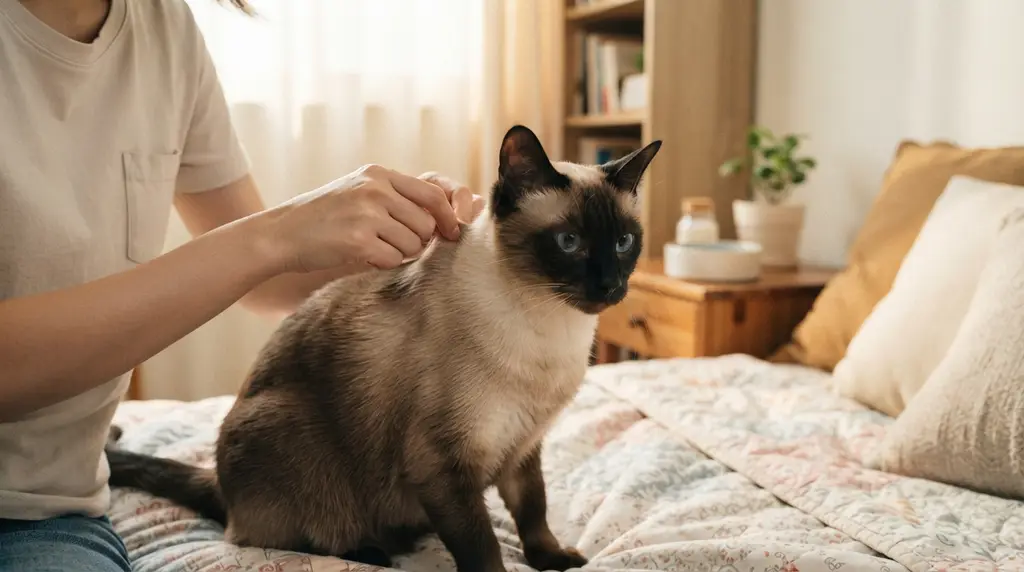
If even the typically cool nose, belly, and paw pads feel noticeably hot, and the cat is lethargic, unwilling to eat, and withdrawn, you should suspect a fever.
Hand-feel is not precise. For confirmation, it's best to take a rectal temperature. For more detailed instructions on how to check and measure, you can refer to these two articles: What is a Cat's Normal Body Temperature? Are Warm Ears and Nose a Sign of Fever? and What to Do If Your Cat Has a Fever? Normal Temperature, How to Measure, and Danger Signs.
Use "Combined Signals" to Assess Cat Health
Looking at the nose alone is meaningless. It's accurate to consider these factors together. This is how we record the health of cats staying with us daily:
| Observation Item | Normal | Needs Attention |
|---|---|---|
| Nose | Moist or slightly dry, clear | Thick, discolored mucus; cracked or broken skin |
| Ears/Paw Pads | Warm, cools down to normal | Persistently abnormally hot; cat is withdrawn |
| Appetite | Eats and drinks normally | Not eating for more than half a day |
| Energy Level | Interactive, playful | Hiding in corners, unresponsive to calls |
| Breathing | Steady, breathing with mouth closed | Panting with mouth open, rapid breathing |
If two or more items are abnormal simultaneously, stop worrying about nose dryness and schedule a veterinary assessment immediately.
Special Warning Signs for Fever and Heatstroke in Summer
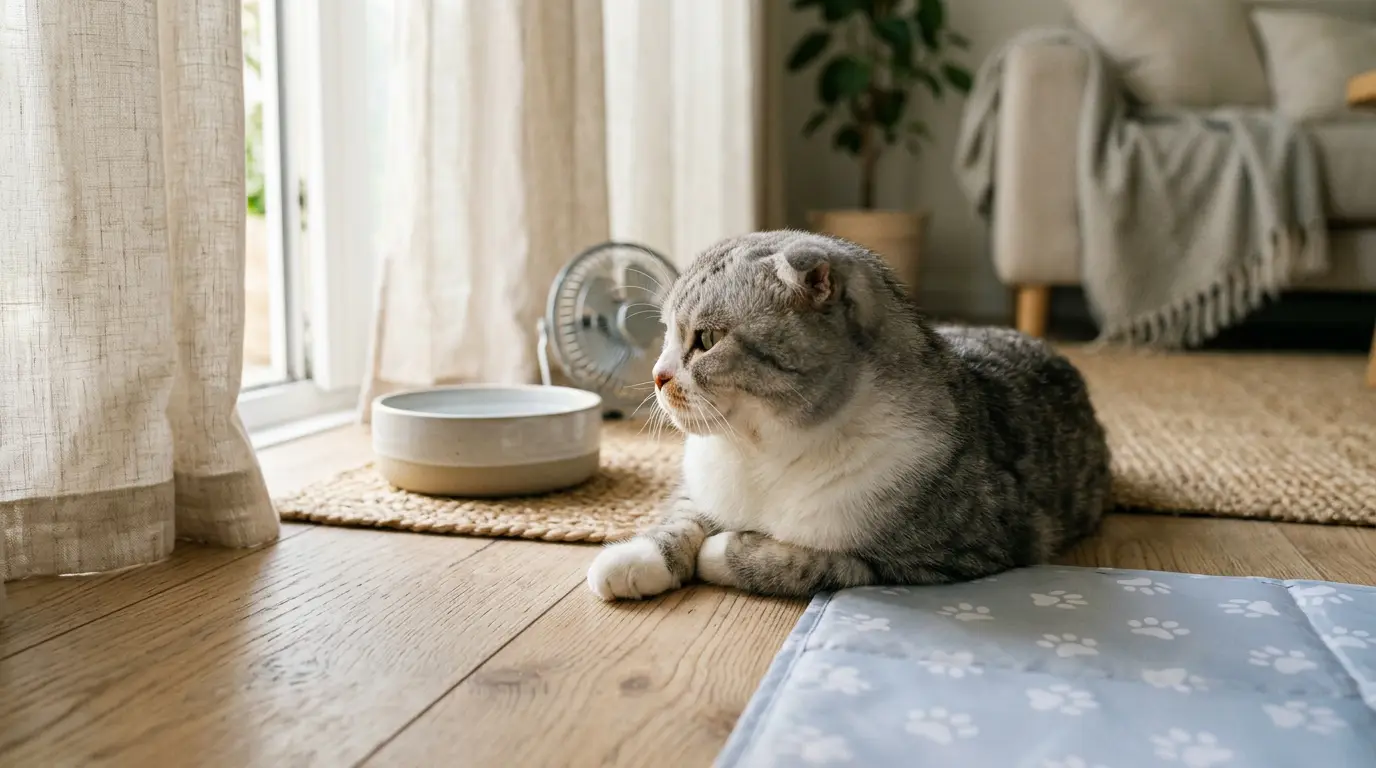
Taiwan's summers are hot and humid. Cats don't sweat efficiently to dissipate heat, making the interpretation of "warm ears" particularly crucial during this season. The real danger is heatstroke, not just a dry nose.
Typical signs of heatstroke include:
- Panting with mouth open, tongue out (This is rare in cats and a significant warning sign)
- Excessive drooling, red or purplish gums
- Lethargy, wobbly gait, or even seizures
If you see your cat panting with its mouth open, first determine if it's due to heat or illness. You can refer to Is It Normal for Cats to Stick Out Their Tongues and Pant? for guidance. For comprehensive information on cooling down in summer, heatstroke treatment, and prevention, we highly recommend saving our guide: Are Cats Afraid of Heat? Signs of Heatstroke, Panting, and Summer Cooling Guide.
> Reminder: If you suspect heatstroke, move the cat to a cool place, dampen their ears and paws with room-temperature (not ice-cold) water, and seek veterinary care immediately. Do not use ice water for rapid cooling.
How We Observe Nose and Temperature During Baths and Boarding
If a cat isn't dried properly after a bath, their body temperature can drop, making them susceptible to colds. That's why we always use a Quick-Dry Pet Towel to absorb excess water before blow-drying. During this process, we also check their nose and ear condition. The water temperature and frequency of baths in summer also require careful consideration; refer to How Often Should You Bathe Your Cat? Summer Bathing Frequency and Water Temperature for details.
If you plan to board your cat, a health check upon arrival is crucial. For owners who have booked boarding, we record appetite, energy levels, and temperature changes daily. These subtle abnormalities, which might be missed at home, can be detected earlier.
Frequently Asked Questions
Does a dry cat nose always require a vet visit?
Not necessarily. A slightly dry nose is normal after waking up or when in a dry, air-conditioned environment. Only seek veterinary care if the nose is persistently cracked or broken, or if accompanied by decreased appetite and energy.
Does a wet cat nose mean it's healthy?
Not entirely. A wet nose indicates normal nasal gland function but doesn't solely determine health. Conversely, a dry nose doesn't necessarily mean illness; it should be assessed in conjunction with body temperature, appetite, and energy levels.
Is a cat's warm ear a sign of fever?
Mostly not. Ears are heat-dissipating organs, and warmth after being in the heat or after activity is normal. Only if the nose and paw pads are also abnormally hot, and the cat shows decreased energy and appetite, should you suspect a fever and take a rectal temperature.
What is a cat's normal body temperature?
Approximately 38–39.2°C (100.4–102.6°F). Temperatures above 39.5°C (103.1°F) are considered high, and above 40°C (104°F) indicates a fever requiring prompt veterinary attention, especially in summer when heatstroke must also be ruled out.
My cat has nasal discharge but seems energetic. Should I be concerned?
Occasional clear, watery nasal discharge can be observed. If the discharge becomes thick and yellow-green, accompanied by frequent sneezing or lasting more than a day or two, a veterinary visit is recommended. If symptoms are severe, seek immediate medical attention.
This article was written by the CatBackyard editorial team. The content is a general sharing of care experience and cannot replace veterinary diagnosis. If your cat's symptoms persist or worsen, please seek veterinary care promptly.
CatGarden offers curated supplies, cat boarding, and grooming
Book services or shop online.