Blog
Cat Boarding Checklist: What Vaccinations Are Needed Before Check-In? Health Certificates, Flea Prevention, and Packing List
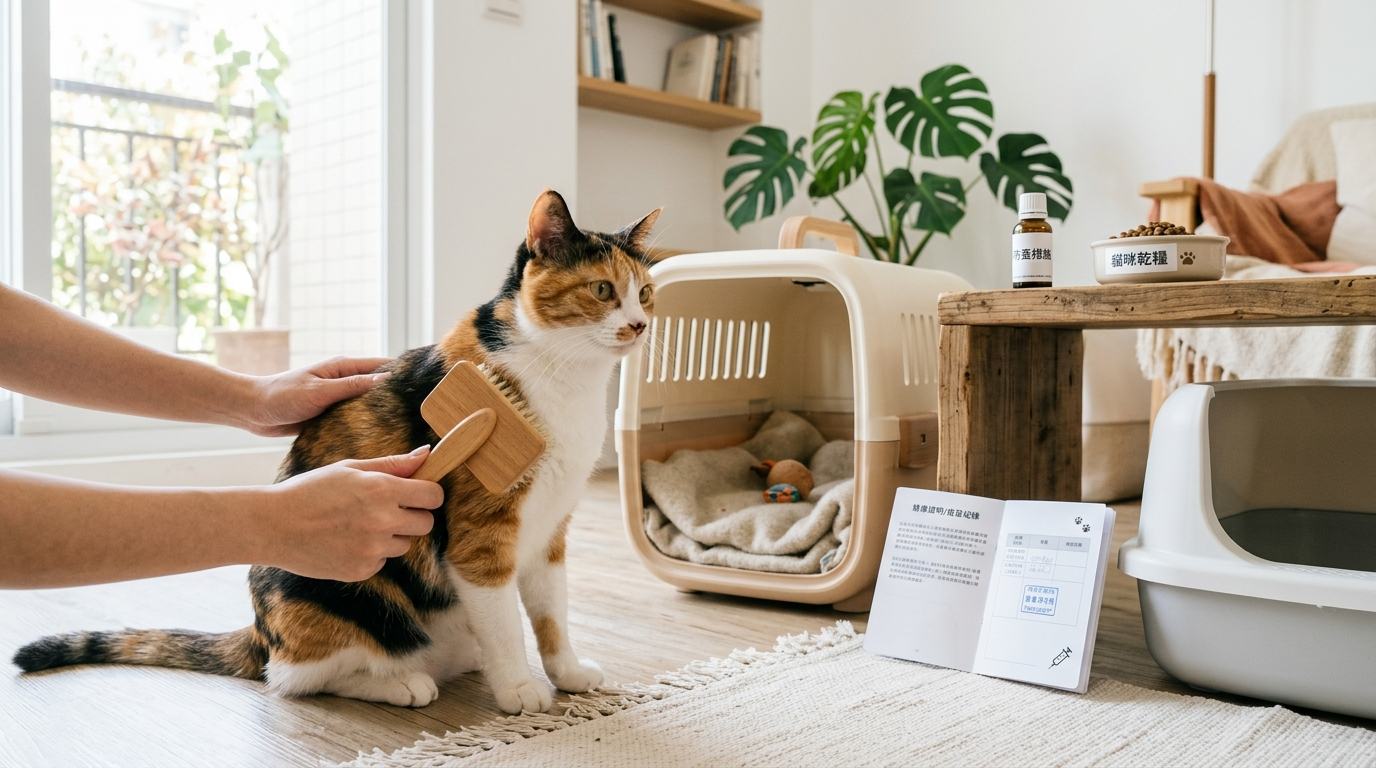
The two most crucial things to sort out before boarding your cat are vaccinations and external parasite prevention: most reputable cat hotels require cats to be vaccinated (with the vaccine still valid), have undergone external parasite treatment, and provide a health certificate or vaccination record. Failure to meet any of these requirements may result in refusal of service. Secondly, pack your cat's usual food, litter, and a familiar blanket that carries their scent to help them settle more quickly in a new environment.
This guide compiles the most frequently asked questions and common hurdles encountered when checking cats in at our facility, specifically for those planning to board their cats during peak travel seasons like summer vacation.
Key Takeaways
- Most cat hotels require the Feline Triple Vaccine (FVRCP) to be current, typically administered within the last year, and with at least 7–14 days passed since the last vaccination.
- It's recommended to complete external parasite treatment (flea/tick prevention) 3–5 days before check-in and bring the original vaccination record or health certificate.
- Cats that are new, recently received their first vaccination, or whose antibody levels are not yet fully established should not be boarded in a multi-cat facility before completing their full vaccination series.
- The packing list follows the principle of "no brand changes": bring your cat's usual dry/wet food, preferred litter, and a familiar blanket with their scent. This significantly reduces stress and the likelihood of soft stools.
- For cats with chronic illnesses or requiring medication, be sure to provide medications, dosage instructions, and your veterinarian's contact information, and confirm with the boarding facility beforehand if they can accommodate these needs.
Cat Hotel Vaccination Requirements: What Exactly Is Needed?
Here's the general vaccination requirement at most cat hotels in Taiwan:
1. Feline Triple Vaccine (FVRCP) (Core Requirement)
The Feline Triple Vaccine covers Feline Panleukopenia (Feline Distemper), Feline Viral Rhinotracheitis (Herpesvirus), and Feline Calicivirus. These are highly contagious in group environments and can be fatal, especially for kittens. This is the most essential vaccination for boarding.
Practical considerations:
- Kittens receiving their first vaccinations typically require 2–3 initial doses. Antibody levels are not fully established until about 1–2 weeks after the final dose, so don't plan to vaccinate the day before boarding.
- Adult cats usually need an annual booster. Ensure the date on the vaccination record is still within its validity period.
- It's recommended to complete the vaccination at least 7–14 days before check-in to allow sufficient time for antibody development.
2. Rabies Vaccine (Depends on Hotel Policy)
The rabies vaccine is a legally mandated vaccination in Taiwan, and some cat hotels require it as well. If your cat rarely goes outdoors and hasn't been vaccinated, check with the specific hotel about their policy to avoid last-minute issues.
3. Vaccination Record or Health Certificate
Simply stating that your cat has been vaccinated isn't enough. Please bring the original vaccination record or a health certificate issued by your veterinarian. We verify dates upon check-in not to be difficult, but to protect all the cats staying with us. If you're unsure about your cat's general health status, this article on Cat Blood Tests: When Is an Ultrasound Still Necessary? can help you decide if a pre-boarding health check-up is advisable.
> Note: Vaccinations only reduce the risk of illness and severe symptoms; they do not provide 100% protection. Choosing a boarding facility that rigorously checks vaccination records and maintains high standards of environmental disinfection is more indicative of quality than the vaccine itself.
Flea and Parasite Prevention: The Most Overlooked Step That Can Cause Big Problems
Fleas and ticks spread rapidly in group environments. Even if your cat doesn't go outside, bringing fleas home from boarding can necessitate a thorough cleaning of your entire house.
Our recommendations:
- Complete external parasite treatment (topical or oral, as recommended by your vet) 3–5 days before check-in, allowing the medication to become effective before arrival.
- If your cat hasn't been treated regularly, check the base of their tail and behind their neck for small black specks (flea dirt).
- If your cat also requires internal parasite treatment, discuss this with your vet at the same time.
What to Pack for Cat Boarding: A Complete Checklist
Many people assume boarding facilities provide everything, but maintaining familiar brands is key to reducing stress. The environment is already new; changing food and litter can significantly increase the chances of soft stools or refusal to eat.
Essentials to Bring
- Your cat's usual dry/wet food: Pack enough for the duration of the stay, plus 1–2 extra days. Portion it out and label it with feeding amounts and times.
- Familiar cat litter: Consistent scent and texture encourage cats to use the litter box. Litter like our Odor Control Mineral Litter 3.0 is low-dust and highly effective at odor control, making it a good choice even when transitioning to a new environment.
- An old blanket or piece of clothing with your scent: This is the cheapest and most effective way to provide comfort. More details on scent-based comfort can be found in What to Do If Your Cat Lacks Security?.
- Vaccination record/health certificate (as mentioned above).
Recommended Items
- Regular supplements or prescriptions: For example, Pro-Probiotics that your cat usually takes. Their digestive system can be sensitive to environmental changes, so maintaining their routine is beneficial.
- Familiar treats: These can help staff build trust with your cat and allow for observation of their appetite.
- An old carrier liner: Reduces stress during transport to and from the boarding facility, useful for vet visits as well. Refer to What to Do If Your Cat Is Stressed During Vet Visits? for scent-related preparation tips.
Important Information for Special Needs Cats
- Medication administration: Bring sufficient medication, clearly labeled with dosage and timing, and provide your veterinarian's contact information.
- Chronic illnesses/senior cats: Inform the facility about conditions like heart disease or kidney issues and provide key monitoring points. For senior cat care, refer to Senior Cat Cleaning: It's Not Just About Baths.
- Aggressive or extremely shy cats: Clearly communicate your cat's temperament so the facility can assess their ability to care for them and whether a separate space is needed.
Health and Behavioral Observations: When Not to Board Your Cat
As frontline staff, we've encountered many situations where cats show concerning symptoms just before departure. If your cat exhibits any of the following, it's best to consult a veterinarian and postpone boarding:
- Noticeable decrease in appetite, persistent vomiting, or diarrhea.
- Lethargy, hiding, reduced responsiveness to petting or calls—these are often early signs of pain or illness. Refer to Sudden Aggression or Hiding in Cats for more information.
- Rapid breathing, open-mouth panting, changes in gum color: Be especially vigilant for heatstroke during summer. Consult What Are the Early Signs of Heatstroke in Cats? immediately.
The purpose of boarding your cat during your absence is to ensure they are well-cared for, not to hand over a sick animal. Please be diligent in monitoring your cat's health.
How to Reduce Stress for a Cat Boarding for the First Time
- Book in advance, avoid last-minute arrangements: Peak seasons have limited availability, and you'll need time to complete vaccinations and parasite treatments.
- Maintain your cat's routine before boarding: Sudden changes in diet or enforced confinement can increase stress.
- Short trial stay: If time permits, consider a 1–2 night trial stay to observe your cat's adaptation.
- Maintain daily routines: This is especially important for cats that are new to your home or still building a sense of security. Review the environmental and routine principles in How to Care for a New Cat During Their First Week Home?.
If you are preparing for your cat's first boarding experience, we welcome you to book a stay. We will arrange a suitable space based on your cat's personality and review vaccination records and packing lists together upon check-in.
Frequently Asked Questions
Are vaccinations mandatory for cat boarding? Can unvaccinated cats stay?
Most reputable cat hotels require the Feline Triple Vaccine (FVRCP) to be current. This is a basic requirement to protect cats in a group setting. Unvaccinated cats or those with expired records are typically not allowed to board. It's recommended to schedule vaccinations 1–2 weeks in advance.
Can my cat board the day after receiving a vaccination?
No, this is not recommended. Antibodies take approximately 1–2 weeks to become fully effective. Boarding a cat in a group environment immediately after vaccination leaves them insufficiently protected. Please complete vaccinations 7–14 days before check-in.
Do I need to bring my own cat litter and food for boarding?
It is strongly recommended to bring your cat's usual litter and food. Environmental changes are stressful enough; switching food and litter can easily lead to soft stools or refusal to eat. Maintaining familiar products significantly reduces stress.
What if my cat stops eating during boarding?
A slight reduction in food intake for the first meal or two is common and usually resolves once the cat settles. If your cat refuses to eat for over 24 hours, especially with vomiting or lethargy, the boarding facility should contact you and assess the need for veterinary care. This highlights the importance of choosing a facility with dedicated staff for observation.
Can cats with chronic illnesses or requiring medication board?
In most cases, yes, but you must inform the facility in advance, provide medication, dosage instructions, and your veterinarian's contact information. Confirm that the facility can administer medication and monitor your cat. If your cat's condition is unstable, it's advisable to seek veterinary assessment before deciding on boarding.
---
*This article was written by the Mao Hou Yuan editorial team. The content provides general care and boarding preparation advice. If your cat exhibits symptoms such as loss of appetite, vomiting, rapid breathing, or significant lethargy that persist or worsen, please seek veterinary attention promptly.*
Hand-picked care, behaviour and grooming tips once a month. Subscribe and we will send you our three most-read articles right away.
Keep reading

What Are the Signs of Heatstroke in Cats? Recognizing the Three Stages: Gum Color, Panting, and Collapse
Cats will show early signs of heatstroke such as open-mouth panting, red or purplish gums, and lethargy. Understanding the three stages of warning signs and knowing the correct cooling methods before seeking veterinary care are crucial for saving their life.
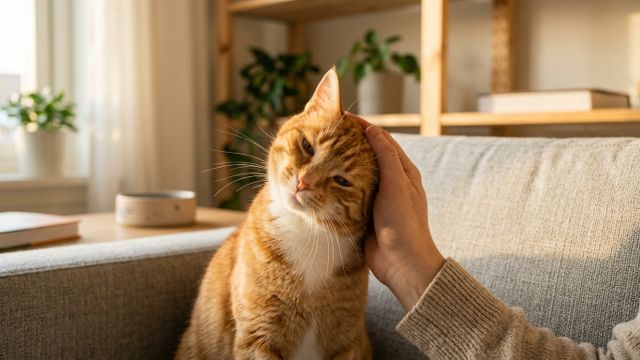
Cat Head-Butting and Rubbing: Is It All the Same Affection? Distinguishing Between Affection, Food Requests, and Scent Marking
When cats rub against you, it's often a mix of scent marking, asking for food, and seeking affection. By observing the timing, the body part they rub against, and their subsequent actions, you can understand what your cat is trying to communicate.
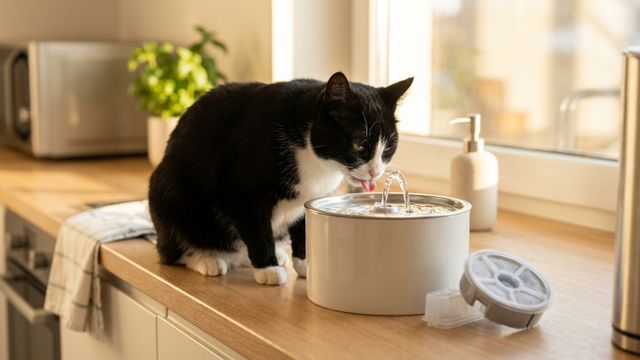
Cat Water Fountain Buying Guide: Prioritize Easy Cleaning, Water Flow, and Your Cat's Acceptance
When choosing a cat water fountain, the top priority is "Can you actually clean it, and are you willing to do so weekly?" followed by water flow and material. This guide covers cleaning, flow rate, and cat acceptance to help you avoid common pitfalls.
