Blog
How Often Should You Trim Your Cat's Nails? A Complete Guide to Trimming at Home, Tools, and What to Do If You Cut the Quick
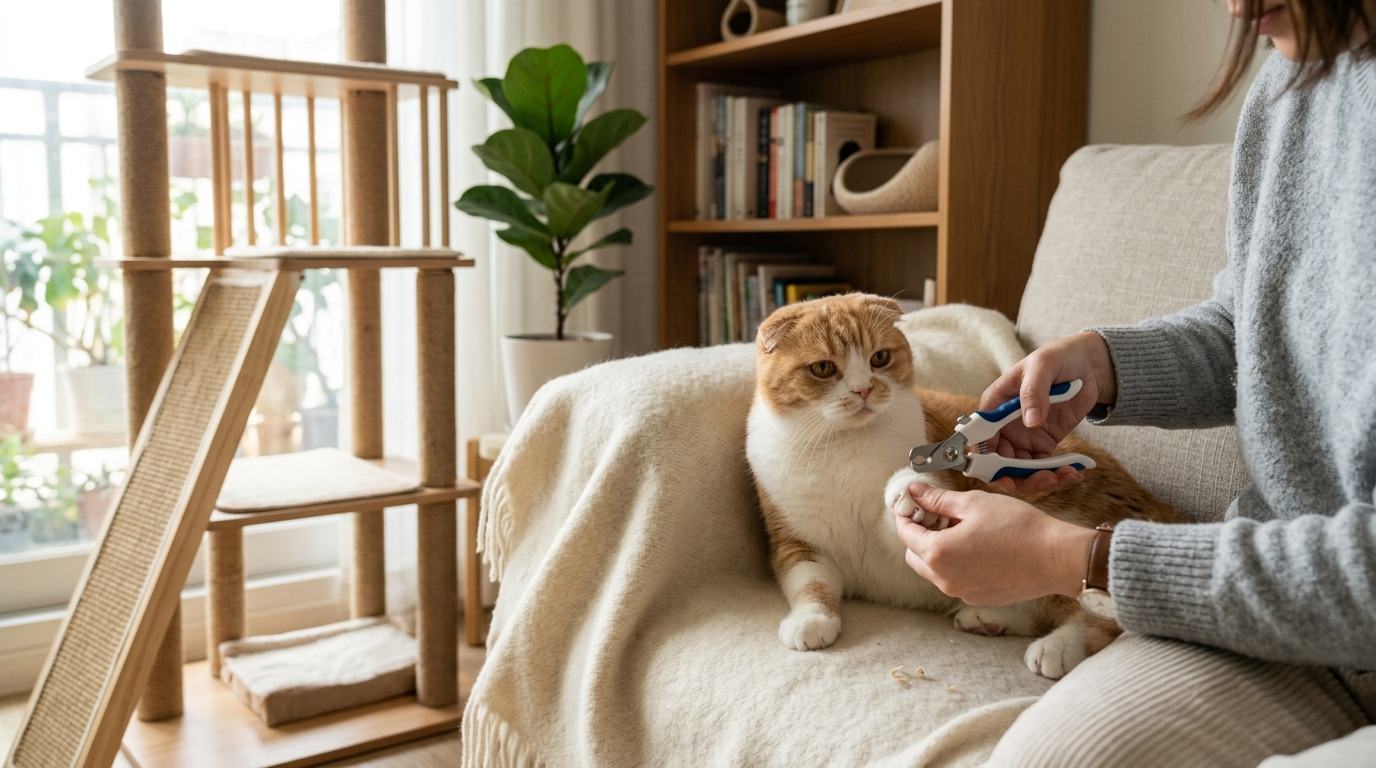
How often should you trim your cat's nails? Generally, adult cats need their nails trimmed about every 2-3 weeks, while kittens and older cats with low activity levels should be checked every 1-2 weeks. If you notice their nails are starting to curl, snag on fabrics, or poke you when you pick them up, it's time for a trim. Nail trimming doesn't require a trip to the groomer; most owners can do it themselves at home by mastering the right tools and techniques.
Key Takeaways
- Adult cats need their nails trimmed every 2-3 weeks on average; kittens, senior cats, and overweight cats with low activity levels need them every 1-2 weeks.
- Only trim the transparent tip, leaving about 2mm of space from the pink quick (blood vessel and nerve), to avoid bleeding and pain.
- It's normal if you can't finish in one go. Trimming 1-2 paws per day and completing it over time builds more trust than forcing it.
- If you accidentally cut the quick and it bleeds, applying styptic powder or a clean gauze pad with pressure for 30-60 seconds will usually stop it. Seek veterinary care if bleeding is persistent or the cat continues to lick the area.
- Cats can retract their front claws, but their back claws also need trimming and are often overlooked, leading to overgrowth.
Why is Trimming Your Cat's Nails Essential?
Many owners believe that since cats groom their own claws, nail trimming is unnecessary. However, scratching only removes the outer sheath of the claw, it doesn't shorten the nail itself. At our facility, we frequently encounter resident cats whose nails have grown so long they've curled back and are almost poking into their paw pads, causing them to limp, yet the owners are completely unaware.
Overgrown nails can lead to several practical problems:
- Scratching themselves or their owners: Snagging on sofas or clothing when jumping up or down can cause painful tears and bleeding.
- Puncturing paw pads: This is most common in senior cats. Overly curved nails can pierce the paw pads, leading to inflammation and infection.
- Affecting gait: Long nails can alter weight distribution, impacting joints over time.
Nail trimming is a fundamental at-home grooming task that every owner should learn. It's part of a comprehensive care routine, and you can integrate it into your pet care calendar alongside our guide on How Often Should You Bathe Your Cat? A Guide to Bathing, Nail Trimming, Ear Cleaning, and Grooming Schedules.
How Often Should You Trim Your Cat's Nails? Adjust Based on Age and Lifestyle
There's no one-size-fits-all answer to "how often should you trim your cat's nails?" It depends on your cat's individual circumstances:
Kittens (4 months - 1 year)
Kittens' nails grow quickly and are fine and sharp. It's recommended to check them every 1-2 weeks. More importantly, this is the stage to get them accustomed to having their paws handled. Building positive associations while they are young will make nail trimming much easier as they grow.
Adult Cats (1-7 years)
Most healthy adult cats need trims every 2-3 weeks. Cats with scratching posts and high activity levels can go 3-4 weeks between trims, but their back claws should still be checked regularly.
Senior Cats and Overweight Cats (7+ years or low activity)
This group requires the most attention. They groom their nails less frequently, their nails are harder and more prone to splitting, and the quick may be less visible. It's recommended to check them every 1-2 weeks. We most commonly find senior cats with back claws puncturing their paw pads during boarding stays.
> Quick Tip: Cats naturally groom and retract their front claws, making them appear "shorter." Their back claws, however, are rarely groomed and tend to overgrow. Never forget to trim the back claws.
What Tools Do You Need for Cat Nail Trimming?
The right tools make the process quick and safe. Here's a basic checklist of "cat nail trimming tools":
- Cat-specific nail clippers: Whether scissor-style or guillotine-style, the key is sharp blades. Dull clippers will "crush" the nail rather than cut it, causing pain and splitting. Human nail clippers are not recommended as their opening and curve are not suited for cat claws.
- Styptic powder (Important): This is essential to have at home for quick hemostasis if you accidentally cut the quick. Cornstarch or clean gauze applied with pressure can also work in a pinch.
- Towel or large bath towel: For cats who struggle, you can use the "burrito wrap" method, leaving only the paw to be trimmed exposed.
- Treats: Reward your cat immediately after trimming to create a positive association with the experience.
You don't need expensive tools, but your nail clippers must be sharp and comfortable to use. If you're looking to get all your basic grooming supplies at once, you can browse our Shop.
Correct Steps for Trimming Your Cat's Nails
Step 1: Choose the Right Time
Select a time when your cat is relaxed, perhaps just waking up or after a meal. Avoid trying to trim their nails when they are actively playing or feeling anxious. Ideally, hold your cat on your lap or have them lie on their side, with their back against your body; this provides them with a sense of security.
Step 2: Extend the Nail
Gently hold one toe between your thumb and index finger and apply slight pressure forward to extend the nail. Be gentle and steady; don't force it.
Step 3: Locate the Quick
Hold the nail up to the light. You'll see a pinkish area near the base of the nail – this is the quick, containing blood vessels and nerves. Trim only the transparent tip, leaving about 2mm of space in front of the quick. For cats with dark nails where the quick is hard to see, it's better to trim a little less and do it in two passes.
Step 4: Cut the Transparent Tip in One Motion
Align the clippers parallel to the nail and cut off the curved tip from top to bottom. Pet your cat and offer a treat after cutting.
Step 5: Complete in Stages, Don't Aim for One Session
Many cats won't calmly allow you to trim all eighteen nails (including back paws) at once. Trimming 1-2 paws per day is perfectly acceptable. Completing it over two or three days will foster less resistance from your cat. We use this segmented approach even when grooming sensitive cats at our facility.
After trimming, take a moment to check your cat's paw pads and toes for any redness or swelling. If you notice them constantly licking a particular paw, refer to Is Your Cat Constantly Licking Their Front Paws? Reasons from Grooming to Anxiety and Skin Conditions to determine if there might be other issues.
What to Do If Your Cat's Nails Bleed During Trimming
Even professional groomers occasionally cut the quick, so don't be too hard on yourself. The important thing is knowing how to handle "cat nail bleeding" when it happens:
1. Stay Calm and Secure the Cat: The more you panic, the more the cat will struggle, potentially leading to more bleeding.
2. Apply Styptic Powder: Take a small amount of styptic powder and apply it directly to the bleeding nail tip, holding for 30-60 seconds. If you don't have styptic powder, applying pressure with clean gauze or a tissue can also stop the bleeding, though it may take longer.
3. Confirm Bleeding Has Stopped: In most cases, bleeding will stop within a minute. Once it has stopped, avoid letting your cat walk on litter immediately. Let them rest in a clean area first to prevent bacteria from entering the wound.
4. Pause Nail Trimming: Do not trim the affected paw for the rest of the day to allow your cat's emotions to settle.
When to Seek Veterinary Care
- If bleeding continues after 5 minutes of pressure.
- If the nail is split entirely, avulsed, or internal tissues are visible.
- If the cat continuously licks the paw, or the toe becomes red, swollen, or infected.
In these situations, seek veterinary attention promptly, especially if your cat has any clotting disorders. Minor quicking that stops bleeding quickly usually doesn't require a vet visit.
My Cat Absolutely Refuses to Let Me Trim Their Nails, What Should I Do?
If your cat freaks out, shakes their leg, or growls when you touch their paws, don't force it, as it can lead to mutual injury and increase their fear. Observe their body language, such as the signals in their Tail Language, which can reveal their level of anxiety.
Here are some practical strategies:
- Handle Paws Regularly: Even when not trimming, frequently touch their paws and gently press their toes to normalize being handled.
- Use the Towel Wrap Method: Wrap your cat in a towel, exposing only one paw at a time. This can significantly reduce struggling.
- Break it Down & Use Treats: Trim one paw per day, and immediately offer their favorite treat afterward.
If you are completely unable to trim their nails at home, or if their nails have already grown long enough to pierce their paw pads, it's best to leave it to the professionals. For owners in Banqiao, you can book an appointment for grooming directly. We will trim their nails gently and can also check their paw pads and ears. If you'd like to understand pricing and procedures first, refer to How to Choose a Cat Groomer in Banqiao? Bathing, Nail Trimming, and Haircut Prices & Booking Guide.
If you plan to board your cat with us book boarding, we recommend trimming their nails before their stay to prevent them from scratching themselves out of stress in an unfamiliar environment.
Frequently Asked Questions
How often should cat nails be trimmed?
Adult cats need trims every 2-3 weeks on average. For kittens and senior cats, it's recommended to check every 1-2 weeks. Trim when you notice nails curling, snagging, or poking. Don't adhere strictly to a fixed schedule.
Does cat nail bleeding always require a vet visit?
Not necessarily. Minor quicking usually stops bleeding within 30-60 seconds with styptic powder. If bleeding persists after 5 minutes of pressure, if the nail is split, or if the wound is red, swollen, or infected, then veterinary care is needed.
Should back cat claws also be trimmed?
Yes. Cats groom and retract their front claws, but their back claws are rarely self-maintained and are more prone to overgrowth, potentially piercing the paw pads. Never forget to trim the back claws.
Can scratching posts replace nail trimming?
No. Scratching only removes the outer sheath and doesn't truly shorten the nails. Regular trimming is still necessary, especially for back claws and for cats that don't scratch much.
My cat won't let me trim their nails, what should I do?
Start by handling their paws regularly to build trust, use the towel wrap method, and trim in stages (1-2 paws per day). If you consistently cannot complete the task, it's best to consult a professional groomer to avoid mutual injury from forcing the process.
---
*This article was written by the CatBackyard editorial team and provides general care experience. If your cat exhibits persistent bleeding, paw redness, or behavioral changes, please consult a veterinarian promptly.*
One email a month: hand-picked cat care tips and new arrivals. No spam.
Keep reading
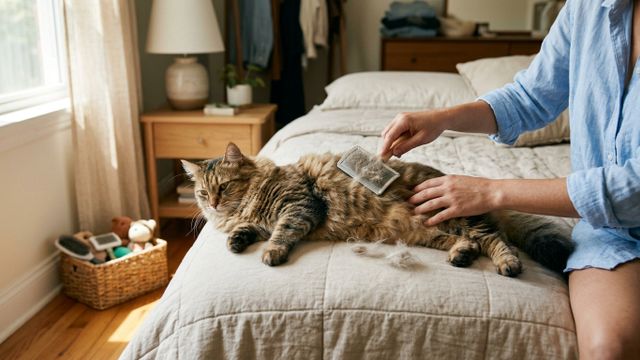
When is Cat Shedding Season? Is Heavy Summer Shedding Normal? A Guide to Grooming Frequency and Dietary Strategies
Cat shedding season primarily occurs in spring (March-May) and autumn (September-November). Heavy shedding in summer is usually normal. This article helps you distinguish between normal shedding and abnormal hair loss, and provides strategies for grooming frequency, diet, and environment.

What is a Normal Cat Body Temperature? A Complete Guide from Paw Pads to Rectal Temperature (Including Senior Cats and Summer Variations)
A cat's normal body temperature is around 38.1–39.2°C (100.6–102.6°F), about 1–1.5 degrees higher than humans. This article compares the reliability of three home measurement methods with a numerical table, teaching you how to accurately interpret your cat's temperature.
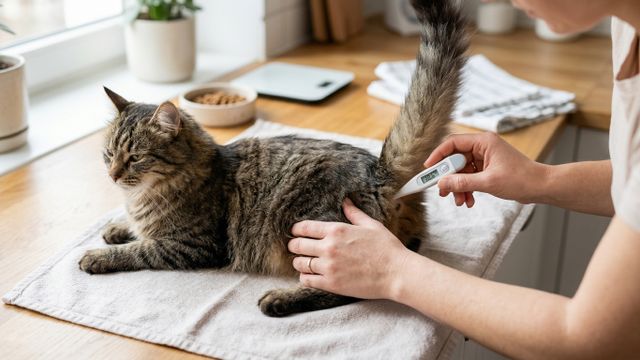
What Temperature is Considered a Fever in Cats? How to Tell if Their Paws or Ears Are Hot, with Home Temperature Measurement Steps
A cat's normal body temperature ranges from 38-39.2°C (100.4-102.6°F). Anything above 39.4°C (102.9°F) is considered a fever. While touching their paw pads or ears can offer clues, the most accurate way to determine temperature is via rectal measurement. This article provides complete home measurement steps.
