Blog
Cat Head-Butting and Rubbing: Is It All the Same Affection? Distinguishing Between Affection, Food Requests, and Scent Marking
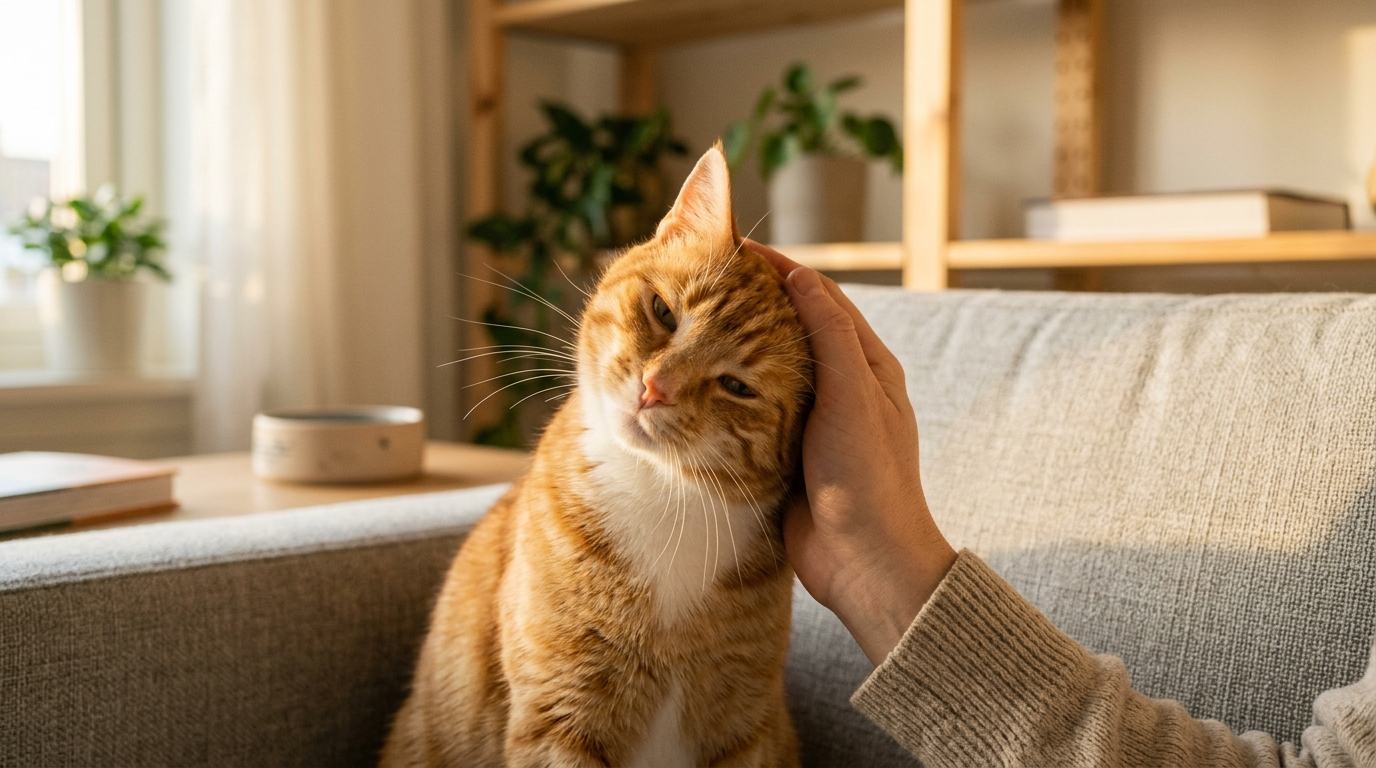
When your cat constantly rubs against you and head-butts you, it's not just one type of affection, but a combination of scent marking, food requests, and interactive affection. To understand what your cat is trying to say with this gesture, the key isn't the action itself, but rather three contextual clues: "when," "which body part," and "what happens next."
At our facility, we see dozens of cats daily. The same "rubbing" behavior can mean different things: a cat new to the environment might be rubbing for scent-based security, while a regular visitor might be rubbing because "it's time to eat." These require entirely different responses. Here's how to break down cat rubbing behavior.
Key Takeaways
- Cats have scent glands on their cheeks, chin, and forehead. When they head-butt you (bunting), they are primarily marking their scent, incorporating you into their "family" scent group.
- The three most accurate clues to decipher the meaning of your cat's rubbing are: the timing, the body part involved, and the action that follows.
- Rubbing that consistently occurs before or after feeding, accompanied by vocalizations and leading you towards the food bowl, is usually a request for food, not just affection.
- When a cat rubs and then rolls over, stays still, or nudges its head towards your hand, these are clear signals for petting.
- A sudden significant increase or decrease in rubbing behavior, especially when accompanied by changes in appetite or activity level, should first prompt a check for pain or illness, rather than being dismissed as a personality change.
Why Do Cats Rub Against You? Understanding the Physiology Behind "Head-Butting"
Cats have scent glands in their cheeks, chin, corners of their mouth, and forehead. When your cat head-butts you or rubs its face back and forth against your legs or hands, it's leaving its scent on you.
This action has a specific name: bunting. For cats, depositing the same scent on objects, furniture, and doorways that they trust creates a "familiar and safe" group scent circle. When your cat rubs against you, it's essentially certifying you as "one of their own."
Therefore, the most fundamental meaning behind cat rubbing is always "scent marking = you are mine, this place is safe." However, this is layered with other immediate needs, which is why you can't just look at the action; you must consider the context.
How to Distinguish Between Three Intentions: Look at Timing, Body Part, and Next Action
1. Scent Marking: Subtle, Routine, and Moving On
Typical Scenarios:
- When you've just returned home, changed clothes, or have outdoor scents on you, your cat rubs against your ankles or pant legs.
- The rubbing usually involves the sides of the cheeks and chin, with smooth, unhurried movements, and they don't necessarily look at you.
- After rubbing, they typically walk away on their own or go to rub against doorframes or furniture.
This type of rubbing isn't seeking a specific response from you; it's the cat "re-applying its scent." When you come home and are rubbed, it's actually because your cat perceives your scent as unfamiliar and needs to re-mark you.
If a cat in your home lacks security long-term or experiences frequent environmental changes, this marking behavior might become more frequent. For a more comprehensive approach to adjusting the environment, you can refer to What to Do When Your Cat Lacks Security? Start by Checking Routine, Scent, and Hiding Routes.
2. Food Request: Precise Timing, Vocalizations, and Leading the Way
This is the intention most easily mistaken for pure affection. Food-request rubbing has several distinct characteristics:
- Fixed Timing: It almost always occurs around your usual feeding times, or when you walk into the kitchen or open a can of food.
- Accompanied by Vocalizations: They meow while rubbing, often with a higher-pitched, more urgent tone.
- Leads the Way: After a couple of rubs, they will walk towards the food bowl, looking back to see if you're following.
The most obvious example at our facility is when regular visitor cats frantically rub against cage doors or our hands around their usual mealtime. Once fed, they immediately ignore us. This is a classic "food request rub"; while there's an emotional component, the primary message is hunger.
Important Note: If you give treats every time your cat rubs, you'll create a reinforcement loop where "rubbing equals food." Your cat will rub more intensely, and weight gain can become an issue. To see if your cat is overeating, check out Is Your Cat Gaining Weight Just Because? First, Look at Body Condition Score, Waistline, and 3 Warning Signs to See a Vet.
3. Affection Request: Rubbing and Then "Waiting" for You, Offering Their Body
True affection-seeking rubs are relaxed rather than urgent:
- The rubbing often involves their forehead or the top of their head nudging towards your hand, or even using their head to butt your stationary hand.
- After rubbing, they don't immediately leave. Instead, they might freeze, roll over, squint their eyes, and purr.
- When you reach out to pet them, they will turn their head towards your palm, lifting their chin for you to stroke.
This is the closest to what we understand as "affectionate interaction." They aren't just marking; they want a response, want to be petted, and want to spend time with you.
The best response at this time is to gently pet the area they are nudging towards (chin, cheeks, forehead), avoiding the belly and base of the tail, which many cats dislike being touched. The more you respect their pace, the more stable these intimate interactions will become.
What About "Kneading"? Is It the Same as Rubbing?
Kneading (rhythmic pressing with the front paws) often occurs alongside rubbing, but their underlying meanings are slightly different.
Kneading originates from the instinct of kittens pressing their mother's belly to stimulate milk production. When adult cats knead, it usually signifies that they are feeling extremely secure, relaxed, and have regressed to a contented kitten-like state. This is often accompanied by purring, drooling, and sometimes gentle nibbling on blankets.
So, when a cat kneads on your lap and rubs against you, it's typically a combination of "seeking affection + high trust," which is a very high level of intimacy. You can let them knead quietly; there's no need to stop them (unless their claws are too sharp, in which case you can place a blanket underneath).
To get a more complete understanding of your cat's level of trust, their sleeping position is actually a more honest indicator than rubbing. We recommend reading the related article What Does Your Cat's Sleeping Position Mean? Interpreting Sleep Posture, Location, and Affection Level.
Quick Comparison: My Cat Keeps Rubbing Me, What Do They Want?
| Clue | Scent Marking | Food Request | Affection Request |
|---|---|---|---|
| Timing | After you come home, change clothes | Before/after feeding, when entering the kitchen | Anytime, usually when you're free and sitting down |
| Vocalization | Little | Urgent meows while rubbing | Purring, soft |
| Post-Rub Action | Walks away to rub elsewhere | Leads towards food bowl, looks back at you | Freezes, rolls over, nudges head towards hand |
| What You Should Do | No specific response needed | Confirm feeding amount, don't add extra treats | Gently pet the area they nudge |
Remember: These three intentions often blend together. A single rub might simultaneously involve "marking + seeking affection." The key is to identify the "primary request" – the one thing they want most.
When Should "Constant Rubbing" Raise a Red Flag?
Cat rubbing itself is a healthy and normal behavior. However, sudden changes in behavior are what we at the facility pay closest attention to as warning signs:
- A cat that didn't used to rub much suddenly becomes very clingy and rubs constantly, meowing: This could be due to anxiety, environmental stress, or discomfort, indicating they might need help.
- A cat that used to love rubbing suddenly stops altogether and hides: When cats are sick or in pain, they often behave unusually and may not want to be touched.
- Rubbing accompanied by decreased appetite, reduced activity, excessive licking of a specific area, or constant yowling at night.
In these situations, don't rush to interpret it as a "personality change." Cats are adept at hiding discomfort, and behavioral changes are often the earliest signals. We recommend first reading Your Cat Suddenly Becomes Aggressive or Hides – Don't Just Blame Temperament: It Could Be Early Signs of Pain or Illness and Cat Urinating Inappropriately, Attacking, or Over-Grooming? Rule Out Illness Before Addressing Behavior Problems. If they are also yowling abnormally at night, refer to Your Cat Yowling All Night Isn't Just to Annoy You. If symptoms persist for more than a day or two or worsen significantly, seek veterinary attention promptly.
How to Encourage Your Cat to Be More Affectionate
1. Respect Interactions Initiated by Them: Pet your cat when they come to rub against you or approach you. This builds more trust than forcing interaction.
2. Maintain a Consistent Routine: Stable feeding, playtime, and sleep schedules increase your cat's sense of security, leading to more relaxed and natural affectionate behaviors.
3. Utilize Scents and Positive Reinforcement: Offering moderate amounts of Premium Catnip or using clicker training for positive interactions can encourage your cat to approach you more willingly. For training methods, see How to Start Clicker Training.
4. Don't Respond to Every Rub with Treats: Instead, use petting or playtime to respond to affection-seeking rubs, avoiding the reinforcement of "rubbing = food" and preventing requests from becoming demands.
If you're deciding whether to get a clingy or independent cat, or want to help a new cat trust you faster, New Cat Owner: Clingy or Independent Cat? Consider Routine, Interaction Needs, and Security First will be very helpful.
Frequently Asked Questions
What does it mean when my cat head-butts me?
Head-butting (bunting) is primarily the cat using scent glands on its face to deposit pheromones on you, marking you as "one of their own." It's an expression of trust and affection. If accompanied by rolling over and purring, it usually also indicates a request for petting.
Does my cat rubbing against me always mean they like me?
Not entirely. At its core, rubbing involves "scent marking and recognizing you as part of their group," but it could also be a primary request for food at that moment. The timing and subsequent actions are the most accurate indicators: leading you towards the food bowl usually means they want food, while nudging towards you for pets signifies a desire for interaction.
My cat keeps rubbing me and meowing, is something wrong?
If it's around feeding time, it's usually a request for food. However, if a cat that didn't used to rub much suddenly becomes very clingy and meows excessively, especially with changes in appetite or activity, be aware it could be stress or physical discomfort. Observe the situation and seek veterinary care if necessary.
My cat rubs me and then walks away, do they dislike me?
No. Rubbing and then walking away often means they have completed their scent marking, achieved their goal, and it's a very routine behavior. The fact that they are willing to rub against you indicates they consider you a safe presence, so there's no need to overinterpret.
My cat is kneading and rubbing against me, should I stop them?
No. Kneading usually signifies a high level of relaxation and trust, which is a positive state. If their claws are too sharp, you can place a blanket on your lap for them to knead on, allowing them to continue without forcefully pushing them away and disrupting their comfort.
---
*This article was written by the CatBackyard editorial team, combining observations from our cat hotel and grooming services. The content is for general care and behavioral knowledge sharing and cannot replace veterinary diagnosis. If your cat's behavior changes significantly or is accompanied by physical discomfort, please seek veterinary attention promptly.*
Hand-picked care, behaviour and grooming tips once a month. Subscribe and we will send you our three most-read articles right away.
Keep reading
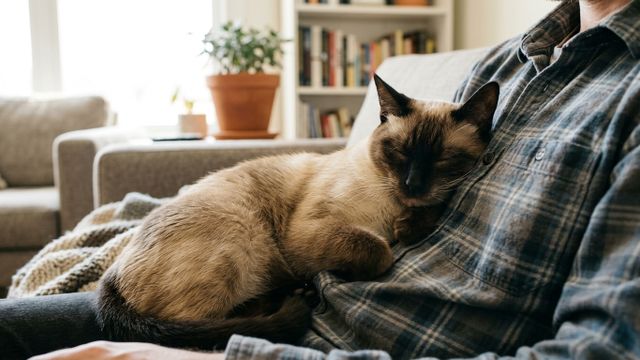
Why Do Cats Like to Lie on People and Sleep Clingy? Understanding Trust, Warmth, and Territory
Cats enjoy lying on people primarily because they trust you, consider you their safest territory, and your body temperature is their preferred source of warmth. This article breaks down the three main reasons: trust, seeking warmth, and territorial marking.
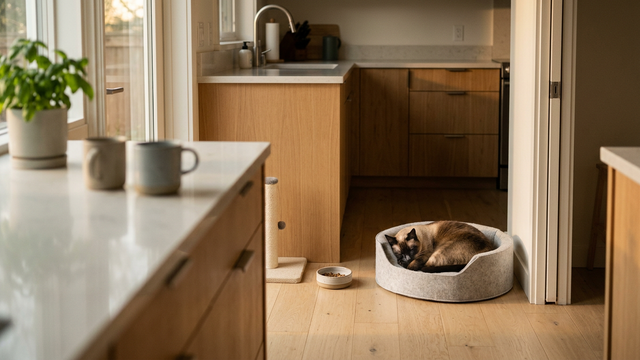
What Does Your Cat's Sleeping Spot Reveal? Decoding Trust from Sleeping Beside You to at the Door
The closer your cat sleeps to you, the higher its trust usually is. Sleeping by your pillow or on your chest signifies deep dependence, while sleeping at your feet indicates comfort with a bit of distance. Sleeping by the door often suggests alertness or territorial guarding.
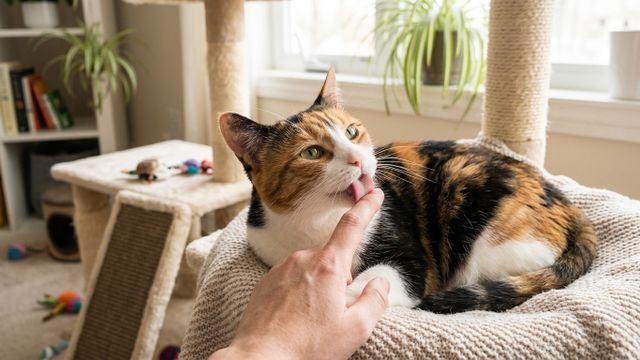
What Does It Mean When Cats Lick You? Understanding Licking Hands, Licking You, and Interpreting Your Cat's Affection
When cats lick people, it's usually an intimate grooming behavior that signifies they see you as part of their own kind, representing trust and affection. However, it can also sometimes be a sign of begging for food, imitation, or stress. This article breaks down the behavior from both ethological and emotional perspectives.
