What is Cat Stress Response? Common Causes, Symptoms, and Soothing Methods
Cat stress is more than just being startled; it's a physical and psychological reaction to pressure. Long-term stress can affect appetite, elimination, and immunity. Cat stress can be triggered by moving, strangers, noise, vet visits, or environmental changes. This article outlines stress symptoms, soothing methods, and prevention tips.

Cat stress is more than just being startled; it's a physical and psychological reaction to pressure. Long-term stress can affect appetite, elimination, and immunity.
Cat stress can be triggered by moving, strangers, noise, vet visits, or environmental changes. This article outlines stress symptoms, soothing methods, and prevention tips.
Did you know? Seemingly harmless stress is the number one hidden killer of cat health. When cats exhibit hissing, hiding, or aggressive behaviors, they may be experiencing a "Stress Response." If this acute physiological and psychological abnormality is ignored long-term, it can not only affect the human-cat bond but, in severe cases, even trigger fatal diseases like Feline Infectious Peritonitis (FIP)!
Cats are naturally sensitive, and any slight disturbance can set off their alarm bells. As cat parents, understanding your cat's stress signals and learning how to soothe them is our most important task. CatGarden has compiled four major stressors and coping techniques certified by veterinarians to help you create an environment where your cat feels safe and secure.
Why is My Cat "Stressed"? Four Common Stressors
What we use for this
CatGarden’s own products, shipped from Taiwan Premium CatnipFrom CA$36.65 per jarFree shipping on multi-packs
Stressor 1: Environmental Changes (Moving, Outings, New Family Members)
Cats are highly territorial animals with a strong need for environmental stability.
- Common Signs: Hiding under beds or in high places, dilated pupils, not eating or drinking, eliminating outside the litter box.
- Soothing Methods: Establish a Safe Haven: Whether moving or welcoming a new member (human or pet), first prepare a quiet, undisturbed room for your cat, filled with familiar beds, toys, and food/water.
- Gradual Adaptation: Let your cat explore the new environment or get to know new companions at their own pace. Never force social interaction.
Stressor 2: Unfamiliar People and Things (Visitors, Deliveries, Loud Noises)
Sudden visitors, doorbell rings, thunder, or construction noise can feel like an invasion to a cat.
- Common Signs: "Airplane ears," body lowered, hissing or growling, quick escape.
- Soothing Methods: Utilize Calming Aids: When unavoidable unfamiliar stimuli occur (like friends visiting), use calming aids to distract them beforehand. For example, sprinkle some CatGarden | Premium Catnip on a scratching post or toy. Its natural scent effectively attracts the cat's attention, and behaviors like rolling and rubbing help them release stress hormones, quickly easing tension and anxiety. It's the most natural relaxant for cats.
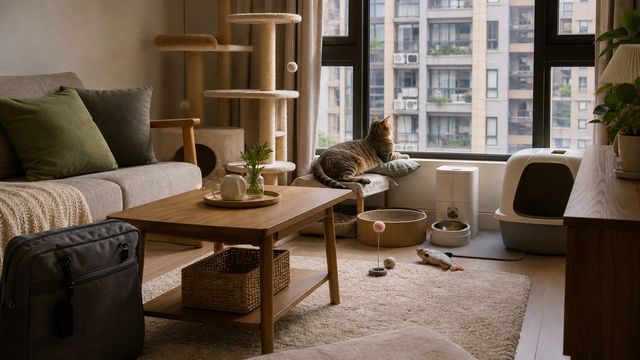
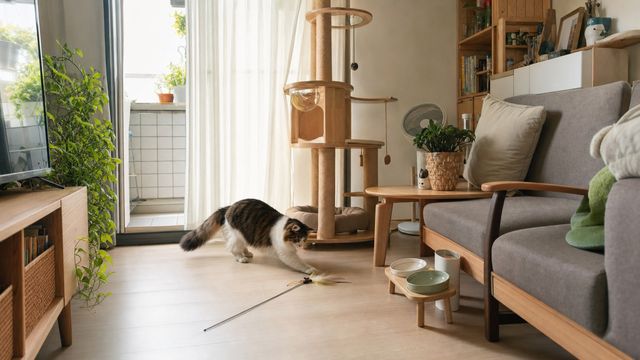
- Provide Vertical Space: Set up cat trees or clear spaces at high levels, allowing cats to observe from above, which makes them feel more secure and in control.
Stressor 3: Unpleasant Experiences (Vet Visits, Nail Trims, Baths)
Cats have excellent memories. A single bad experience can cause them to associate specific people or things with fear.
- Common Signs: Intense resistance, trembling, drooling, desperate attempts to escape.
- Soothing Methods: Desensitization Training: Regularly expose your cat to carriers and nail clippers, offering treats as rewards to build positive associations.
- Seek Professional Help: Choosing a "Cat-Friendly Clinic" or working with a patient, professional cat groomer can significantly reduce your cat's fear.
Stressor 4: Physical Discomfort or Pain
When a cat's behavior changes suddenly, it's often because they are enduring pain or illness.
- Common Signs: Decreased appetite, excessive grooming (leading to bald patches), lethargy, changes in elimination habits.
- Soothing Methods: Immediate Veterinary Care: Stress response is a cat's cry for help. If you notice behavioral changes accompanied by physical symptoms, take them to the vet for a thorough examination immediately to rule out underlying health issues.
Golden Rules for Soothing a Stressed Cat: What Cat Parents Can Do
When your feline overlord is overwhelmed with stress, your reaction is crucial. Please remember these principles:
- ✅ Stay Calm: Cats can sense your emotions. The calmer you are, the more relaxed your cat will be.
- ✅ Gentle Presence, No Force: Simply stay near your cat, speak in a soft tone, and avoid forcing hugs or petting.
- ✅ Offer Choices: Ensure your cat always has an escape route and can retreat to a place they feel safe.
- ✅ Consult a Veterinarian: If stress responses occur frequently or persist, be sure to seek help from a veterinarian or animal behaviorist.
Understanding and respecting your cat's sensitive nature is a mandatory lesson for every competent cat parent. Only then can we build a truly safe and happy home for them.
Frequently Asked Questions FAQ
Should I adjust all these suggestions at once?
No, it's not recommended. Cats are sensitive to changes in their environment and habits. It's best to adjust one or two things at a time, observe their reaction, and then proceed.
How do I use the "Further Reading" section?
You can scroll down to read related care content based on the article's topic to build comprehensive knowledge on health, behavior, or environmental care.
CatGarden | A villa-style pure cat hotel in Banqiao, offering boarding and grooming services.
Further Reading
- Decoding Cat Body Language | Understand Your Cat's Emotions and Needs Through 9 Signs
- What Does it Mean When Your Cat Shows Its Belly? 4 Scenarios and Interaction Methods
- How to Build a Cat's Sense of Security? 4 NG Behaviors and Correct Interaction Methods
→ Learn about CatGarden - The Brand Closest to Cats
CatGarden offers curated supplies, cat boarding, and grooming
Book services or shop online.