Is Cat Health Monitoring Necessary? Smart Collars, Breathing Records, and What to Check Before Seeing the Vet
Why has cat health monitoring become popular recently? "Cat health monitoring" has been discussed more frequently in recent years, mainly because more cats live indoors with fixed activity ranges, making it easier for owners to notice subtle daily changes.
Key takeaways
- The four most practical basic indicators for monitoring your indoor cat's health are: breathing during quiet sleep, normal activity level, changes in appetite, and litter box habits. Expensive equipment is not always necessary.
- When recording your cat's breathing, observe them while they are deeply asleep or resting quietly. Count the number of chest or abdominal movements for 30 seconds and multiply by 2 to get the breaths per minute.
- Common data from smart collars and apps include activity levels, rest time, weight trends, feeding frequency, and water intake records. These are useful for comparing 'changes from normal,' but cannot be used for disease diagnosis.
- If your cat is panting, breathing with an open mouth, struggling to breathe, frequently using the litter box, not eating at all, or shows a significant decrease in energy, do not just wait for data to accumulate; contact your veterinarian as soon as possible. For adult cats, if they barely eat for over a day, or if accompanied by vomiting, lethargy, hiding, or weight loss, contact the vet clinic promptly.
- Prioritize observation methods that can be sustained. Spend just 1 minute each day noting down four categories: breathing, eating, activity, and litter box. Use simple markers like 'normal,' 'less than usual,' or 'abnormal.' If your cat deviates from their usual state for 2 to 3 consecutive days, contact your regular veterinary clinic.
Why Has Cat Health Monitoring Become Popular Recently?
"Cat health monitoring" has been discussed more frequently in recent years, mainly because more cats live indoors with fixed activity ranges, making it easier for owners to notice subtle daily changes. In typical urban Taiwanese households with smaller living spaces, cats' eating, sleeping, and litter box routines all occur within the same environment. By establishing simple records, abnormalities can be detected earlier than before.
Another reason is the increasing popularity of smart collars, cameras, feeders, and apps, which allow owners to track activity levels, sleep duration, and water or food intake. However, no matter how convenient the tools are, they are only aids for observation and cannot replace veterinary examinations. Truly valuable cat health monitoring involves looking at data alongside daily behaviors, rather than fixating on a single day's numbers.
What Data Can Smart Collars and Apps Track? What Can't Be Used for Diagnosis?
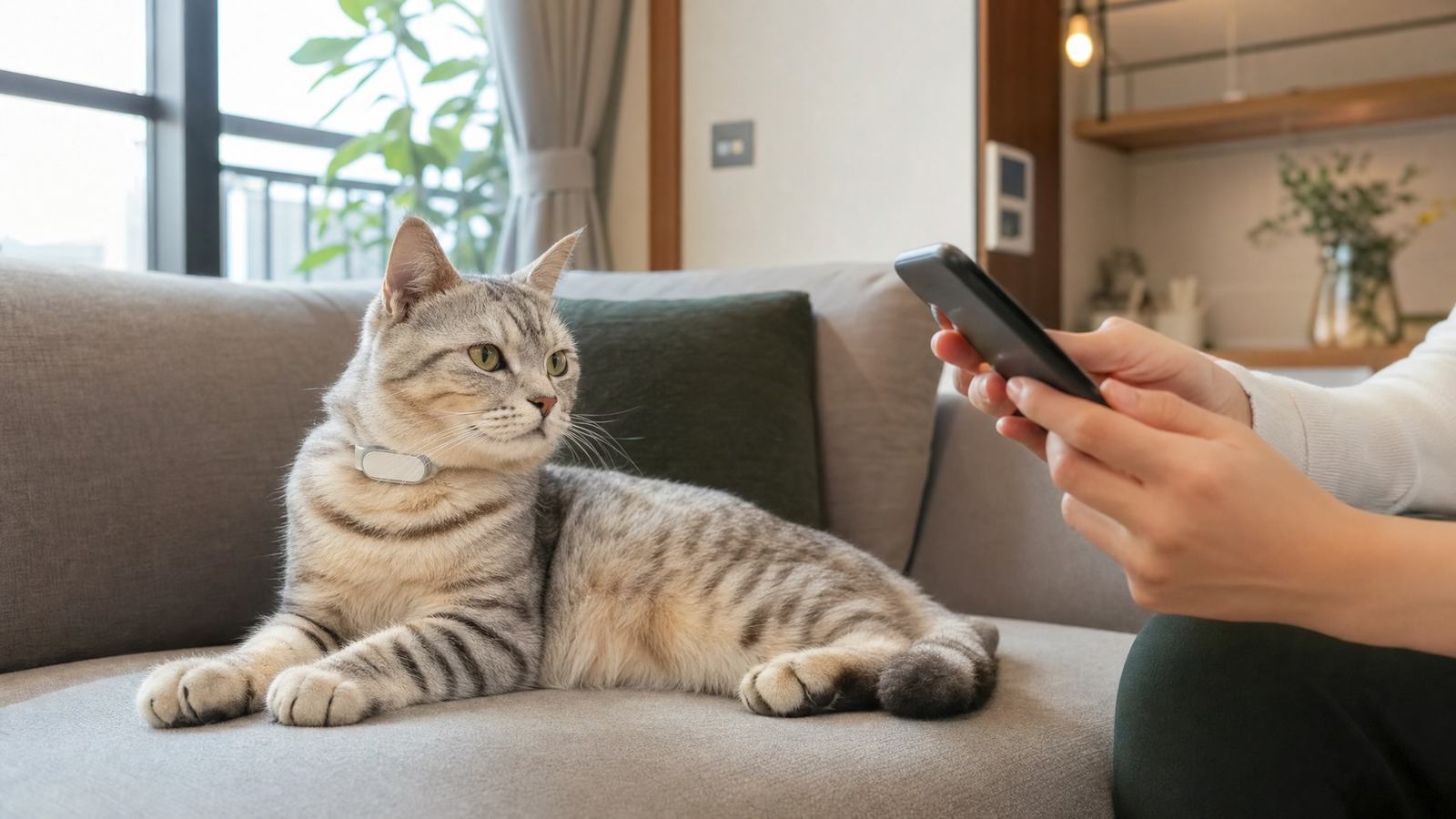
Common features of smart collars or apps include activity levels, rest times, weight trends, feeding frequency, and water intake records. Some devices also indicate potential sleep quality or behavioral changes. This data is best used to identify "changes compared to normal," for example, if a cat that usually patrols and jumps onto the windowsill suddenly shows significantly decreased activity for several consecutive days, it's worth paying attention to.
However, this data cannot be directly used for disease diagnosis. Decreased activity could be due to illness, but it could also be simply due to hot weather, stress from moving, changes in household routines, or the cat getting older. The key to cat health monitoring is to help you organize clues so you can more clearly describe to the veterinarian "when the change started, how long it lasted, and what accompanying symptoms were present."
What Are Smart Devices Good For?
Smart devices are best suited for filling in the observational gaps when you are not at home. For instance, if you're at work during the day, an app can help you see if your cat has been largely immobile all day or if it has been eating and drinking regularly. For multi-cat households, if the device can distinguish between individual cats, it can be more helpful in tracking changes in a specific cat.
When Should You Not Rely Solely on an App?
If your cat is panting, breathing with its mouth open, frequently entering and exiting the litter box, refusing to eat at all, or showing a significant decline in energy, you should not just wait for data to accumulate. These situations require contacting a veterinarian as soon as possible and seeking immediate medical attention if necessary. An "all clear" from an app doesn't mean your cat is definitely healthy, as pain, urinary tract issues, or early-stage diseases might not immediately reflect in a single data point.
The 4 Most Important Indicators to Record at Home: Breathing, Activity, Appetite, and Litter Box Habits
The most basic and practical cat health monitoring doesn't necessarily require expensive equipment. It's recommended to start with four indicators: breathing when resting quietly, general activity levels, changes in appetite, and litter box conditions. These four aspects are most closely related to a cat's daily life and are easiest for owners to consistently record.
For breathing records, observe when your cat is deeply asleep or resting quietly. Count the number of chest/abdominal movements in 30 seconds and multiply by two to get the breaths per minute. Activity can be judged by whether the cat played, jumped, patrolled, or greeted you today; it doesn't need to be overly complicated. For appetite, note how much was eaten, if they were picky, or if they suddenly only licked the gravy and not the meat.
Litter Box Records Are Especially Important
The litter box is often the first place where many health warnings appear. It's recommended to observe the size of urine clumps, the frequency of urination, whether they frequently squat in the litter box but produce little urine, and the shape of their feces (too hard, too soft, or bloody). In Taiwan's humid rainy season and summer, the clumping of cat litter, odor, and cleaning frequency can also affect observation. It's best to scoop the litter daily to better notice changes.
Don't Aim for Perfection, Aim for Consistency
Many owners initially try to create very detailed charts but give up after three days. A better approach is to spend just one minute each day recording four columns: "Breathing, Eating, Activity, Litter Box," using simple markers like "normal," "a bit less," or "abnormal." Consistent records are what make cat health monitoring useful.
Which Data Changes Indicate You Should See a Vet Promptly?
If your cat's breathing becomes noticeably faster when resting quietly, if they struggle to breathe, if their abdomen rises significantly, or if they breathe with their mouth open, it's advisable not to wait too long. Cats are very good at enduring discomfort, and by the time they show obvious signs of distress, the condition might already be more than a minor issue. These types of breathing changes should be discussed with a veterinarian as soon as possible, and emergency or scheduled appointments should be arranged if necessary.
Regarding appetite, if an adult cat stops eating for more than a day, especially if accompanied by vomiting, lethargy, hiding, or weight loss, you should contact the vet promptly. For litter box issues, if a male cat frequently enters and exits the litter box, squats for a long time, urinates very little, or cries out in pain, be particularly cautious of the risk of urinary blockage. These situations cannot be resolved simply by changing food or encouraging more water intake.
Decreased Activity Should Not Be Ignored Either
Decreased activity is often mistakenly attributed to laziness, old age, or hot weather. Cats in Taiwan's hot and humid summers may indeed be less active, but if they lose interest even in their favorite treats, toys, or usual spots by the window, it should be considered a warning sign. Cat health monitoring can help you distinguish whether this is an occasional occurrence for one day or a deviation from their normal state that has persisted for several days.
Organize These Things Before Seeing the Vet
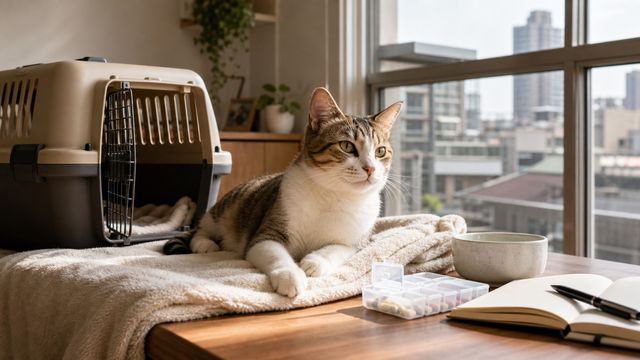
Before your appointment, you can prepare: the date the abnormality started, changes in food intake, water and urine output, frequency of vomiting or diarrhea, whether food or litter has been changed recently, and any stressful events at home. If you have data from an app or smart collar, you can also take screenshots to show the veterinarian. Clear records help the doctor diagnose the situation more quickly, but ultimately, professional examination is required for confirmation.
How Can Taiwanese Owners Create a Simple and Sustainable Daily Observation Chart?
Taiwanese owners can use their phone's memo app, Google Sheets, or a paper calendar to create a simple observation chart. The fields don't need to be numerous; it's recommended to include Date, Breathing, Appetite, Activity, Litter Box, and Notes. Record this daily after dinner or before bed; it's easier to form a habit this way than trying to recall and fill it in later.
If you have multiple cats, it's best to record them separately by name, especially for appetite and litter box habits. In multi-cat households, it's easy to mistakenly assume "they all seem to be eating" or "the litter box looks normal," when in fact, one cat might be eating less or having abnormal urination. Cat health monitoring shouldn't become a source of stress; it's enough to help you better understand your cat's baseline.
A Simple Observation Chart Can Be Done Like This
- Breathing: Number of breaths per minute while sleeping, or mark as normal, slightly fast, or labored.
- Appetite: Finished eating, a little left, ate very little, not eating at all.
- Activity: Playing normally, relatively quiet, hiding, not moving much.
- Litter Box: Normal urine clumps, low urine volume, frequent entries/exits, soft stools or constipation.
- Notes: Food change, furniture moved, thunder, visitors, hot weather, etc.
This chart doesn't require long entries every day; it just needs to show trends over time. When you notice that the cat has deviated from its normal state for 2 to 3 consecutive days, you can call or message your familiar veterinary clinic. In the long run, this will make cat health monitoring a natural part of your care routine, rather than frantically gathering information when the cat is sick.
Conclusion: Turn Monitoring into Gentle Daily Care
The purpose of cat health monitoring is not to make owners anxious every day, but to notice "what's different from usual" earlier. Smart collars, apps, and cameras can all help, but the most important thing is your familiarity with your cat's daily life. When records, observation, and veterinary expertise are combined, the quality of care can truly be improved.
To make daily observation more stable, you can also start by organizing your pet supplies: an easy-to-clean litter box, cat litter suitable for Taiwan's humid climate, a water fountain that encourages consistent drinking, and bowls that facilitate portion control are all foundational for establishing a care rhythm. CatGarden selects cat supplies that help integrate health observation into your daily life, from cleaning and diet to everyday care, ensuring your cat lives comfortably and you feel more at ease.
FAQ
Is it necessary to buy a smart collar for cat health monitoring?
Not necessarily. Smart collars can assist in recording activity and rest, but the most basic aspects of breathing, appetite, activity levels, and litter box habits can also be tracked using your phone's memo app. The key is consistent observation, not having more devices.
Does faster breathing in cats always mean they are sick?
Not always. Fast breathing can occur after playing, when stressed, or during hot weather. It's recommended to record breathing during deep sleep or quiet rest. If it remains consistently fast, labored, or involves mouth breathing, you should contact a veterinarian promptly.
If a cat eats less for a day, can I just observe?
If it's just a single meal with reduced intake, but the cat's energy, water consumption, and litter box habits are normal, you can closely monitor. However, if the cat refuses to eat for almost the entire day, or if it's accompanied by vomiting, hiding, or lethargy, it's not advisable to delay; consult your veterinarian.
Do I need to record litter box habits every day?
It's recommended to do a simple check daily, especially regarding urine volume, urine clump size, and stool consistency. Multi-cat households especially need to scoop the litter regularly to detect early signs of abnormal urination or defecation in a specific cat.
Further Reading
- Does Cat Constipation Require a Vet Visit? Check Stool Frequency, Straining Posture, and Litter Box Warning Signs
- How to Track Cat Heart Disease at Home? Monitor Breathing, Activity, and Appetite Changes
- How to Accurately Measure a Cat's Heart Rate? Understand Normal Ranges, Recording Methods, and Vet Warning Signs Before Home Monitoring
CatGarden offers curated supplies, cat boarding, and grooming
Book services or shop online.