Do Cats Need Genetic Disease Testing? What Breed Owners, Adopters, and Those at Vet Check-ups Should Know
Why is everyone suddenly discussing genetic disease testing for cats? In recent years, Taiwanese cat owners have become increasingly meticulous about their cats' health, going beyond routine vaccinations, blood tests, and cardiac ultrasounds to inquire about the necessity of "feline genetic testing." This is especially true for purebred cats.
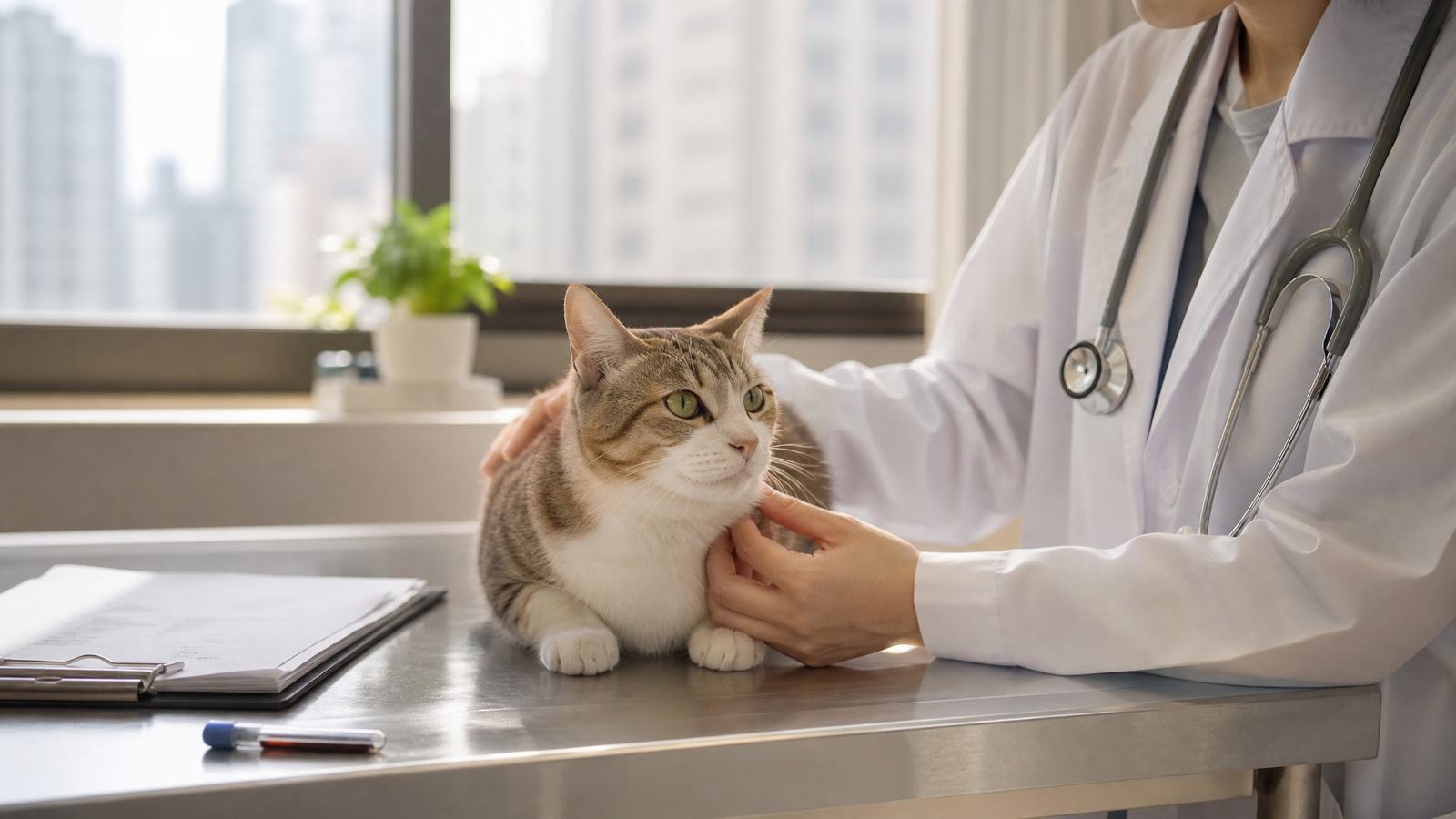
Key takeaways
- Cat genetic testing primarily analyzes whether a cat carries genes related to specific genetic diseases through samples like oral swabs, blood, or other specimens. Results may indicate 'non-carrier,' 'carrier,' or 'high risk.'
- Certain breeds such as Persians, Exotic Shorthairs, Maine Coons, Ragdolls, British Shorthairs, and Scottish Folds are often recommended to understand their risks for specific genetic diseases beforehand. Relying solely on 'looking healthy' is insufficient.
- Genetic testing cannot replace veterinary physical examinations, blood tests, urinalysis, imaging, echocardiograms, or ophthalmological exams. Results should be interpreted by a veterinarian; do not self-diagnose or adjust medication based on reports.
- Before purchasing a purebred cat, inquire if the breeder provides health records of the parents, genetic test results, and a veterinary check-up certificate for the kitten. Reports should correspond to microchip, registration data, or clear pedigree records.
- When test results indicate a risk, cardiac-related risks may require follow-up echocardiograms, while kidney-related risks necessitate greater attention to water intake, urine output, and regular blood and urine tests.
Why is Everyone Suddenly Discussing Genetic Disease Testing for Cats?
In recent years, Taiwanese cat owners have become increasingly meticulous about their cats' health. Beyond routine vaccinations, blood tests, and cardiac ultrasounds, some are now asking if "feline genetic testing" is necessary. Especially as information about purebred cats becomes more transparent, genetic risks like polycystic kidney disease, hypertrophic cardiomyopathy, and retinal degeneration are discussed more openly than before. This doesn't mean every cat will have a problem, but rather that owners want to be aware of potential risks before they significantly impact their cat's life.
Taiwan's living environment is often characterized by small urban apartments, where a cat's activity level, diet, weight, and stress management all influence their health. The rainy season and hot, humid summers also make skin, ear, and gastrointestinal care particularly important. Genetic testing isn't about following a trend; it's a piece of the health management puzzle when a cat's breed, family history, or future breeding plans warrant it.
Which Cats Might Benefit More from Genetic Testing?
If you own a purebred cat, especially breeds like Persians, Exotic Shorthairs, Maine Coons, Ragdolls, British Shorthairs, or Scottish Folds, you might be more frequently advised to understand their specific genetic disease risks. Different breeds have different common genetic issues, and you can't judge solely by appearance. In such cases, feline genetic testing can help owners know which areas to discuss further with their veterinarian.
Adopting a cat doesn't necessarily mean genetic testing is completely unnecessary. It can be considered, especially if the cat's origin is unknown, they appear to be a mixed breed with specific breed traits, there's a history of illness in their littermates, or if the kitten exhibits abnormal symptoms during development. For typical mixed breeds that are currently healthy and stable, budget is usually prioritized for basic health check-ups, vaccinations, deworming, and dietary care. Whether to pursue testing isn't about how "expensive" the cat is, but whether the test results can genuinely change subsequent care practices.
What Can Genetic Testing Reveal, and What Can't It Replace?
Feline genetic testing primarily analyzes a cat's DNA from samples like oral swabs, blood, or other tissues to determine if they carry genes associated with specific inherited diseases. It may provide information such as "non-carrier," "carrier," or "high risk," assisting owners in planning future monitoring and preventive care. For breeders, it can also reduce the chance of passing on high-risk genes to the next generation.
However, genetic testing is not a universal diagnostic tool for all diseases and cannot replace veterinary examinations like physical palpation, blood tests, urinalysis, imaging, cardiac ultrasounds, or ophthalmological exams. Some diseases, even with a genetic predisposition, are influenced by age, weight, diet, environment, and other health conditions. Test results should be interpreted by a veterinarian, not used to draw conclusions or self-medicate.
What Should Owners Ask Before Adopting, Purchasing a Purebred, or Breeding a Cat?
If you're purchasing a purebred cat, it's recommended to first ask the breeder for health records of the parents, genetic disease test results, and a veterinary check-up certificate for the kitten. Reports should correspond to the cat's identity, such as microchip, registration data, or clear pedigree records. If the breeder dismisses concerns with statements like "the parents are very healthy" or "this breed is just like that," owners should be more cautious.
When adopting, you can inquire with the foster or shelter about the cat's medical history, litter status, appetite, bowel movements, activity level, and any completed medical treatments. If the cat has unusual physical traits or appears to be of a specific breed, you can also ask a veterinarian to assess if further testing is needed. Before breeding, feline genetic testing, infectious disease screening, and cardiac and reproductive health should be considered, rather than focusing solely on appearance or pedigree certificates.
How to Prepare Daily Care and Supplies After Testing?
If test results indicate a specific risk, the first step is to discuss follow-up frequency with a trusted veterinarian, rather than becoming overly anxious. For example, cardiac-related risks might require scheduled cardiac ultrasound follow-ups, while kidney-related risks may necessitate greater attention to water intake, urine output, and regular blood and urine tests. The value of feline genetic testing lies in providing direction for care, not in labeling the cat as "definitely going to get sick."
Daily supplies can also be adjusted based on risks. This includes preparing easy-to-clean water fountains, palatable staple foods, low-dust cat litter, an adequate number of litter boxes, and hiding spaces to reduce stress. Taiwan's humid summers require special attention to clumping litter, odor, and mold, especially for cats sensitive to urinary tract or skin issues. More supplies aren't always better; they should help you consistently monitor eating, drinking, elimination, activity levels, and weight changes.
FAQ
Does Every Cat Need Feline Genetic Testing?
Not necessarily. For generally healthy and stable mixed-breed cats, basic health check-ups, vaccinations, deworming, and daily care are usually sufficient. For purebred cats, those with a family history of illness, suspected genetic disease symptoms, or if breeding is planned, discussing testing with a veterinarian is more practical.
Does a Normal Test Result Mean the Cat Won't Get Sick?
No. Testing targets specific genes or disease risks and cannot guarantee a cat will never develop kidney disease, heart disease, diabetes, or other acquired conditions throughout its life. Regular health check-ups, weight management, monitoring water intake, and a good living environment are still essential.
Is Genetic Testing Required Before Adopting a Cat?
Usually not. When adopting, understanding the cat's current health status, vaccination and deworming history, spay/neuter status, blood work, and behavioral adjustment is more important. Feline genetic testing should only be considered if the cat appears to be of a specific breed, there's a history of illness in their litter, or the veterinarian deems it necessary. Don't dismiss a healthy and suitable cat just because there's no test report.
If Testing Reveals a Carrier Status, How Should Daily Care Be Adjusted?
Being a carrier does not mean the cat is sick or will definitely develop the disease. It's recommended to have the report interpreted by a veterinarian to establish a follow-up plan and to keep daily records of appetite, water intake, urine output, weight, and overall demeanor. If you do not plan to breed, it can also reduce the risk of passing it on to future generations.
Conclusion: Integrating Testing into Care
Feline genetic testing is best used to supplement health management information but should not replace veterinary judgment or daily observation. What truly helps cats live long, healthy lives are a stable diet, clean litter boxes, sufficient water, a low-stress environment, and regular veterinary check-ups. CatGarden offers a variety of cat supplies commonly used by Taiwanese owners, from litter and water solutions to cleaning products and travel essentials, helping you implement post-testing care into your daily routine.
Further Reading
- How to Detect Heart Disease in Cats Early: Learn to Count Respiration at Home, Observe Activity Levels, and Recognize 5 Warning Signs
- Sudden Aggression or Hiding in Cats: Don't Just Blame Temperament – It Could Be Early Signs of Pain or Illness
- Normal Cat Blood Test Results, But Still Need an Ultrasound? Understand When Blood Tests Alone Aren't Enough
CatGarden offers curated supplies, cat boarding, and grooming
Book services or shop online.