Can Cat Dry Shampoo Mousse Replace Baths? Gentle Cleaning for Water-Averse Cats, Skin Risks, and Selection Guide

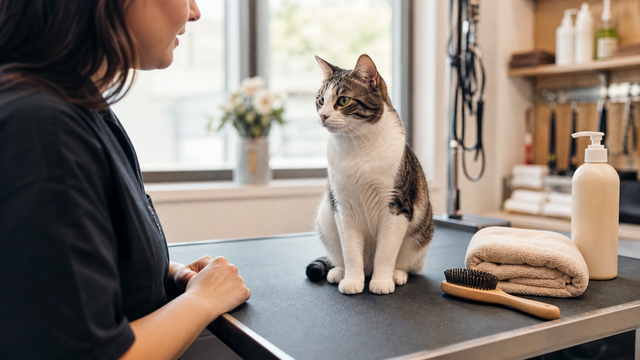
Can cat dry shampoo mousse replace baths? The conclusion first: Cat dry shampoo mousse can be used as a tool for daily spot cleaning but is not recommended as a universal solution to completely replace bathing. It's best for cats that dislike water, temporary odors, dirty paws, or a sticky coat during the rainy season.
CatGarden Editorial TeamPublished 2026/05/05
Daily GroomingCat Cleaning & Grooming
Can Cat Dry Shampoo Mousse Replace Baths? Gentle Cleaning for Water-Averse Cats, Skin Risks, and Selection Guide

Key takeaways

  • Cat dry shampoo mousse is suitable for cats that dislike water, for spot cleaning of minor dirt, temporary odor control, or when immediate bathing is not feasible. However, it cannot completely replace regular baths.
  • Dry shampoo mousse is ineffective for cleaning oily fur, urine, heavy feces, fungal infections, flea infestations, or severely matted fur. In such cases, a full bath or veterinary treatment is necessary.
  • When choosing a dry shampoo mousse, opt for cat-specific, hypoallergenic, alcohol-free formulas with mild scents. Do not use dog products on cats or rub the mousse directly into matted fur.
  • Use dry shampoo mousse on an as-needed basis. Avoid contact with the eyes, nose, and ear canals during application. After use, wipe away excess foam with a dry towel and comb the fur to prevent excessive licking by the cat.

Can Cat Dry Shampoo Mousse Replace Baths? The Conclusion First

Cat dry shampoo mousse can be used as a tool for daily spot cleaning but is not recommended as a universal solution to completely replace bathing. It's best for cats that dislike water, temporary odors, dirty paws, or a sticky coat during the rainy season, or when you want to extend that clean feeling after a grooming session.

When a bath, medical treatment, or professional grooming is truly needed, dry shampoo mousse can only assist; it cannot "cover up" skin issues. If your cat is already showing signs of redness, hair loss, scabs, excessive dandruff, or is constantly licking a specific spot, you should consult a veterinarian or professional groomer first to determine the cause.

Why Are Cat Owners Searching for Dry Shampoo Mousse in 2026?

Recent pet grooming discussions on social media have heavily focused on "gentle cleaning," "stress-free bathing," and "daily maintenance without water." For cat owners, this directly addresses two pain points: cats' aversion to water and the tendency for fur to develop a musty smell in Taiwan's humid climate.

Especially during the rainy season, summer, or in multi-cat households, owners often notice a slight odor on their cats but are hesitant to bathe them frequently due to the stress it causes. Dry shampoo mousse has therefore become a popular option, but its safety and usage must be clearly understood.

What we use for this

CatGarden’s own products, shipped from Taiwan
See all products
Quick-Dry Pet TowelQuick-Dry Pet TowelFrom CA$49.35 per pieceFree shipping on multi-packs

When is Cat Dry Shampoo Mousse Suitable?

  • Water-Averse Cats: For cats that struggle, hiss, or hide at the sight of water, dry shampoo mousse can provide a low-stress cleaning option.
  • Spot Cleaning: Best for minor dirt on paws, near the base of the tail, chin, or around the hindquarters.
  • Temporary Odors: Quick touch-ups after using the litter box, returning from outdoors, or when fur has picked up a smell.
  • When Immediate Bathing is Not Ideal: For kittens, senior cats, those recovering from surgery, or during very cold and wet weather, it can reduce the cleaning burden.

However, using dry shampoo mousse too often isn't necessarily better. If daily use is required, it might indicate underlying issues with the environment, diet, skin, or excretory functions that need to be addressed.

When Can't Dry Shampoo Mousse Be the Sole Solution?

Dry shampoo mousse is usually insufficient for issues like oily buildup, urine, significant feces, fungal infections, flea problems, or already inflamed skin. These conditions require more thorough cleaning, pest control, treatment, or professional assessment.

Additionally, for long-haired cats with existing mats, directly working mousse into the knots can make them tighter and the skin more prone to irritation. The correct approach is to detangle first; if it can't be brushed out, seek professional grooming to avoid causing pain through forceful pulling.

5 Key Points for Choosing Cat Dry Shampoo Mousse

1. Choose Cat-Specific Products; Don't Mix Dog Products

Cats groom themselves frequently, and their metabolism differs from dogs. Products should be labeled for cat use and avoid harsh fragrances, strong essential oils, or unverified antibacterial ingredients.

2. The Milder the Scent, the Better

Many owners prefer "fragrant" products, but cats have sensitive noses. Overly strong scents can cause cats to lick excessively, avoid contact, or become anxious. The purpose of dry shampoo mousse should be cleaning and reducing odor, not turning your cat into a air freshener.

3. Check for Gentle, Low-Irritation Ingredients

Prioritize formulas that are hypoallergenic, alcohol-free, and have low degreasing power. If your cat has a history of dandruff, sensitivity, or allergies, test a small amount on a localized area for 24 hours before the first full use.

4. Mousse Texture Should Be Easy to Apply and Wipe Off

A good dry shampoo mousse should distribute evenly without causing fur to clump together. After use, wipe away excess foam with a dry towel and then brush the fur to prevent product residue.

5. Don't Be Fooled by "Lickable" Claims

Even if a product claims to be safe, it doesn't mean your cat can ingest it in large quantities. After cleaning, wipe, brush, and observe if your cat is excessively licking the area. If the cat repeatedly licks one spot, it could be due to the scent, residue, or skin irritation.

Correct Steps for Using Cat Dry Shampoo Mousse

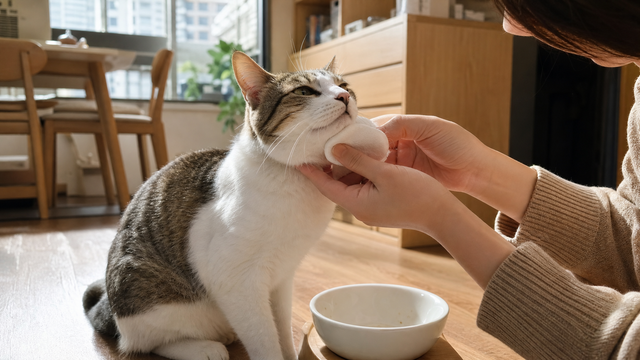
  • First, use a comb to remove loose fur and small tangles from the surface.
  • Dispense the mousse onto your hands or a towel; do not spray directly onto the cat's face.
  • Gently massage the soiled area following the direction of the fur, avoiding the eyes, nose, ear canals, and any wounds.
  • Use a dry towel to wipe away excess foam and dirt.
  • Finally, brush the fur again to ensure there's no stickiness or residue.

When using it for the first time, keep the application time as short as possible. Don't aim for a perfect full-body clean initially; let your cat build a positive experience of "this isn't painful or scary" first, which will make them more cooperative later.

How Often is Appropriate?

Most healthy cats do not need daily use of dry shampoo mousse. If it's just for spot cleaning, use it on an "as needed" basis. If you still notice significant odors after using it multiple times a week, check the litter box, humidity levels, diet, dental health, ears, or skin condition.

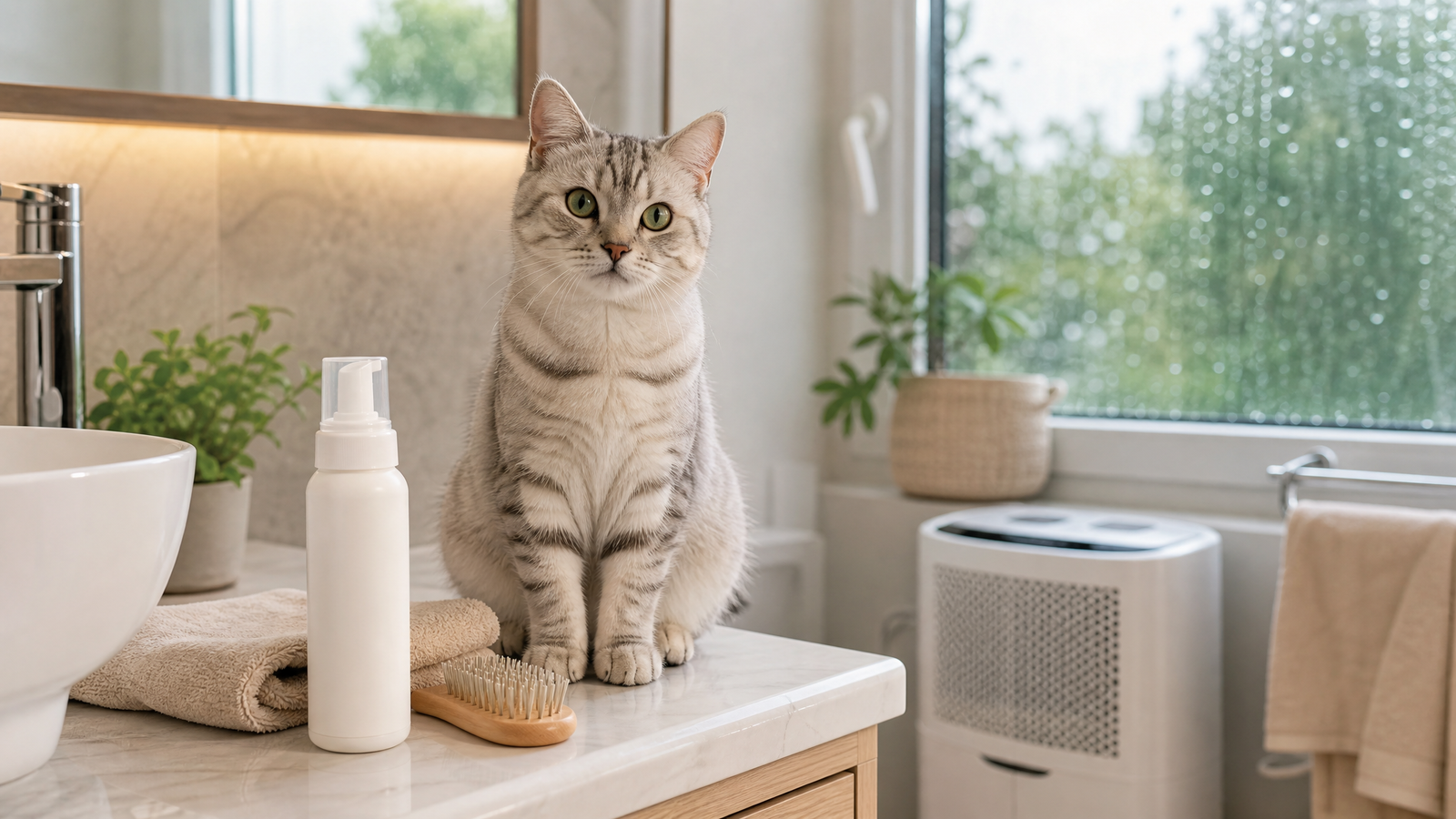
During the rainy season, combining it with dehumidification, frequent brushing, cleaning the cat's bedding, and keeping the litter box dry is more effective than relying solely on dry shampoo mousse. Cleaning products are just aids; environmental management is key to reducing odors.

Do Water-Averse Cats Absolutely Need Baths?

Most healthy indoor cats don't require frequent baths; they maintain basic cleanliness through grooming. However, when cats are overweight, elderly, have joint pain, are ill, have come into contact with contaminants, or have severe matting, they may need manual assistance.

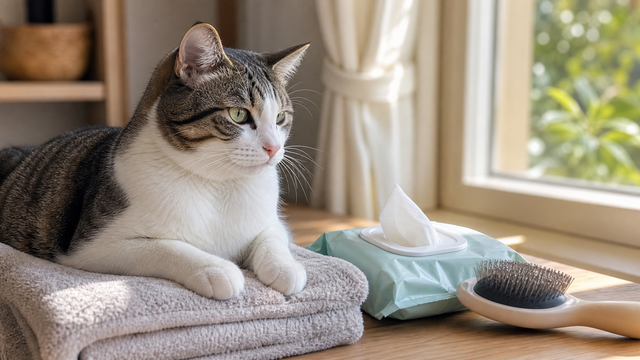
If your cat experiences extreme fear during baths, start with dry shampoo mousse, wet wipes, short grooming sessions, and professional grooming consultations. The goal isn't forceful bathing but finding a safe, low-stress, and sustainable cleaning method.

Frequently Asked Questions (FAQ)

Can Cat Dry Shampoo Mousse Be Used Daily?

Daily use is not recommended. If your cat has daily odors or dirt, first check their skin, teeth, ears, anal glands, diet, and environment, rather than increasing product usage.

Does Dry Shampoo Mousse Need Rinsing After Use?

Most dry shampoo mousses are designed to be no-rinse, but it's still recommended to wipe away residue with a dry towel and then brush the fur. Always follow the product's specific instructions.

Can Kittens Use Cat Dry Shampoo Mousse?

It depends on their age, health status, and the product labeling. Kittens have more sensitive skin and are more prone to hypothermia. It's advisable to consult a veterinarian or choose a product specifically for kittens before use.

Can Dry Shampoo Mousse Improve Cat Dandruff?

It can only temporarily tidy the fur; it cannot treat the cause of dandruff. If there's a lot of dandruff accompanied by redness, swelling, hair loss, or itching, prioritize ruling out dryness, allergies, parasites, or skin diseases.

Is It Toxic If a Cat Licks Dry Shampoo Mousse?

A small amount of licking usually depends on the product's ingredients, but cats should not ingest large quantities. If symptoms like excessive drooling, vomiting, lethargy, or loss of appetite occur, stop use immediately and consult a veterinarian.

CatGarden - Pure Cat Hotel in Banqiao, offering boarding and grooming services.

Further Reading

  • 2026 How Often Should Cats Be Bathed During Rainy Season? A Comprehensive Guide to Sensitive Skin, Dehumidification, and Home Cleaning
  • 2026 Do Cats Need Pet SPA Treatments? A Complete Guide to Removing Loose Fur, Mats, Odors, and Home Care
  • 2026 How to Choose Cat Shampoo: 5 Major Hypoallergenic Ingredients, Pitfalls to Avoid, and Practical Selection Guide
  • 2026 Should Cats Be Given Sedatives Before Grooming? A Safety Guide for Water-Averse Cats, Overwhelmed by Blow Dryers, and High-Stress Baths

Conclusion: Treat Dry Shampoo Mousse as a Tool, Not a Universal Solution

Cat dry shampoo mousse is best used to reduce the cleaning stress for water-averse cats and to handle spot cleaning and temporary odors. When you choose the right product, control the frequency, and avoid residue, it can be a very practical home care tool.

If you're unsure whether dry shampoo is suitable for your cat, how often they should be bathed, or if their fur is already matted, they have sensitive skin, or grooming phobia, it's recommended to first consult with professional groomers and caregivers who are knowledgeable about cats to arrange safer cleaning methods for your feline companion.

→ Learn about CatGarden Pure Cat Grooming Services

FAQ

Can cat dry shampoo mousse be used daily?

Daily use is not recommended. If your cat requires daily use or has a persistent odor, investigate underlying causes such as skin issues, dental problems, ear infections, digestive issues, or environmental cleanliness.

Does dry shampoo mousse need to be rinsed off after use?

Most dry shampoo mousses are rinse-free. However, it's still recommended to wipe away excess residue with a dry towel and comb the fur afterward. Always follow the product's specific instructions.

Can dry shampoo mousse improve a cat's dandruff problem?

Dry shampoo mousse can only temporarily groom the fur and does not treat the cause of dandruff. If dandruff increases significantly and is accompanied by redness, hair loss, or itching, consult a veterinarian to determine if it's due to allergies, parasites, or skin disease.

Can kittens use cat dry shampoo mousse?

It depends on the kitten's age, health status, and the product's labeling. Since kittens have sensitive skin and can easily lose body heat, it's advisable to consult a veterinarian or choose products specifically formulated for kittens before use.

Will my cat get poisoned if it licks dry shampoo mousse?

Ingesting a small amount typically depends on the product's ingredients. However, do not allow your cat to ingest large quantities. If your cat exhibits excessive drooling, vomiting, loss of appetite, or lethargy, discontinue use immediately and consult a veterinarian.

CatGarden offers curated supplies, cat boarding, and grooming

Book services or shop online.
Back

Blog

Can Cat Dry Shampoo Mousse Replace Baths? Gentle Cleaning for Water-Averse Cats, Skin Risks, and Selection Guide

CatGarden Editorial TeamPublished 2026/05/05
Daily GroomingCat Cleaning & Grooming
Can Cat Dry Shampoo Mousse Replace Baths? Gentle Cleaning for Water-Averse Cats, Skin Risks, and Selection Guide

Key takeaways

  • Cat dry shampoo mousse is suitable for cats that dislike water, for spot cleaning of minor dirt, temporary odor control, or when immediate bathing is not feasible. However, it cannot completely replace regular baths.
  • Dry shampoo mousse is ineffective for cleaning oily fur, urine, heavy feces, fungal infections, flea infestations, or severely matted fur. In such cases, a full bath or veterinary treatment is necessary.
  • When choosing a dry shampoo mousse, opt for cat-specific, hypoallergenic, alcohol-free formulas with mild scents. Do not use dog products on cats or rub the mousse directly into matted fur.
  • Use dry shampoo mousse on an as-needed basis. Avoid contact with the eyes, nose, and ear canals during application. After use, wipe away excess foam with a dry towel and comb the fur to prevent excessive licking by the cat.

Can Cat Dry Shampoo Mousse Replace Baths? The Conclusion First

Cat dry shampoo mousse can be used as a tool for daily spot cleaning but is not recommended as a universal solution to completely replace bathing. It's best for cats that dislike water, temporary odors, dirty paws, or a sticky coat during the rainy season, or when you want to extend that clean feeling after a grooming session.

When a bath, medical treatment, or professional grooming is truly needed, dry shampoo mousse can only assist; it cannot "cover up" skin issues. If your cat is already showing signs of redness, hair loss, scabs, excessive dandruff, or is constantly licking a specific spot, you should consult a veterinarian or professional groomer first to determine the cause.

Why Are Cat Owners Searching for Dry Shampoo Mousse in 2026?

Recent pet grooming discussions on social media have heavily focused on "gentle cleaning," "stress-free bathing," and "daily maintenance without water." For cat owners, this directly addresses two pain points: cats' aversion to water and the tendency for fur to develop a musty smell in Taiwan's humid climate.

Especially during the rainy season, summer, or in multi-cat households, owners often notice a slight odor on their cats but are hesitant to bathe them frequently due to the stress it causes. Dry shampoo mousse has therefore become a popular option, but its safety and usage must be clearly understood.

What we use for this

CatGarden’s own products, shipped from Taiwan
See all products
Quick-Dry Pet TowelQuick-Dry Pet TowelFrom CA$49.35 per pieceFree shipping on multi-packs

When is Cat Dry Shampoo Mousse Suitable?

  • Water-Averse Cats: For cats that struggle, hiss, or hide at the sight of water, dry shampoo mousse can provide a low-stress cleaning option.
  • Spot Cleaning: Best for minor dirt on paws, near the base of the tail, chin, or around the hindquarters.
  • Temporary Odors: Quick touch-ups after using the litter box, returning from outdoors, or when fur has picked up a smell.
  • When Immediate Bathing is Not Ideal: For kittens, senior cats, those recovering from surgery, or during very cold and wet weather, it can reduce the cleaning burden.

However, using dry shampoo mousse too often isn't necessarily better. If daily use is required, it might indicate underlying issues with the environment, diet, skin, or excretory functions that need to be addressed.

When Can't Dry Shampoo Mousse Be the Sole Solution?

Dry shampoo mousse is usually insufficient for issues like oily buildup, urine, significant feces, fungal infections, flea problems, or already inflamed skin. These conditions require more thorough cleaning, pest control, treatment, or professional assessment.

Additionally, for long-haired cats with existing mats, directly working mousse into the knots can make them tighter and the skin more prone to irritation. The correct approach is to detangle first; if it can't be brushed out, seek professional grooming to avoid causing pain through forceful pulling.

5 Key Points for Choosing Cat Dry Shampoo Mousse

1. Choose Cat-Specific Products; Don't Mix Dog Products

Cats groom themselves frequently, and their metabolism differs from dogs. Products should be labeled for cat use and avoid harsh fragrances, strong essential oils, or unverified antibacterial ingredients.

2. The Milder the Scent, the Better

Many owners prefer "fragrant" products, but cats have sensitive noses. Overly strong scents can cause cats to lick excessively, avoid contact, or become anxious. The purpose of dry shampoo mousse should be cleaning and reducing odor, not turning your cat into a air freshener.

3. Check for Gentle, Low-Irritation Ingredients

Prioritize formulas that are hypoallergenic, alcohol-free, and have low degreasing power. If your cat has a history of dandruff, sensitivity, or allergies, test a small amount on a localized area for 24 hours before the first full use.

4. Mousse Texture Should Be Easy to Apply and Wipe Off

A good dry shampoo mousse should distribute evenly without causing fur to clump together. After use, wipe away excess foam with a dry towel and then brush the fur to prevent product residue.

5. Don't Be Fooled by "Lickable" Claims

Even if a product claims to be safe, it doesn't mean your cat can ingest it in large quantities. After cleaning, wipe, brush, and observe if your cat is excessively licking the area. If the cat repeatedly licks one spot, it could be due to the scent, residue, or skin irritation.

Correct Steps for Using Cat Dry Shampoo Mousse

  • First, use a comb to remove loose fur and small tangles from the surface.
  • Dispense the mousse onto your hands or a towel; do not spray directly onto the cat's face.
  • Gently massage the soiled area following the direction of the fur, avoiding the eyes, nose, ear canals, and any wounds.
  • Use a dry towel to wipe away excess foam and dirt.
  • Finally, brush the fur again to ensure there's no stickiness or residue.

When using it for the first time, keep the application time as short as possible. Don't aim for a perfect full-body clean initially; let your cat build a positive experience of "this isn't painful or scary" first, which will make them more cooperative later.

How Often is Appropriate?

Most healthy cats do not need daily use of dry shampoo mousse. If it's just for spot cleaning, use it on an "as needed" basis. If you still notice significant odors after using it multiple times a week, check the litter box, humidity levels, diet, dental health, ears, or skin condition.

During the rainy season, combining it with dehumidification, frequent brushing, cleaning the cat's bedding, and keeping the litter box dry is more effective than relying solely on dry shampoo mousse. Cleaning products are just aids; environmental management is key to reducing odors.

Do Water-Averse Cats Absolutely Need Baths?

Most healthy indoor cats don't require frequent baths; they maintain basic cleanliness through grooming. However, when cats are overweight, elderly, have joint pain, are ill, have come into contact with contaminants, or have severe matting, they may need manual assistance.

If your cat experiences extreme fear during baths, start with dry shampoo mousse, wet wipes, short grooming sessions, and professional grooming consultations. The goal isn't forceful bathing but finding a safe, low-stress, and sustainable cleaning method.

Frequently Asked Questions (FAQ)

Can Cat Dry Shampoo Mousse Be Used Daily?

Daily use is not recommended. If your cat has daily odors or dirt, first check their skin, teeth, ears, anal glands, diet, and environment, rather than increasing product usage.

Does Dry Shampoo Mousse Need Rinsing After Use?

Most dry shampoo mousses are designed to be no-rinse, but it's still recommended to wipe away residue with a dry towel and then brush the fur. Always follow the product's specific instructions.

Can Kittens Use Cat Dry Shampoo Mousse?

It depends on their age, health status, and the product labeling. Kittens have more sensitive skin and are more prone to hypothermia. It's advisable to consult a veterinarian or choose a product specifically for kittens before use.

Can Dry Shampoo Mousse Improve Cat Dandruff?

It can only temporarily tidy the fur; it cannot treat the cause of dandruff. If there's a lot of dandruff accompanied by redness, swelling, hair loss, or itching, prioritize ruling out dryness, allergies, parasites, or skin diseases.

Is It Toxic If a Cat Licks Dry Shampoo Mousse?

A small amount of licking usually depends on the product's ingredients, but cats should not ingest large quantities. If symptoms like excessive drooling, vomiting, lethargy, or loss of appetite occur, stop use immediately and consult a veterinarian.

CatGarden - Pure Cat Hotel in Banqiao, offering boarding and grooming services.

Further Reading

  • 2026 How Often Should Cats Be Bathed During Rainy Season? A Comprehensive Guide to Sensitive Skin, Dehumidification, and Home Cleaning
  • 2026 Do Cats Need Pet SPA Treatments? A Complete Guide to Removing Loose Fur, Mats, Odors, and Home Care
  • 2026 How to Choose Cat Shampoo: 5 Major Hypoallergenic Ingredients, Pitfalls to Avoid, and Practical Selection Guide
  • 2026 Should Cats Be Given Sedatives Before Grooming? A Safety Guide for Water-Averse Cats, Overwhelmed by Blow Dryers, and High-Stress Baths

Conclusion: Treat Dry Shampoo Mousse as a Tool, Not a Universal Solution

Cat dry shampoo mousse is best used to reduce the cleaning stress for water-averse cats and to handle spot cleaning and temporary odors. When you choose the right product, control the frequency, and avoid residue, it can be a very practical home care tool.

If you're unsure whether dry shampoo is suitable for your cat, how often they should be bathed, or if their fur is already matted, they have sensitive skin, or grooming phobia, it's recommended to first consult with professional groomers and caregivers who are knowledgeable about cats to arrange safer cleaning methods for your feline companion.

→ Learn about CatGarden Pure Cat Grooming Services

FAQ

Can cat dry shampoo mousse be used daily?

Daily use is not recommended. If your cat requires daily use or has a persistent odor, investigate underlying causes such as skin issues, dental problems, ear infections, digestive issues, or environmental cleanliness.

Does dry shampoo mousse need to be rinsed off after use?

Most dry shampoo mousses are rinse-free. However, it's still recommended to wipe away excess residue with a dry towel and comb the fur afterward. Always follow the product's specific instructions.

Can dry shampoo mousse improve a cat's dandruff problem?

Dry shampoo mousse can only temporarily groom the fur and does not treat the cause of dandruff. If dandruff increases significantly and is accompanied by redness, hair loss, or itching, consult a veterinarian to determine if it's due to allergies, parasites, or skin disease.

Can kittens use cat dry shampoo mousse?

It depends on the kitten's age, health status, and the product's labeling. Since kittens have sensitive skin and can easily lose body heat, it's advisable to consult a veterinarian or choose products specifically formulated for kittens before use.

Will my cat get poisoned if it licks dry shampoo mousse?

Ingesting a small amount typically depends on the product's ingredients. However, do not allow your cat to ingest large quantities. If your cat exhibits excessive drooling, vomiting, loss of appetite, or lethargy, discontinue use immediately and consult a veterinarian.

One email a month of cat-care tips

Hand-picked care, behavior and grooming tips once a month. Subscribe and we will send you our three most-read articles right away.

Keep reading