Should You Choose One-on-One Cat Grooming? 5 Things to Ask Before Bathing a Shy Cat
When searching for "cat grooming," many people first ask about price, how clean the cat will be, and how long the scent will last. However, for cats, grooming is often less about fragrance and more about a low-stress process, a safe environment, and a caregiver who understands cats.

When searching for "cat grooming," many people first ask about price, how clean the cat will be, and how long the scent will last. However, for cats, grooming is often less about fragrance and more about a low-stress process, a safe environment, and a caregiver who understands cats.
Especially for cats that are shy, prone to hissing, have had negative past grooming experiences, or have sensitive skin, being taken to an unfamiliar environment with the sound of dryers and multiple pets coming and going can easily turn nervousness into defensiveness. Asking a few more questions before booking can actually lead to a smoother grooming experience.
Key Takeaways
- The core of cat grooming lies in a low-stress process, a safe environment, and a pace that the cat can tolerate. Overly strong scents or harsh cleaning agents can easily cause anxiety and dry, itchy skin.
- Cats that have recently moved, received vaccinations, been spayed/neutered, are experiencing diarrhea, have rapid breathing, decreased appetite, or have existing skin wounds should not be groomed immediately, as it may increase stress or mask underlying health issues.
- Healthy short-haired cats primarily need regular brushing, environmental cleaning, and spot cleaning; frequent baths are not necessary. Long-haired cats, those prone to matting, elderly cats with difficulty grooming themselves, or those who have gotten dirty may require more regular grooming.
- When establishing low-stress habits at home, if your cat is rarely brushed, gradually increase to 1-3 minutes daily. You can also place the carrier in the living room with a familiar blanket beforehand to avoid chasing and forcing your cat on the day of grooming.
Why Can't Cat Grooming Just Be About "Smelling Good"?
Cats have a more sensitive sense of smell than humans, so strong fragrances can make them uneasy. Cleaning products that are too strong can also lead to dry, itchy skin or strip the fur of its natural oils. Good cat grooming should aim to remove dirt, detangle loose fur, assess skin condition, and be completed at a pace the cat can tolerate.
If your cat excessively licks its fur, hides, or has a decreased appetite after grooming, it doesn't necessarily mean "cats hate baths." It could be due to high stress during the process, residual shampoo, overly stimulating drying, or not having enough quiet time to recover at home.
What we use for this
CatGarden’s own products, shipped from Taiwan Quick-Dry Pet TowelFrom CA$49.35 per pieceFree shipping on multi-packs
Ask These 5 Questions Before Booking
1. Is it a one-on-one appointment? Are multiple pets handled at the same time?
Shy cats need a predictable environment the most. One-on-one appointments usually reduce waiting times, barking sounds, unfamiliar animal scents, and the comings and goings of staff. You can directly ask: Is only one cat served at a time? Will the cat be caged while waiting during grooming? If the cat is nervous, can it take breaks?
2. Does the groomer have experience handling cats?
The grooming pace for cats and dogs is different. A groomer who understands cats will observe signs of stress like ear position, tail movement, pupil dilation, growling, and body stiffness, rather than just rushing through a fixed routine. If your cat has a history of biting, scratching, or is very sensitive to blow-drying, be sure to mention it when booking so the establishment can assess if they are suitable to take your case.
3. What shampoos are used? Are the scents too strong?
Many pet grooming products nowadays emphasize fragrances, plant extracts, or human-pet shared use, but cats may not be suitable for all scents and ingredients. It's recommended to prioritize shampoos that are cat-safe, low-irritation, and easy to rinse off. If your cat has a history of skin conditions, hair loss, dandruff, or allergies, it's best to consult a veterinarian before deciding on grooming.
4. Can the drying method adjust volume and temperature?
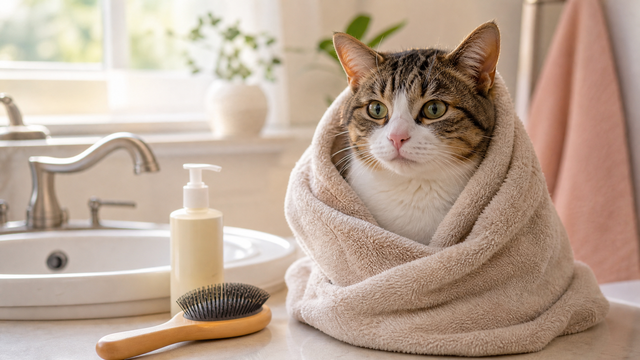
For most cats, blow-drying is more frightening than bathing. When booking, you can ask if they can use lower airflow, dry in sections, use towels to absorb water first, or adjust the distance based on the cat's condition. Temperature is also important; excessive heat can cause discomfort, and not drying thoroughly can lead to damp skin.
5. Will they report on the condition of the skin, ears, and fur mats?
Grooming is not just about cleaning; it's also a small opportunity to observe the body. Good service will inform owners about fur mats, dandruff, redness, abnormal earwax, overgrown nails, or localized pain responses. However, groomers cannot replace veterinarians. If you notice skin abrasions, smelly ears, frequent scratching, or pain, you should arrange for a veterinary check-up.
Which Cats Are Not Suitable for Immediate Grooming?
If your cat has recently moved, received vaccinations, been spayed/neutered, is experiencing diarrhea, has rapid breathing, a noticeably decreased appetite, or already has skin wounds, it's recommended to postpone grooming. The unfamiliar environment at this time can increase stress and make it harder to observe their physical condition.
- Kittens, senior cats, or cats with chronic illnesses: First, assess their physical strength and medical status.
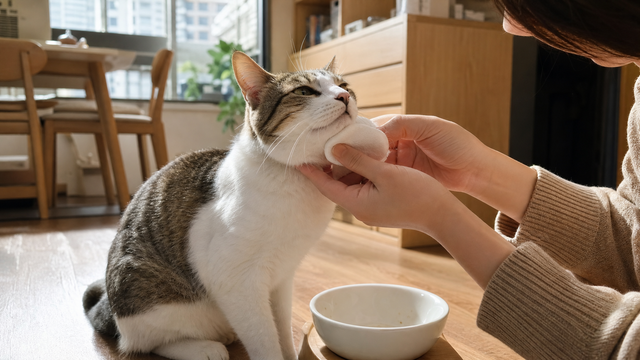
- Extremely shy cats: You can start with brushing, nail trimming, or spot cleaning.
- Cats with severe matting: Do not forcibly pull at mats, as this can cause pain by pulling on the skin.
- Suspected skin conditions: See a veterinarian first, then decide on the shampoo and cleaning method.
Low-Stress Preparations You Can Do at Home
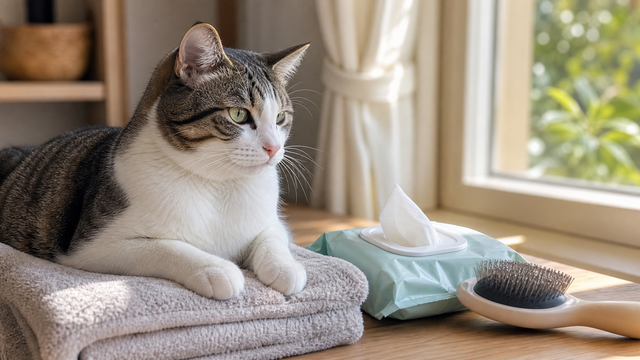
A few days before grooming, you can help your cat get used to the carrier, brush, towel, and brief handling of its paws. Don't wait until the day of grooming to chase your cat into the carrier, and don't scold them into compliance. You can place the carrier in the living room, put a familiar blanket inside, and occasionally put treats in it, making it a common item.
If your cat is rarely brushed, start with 1-3 minutes daily. Stop once they are comfortable, and don't brush until they get angry. Avoid feeding them a large meal on the day of grooming. Prepare a quiet corner, water, a litter box, and familiar scents at home for them to recover on their own.
How Often Should Cat Grooming Be Done?
Most healthy short-haired cats do not need frequent baths; regular brushing, environmental cleaning, and spot cleaning are usually sufficient. Long-haired cats, those prone to matting, elderly cats with difficulty grooming themselves, or those who have gotten dirty with oil or waste may require more regular grooming arrangements. Instead of aiming for a fixed monthly bath, adjust based on fur condition, skin health, season, and stress levels.
If you're unsure whether your cat is suitable for bathing, you can start with a consultation: describe their age, personality, health status, past bathing experiences, and current concerns. Let a professional help determine if a full grooming session is needed, or if only spot cleaning and brushing are sufficient.
Frequently Asked Questions FAQ
Does cat grooming always require a bath?
Not necessarily. Healthy short-haired cats usually don't need frequent baths; some situations only require brushing, nail trimming, spot cleaning, or dealing with fur mats. Whether a bath is needed depends on fur condition, skin health, and the cat's stress level.
Is one-on-one cat grooming better?
For shy, nervous, or easily startled cats, one-on-one is usually more suitable as it reduces waiting times and stimulation from other animals. However, it still depends on the groomer's experience, the environment, and their willingness to adjust the process based on the cat's condition.
Is it normal for a cat to lick itself excessively after grooming?
Some licking after grooming may be normal, but if it becomes excessive, leads to redness, hiding, decreased appetite, or lethargy, pay attention to potential shampoo residue, skin irritation, or stress reactions. Seek veterinary attention if necessary.
Can water-averse cats use dry shampoo mousse instead of grooming?
Dry shampoo mousse can be used as an aid for spot cleaning but may not replace a full bath and is not suitable for cats with existing skin wounds or suspected infections. Ensure the product is suitable for cats before use and avoid residue that could be ingested through licking.
Further Reading
- What to Do If Your Cat Hates Baths? Try These 5 Methods to Reduce Their Anxiety
- Your Cat Smells After Coming Home? Don't Rush to Bathe Them: Spot Cleaning This Way
- What to Do If Your Cat Suddenly Develops More Dandruff? Check Bathing Frequency, Humidity, and Diet First
- How to Choose Cat Shampoo? A Safety Guide to Fragrances, Human-Pet Shared Use, and Sensitive Skin Cleansing
Cat grooming isn't just about "cleaning" the cat; it's about providing care in a way they can tolerate. If you are considering cat grooming, boarding, or bathing arrangements, feel free to chat with us about your cat's personality and lifestyle habits, and we can work together to find a more reassuring approach.
Common Questions
Does cat grooming always require a full bath?
Not necessarily. Most healthy short-haired cats do not require frequent baths. Depending on fur condition, skin status, and stress levels, only brushing, nail trimming, spot cleaning, or dealing with fur mats may be performed.
Why is one-on-one grooming recommended for shy cats?
One-on-one appointments reduce waiting times, barking sounds from dogs, unfamiliar animal scents, and frequent staff movement, which helps to decrease stress and defensive reactions in shy cats.
Is it normal for a cat to lick itself excessively or hide after grooming?
Short periods of grooming are normal, but if excessive licking persists, or if there is redness, hiding, or a significant decrease in appetite, it may be due to high grooming stress, shampoo residue, or drying stimulation. Veterinary attention should be sought if necessary.
Can water-averse cats completely replace grooming baths with dry shampoo mousse?
Dry shampoo mousse can be used as an aid for spot cleaning but may not replace a full bath and is not suitable for cats with existing skin wounds or suspected infections.
CatGarden offers curated supplies, cat boarding, and grooming
Book services or shop online.