Cat Smells After Coming Home From Outside? Don't Rush to Bathe Them: Try Spot Cleaning Instead

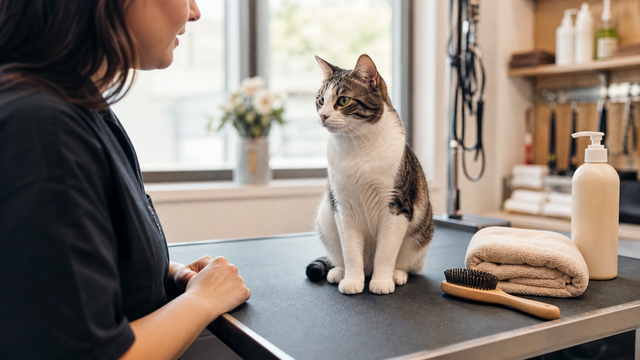
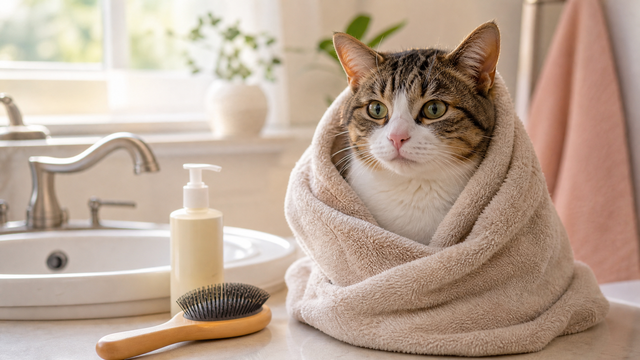
Does your cat smell after coming home from outside? Do you need to bathe them immediately? It's common for cats to pick up unfamiliar scents after vet visits, boarding, or car rides. Many owners' first reaction is, "Should I give them a bath right away?" However, for most cats, bathing isn't the first choice for routine care.
CatGarden Editorial TeamPublished 2026/05/13
Daily GroomingCat Cleaning & Grooming
Cat Smells After Coming Home From Outside? Don't Rush to Bathe Them: Try Spot Cleaning Instead

Key takeaways

  • If your cat returns home with only slight odors or dirt on their paws, tail, or fur tips, let them calm down for 10-20 minutes. Then, use a comb, a warm damp cloth, or pet-specific alcohol-free wipes for localized cleaning. A full bath is not immediately necessary.
  • If your cat has come into contact with toxic or irritating substances like motor oil, chemical cleaners, paint, glue traps, or highly concentrated perfumes, or has large areas of dirt, wiping alone is insufficient. Contact a veterinarian or professional groomer first.
  • When cleaning locally, avoid the eyes, deep ear canals, nostrils, and the area around the genital and urinary openings. If your cat shows signs of stress during cleaning, such as hissing, tail flicking, ears flattening, or attempting to bite, stop immediately and proceed with cleaning in multiple sessions.
  • Prioritize pet-specific, alcohol-free, unscented, or low-scent cleaning products. After wiping with a warm damp towel, use a dry towel to gently pat the fur dry. Never spray aerosol products directly onto your cat's face, eyes, nose, or ear canals.

Cat Smells After Coming Home: Is a Bath Always Necessary?

It's common for cats to pick up unfamiliar scents after vet visits, boarding, or car rides. Many owners' first reaction is, "Should I give them a bath right away?" However, for most cats, bathing isn't the first choice for routine care, especially for those who fear water, get stressed easily, have dry skin, or have just experienced the stress of being outdoors.

The key to spot cleaning your cat is to first assess the location and extent of the dirt and only clean the areas that truly need it. This reduces stress and prevents over-washing the skin's natural oils. After returning home, if only the paws, tail, chest, or tips of the fur have picked up a smell, you can usually manage with brushing, wiping with a damp cloth, or using pet cleaning wipes.

When is Spot Cleaning Appropriate?

  • Paws are dusty or covered in litter granules: The carrier, clinic floor, or car mats can make paws dirty.
  • Fur tips have an odor: After boarding, vet visits, or contact with other animals, environmental smells might linger.
  • Poop traces near the rear or tail: Especially common for long-haired cats or those with soft stools.
  • Food stuck to the chin or chest: Wet food, nutritional paste, or medication can get trapped in the fur.
  • Cat just received vaccinations or a vet check-up: If they are alert but a bit nervous, avoid adding the stress of a full bath.

However, if your cat has come into contact with motor oil, chemical cleaners, highly fragranced liquids, sticky traps, or paint, or has large areas of dirt, don't rely on wiping alone. These situations can be toxic or irritating to the skin. It's recommended to contact your veterinarian or a professional groomer first.

What we use for this

CatGarden’s own products, shipped from Taiwan
See all products
Quick-Dry Pet TowelQuick-Dry Pet TowelFrom CA$49.35 per pieceFree shipping on multi-packs

How to Choose Spot Cleaning Supplies?

1. Prioritize Pet-Safe, Alcohol-Free Wipes

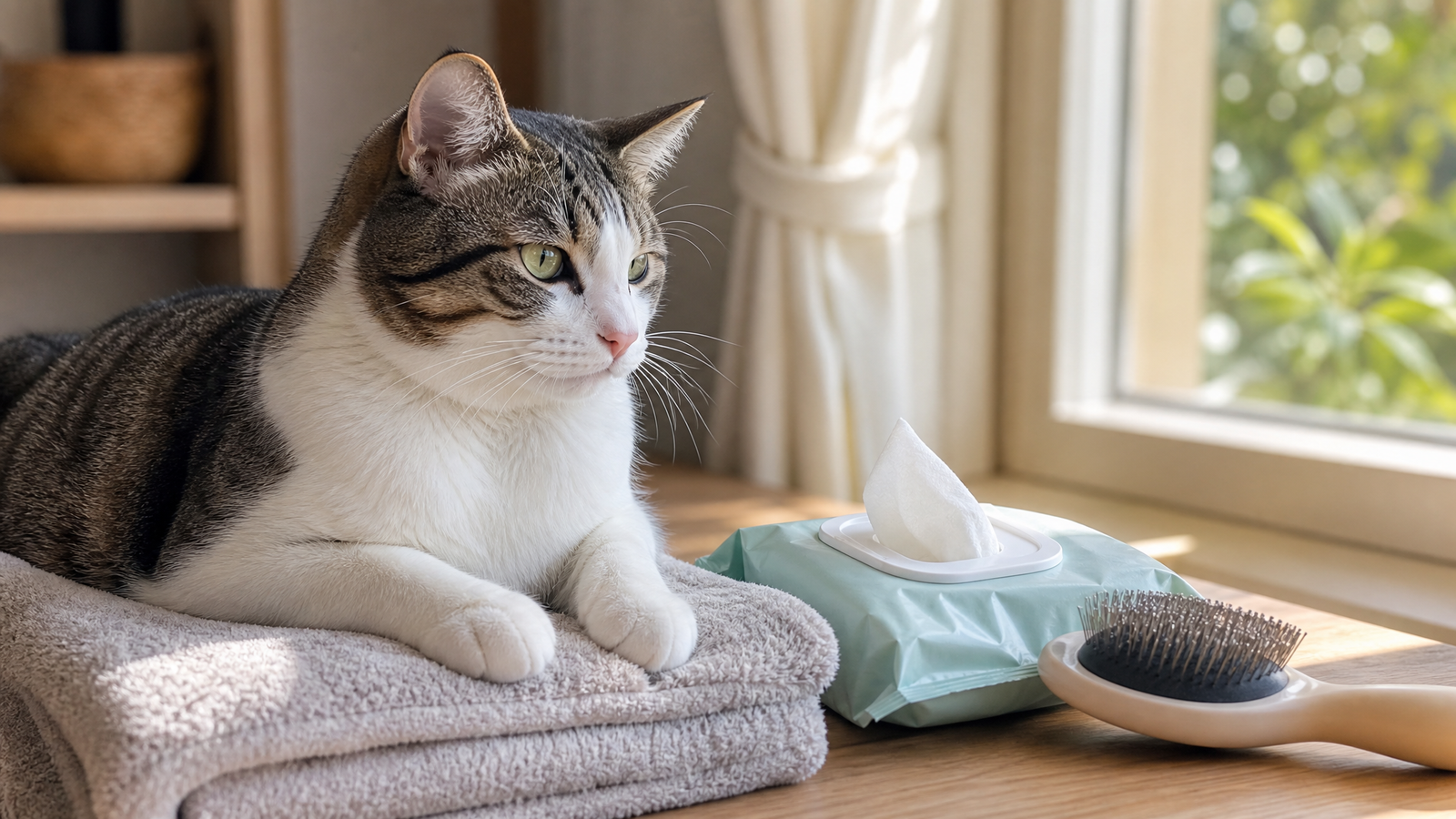
Human wet wipes often contain alcohol, fragrances, or cleaning agents that cats can ingest when grooming. When choosing, look for labels indicating they are pet-specific, alcohol-free, low-fragrance, or fragrance-free. If your cat has sensitive skin, test on a small area for a day to ensure there's no redness or excessive licking.

2. A Damp Cloth is Safer Than "Scented Sprays"

Recently, many smoothing sprays and dry shampoo products have become popular. However, for cats, stronger scents aren't always better. If there's just a slight environmental smell after an outing, a soft towel dampened with warm water, followed by drying with a dry towel, is often sufficient. Avoid spraying near the face, eyes, nose, and ear canals.

3. Long-Haired Cats Need Brushing Too

Dirt on long-haired cats often gets trapped in the outer fur or mats. Before cleaning, use a comb to part the fur and check for tangles, dandruff, or redness. If mats are close to the skin, don't pull hard, as this can injure the skin.

5 Steps for Spot Cleaning Your Cat

  • Calm the cat first: Give them 10 to 20 minutes to settle down after returning home. Don't start wiping them the moment they walk in.
  • Identify the soiled area: Gently part the fur with your hand to see clearly. Is it dust, food, urine smell, poop traces, or a skin issue?
  • Start with the least sensitive area: Paws, back, and the outer tail are usually more tolerable than the belly or rear.
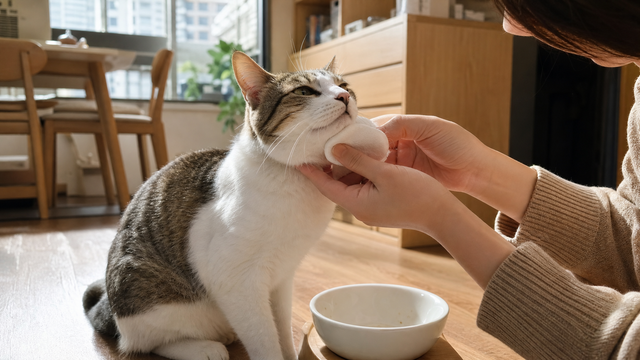
  • Wipe gently and repeatedly: Don't get the fur too wet. After cleaning a small area, press with a dry towel to absorb moisture.
  • Reward them afterward: Treats, praise, or letting them go can reduce resistance to future cleaning.

If your cat starts hissing, flicking their tail, flattening their ears, or trying to bite, stop. Spot cleaning isn't about completing it in one go. Doing it in two or three sessions is better than forcing it until the cat is overwhelmed.

What Areas Should Not Be Wiped Randomly?

Eyes, deep ear canals, nostrils, and the area around the genital and urinary openings are not suitable for repeated wiping with regular cleaning wipes. Eye discharge can be gently wiped with saline solution or a product recommended by your vet. If there is black earwax, odor, or constant scratching, it might indicate ear mites, infection, or allergies. It's not recommended to pour cleaning solutions directly into the ear canal yourself.

If the area around the rear repeatedly gets soiled with feces, besides cleaning, re-examine the stool consistency. Soft stools, diarrhea, obesity preventing self-grooming, or matted long fur can cause recurring problems.

When Should You Switch to Bathing or Seek Veterinary Care?

Spot cleaning is suitable for minor dirt but cannot replace bathing in all situations. If your cat is covered in grease, has a strong urine odor, large areas of redness, pus, or hair loss, or continues to lick the same spot after cleaning, be vigilant. Especially after returning from boarding, if your cat shows lethargy, decreased appetite, rapid breathing, vomiting, or diarrhea, the priority is not bathing but observing their health status and consulting a veterinarian.

For cats who fear water, a truly good cleaning strategy is not "never bathe" or "bathe at the first sign of odor," but rather choosing based on the degree of soiling, skin condition, and the cat's stress level. Regular brushing, paw wiping, and environmental cleaning can resolve many odors without the need for a bath.

Frequently Asked Questions (FAQ)

Can I use wet wipes on my cat daily?

It's not recommended to use wet wipes for daily full-body cleaning. Occasional wiping of paws, rear, or soiled areas is acceptable, but frequent use can irritate the skin and lead to the cat ingesting cleaning agents.

Is it normal for my cat to lick its fur constantly after coming home from outside?

Occasional grooming is normal. However, if the licking is incessant, or if the area becomes red or loses hair, it could be due to stress, lingering odors, or skin discomfort. It's advisable to check and seek veterinary care if necessary.

Can dry shampoo mousse replace bathing?

Dry shampoo mousse is suitable for minor odors or spot cleaning but cannot handle severe grease, skin infections, or large areas of dirt. After use, ensure your cat's skin shows no signs of irritation.

What should I do if my cat's rear end frequently gets soiled with feces?

First, clean the fur. Then, observe if the stool is soft, if there's diarrhea, if obesity prevents grooming, or if the long fur is matted. If the problem recurs, consider dietary adjustments and consult your veterinarian about gastrointestinal health.

Further Reading

  • What to Do If Your Cat Hates Baths? Try These 5 Methods to Reduce Their Anxiety First
  • Can Cat Dry Shampoo Mousse Replace Bathing? Gentle Cleaning, Skin Risks, and Selection Guide for Water-Averse Cats
  • How to Choose Cat Shampoo? Safety Guide for Fragrances, Human-Pet Shared Use, and Sensitive Skin Cleaning
  • Is It Normal for Cats to Lick Constantly After a Bath? Observations and Advice from a Cat Hotel Groomer

If you're preparing to board your cat, take them to the vet, or have them groomed, it's recommended to note down their usual tolerance for cleaning methods. For more peace of mind in care arrangements, discuss your cat's personality, skin condition, and post-outing cleaning needs with the cat hotel or grooming staff, ensuring they stay clean while retaining their sense of security.

FAQ

Can I wipe my cat's entire body with wet wipes every day?

It is not recommended to use wet wipes for full-body cleaning daily. Overly frequent wiping can irritate the skin and increase the risk of your cat ingesting cleaning ingredients when grooming. They are only suitable for occasional spot cleaning of paws or the hindquarters.

Is it normal for my cat to lick itself excessively after coming home from outside?

Short periods of grooming are normal. However, if the licking is incessant, causes redness or hair loss in a specific area, it could be due to stress, residual odors, or skin discomfort. Inspect your cat carefully and seek veterinary attention if necessary.

Can dry shampoo mousse completely replace bathing my cat?

Dry shampoo mousse is only suitable for minor odors or localized cleaning. It cannot handle severe grease, skin infections, or large soiled areas. After use, monitor your cat's skin for any signs of irritation.

What should I do if my long-haired cat frequently gets feces on its hindquarters?

Besides cleaning the soiled fur, check for issues like soft stools, diarrhea, obesity preventing proper grooming, or matted fur. If this occurs repeatedly, consider dietary adjustments and consult a veterinarian for gastrointestinal evaluation.

CatGarden offers curated supplies, cat boarding, and grooming

Book services or shop online.
Back

Blog

Cat Smells After Coming Home From Outside? Don't Rush to Bathe Them: Try Spot Cleaning Instead

CatGarden Editorial TeamPublished 2026/05/13
Daily GroomingCat Cleaning & Grooming
Cat Smells After Coming Home From Outside? Don't Rush to Bathe Them: Try Spot Cleaning Instead

Key takeaways

  • If your cat returns home with only slight odors or dirt on their paws, tail, or fur tips, let them calm down for 10-20 minutes. Then, use a comb, a warm damp cloth, or pet-specific alcohol-free wipes for localized cleaning. A full bath is not immediately necessary.
  • If your cat has come into contact with toxic or irritating substances like motor oil, chemical cleaners, paint, glue traps, or highly concentrated perfumes, or has large areas of dirt, wiping alone is insufficient. Contact a veterinarian or professional groomer first.
  • When cleaning locally, avoid the eyes, deep ear canals, nostrils, and the area around the genital and urinary openings. If your cat shows signs of stress during cleaning, such as hissing, tail flicking, ears flattening, or attempting to bite, stop immediately and proceed with cleaning in multiple sessions.
  • Prioritize pet-specific, alcohol-free, unscented, or low-scent cleaning products. After wiping with a warm damp towel, use a dry towel to gently pat the fur dry. Never spray aerosol products directly onto your cat's face, eyes, nose, or ear canals.

Cat Smells After Coming Home: Is a Bath Always Necessary?

It's common for cats to pick up unfamiliar scents after vet visits, boarding, or car rides. Many owners' first reaction is, "Should I give them a bath right away?" However, for most cats, bathing isn't the first choice for routine care, especially for those who fear water, get stressed easily, have dry skin, or have just experienced the stress of being outdoors.

The key to spot cleaning your cat is to first assess the location and extent of the dirt and only clean the areas that truly need it. This reduces stress and prevents over-washing the skin's natural oils. After returning home, if only the paws, tail, chest, or tips of the fur have picked up a smell, you can usually manage with brushing, wiping with a damp cloth, or using pet cleaning wipes.

When is Spot Cleaning Appropriate?

  • Paws are dusty or covered in litter granules: The carrier, clinic floor, or car mats can make paws dirty.
  • Fur tips have an odor: After boarding, vet visits, or contact with other animals, environmental smells might linger.
  • Poop traces near the rear or tail: Especially common for long-haired cats or those with soft stools.
  • Food stuck to the chin or chest: Wet food, nutritional paste, or medication can get trapped in the fur.
  • Cat just received vaccinations or a vet check-up: If they are alert but a bit nervous, avoid adding the stress of a full bath.

However, if your cat has come into contact with motor oil, chemical cleaners, highly fragranced liquids, sticky traps, or paint, or has large areas of dirt, don't rely on wiping alone. These situations can be toxic or irritating to the skin. It's recommended to contact your veterinarian or a professional groomer first.

What we use for this

CatGarden’s own products, shipped from Taiwan
See all products
Quick-Dry Pet TowelQuick-Dry Pet TowelFrom CA$49.35 per pieceFree shipping on multi-packs

How to Choose Spot Cleaning Supplies?

1. Prioritize Pet-Safe, Alcohol-Free Wipes

Human wet wipes often contain alcohol, fragrances, or cleaning agents that cats can ingest when grooming. When choosing, look for labels indicating they are pet-specific, alcohol-free, low-fragrance, or fragrance-free. If your cat has sensitive skin, test on a small area for a day to ensure there's no redness or excessive licking.

2. A Damp Cloth is Safer Than "Scented Sprays"

Recently, many smoothing sprays and dry shampoo products have become popular. However, for cats, stronger scents aren't always better. If there's just a slight environmental smell after an outing, a soft towel dampened with warm water, followed by drying with a dry towel, is often sufficient. Avoid spraying near the face, eyes, nose, and ear canals.

3. Long-Haired Cats Need Brushing Too

Dirt on long-haired cats often gets trapped in the outer fur or mats. Before cleaning, use a comb to part the fur and check for tangles, dandruff, or redness. If mats are close to the skin, don't pull hard, as this can injure the skin.

5 Steps for Spot Cleaning Your Cat

  • Calm the cat first: Give them 10 to 20 minutes to settle down after returning home. Don't start wiping them the moment they walk in.
  • Identify the soiled area: Gently part the fur with your hand to see clearly. Is it dust, food, urine smell, poop traces, or a skin issue?
  • Start with the least sensitive area: Paws, back, and the outer tail are usually more tolerable than the belly or rear.
  • Wipe gently and repeatedly: Don't get the fur too wet. After cleaning a small area, press with a dry towel to absorb moisture.
  • Reward them afterward: Treats, praise, or letting them go can reduce resistance to future cleaning.

If your cat starts hissing, flicking their tail, flattening their ears, or trying to bite, stop. Spot cleaning isn't about completing it in one go. Doing it in two or three sessions is better than forcing it until the cat is overwhelmed.

What Areas Should Not Be Wiped Randomly?

Eyes, deep ear canals, nostrils, and the area around the genital and urinary openings are not suitable for repeated wiping with regular cleaning wipes. Eye discharge can be gently wiped with saline solution or a product recommended by your vet. If there is black earwax, odor, or constant scratching, it might indicate ear mites, infection, or allergies. It's not recommended to pour cleaning solutions directly into the ear canal yourself.

If the area around the rear repeatedly gets soiled with feces, besides cleaning, re-examine the stool consistency. Soft stools, diarrhea, obesity preventing self-grooming, or matted long fur can cause recurring problems.

When Should You Switch to Bathing or Seek Veterinary Care?

Spot cleaning is suitable for minor dirt but cannot replace bathing in all situations. If your cat is covered in grease, has a strong urine odor, large areas of redness, pus, or hair loss, or continues to lick the same spot after cleaning, be vigilant. Especially after returning from boarding, if your cat shows lethargy, decreased appetite, rapid breathing, vomiting, or diarrhea, the priority is not bathing but observing their health status and consulting a veterinarian.

For cats who fear water, a truly good cleaning strategy is not "never bathe" or "bathe at the first sign of odor," but rather choosing based on the degree of soiling, skin condition, and the cat's stress level. Regular brushing, paw wiping, and environmental cleaning can resolve many odors without the need for a bath.

Frequently Asked Questions (FAQ)

Can I use wet wipes on my cat daily?

It's not recommended to use wet wipes for daily full-body cleaning. Occasional wiping of paws, rear, or soiled areas is acceptable, but frequent use can irritate the skin and lead to the cat ingesting cleaning agents.

Is it normal for my cat to lick its fur constantly after coming home from outside?

Occasional grooming is normal. However, if the licking is incessant, or if the area becomes red or loses hair, it could be due to stress, lingering odors, or skin discomfort. It's advisable to check and seek veterinary care if necessary.

Can dry shampoo mousse replace bathing?

Dry shampoo mousse is suitable for minor odors or spot cleaning but cannot handle severe grease, skin infections, or large areas of dirt. After use, ensure your cat's skin shows no signs of irritation.

What should I do if my cat's rear end frequently gets soiled with feces?

First, clean the fur. Then, observe if the stool is soft, if there's diarrhea, if obesity prevents grooming, or if the long fur is matted. If the problem recurs, consider dietary adjustments and consult your veterinarian about gastrointestinal health.

Further Reading

  • What to Do If Your Cat Hates Baths? Try These 5 Methods to Reduce Their Anxiety First
  • Can Cat Dry Shampoo Mousse Replace Bathing? Gentle Cleaning, Skin Risks, and Selection Guide for Water-Averse Cats
  • How to Choose Cat Shampoo? Safety Guide for Fragrances, Human-Pet Shared Use, and Sensitive Skin Cleaning
  • Is It Normal for Cats to Lick Constantly After a Bath? Observations and Advice from a Cat Hotel Groomer

If you're preparing to board your cat, take them to the vet, or have them groomed, it's recommended to note down their usual tolerance for cleaning methods. For more peace of mind in care arrangements, discuss your cat's personality, skin condition, and post-outing cleaning needs with the cat hotel or grooming staff, ensuring they stay clean while retaining their sense of security.

FAQ

Can I wipe my cat's entire body with wet wipes every day?

It is not recommended to use wet wipes for full-body cleaning daily. Overly frequent wiping can irritate the skin and increase the risk of your cat ingesting cleaning ingredients when grooming. They are only suitable for occasional spot cleaning of paws or the hindquarters.

Is it normal for my cat to lick itself excessively after coming home from outside?

Short periods of grooming are normal. However, if the licking is incessant, causes redness or hair loss in a specific area, it could be due to stress, residual odors, or skin discomfort. Inspect your cat carefully and seek veterinary attention if necessary.

Can dry shampoo mousse completely replace bathing my cat?

Dry shampoo mousse is only suitable for minor odors or localized cleaning. It cannot handle severe grease, skin infections, or large soiled areas. After use, monitor your cat's skin for any signs of irritation.

What should I do if my long-haired cat frequently gets feces on its hindquarters?

Besides cleaning the soiled fur, check for issues like soft stools, diarrhea, obesity preventing proper grooming, or matted fur. If this occurs repeatedly, consider dietary adjustments and consult a veterinarian for gastrointestinal evaluation.

One email a month of cat-care tips

Hand-picked care, behavior and grooming tips once a month. Subscribe and we will send you our three most-read articles right away.

Keep reading